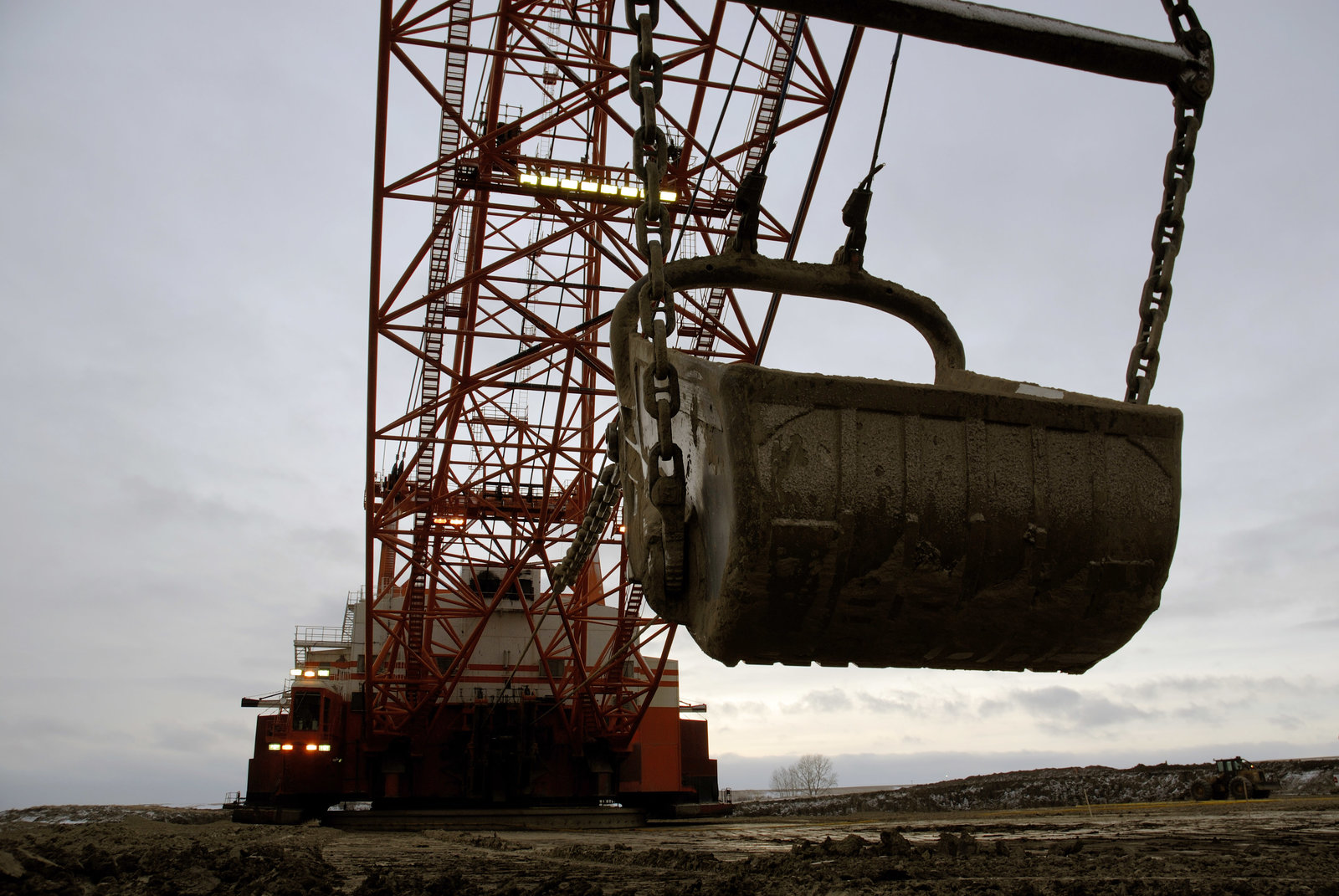
Sample photo: GOLIATH ?
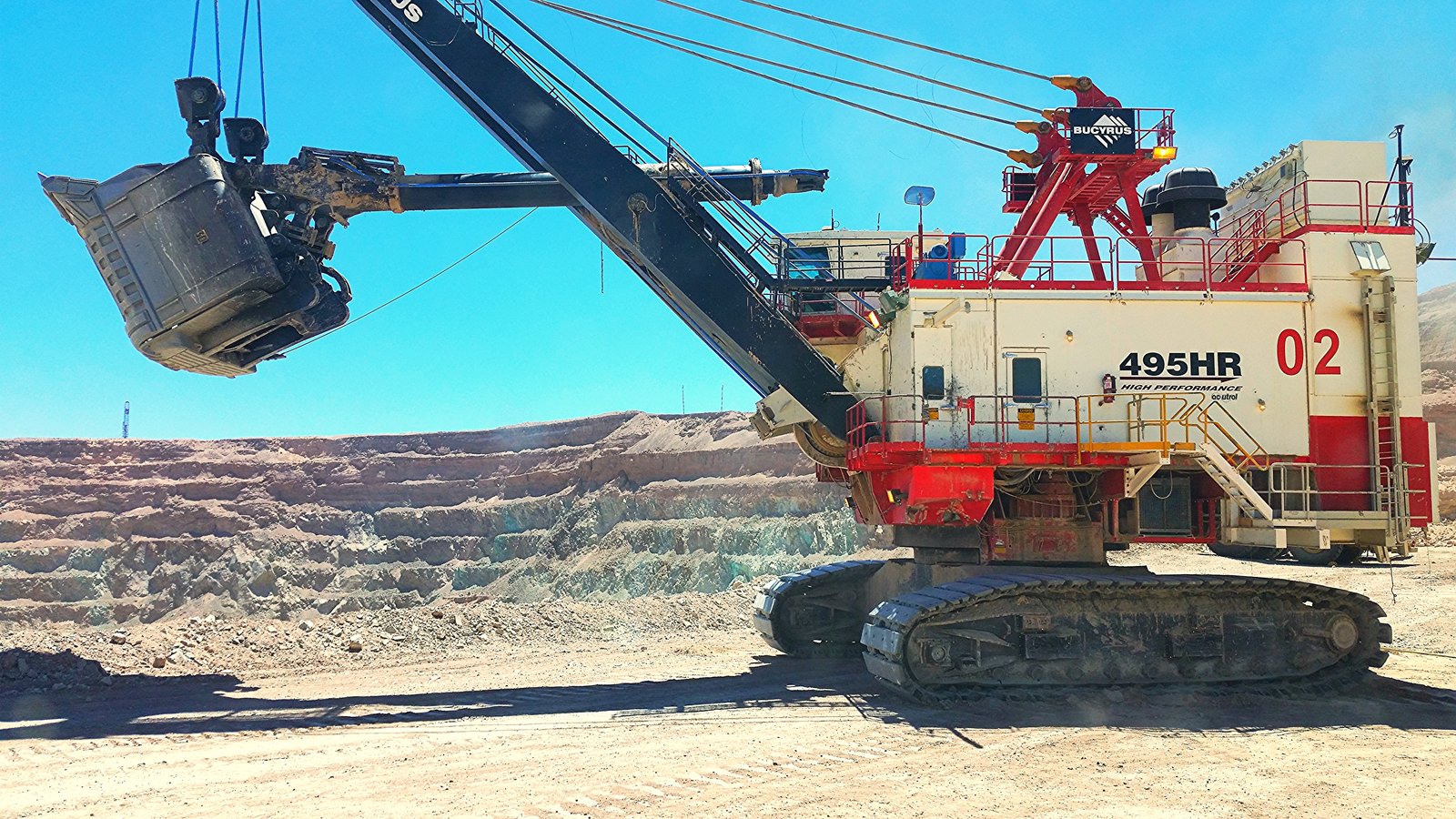
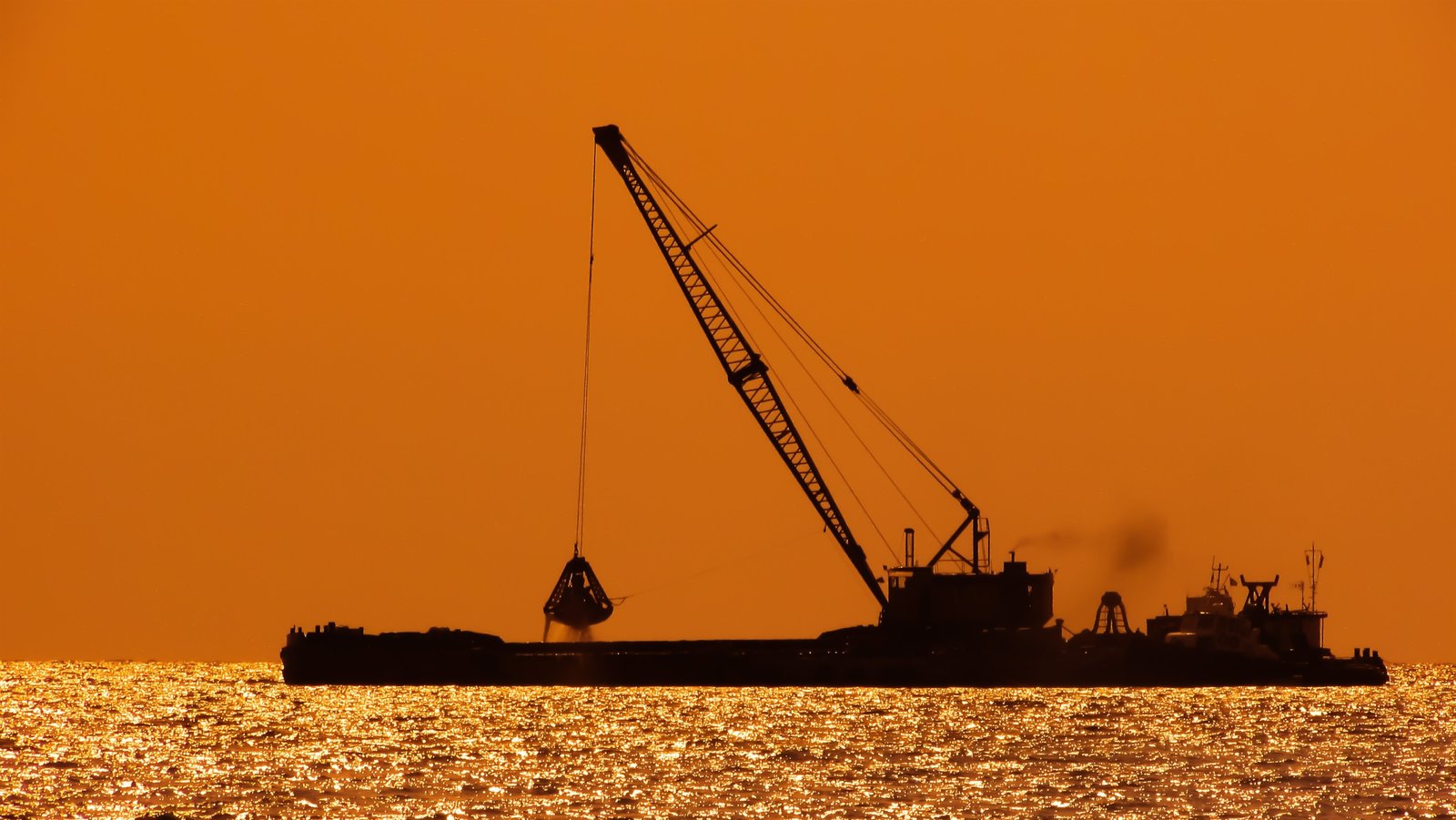
the Bucyrus Erie Dragline, as high as a 17 storey building, this 6,000 ton heavy metal monster is one of the world?s largest excavators. Goliath scrapes away huge layers of topsoil covering one of Canada?s largest opencast coal mines in Coronach, Saskatchewan. Goliath?s crew must work in temperatures as low as minus 35 centigrade, cope with mechanical breakdowns, and still uncover enough coal to supply the nearby Poplar River Power Station in one of the coldest winters in Canada in decades.
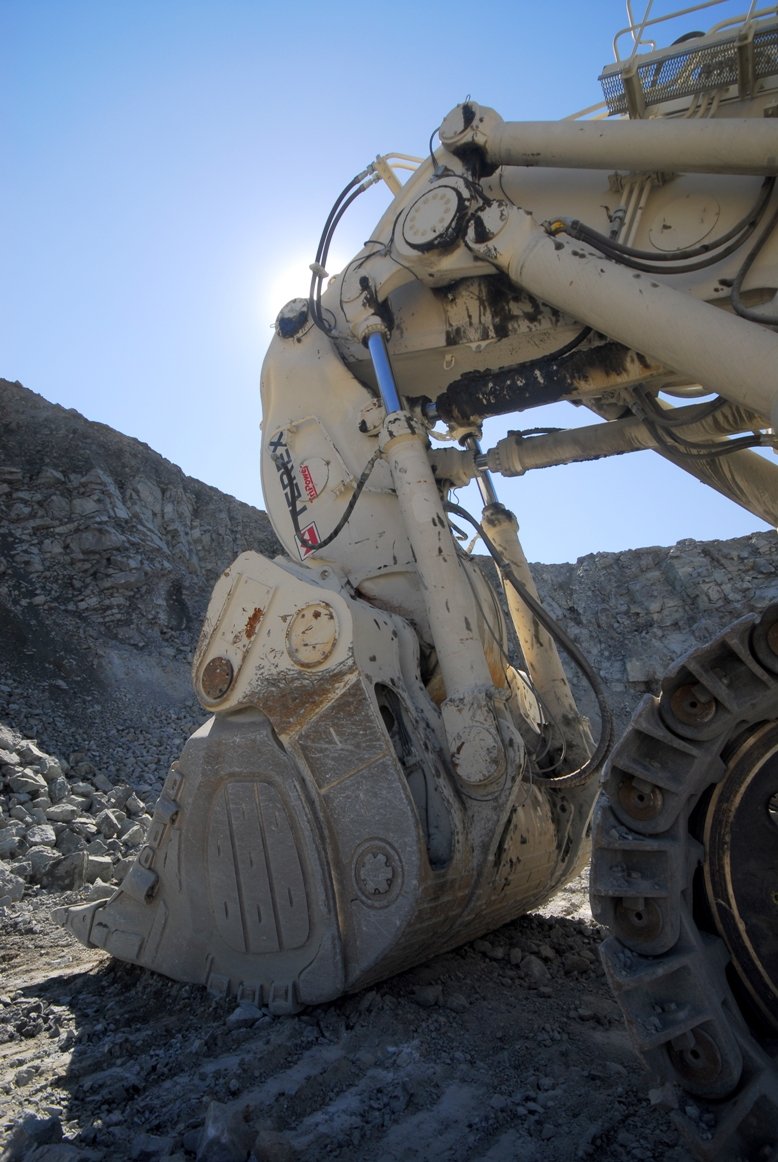
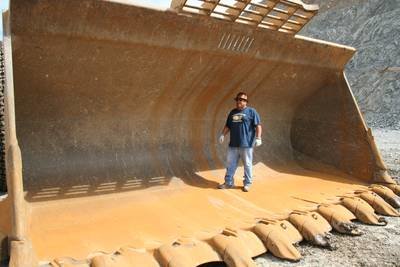
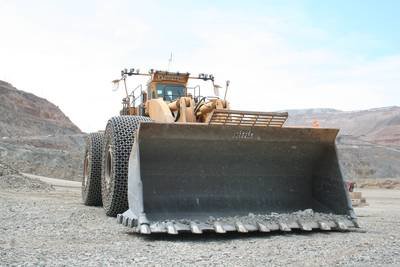
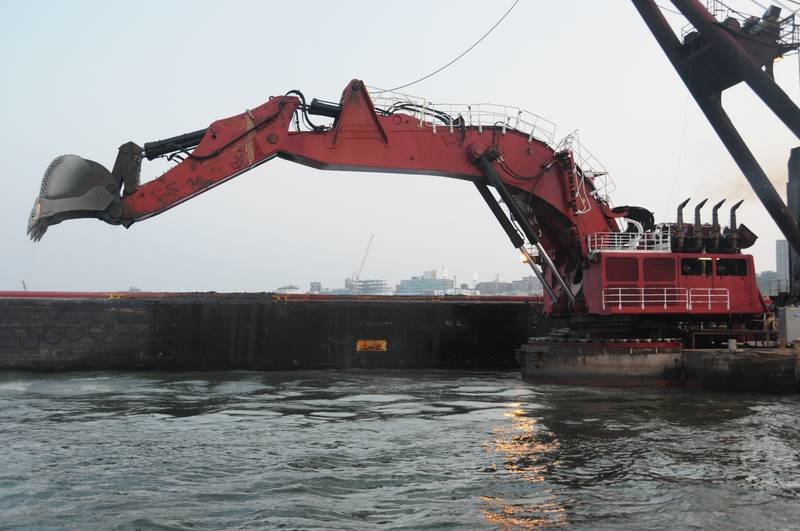
Sample photo: CLAW ? the largest hydraulic excavator on the planet.
A 1000 ton metal monster. Location - Limpopo, South Africa. It takes 2.5 tonnes of rock to get just 2.5 grams of platinum. That means you need to dig up a lot of rock ? 65,000 tons every day- to make it worth your while. This is job for CLAW. It takes 4,500 horse power to move this thing, and it wields a steel bucket weighing 88 tons, scooping up 10,000 tons of rock an hour ? a world record for an excavator. But the tough African earth doesn?t give up its riches easily, these guys have to deal with searing heat, mechanical breakdowns, and constant rock falls ? making this one of world?s most dangerous jobs.
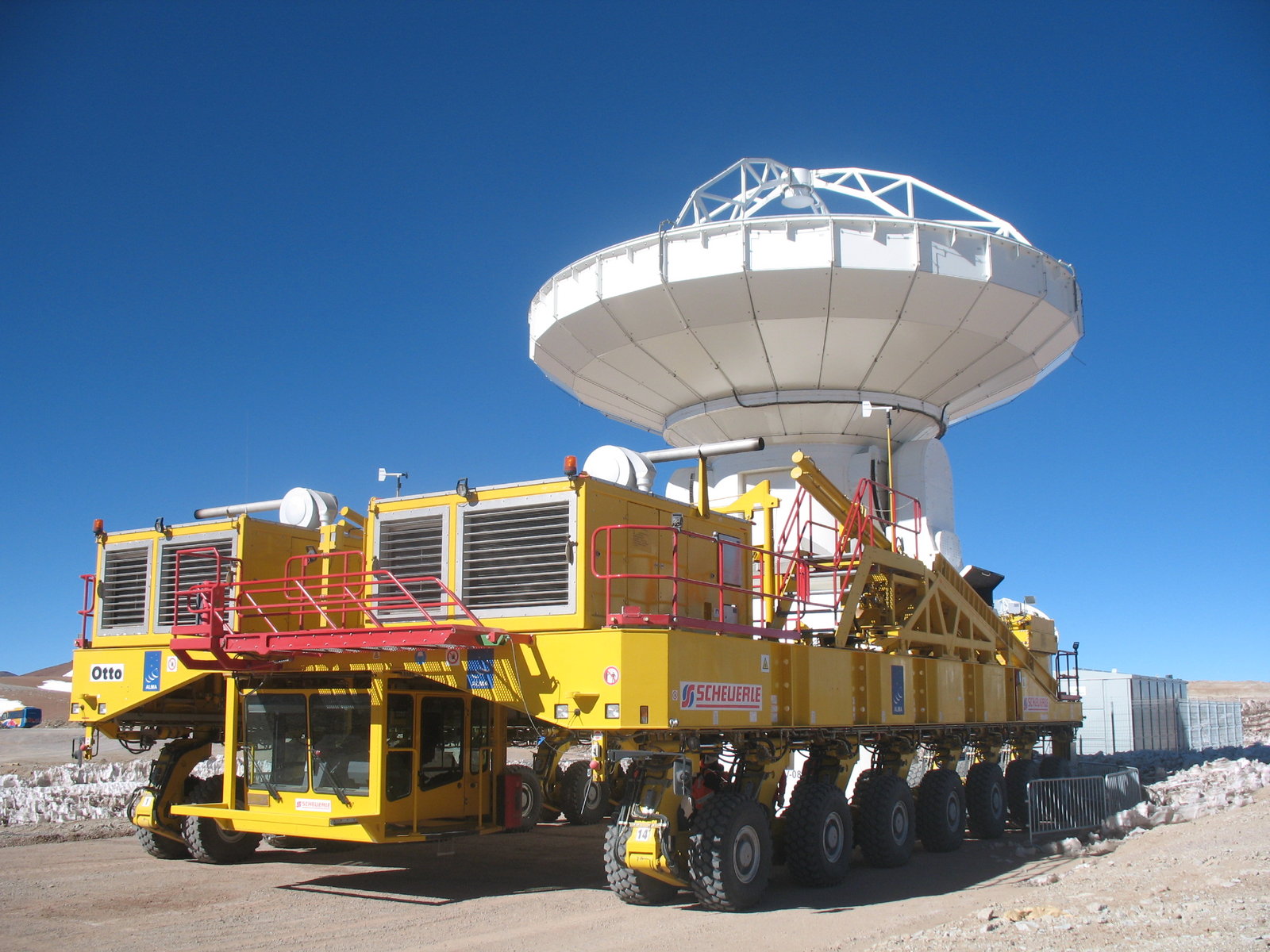
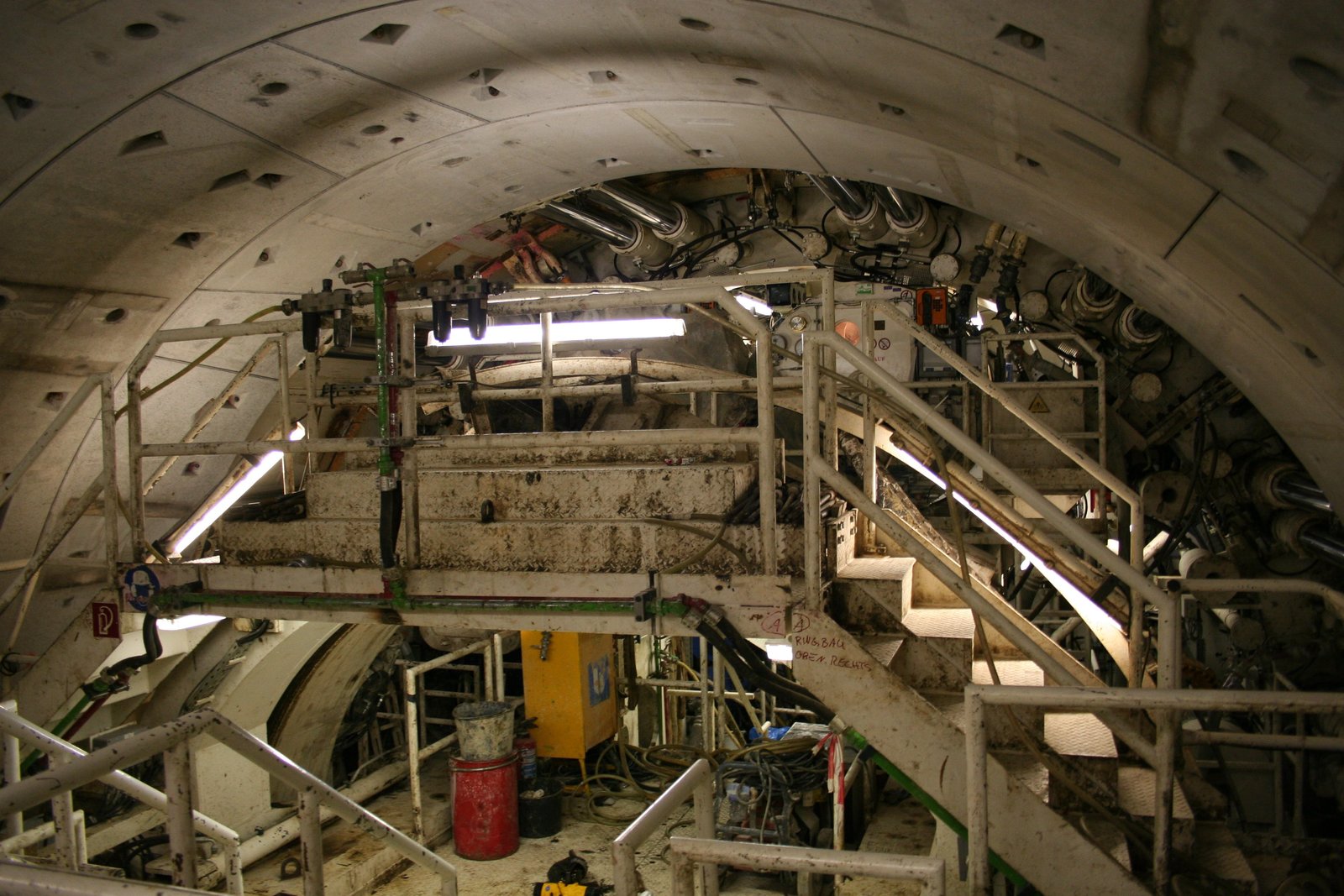
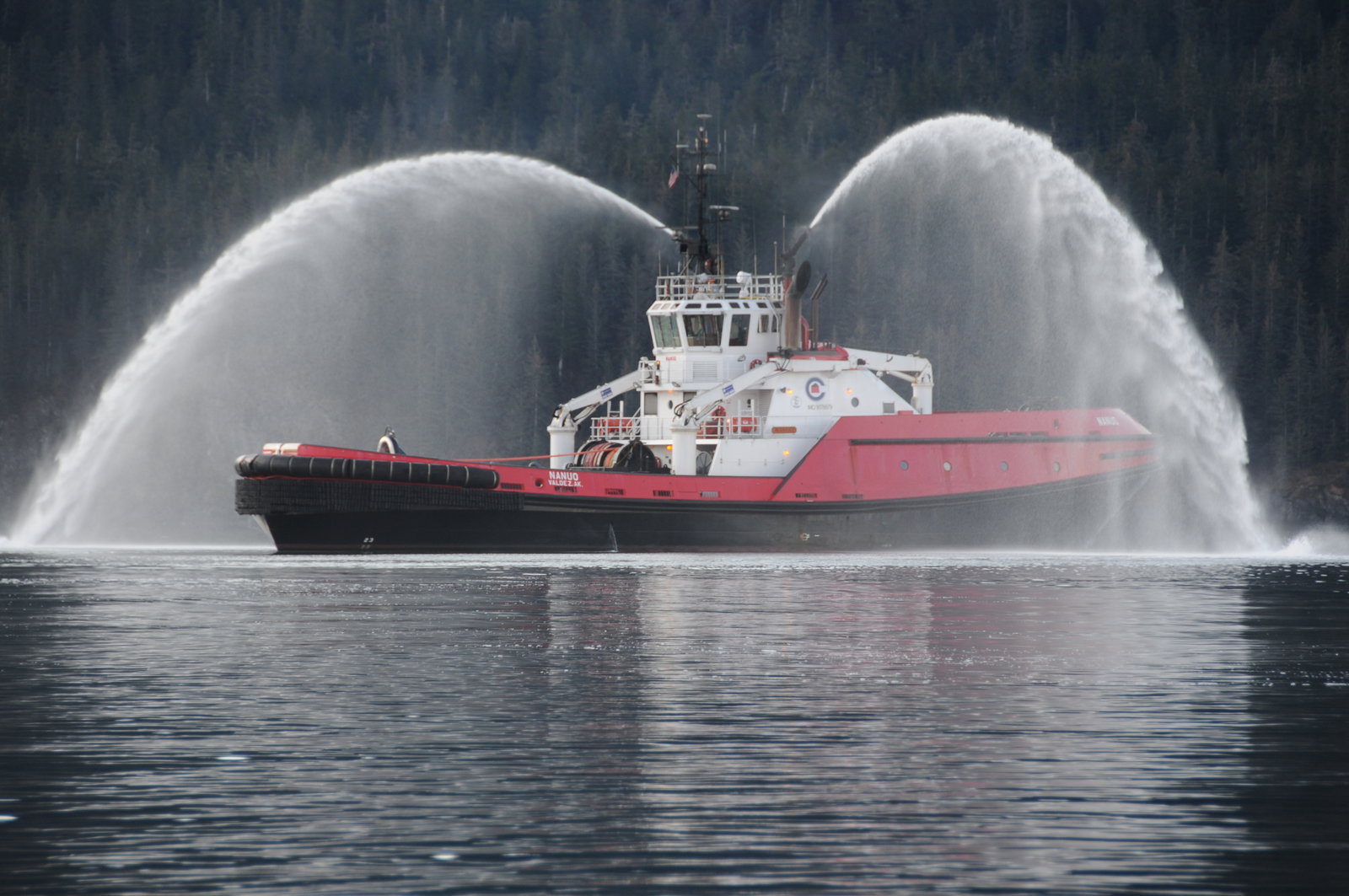
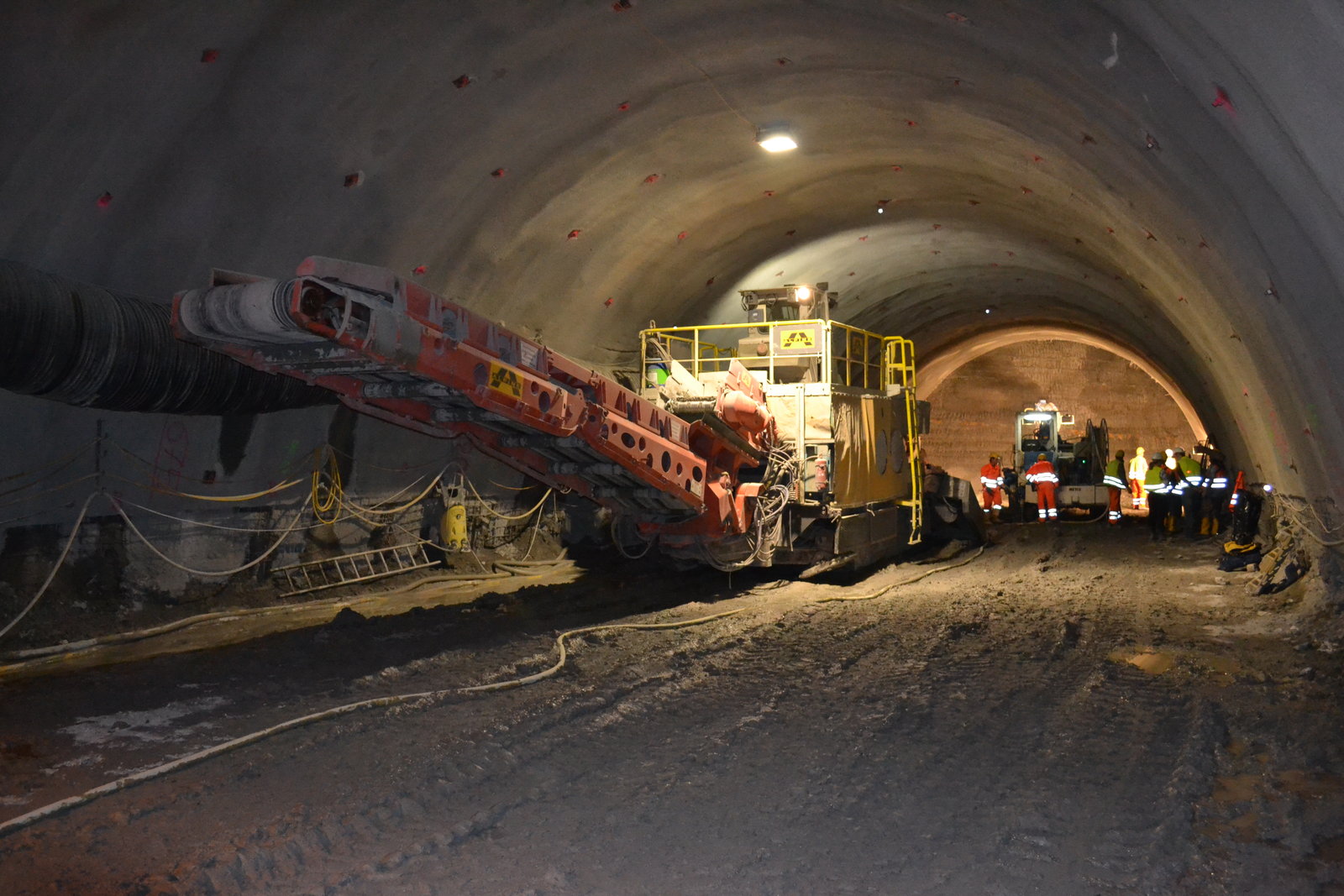
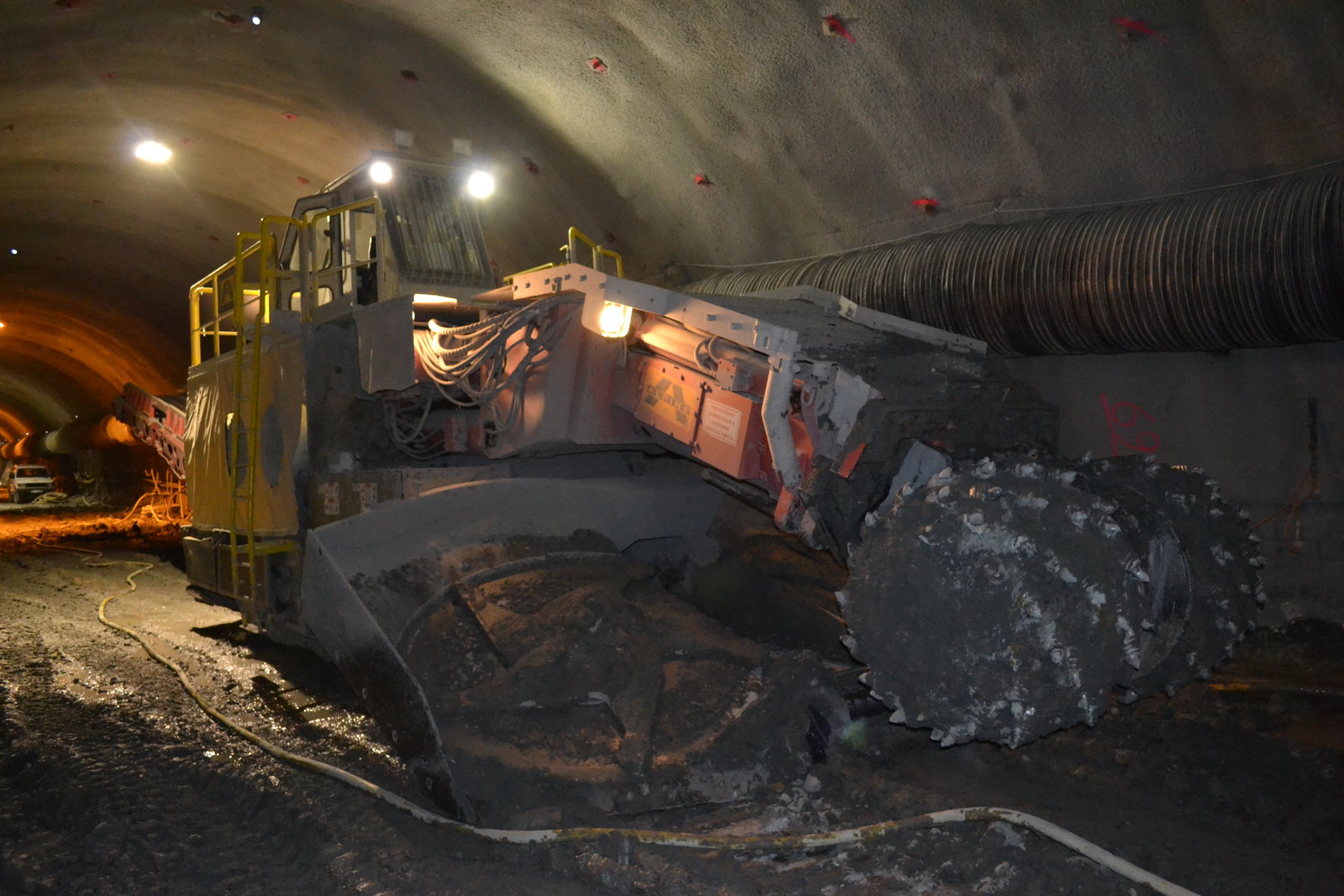
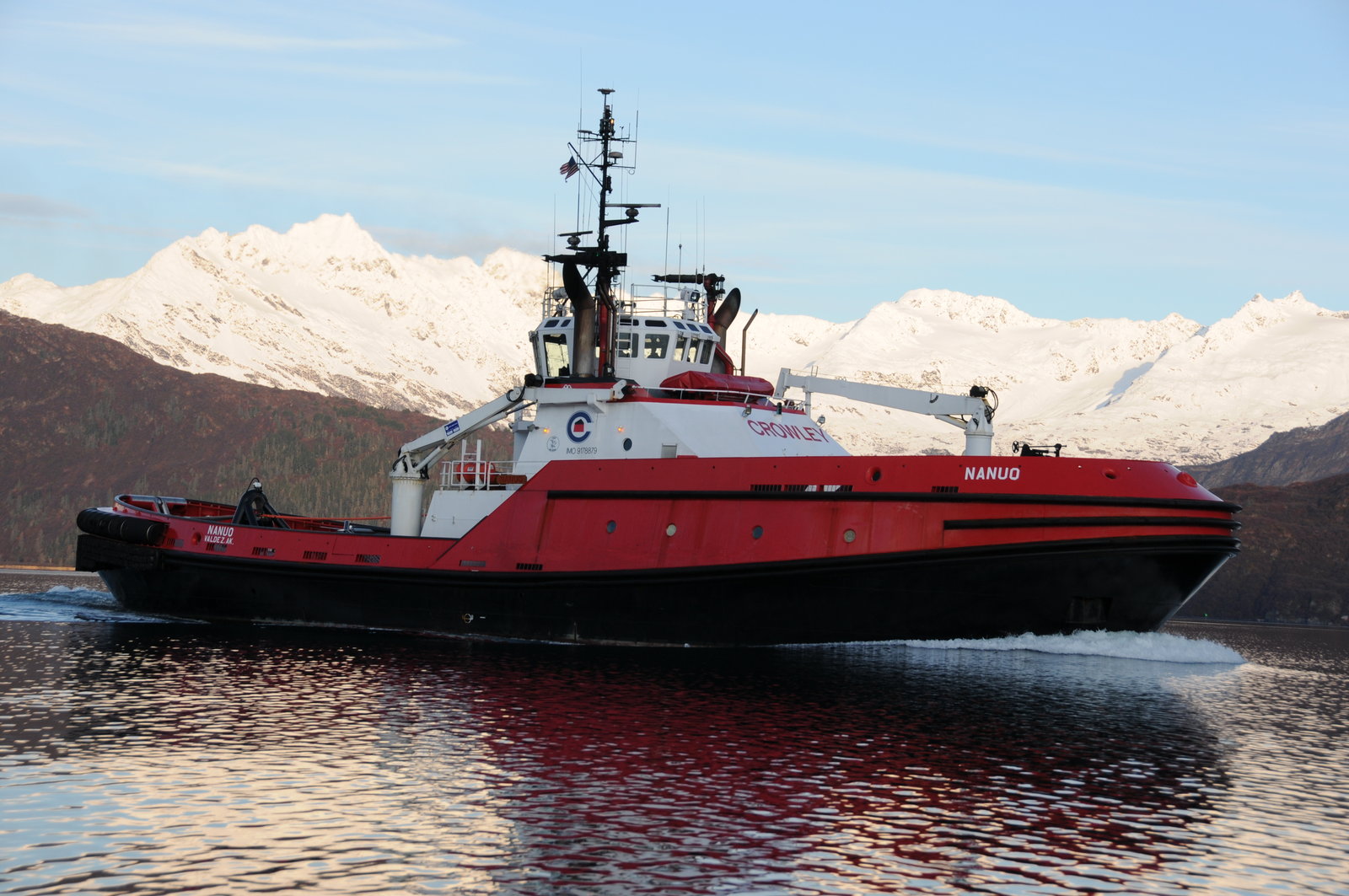
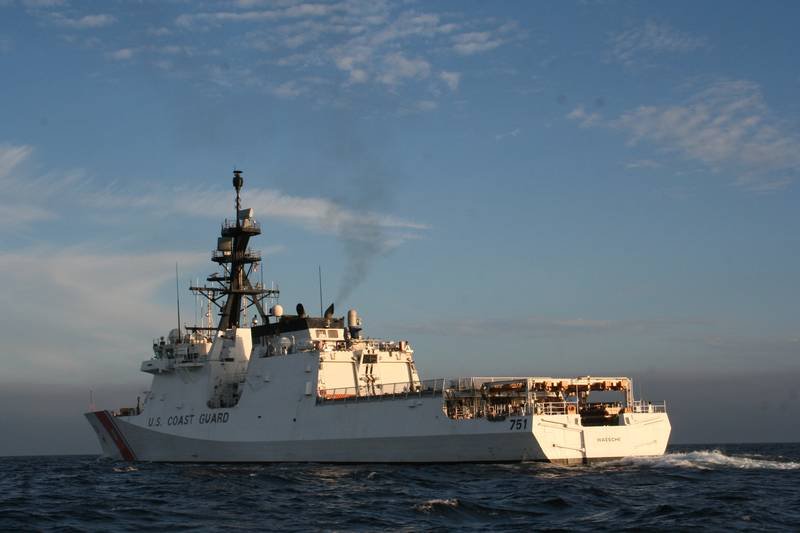
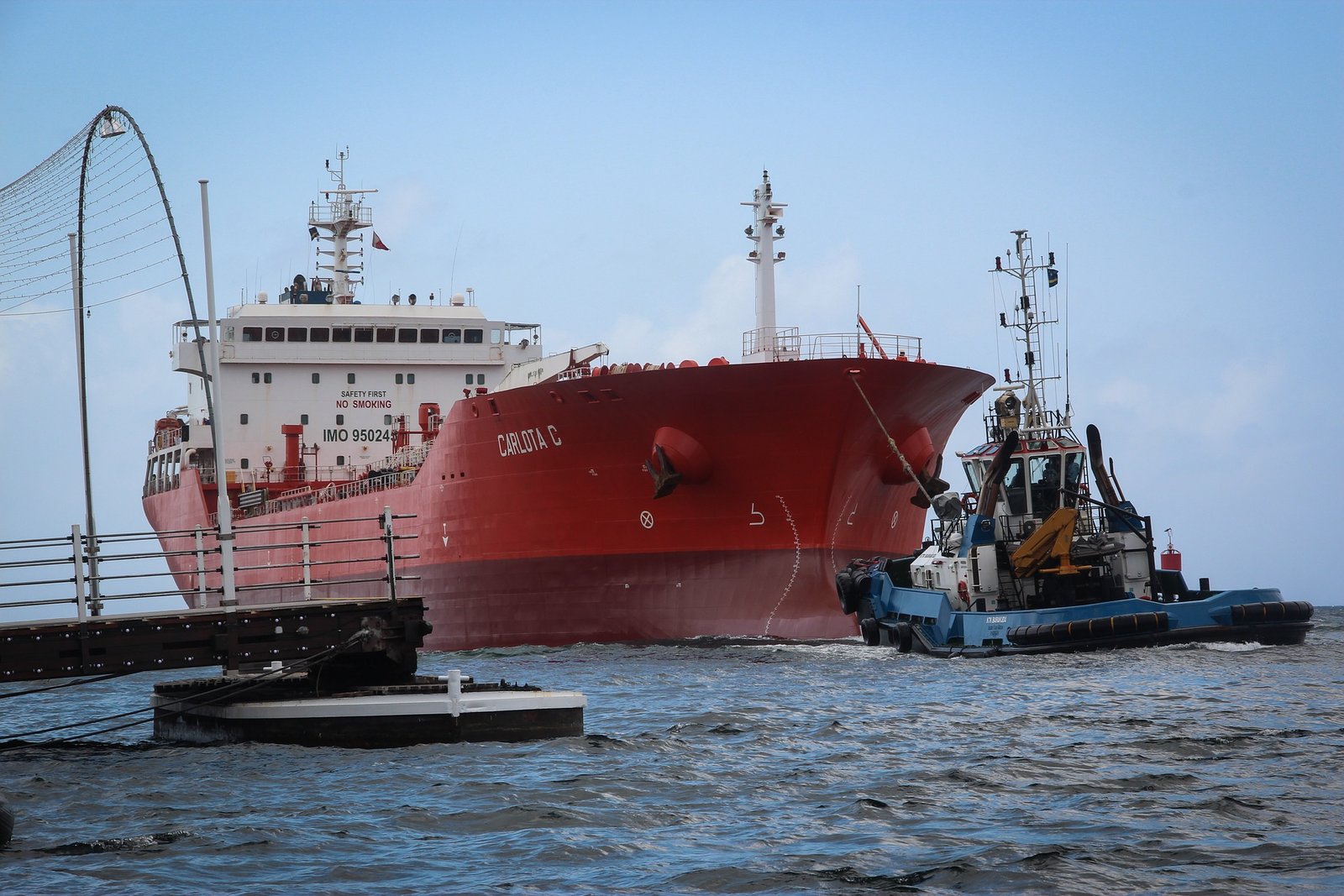
Düsseldorfs Stadtzentrum droht im Verkehr zu ersticken. Die Lösung für das Problem: eine 3,4 Kilometer lange U-Bahnstrecke. Unter der Erdoberfläche kommt beim Bau der neuen Linie eine gewaltige Tunnelbohrmaschine namens „Tuborine“ zum Einsatz – 65 Meter lang und 1300 Tonnen schwer. Mit einer Geschwindigkeit von zwei Meter pro Stunde bahnt sich der Koloss seinen Weg durch den Untergrund. Die Arbeiten sind extrem gefährlich. Nur ein kleiner Berechnungsfehler und Tausende Kubikmeter Sand und Gestein stürzen in den Schacht. Doch in Düsseldorf sind echte Profis am Werk. Weitere Supermaschinen in dieser Episode: ein Riesenschlepper in Südafrika und „The Legend“, ein supermodernes Patrouillen-Boot der Küstenwache in Kalifornien.
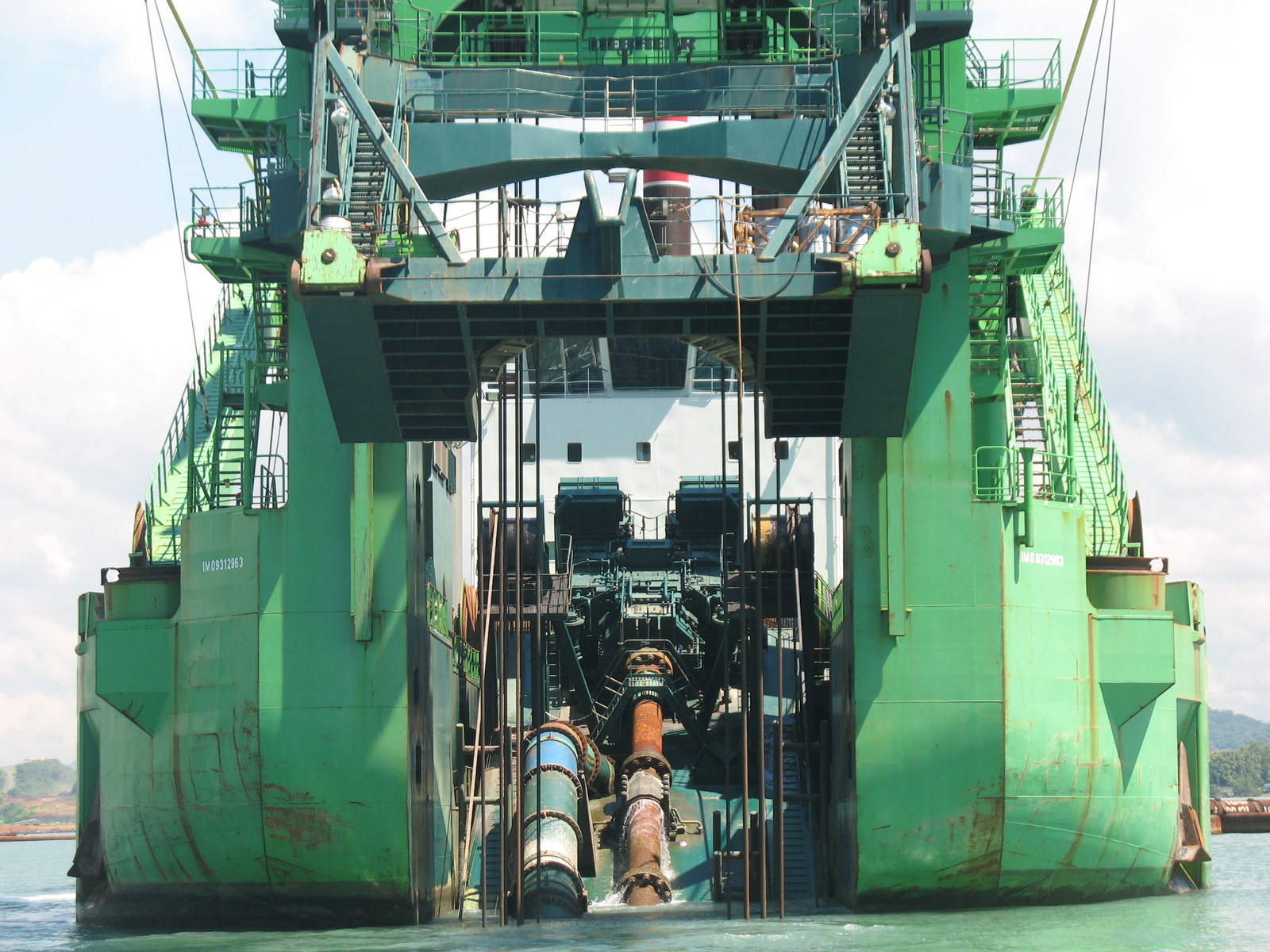
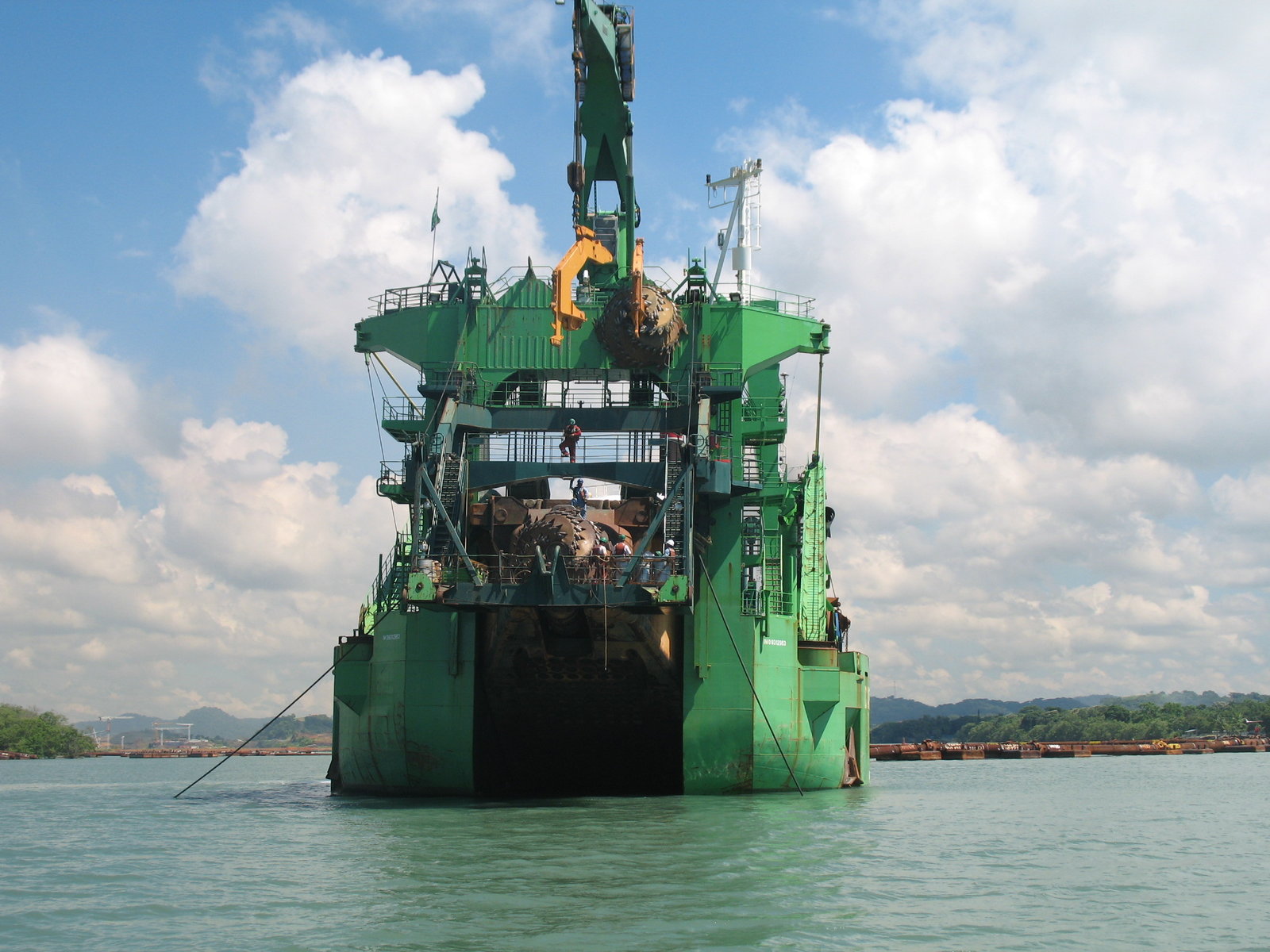
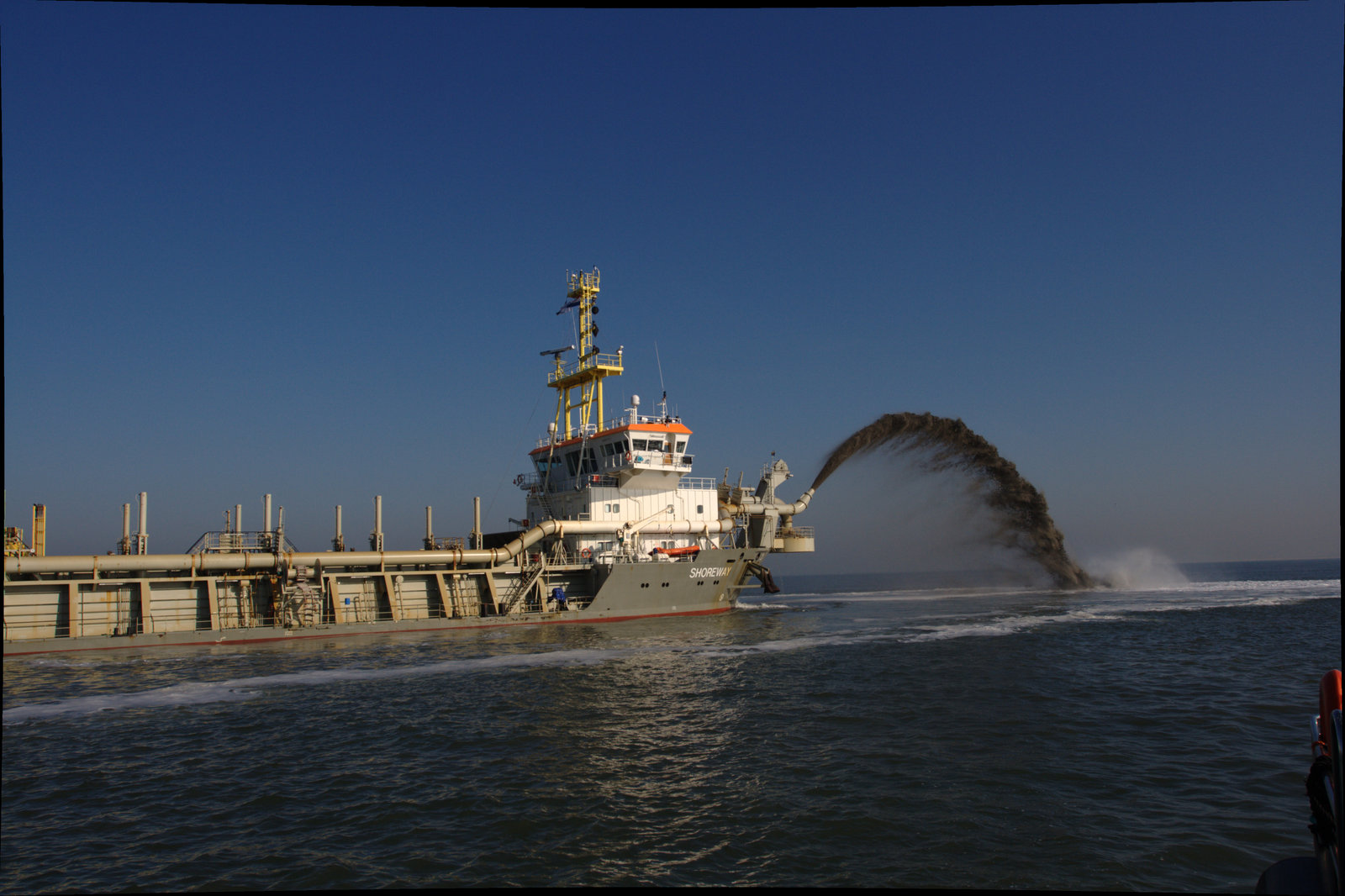
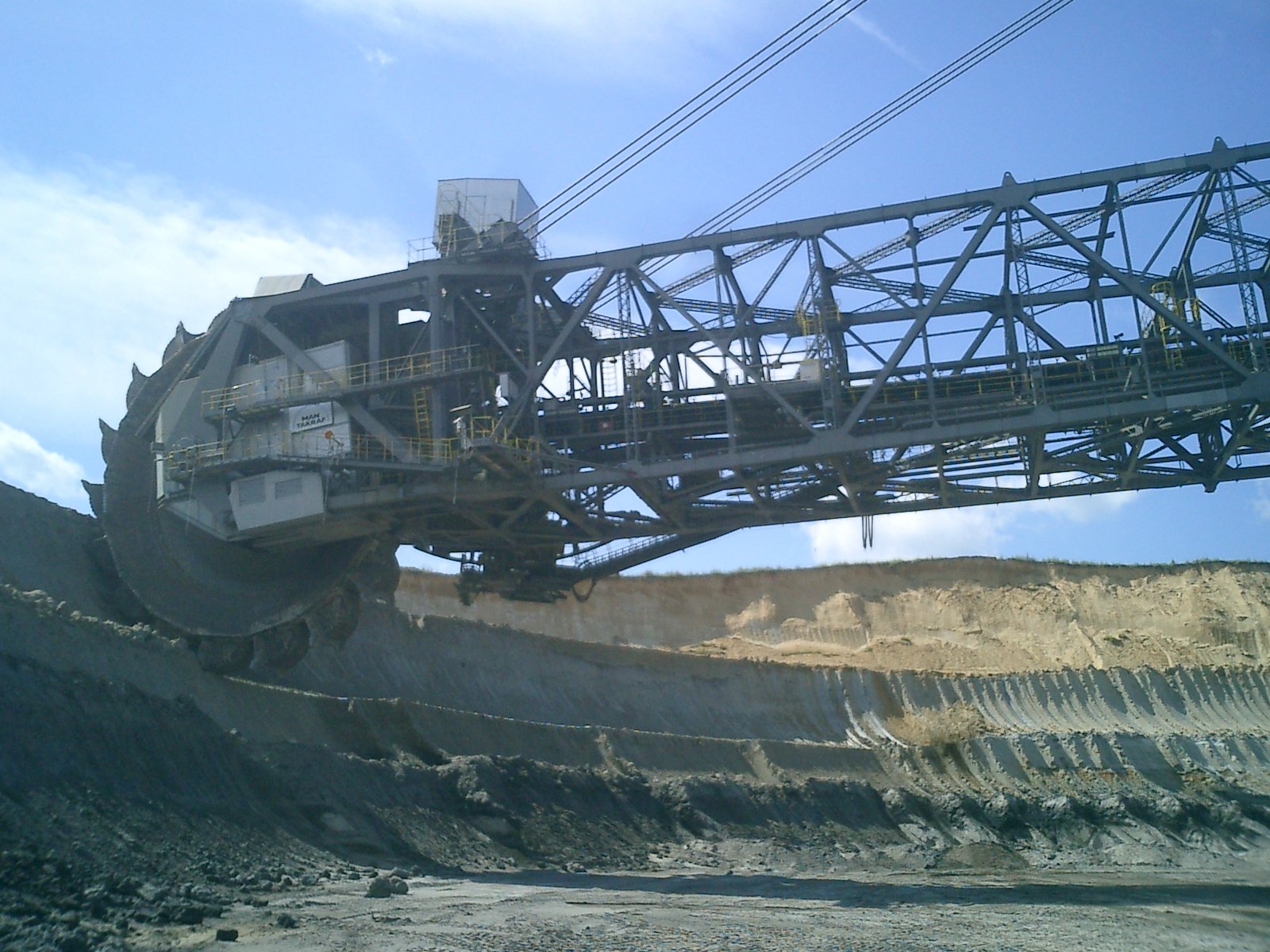
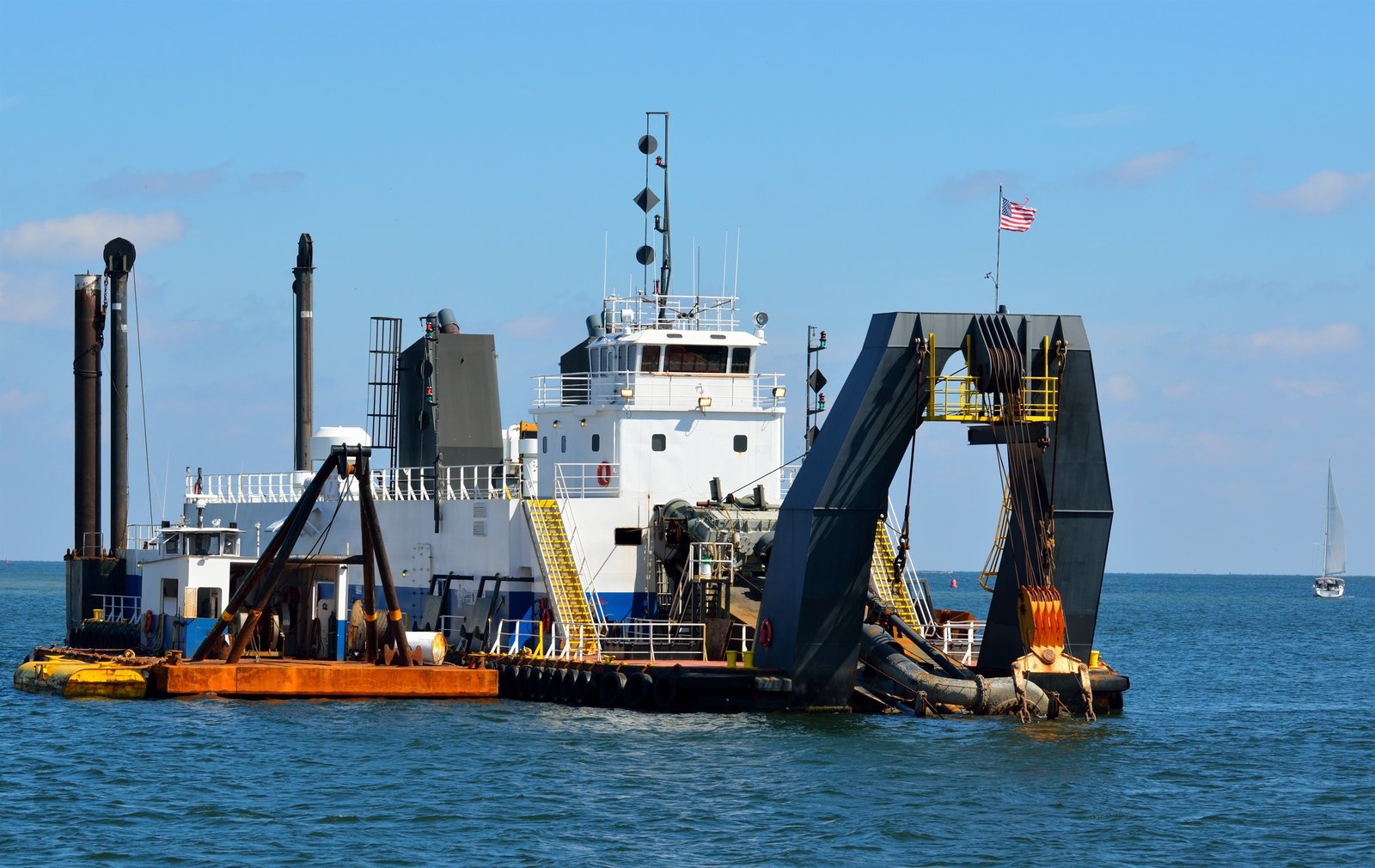
 Schneidkopf-SaugbaggerClose up of D'ArtagnanBild: © Discovery Networks