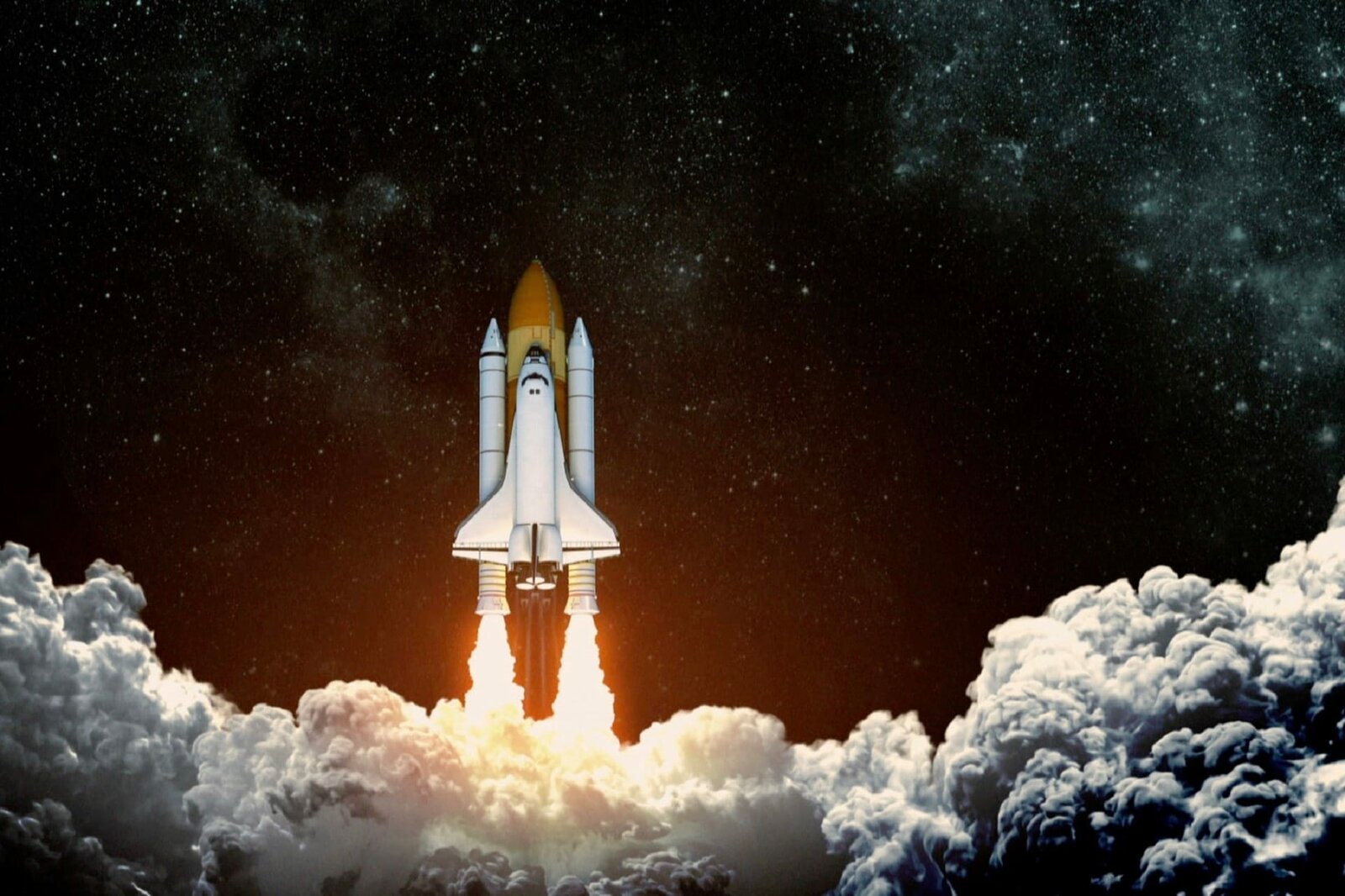
1961 gelang der Raumfahrtbehörde NASA der erste bemannte Flug mit einer Mondlandung. Die Mission trug den Namen Apollo 11. US-Präsident John F. Kennedy erreichte damit das vorgegebene nationale Ziel, noch vor Ende des Jahrzehnts einen Menschen zum Mond und wieder sicher zurück zur Erde zu bringen.
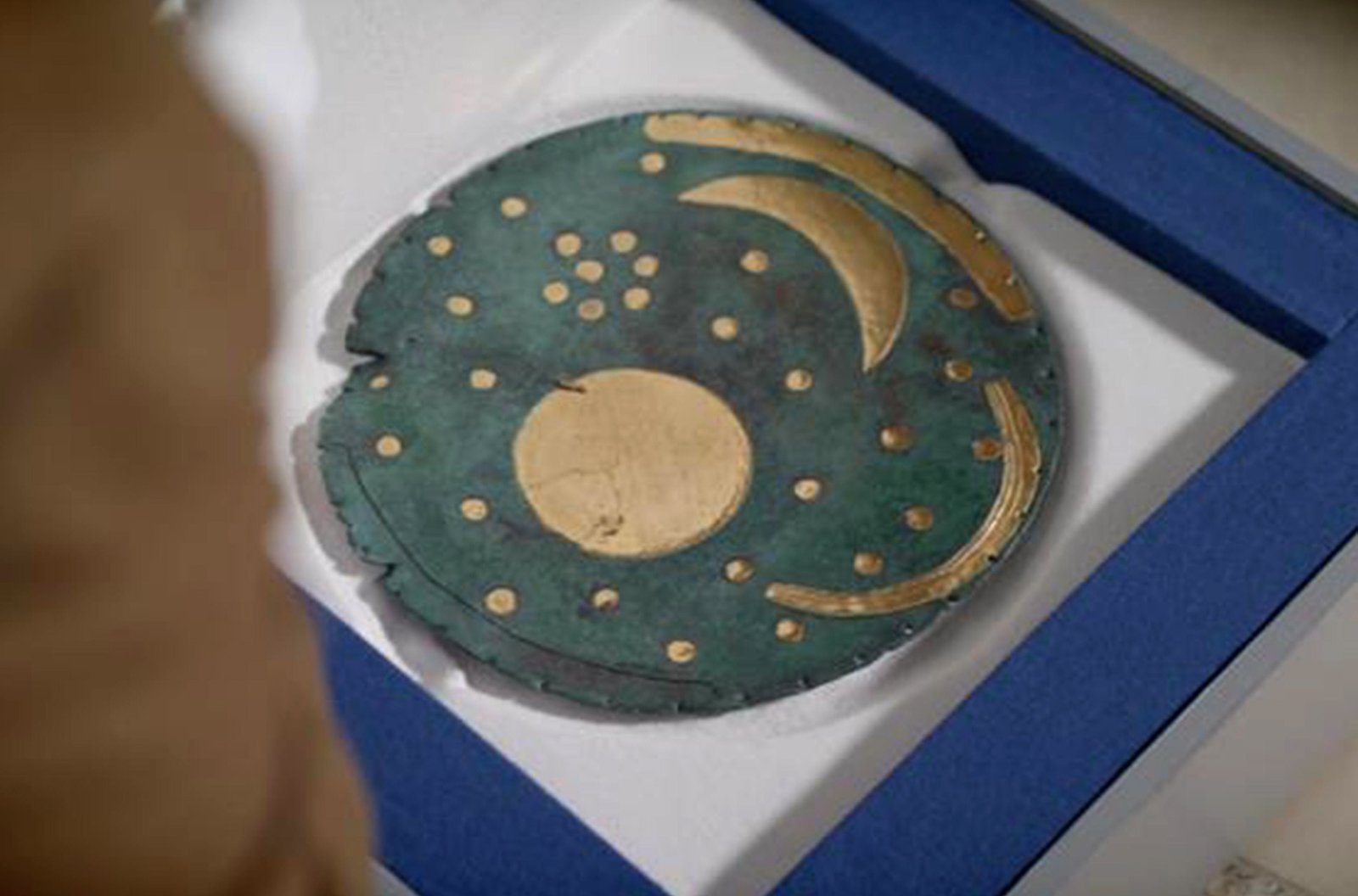
Im Landesmuseum für Vorgeschichte in Halle befindet sich eines der frühesten astronomischen Instrumente überhaupt: die Himmelscheibe von Nebra. Sie wurde 1999 entdeckt und soll während der Bronzezeit in Mitteleuropa hergestellt worden sein.
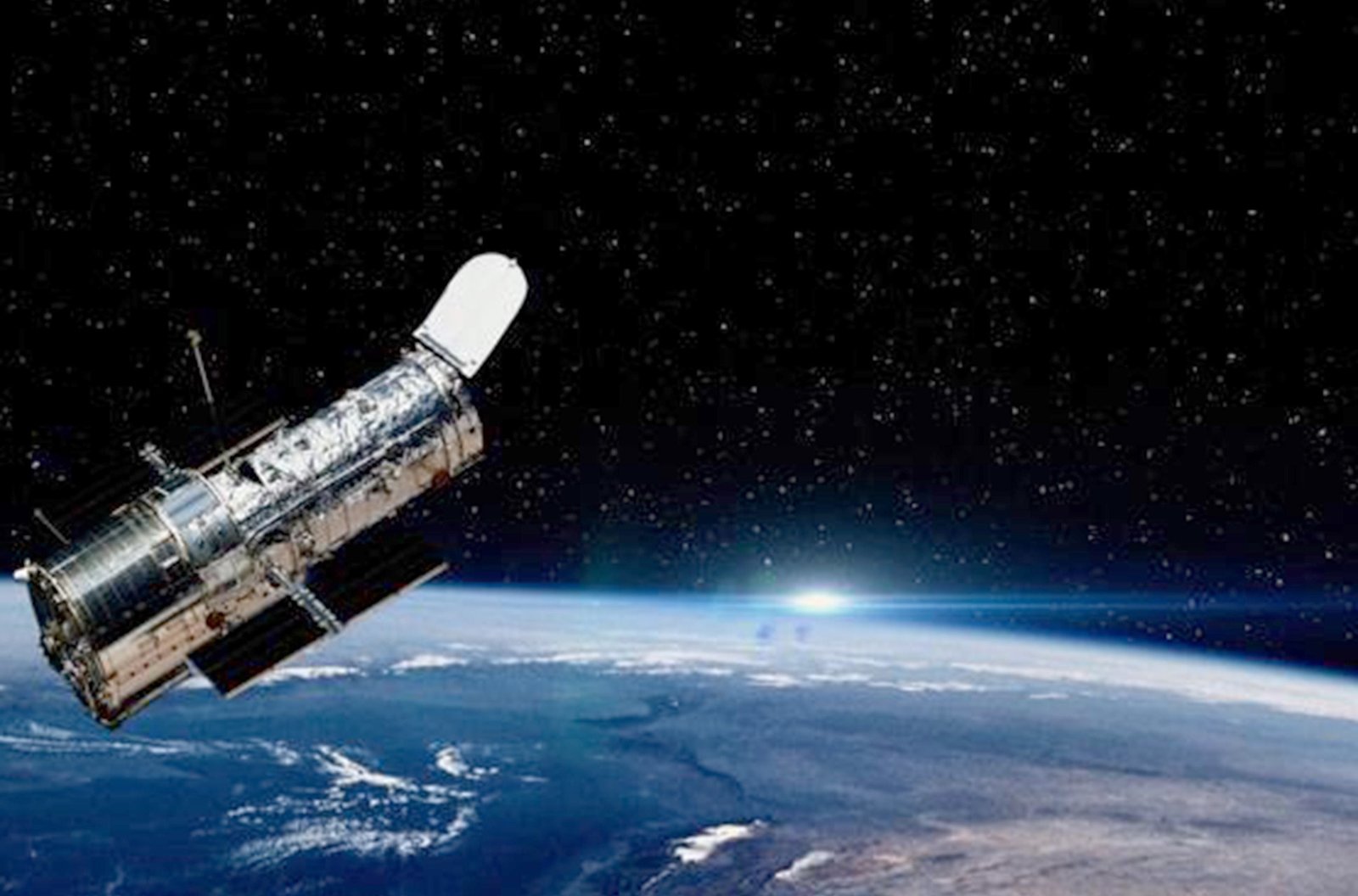
Das heute vielleicht berühmteste Weltraumteleskop trägt Edwin Hubbles Namen. Von ihm stammt 2012 eines der berühmtesten Bilder der modernen Astronomie: das „Hubble Extreme Deep Field Image”. Es offenbarte zum ersten Mal das wahre Ausmaß unseres Universums.
The human body thrives on the welcome confines of Earth?but in space, survival becomes a tense, daily challenge. Micro-gravity's effects on daily human activity, from eating to sleep to sex, are just beginning to be understood. But these are only the start of our problems - we'll also explore how the vacuum of space and it's near-zero pressure can kill us within minutes, if not seconds. And the ultimate space executioner may be the ever-present dangers of solar radiation. How will we overcome the odds and survive space

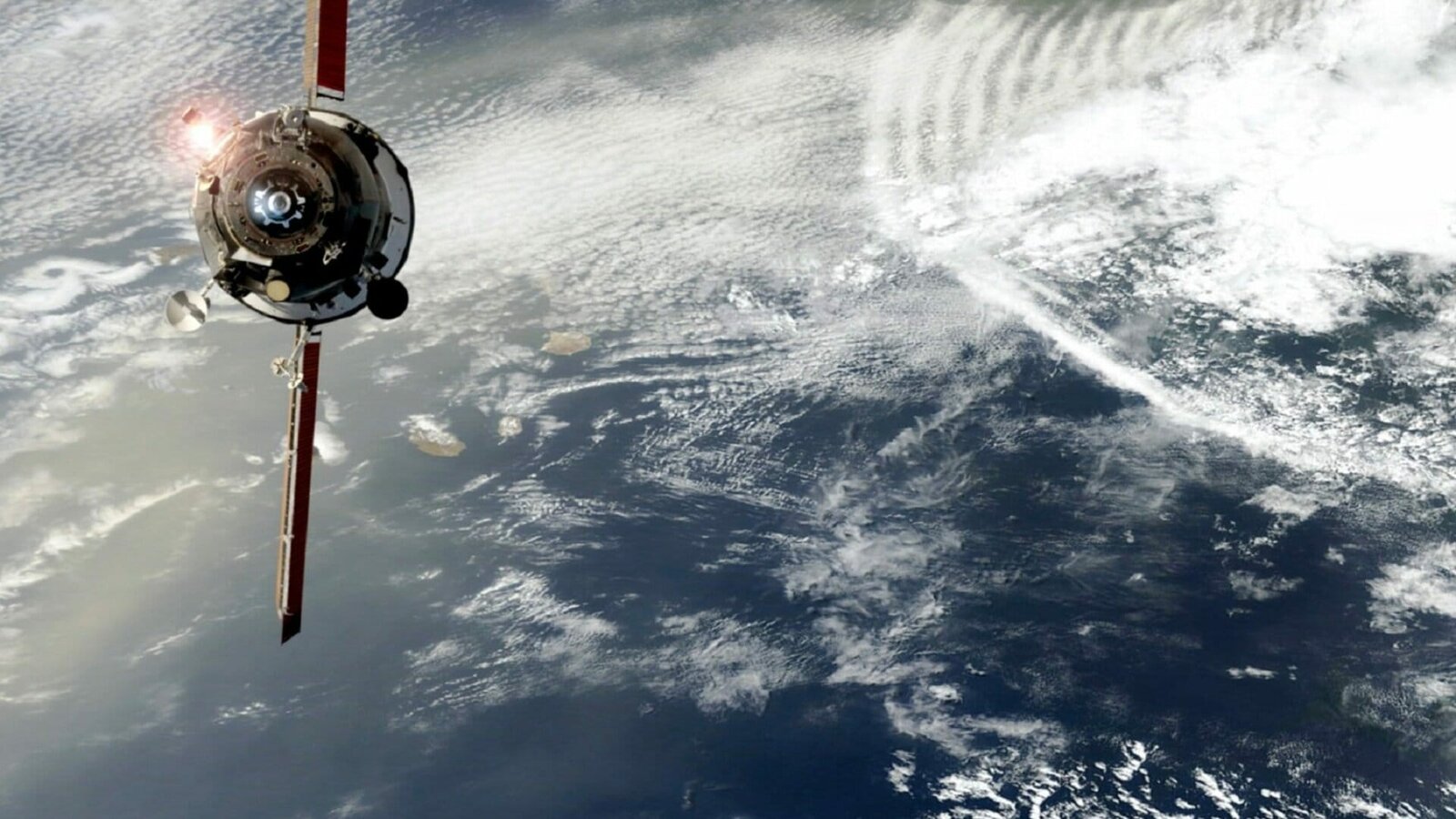
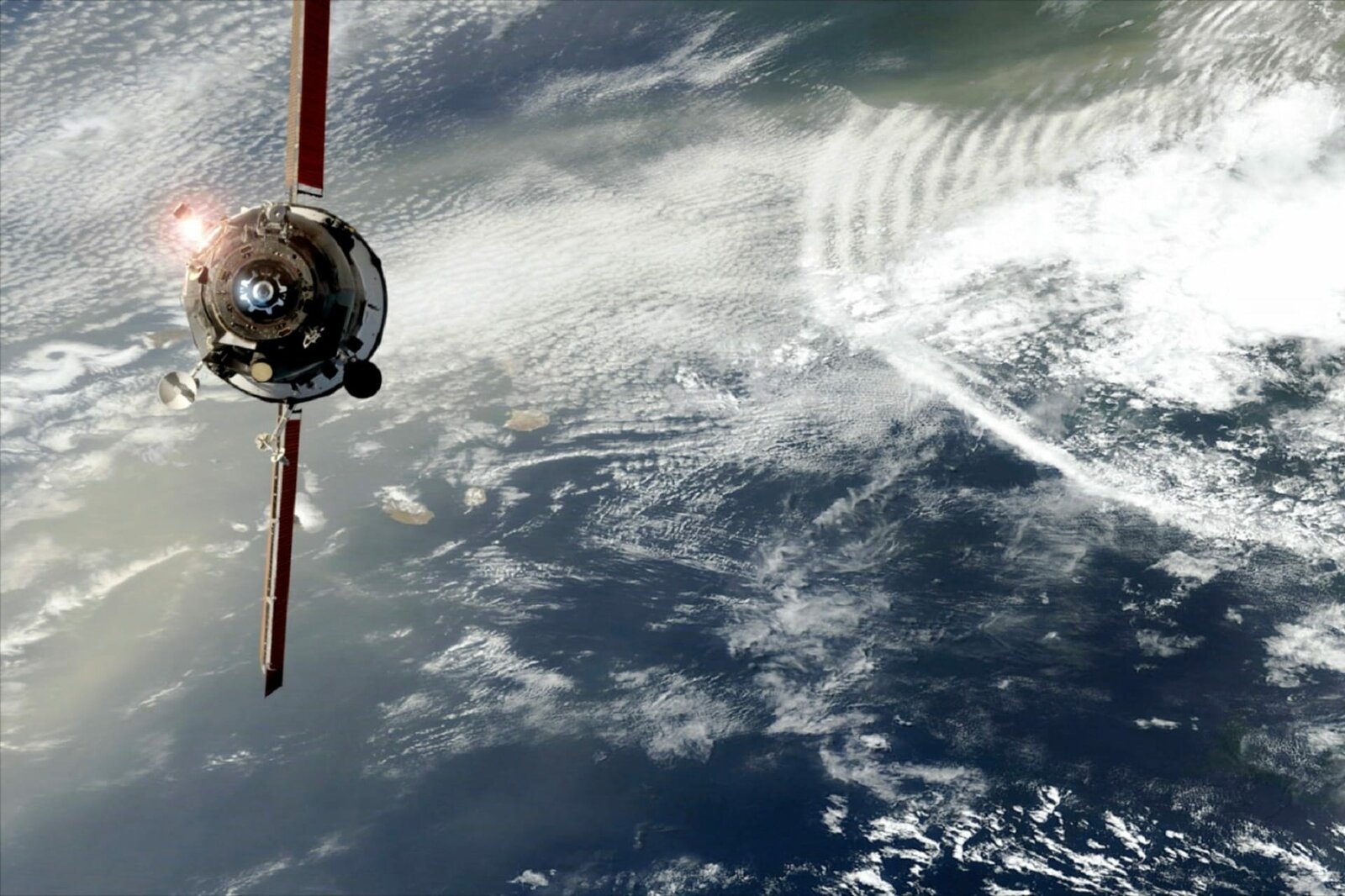
 Das ZentrumJedes Jahr schießen wir Hunderte von Satelliten in den Weltraum. Sie umkreisen unsere Erde mit über 28 000 Kilometern pro Stunde.Bild: © ZDF und Raid Production./Raid Production
 "Tatort"-Schauspieler Andreas Hoppe mit 66 Jahren gestorben