Technik im All
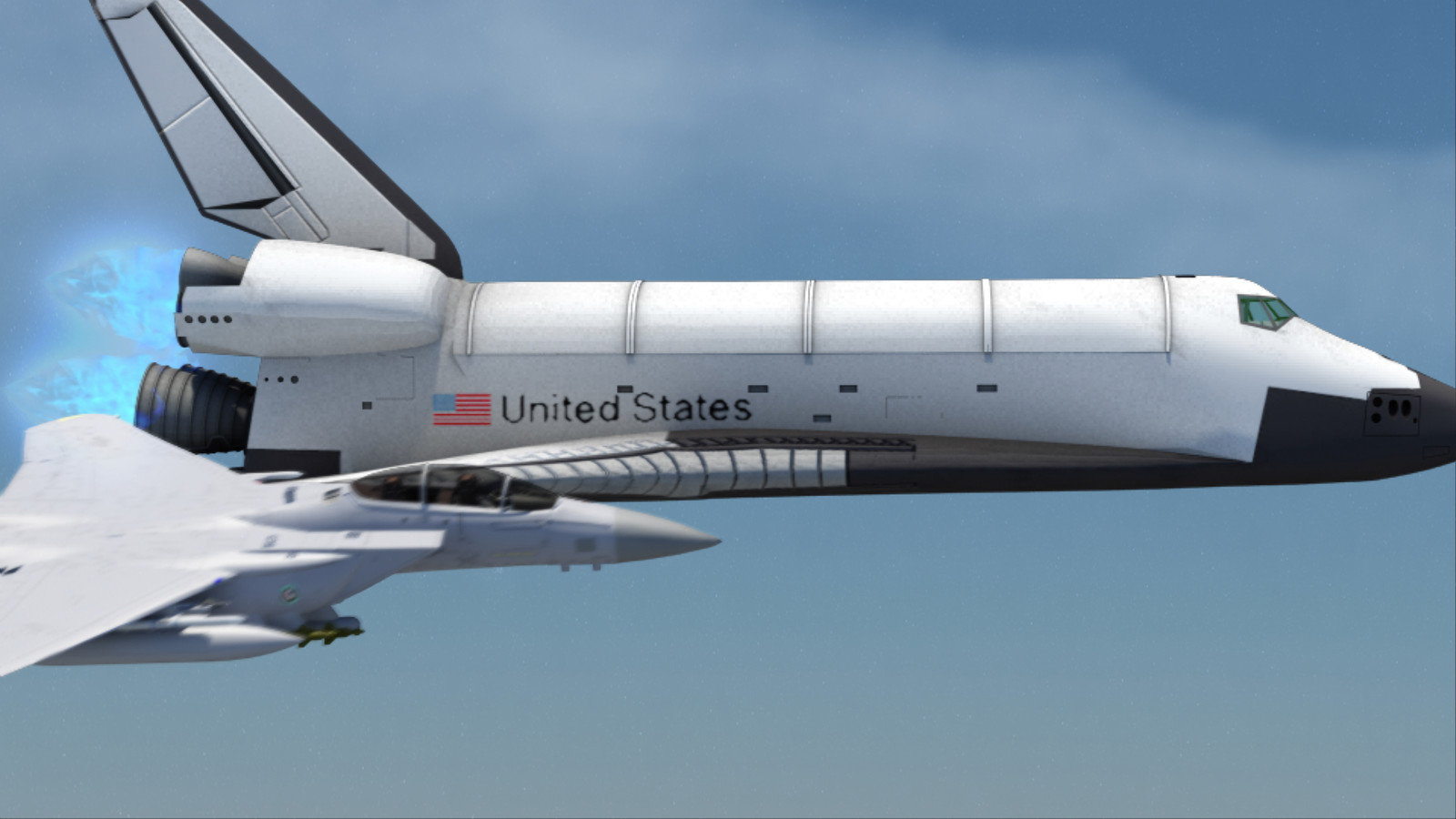
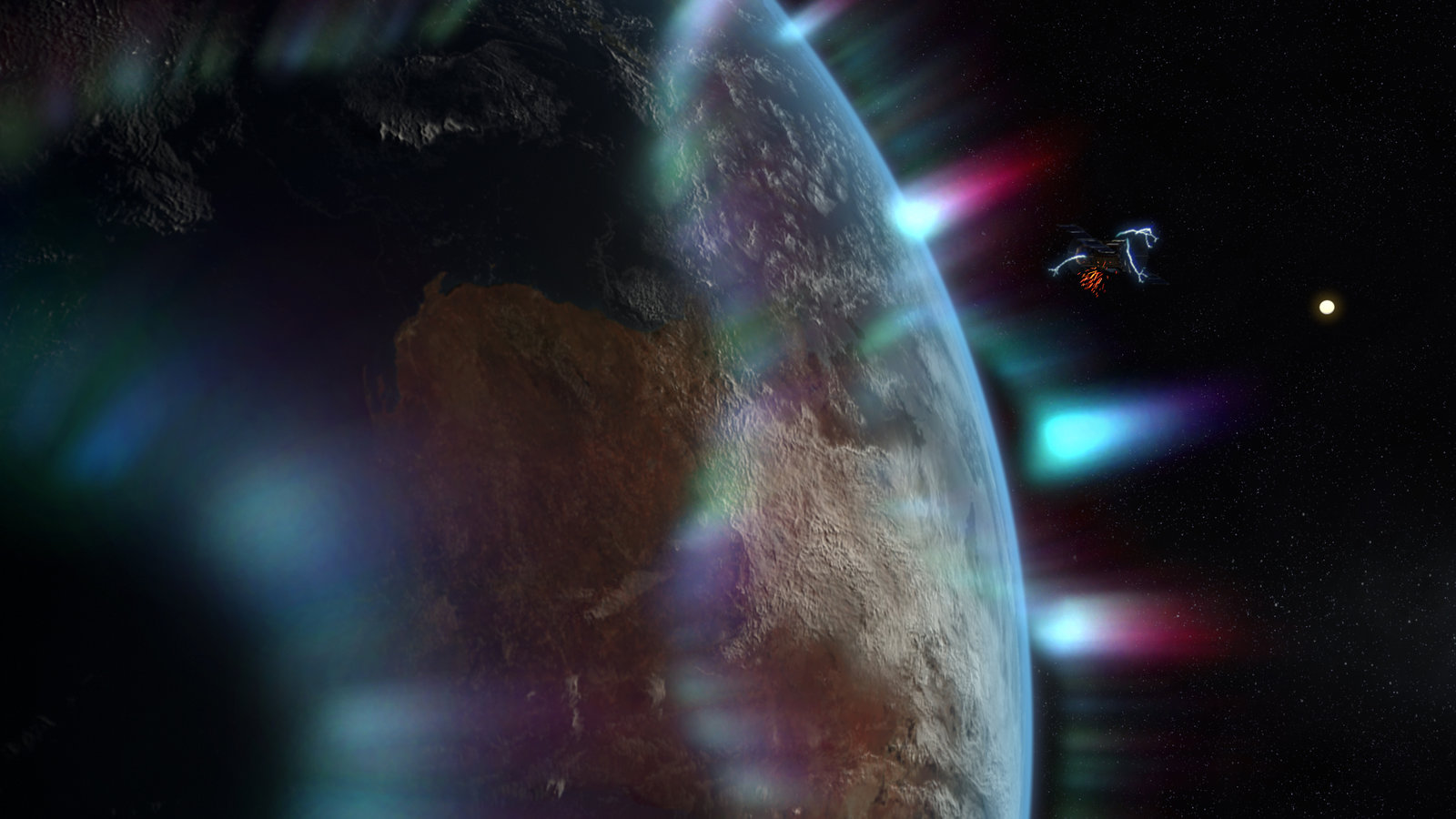
A space shuttle can circle the Earth at about 17,000 miles an hour.(Photo Credit © BASE PRODUCTIONS) CGI STILL
Bild: © BASE PRODUCTIONS
Stargates
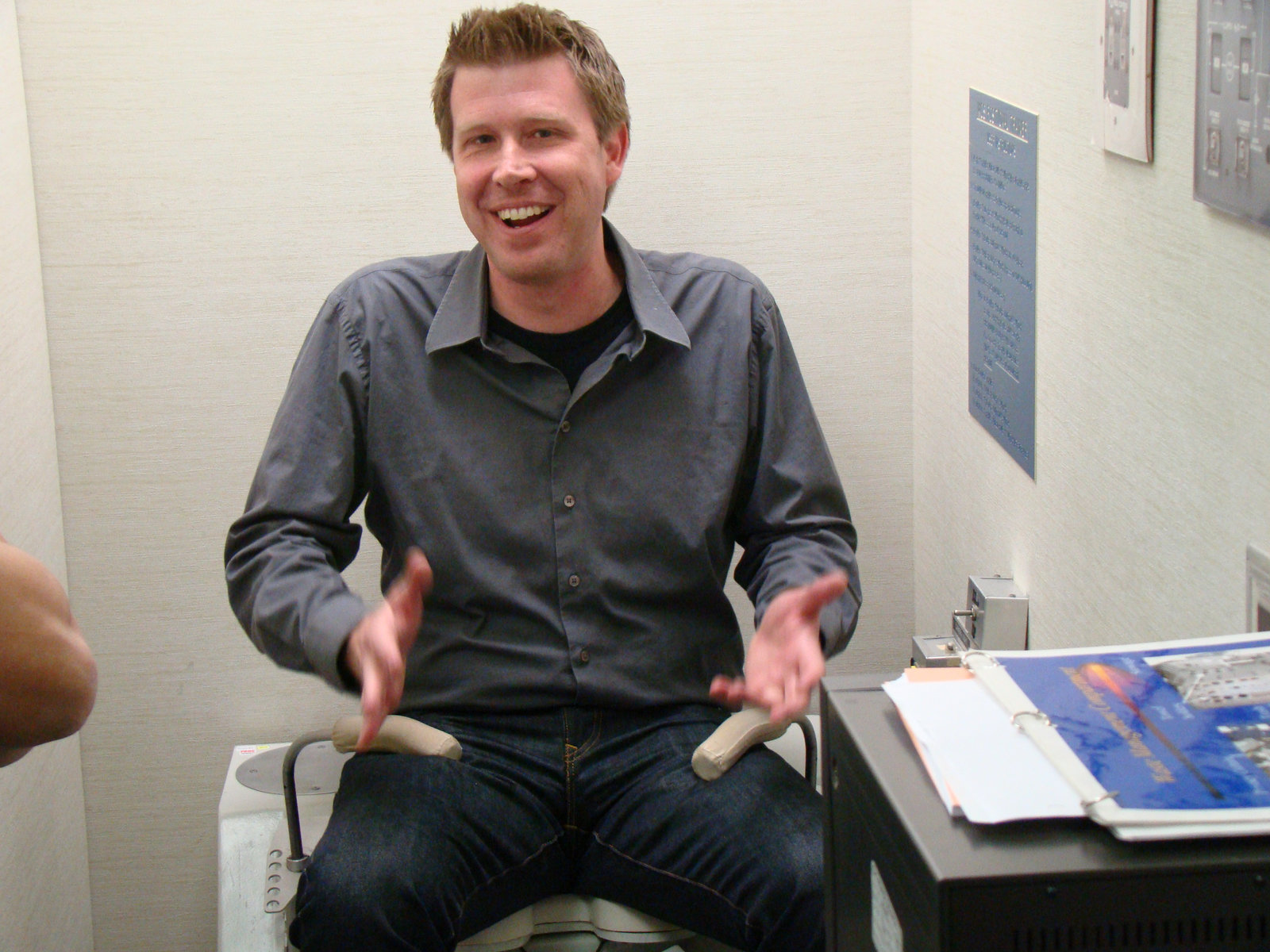
Houston, TX, USA: Andy Howell demonstrates how astronauts practice using the toilet in space.
Bild: © National Geographic Channels / W. Scott Goldie
Die großen Rätsel des Alls
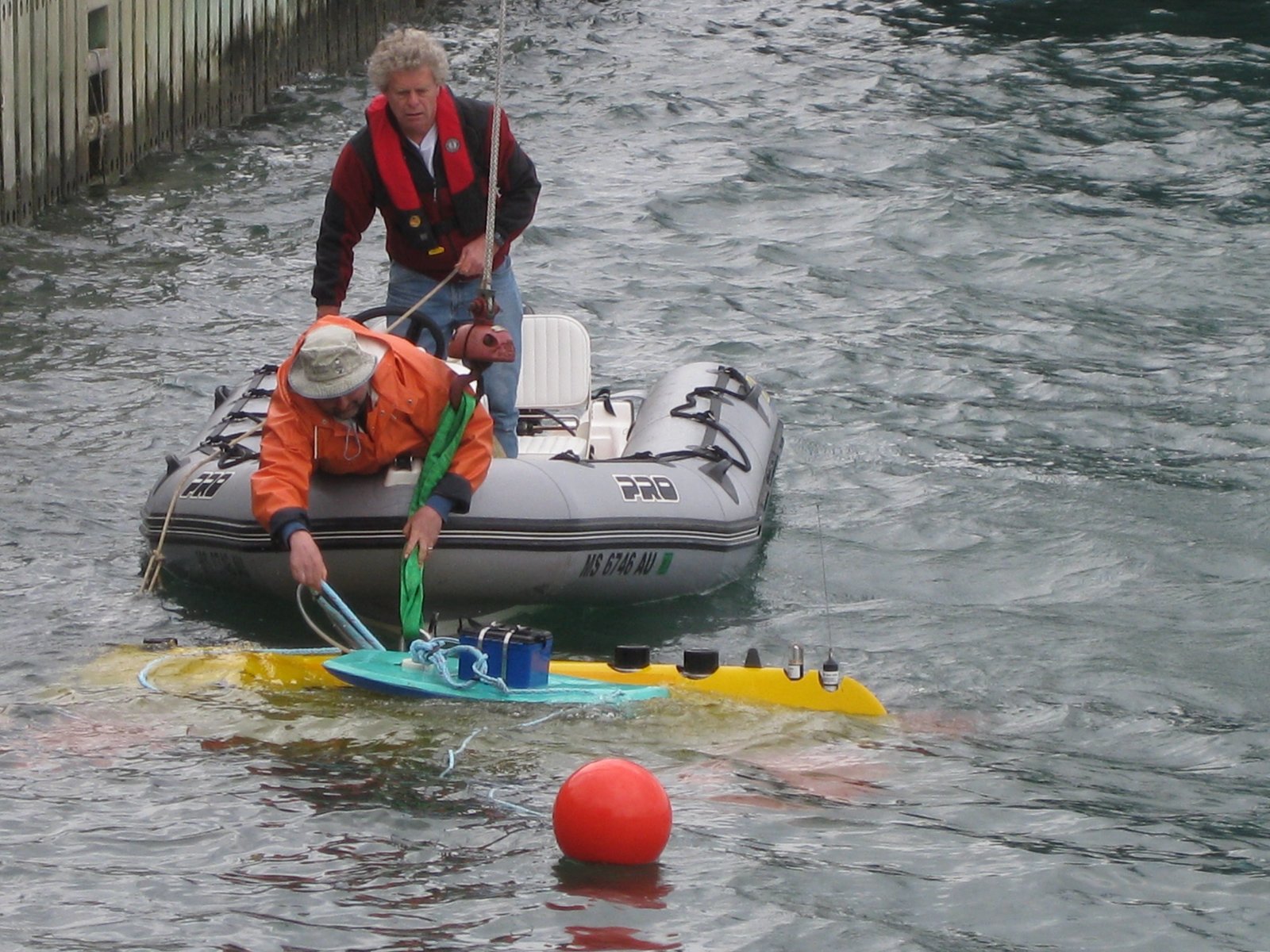
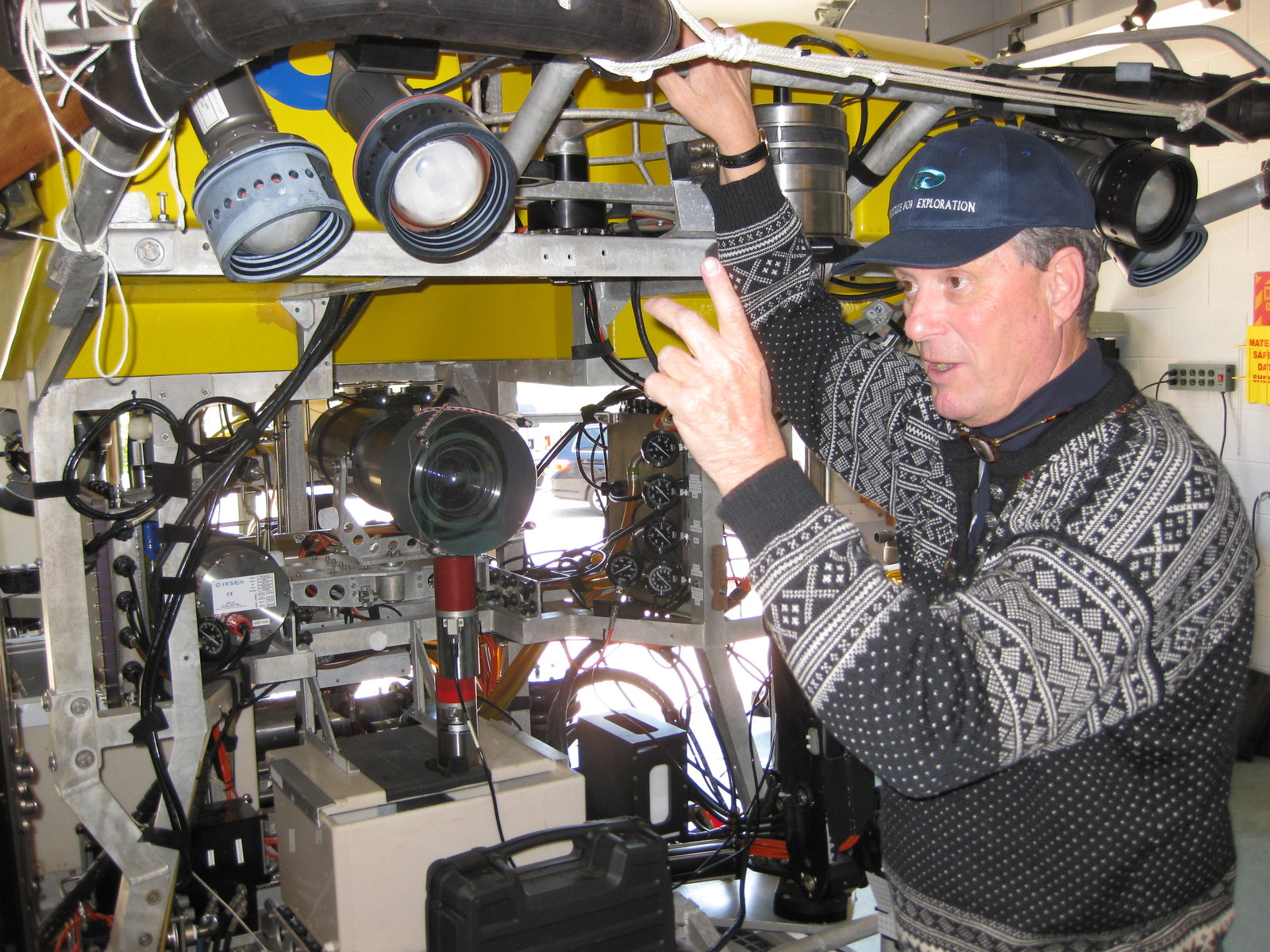
Sentry AUV (Autonomous Underwater Vehicle ABE) is a robotic underwater vehicle used for exploring the ocean to depths of 4,500 meters (14,764 feet).
Bild: © BASE Productions / National Geographic Channels
Tornados im Weltall
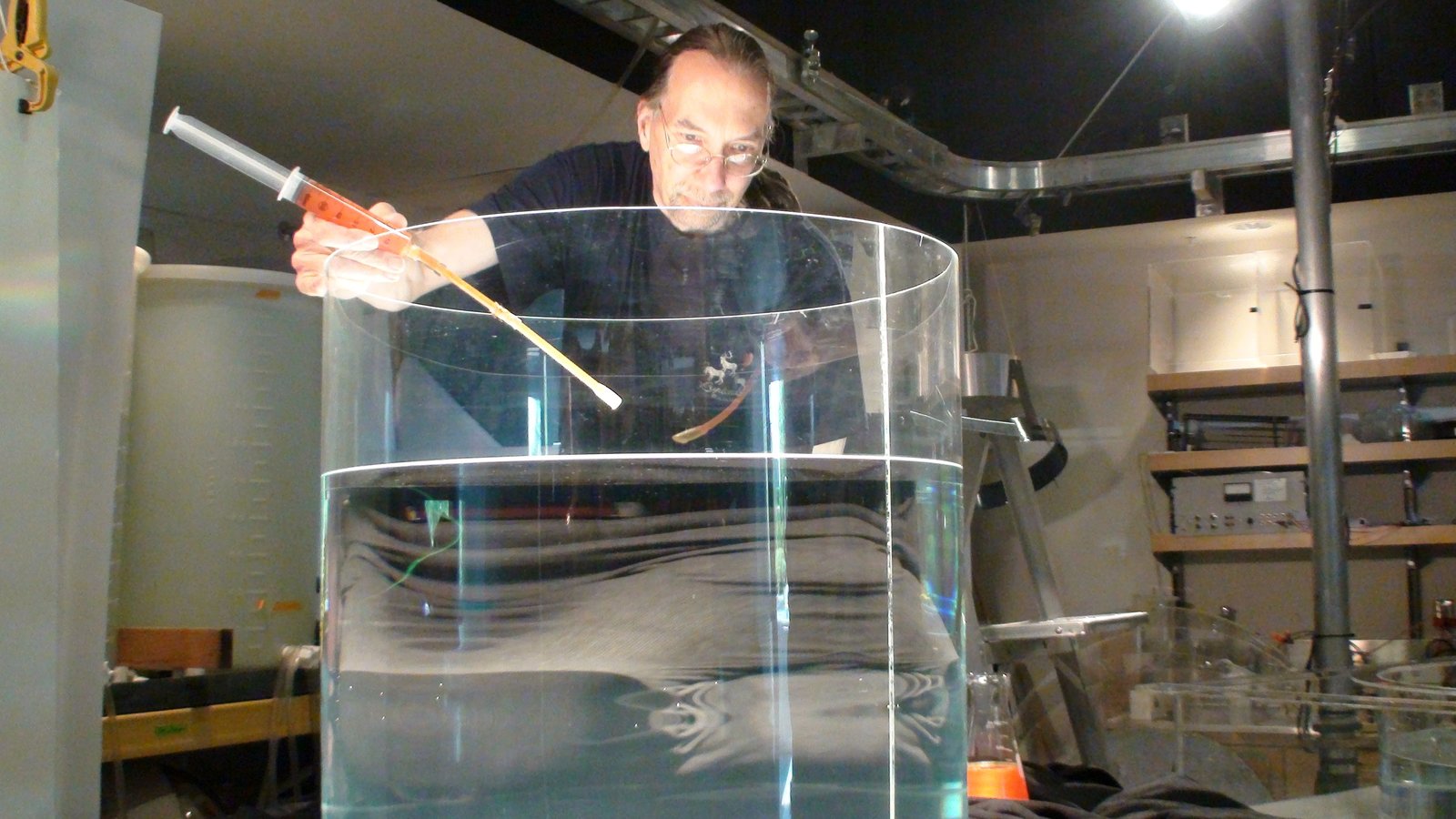
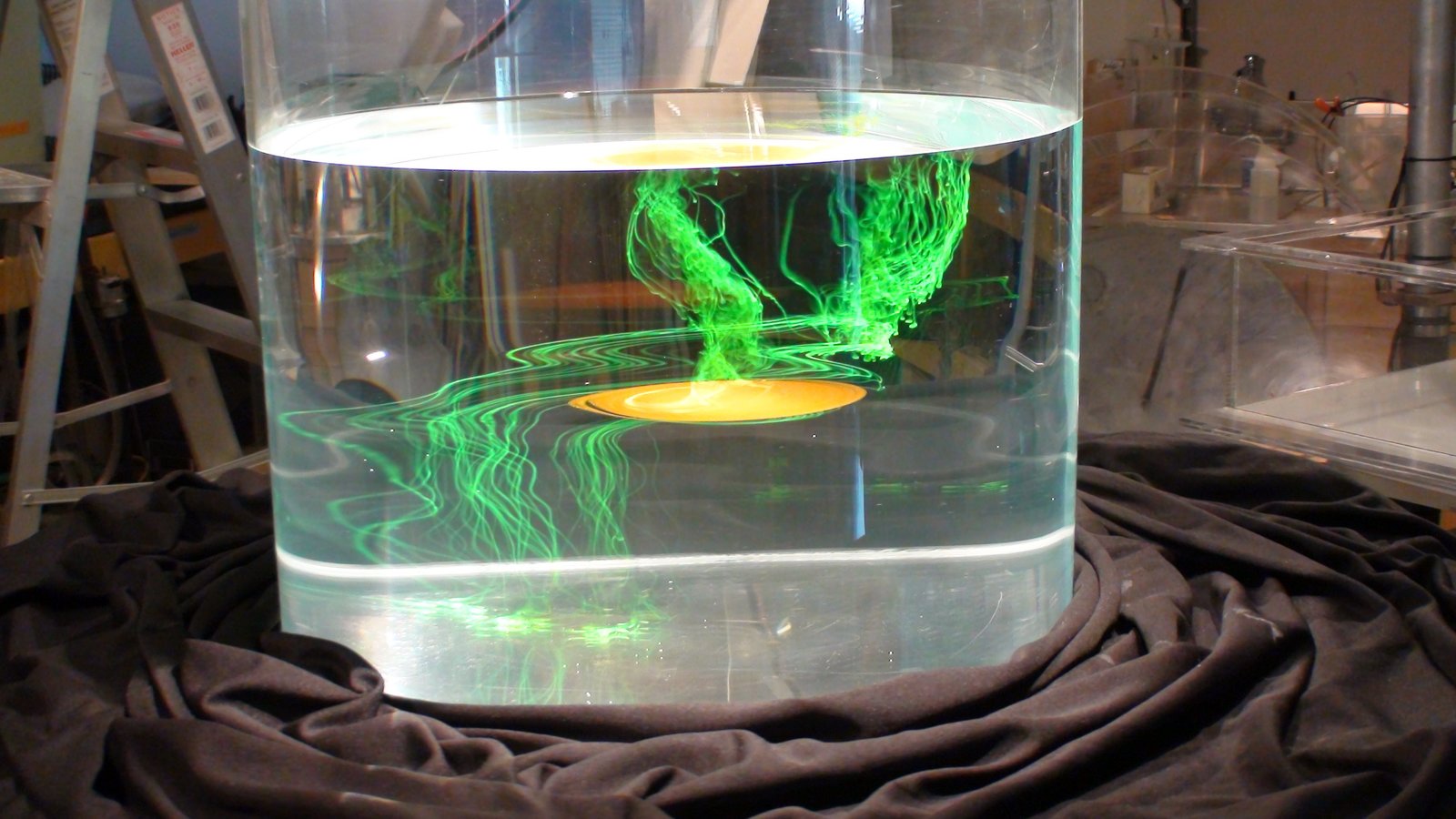
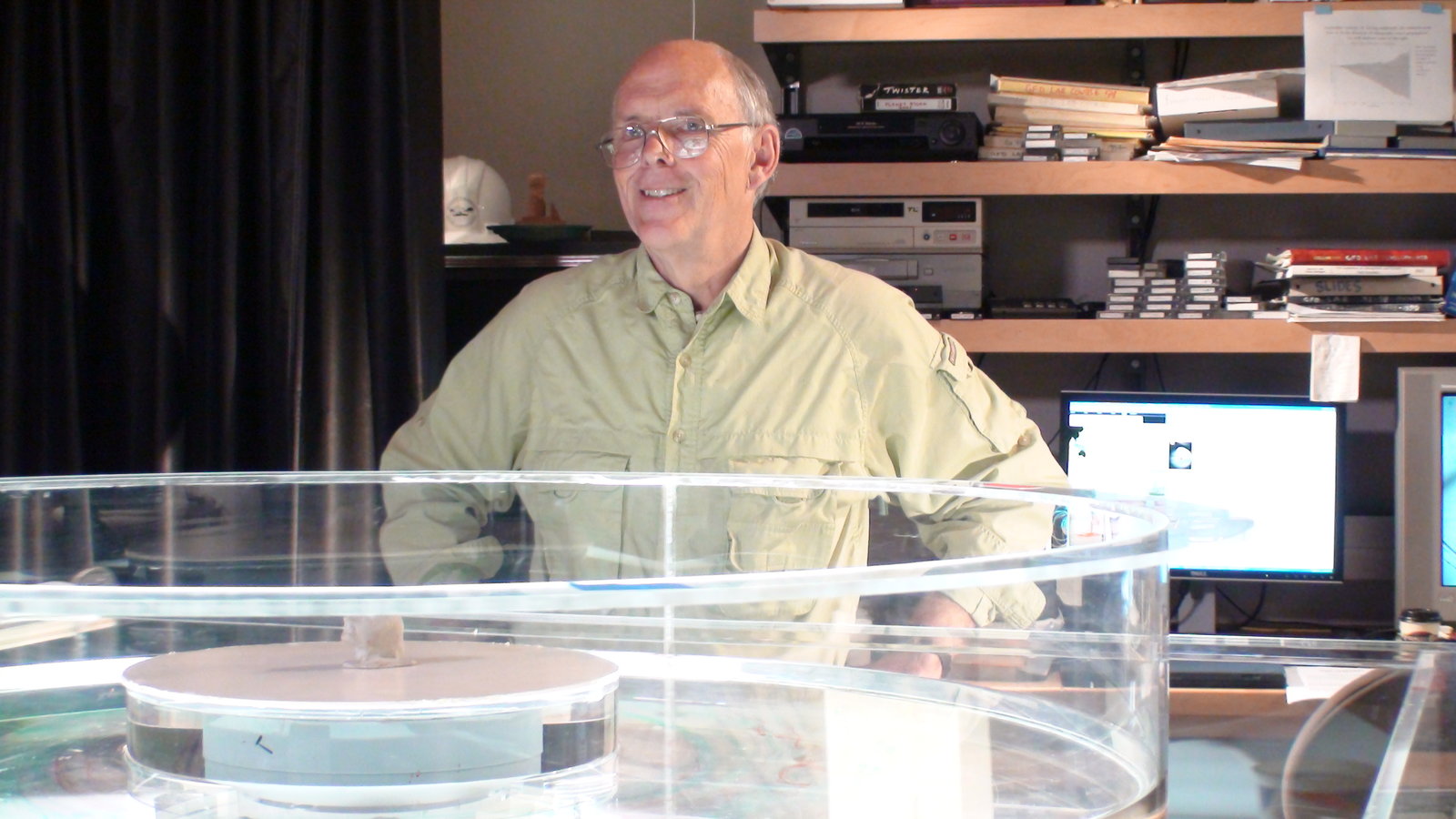
Eric Lindahl over a tornado tank in Seattle, Washington.
Bild: © BASE Productions
Tornados im Weltall
Seattle, WA: A tornado tank used to study the storms.
Bild: © BASE Productions
Urgewalten der Erde
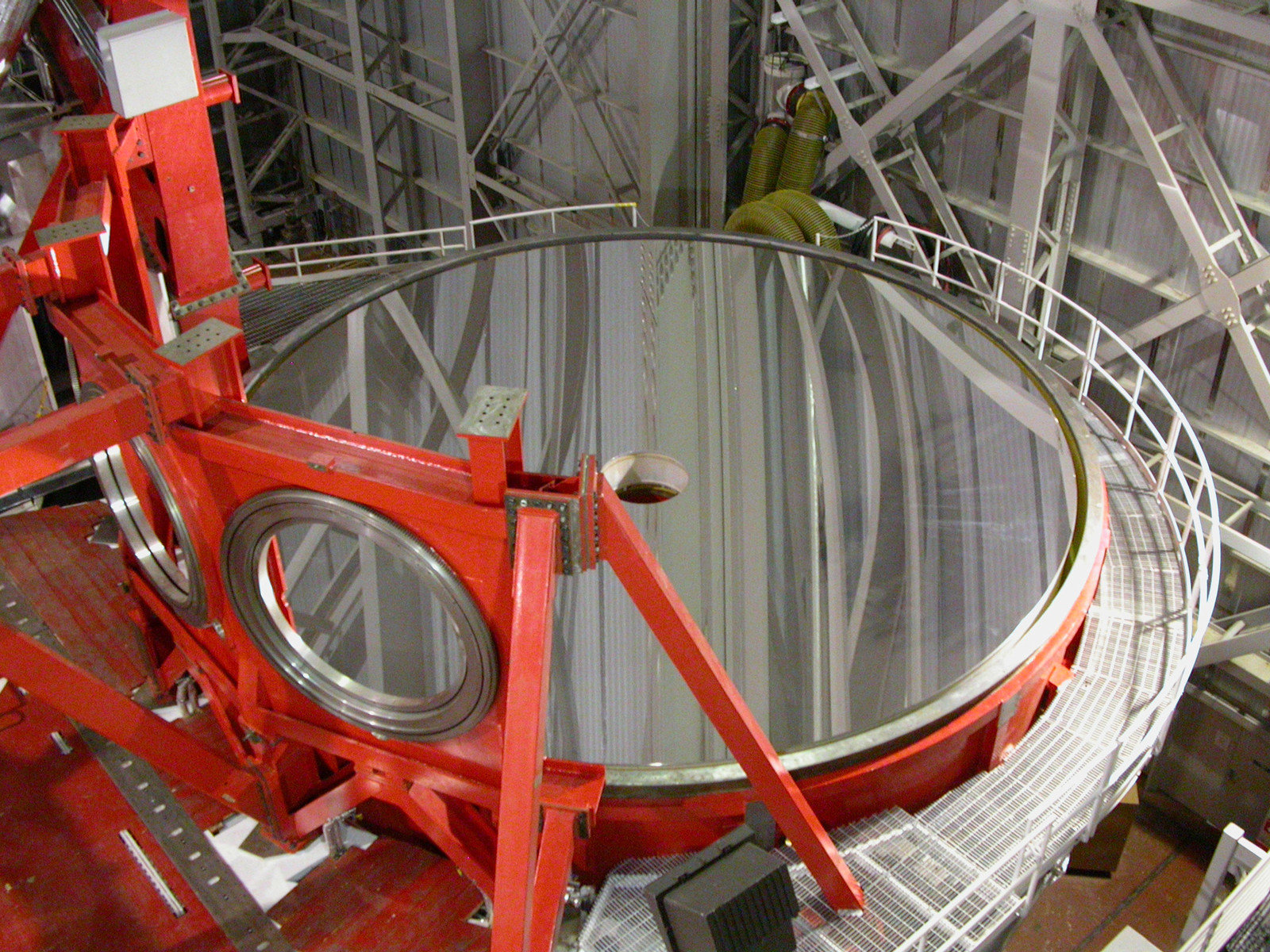
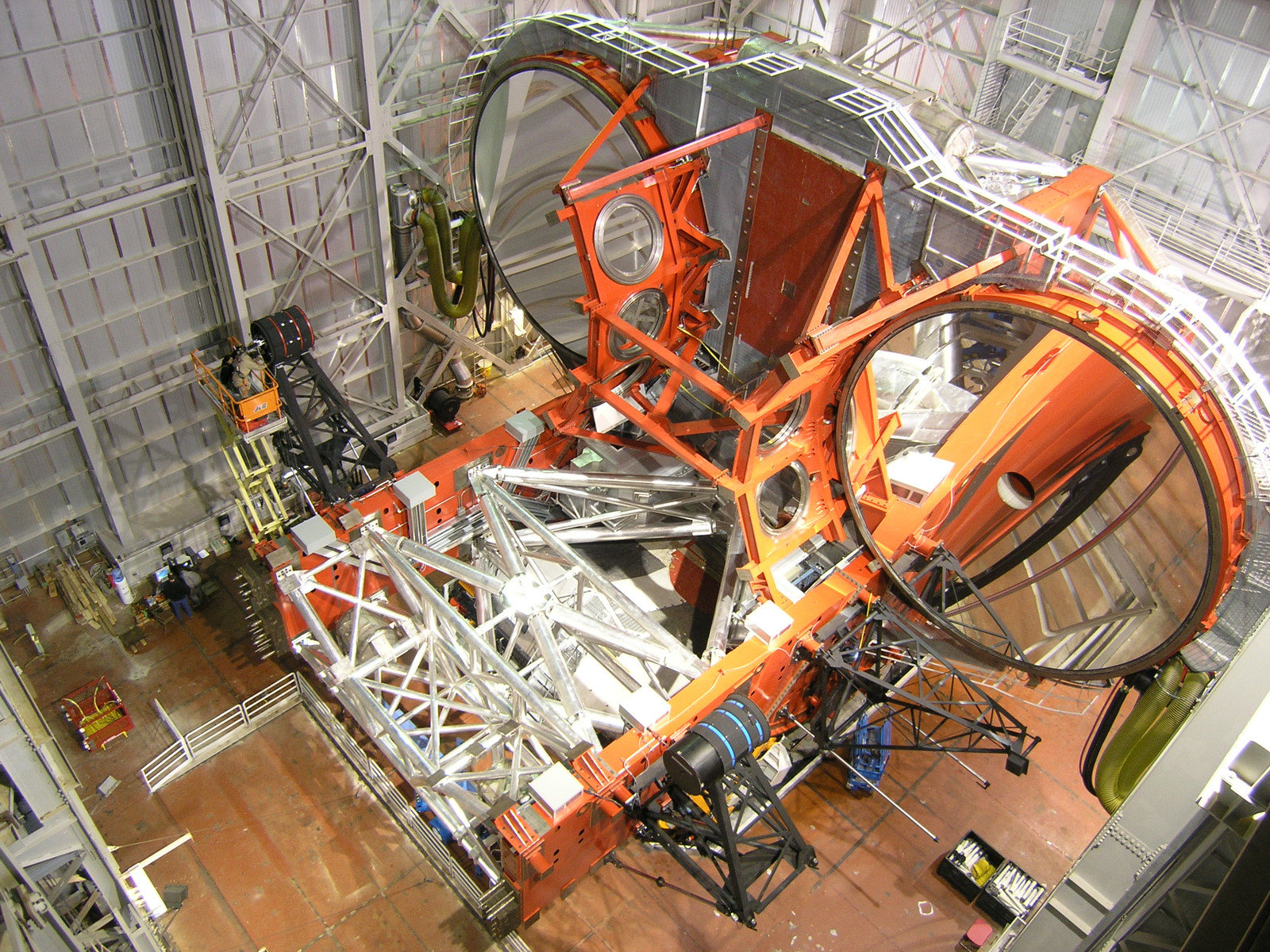
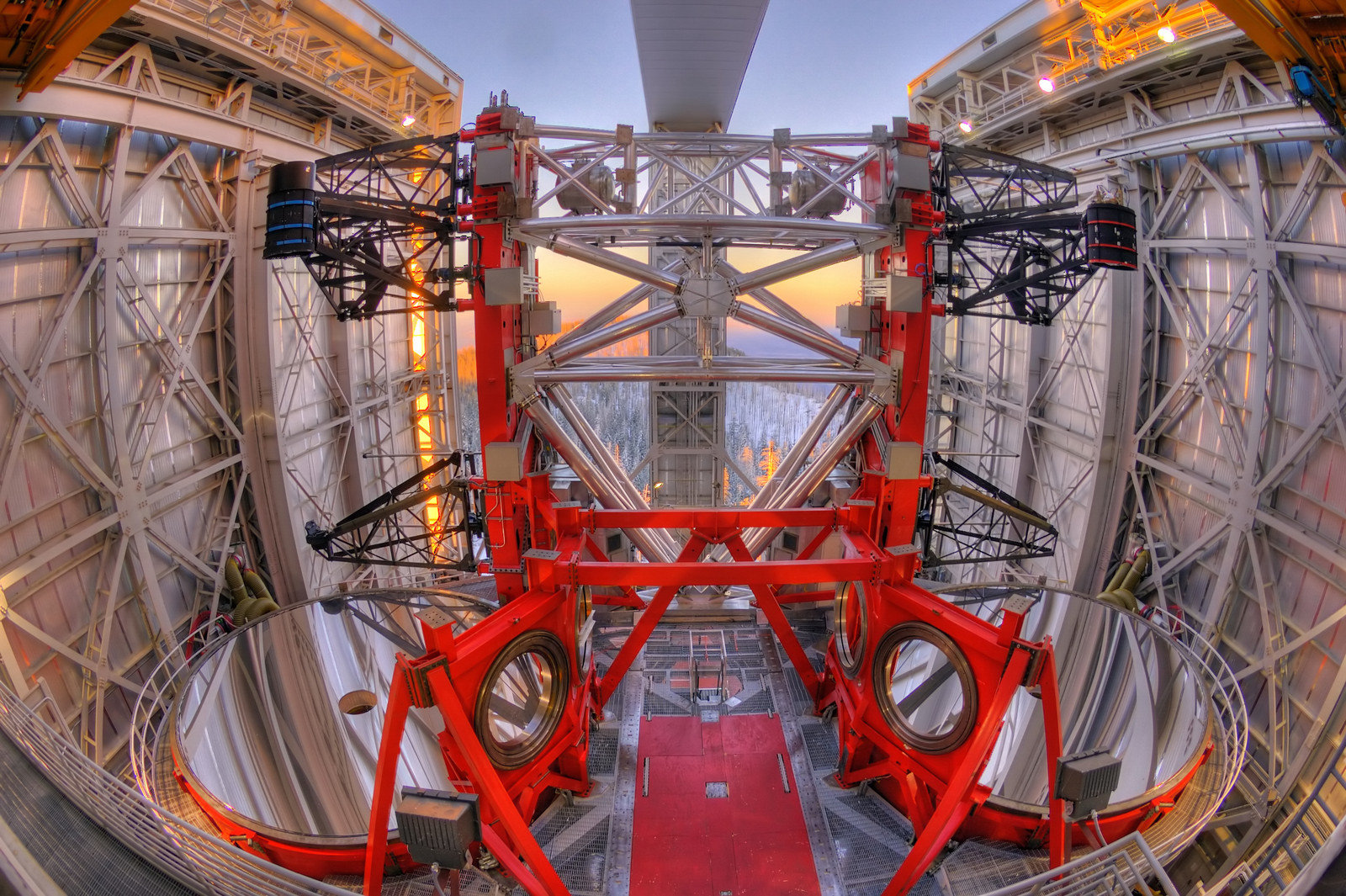
. Telescope_06.jpg
Bild: © John Hill & LBT
Sind wir allein im All?
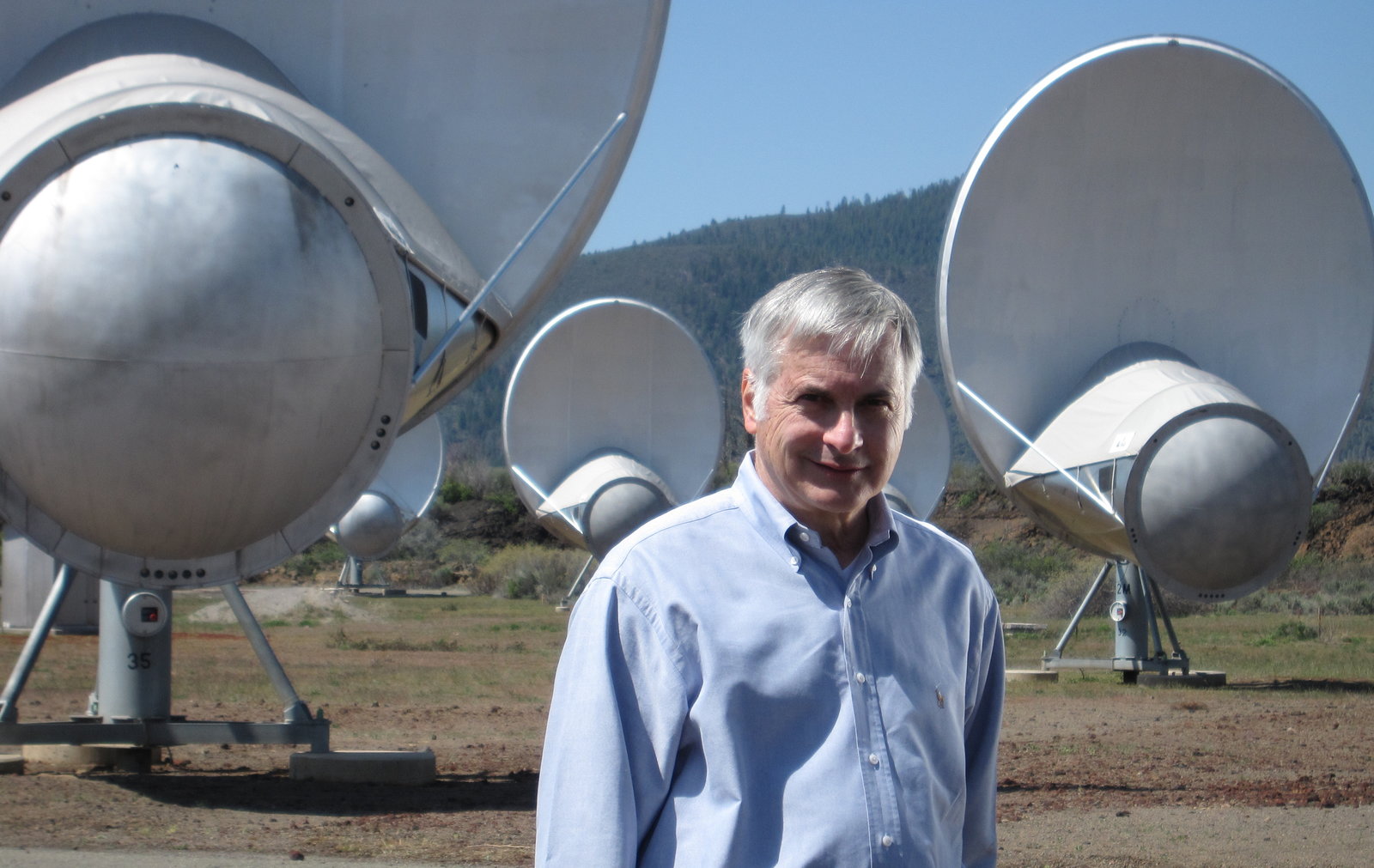
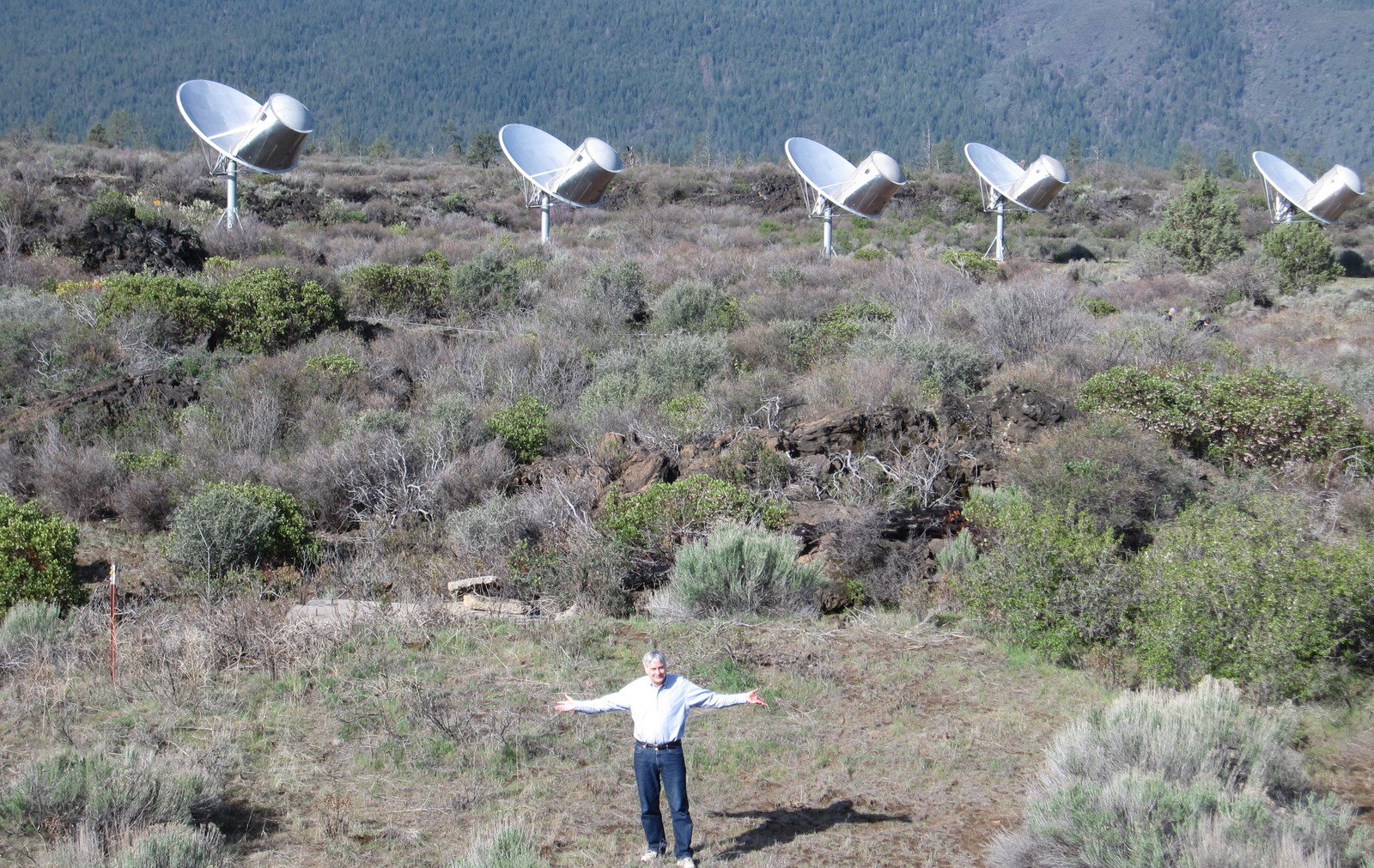
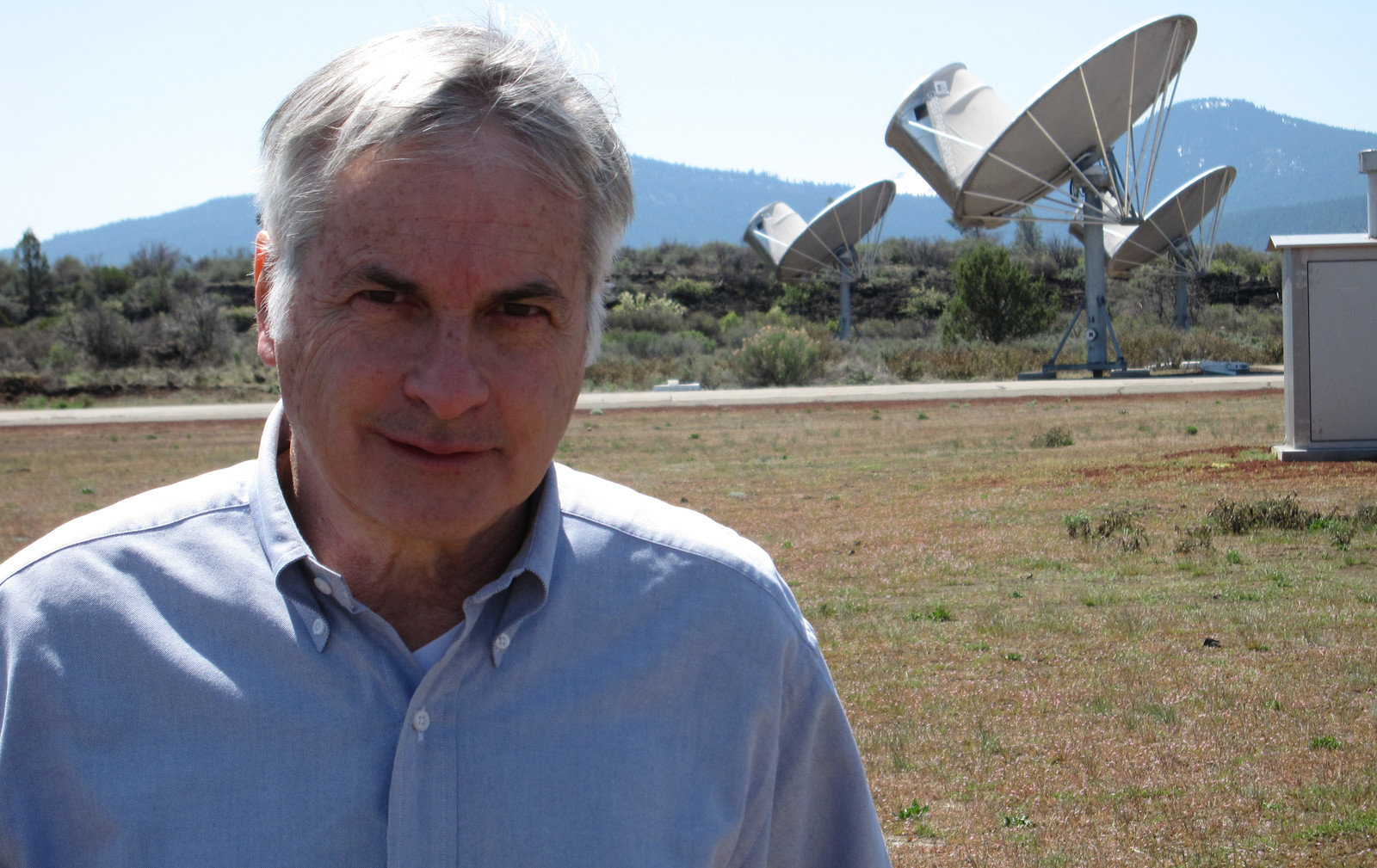
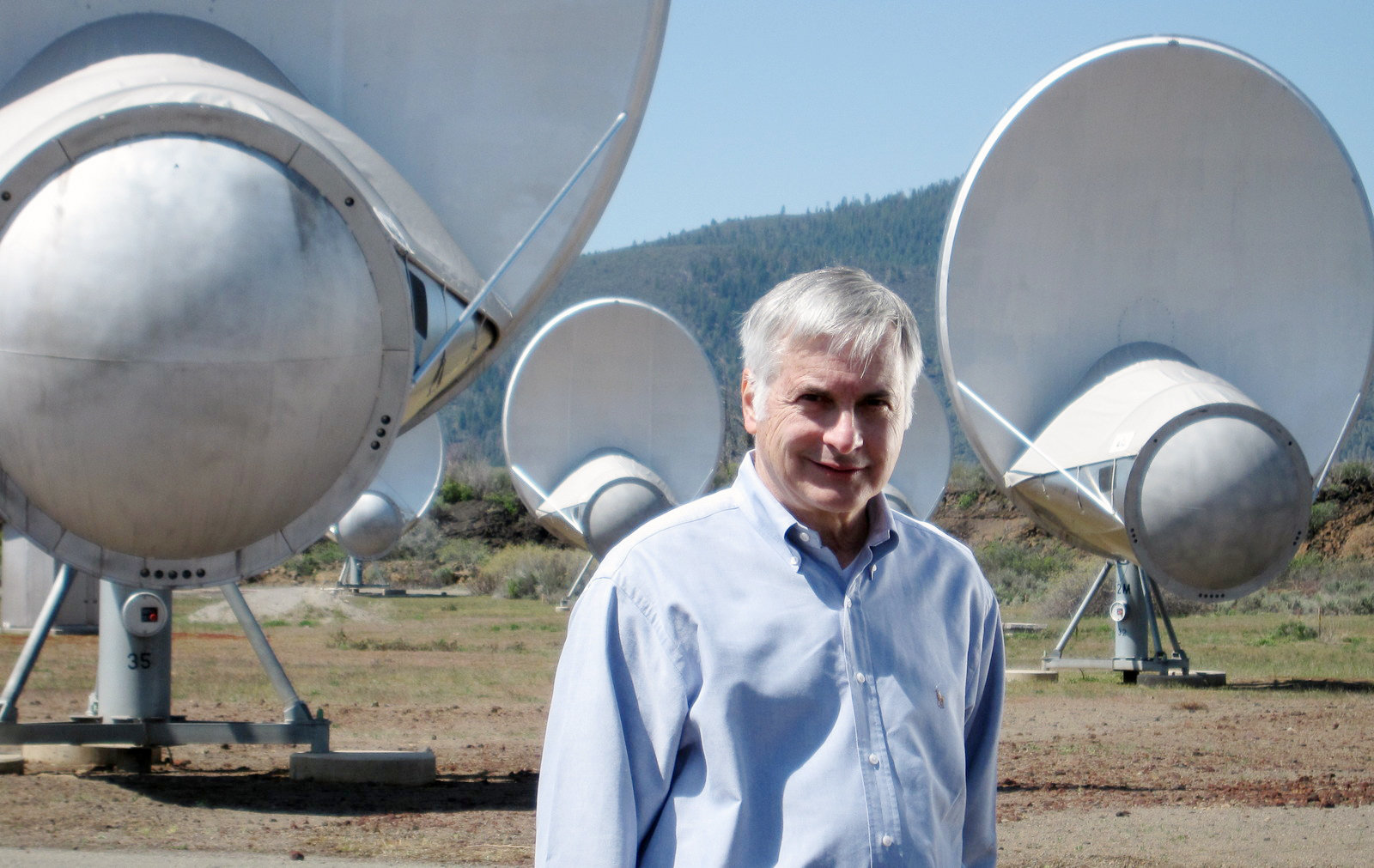
Seth Shostak at The Allen Telescope Array (ATA), located at the Hat Creek Radio Observatory, 290 miles northeast of San Francisco, California.
Bild: © FOX / (c) BASE Productions
Neue Heimat Weltall
Bild: © NGD / National Geographic
Urgewalten der Erde
OLYMPUS DIGITAL CAMERA . Telescope_05.jpg
Bild: © Ray Bertram & LBT
Sind wir allein im All?
Seth Shostak at The Allen Telescope Array (ATA), located at the Hat Creek Radio Observatory, 290 miles northeast of San Francisco, California. (Photo credit: (c) BASE Productions)
Bild: © BASE Productions
Technik im All
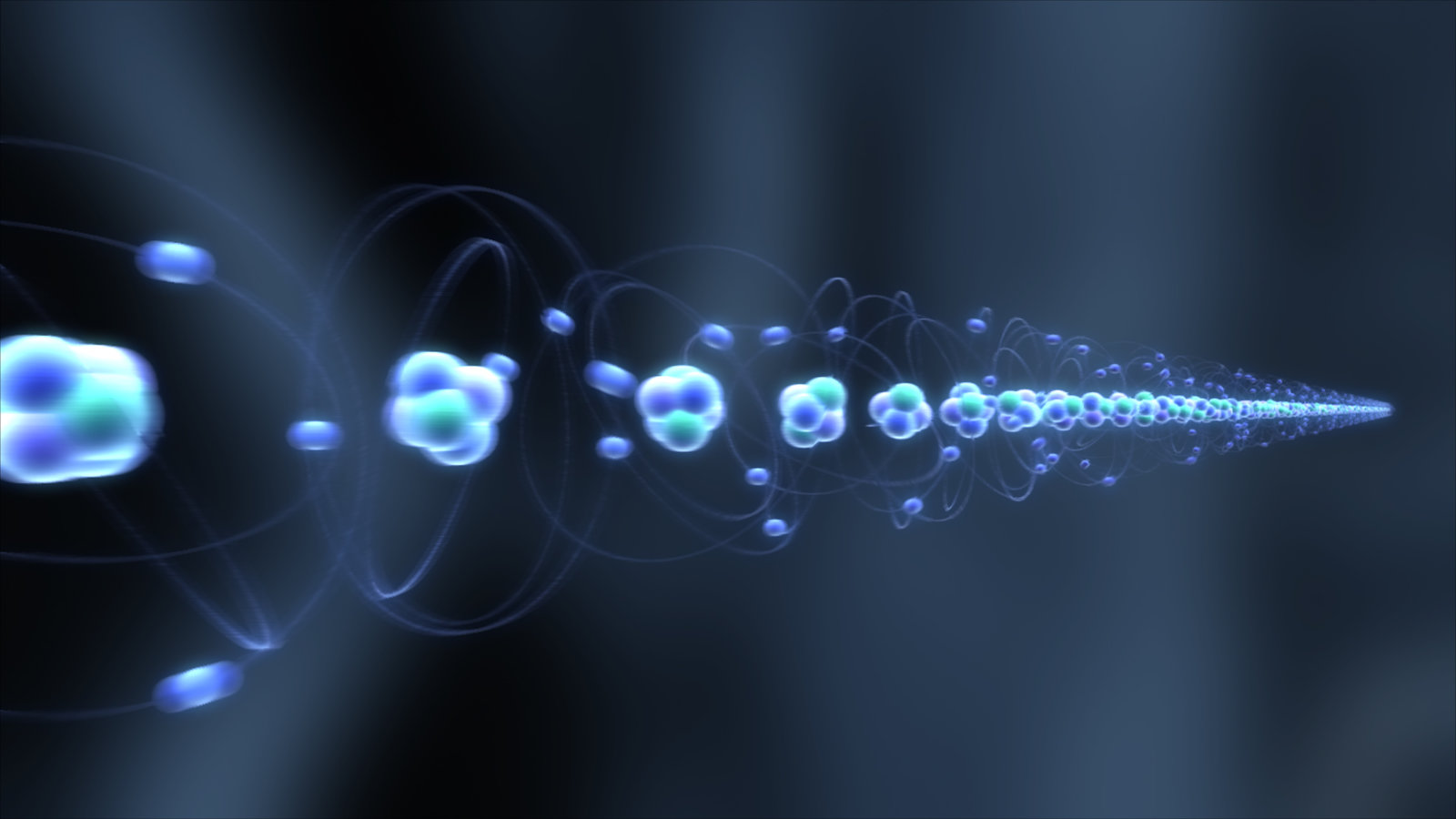
Atoms in a strand of hair. (Photo credit © Base Productions) CGI STILL
Bild: © Base Productions
Stargates
Bild: © FOX / (c) BASE Productions
Auf Kollisionskurs im All
CollisionCourse_15_LR_CGI_KnownUniverseII.JPG
Bild: © BASE Productions
Urgewalten der Erde
Telescope_07.jpg
Bild: © Marc-Andre Besel and Wiphu Rujopakarn / LBT
Auf Kollisionskurs im All
CollisionCourse_05_LR_CGI_KnownUniverseII.JPG
Bild: © BASE Productions
Tornados im Weltall
Seattle, WA: Peter Rhines, professor in the oceanography and atmospheric sciences departments of University of Washington.
Bild: © BASE Productions
Die großen Rätsel des Alls
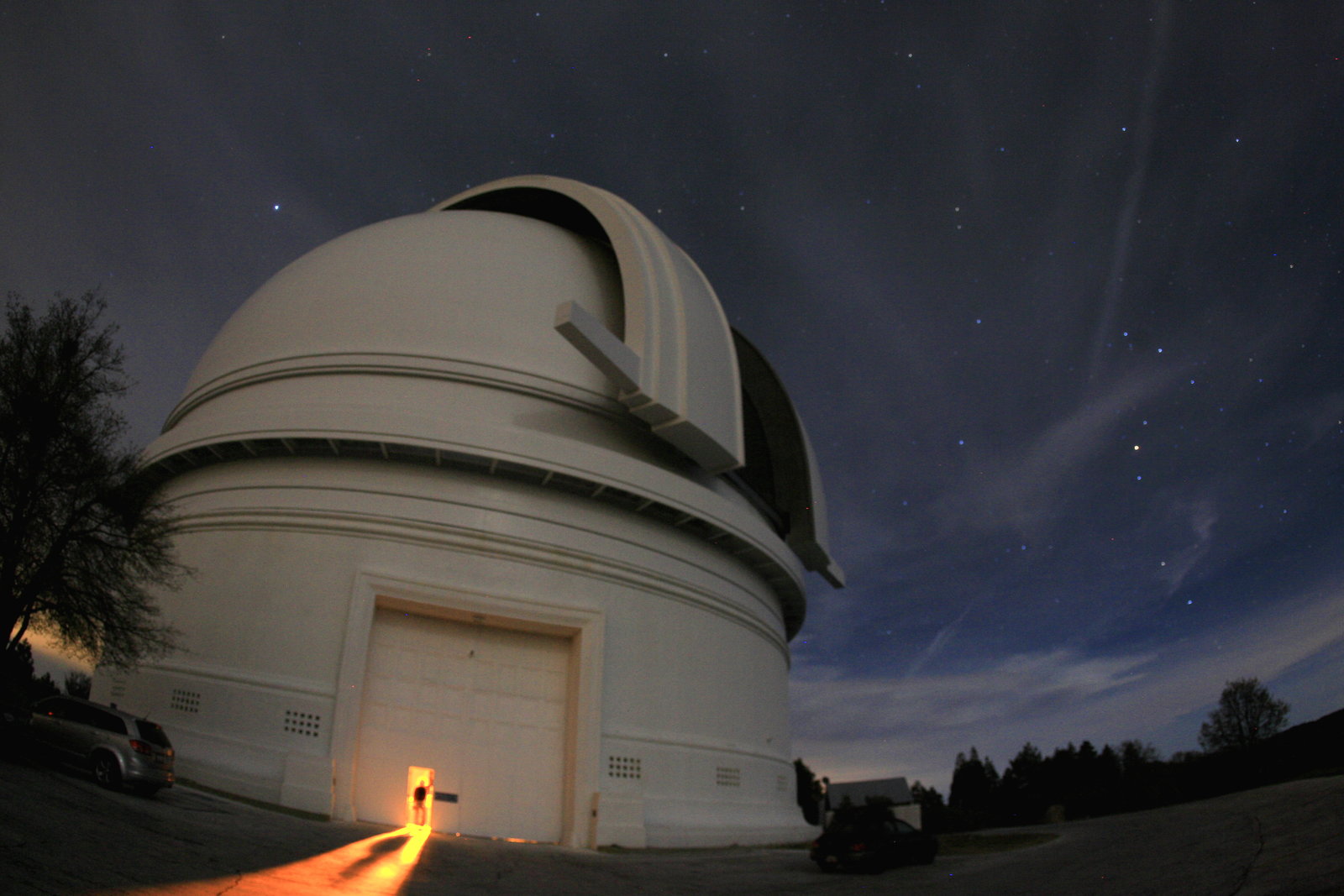
PALOMAR_MikeBrownExtNight.jpg
Bild: © BASE Productions
Stargates
Bild: © FOX / (c) BASE Productions
Auf Kollisionskurs im All
CollisionCourse_09_LR_CGI_KnownUniverseII.JPG
Bild: © National Geographic Channels / BASE Productions
Technik im All
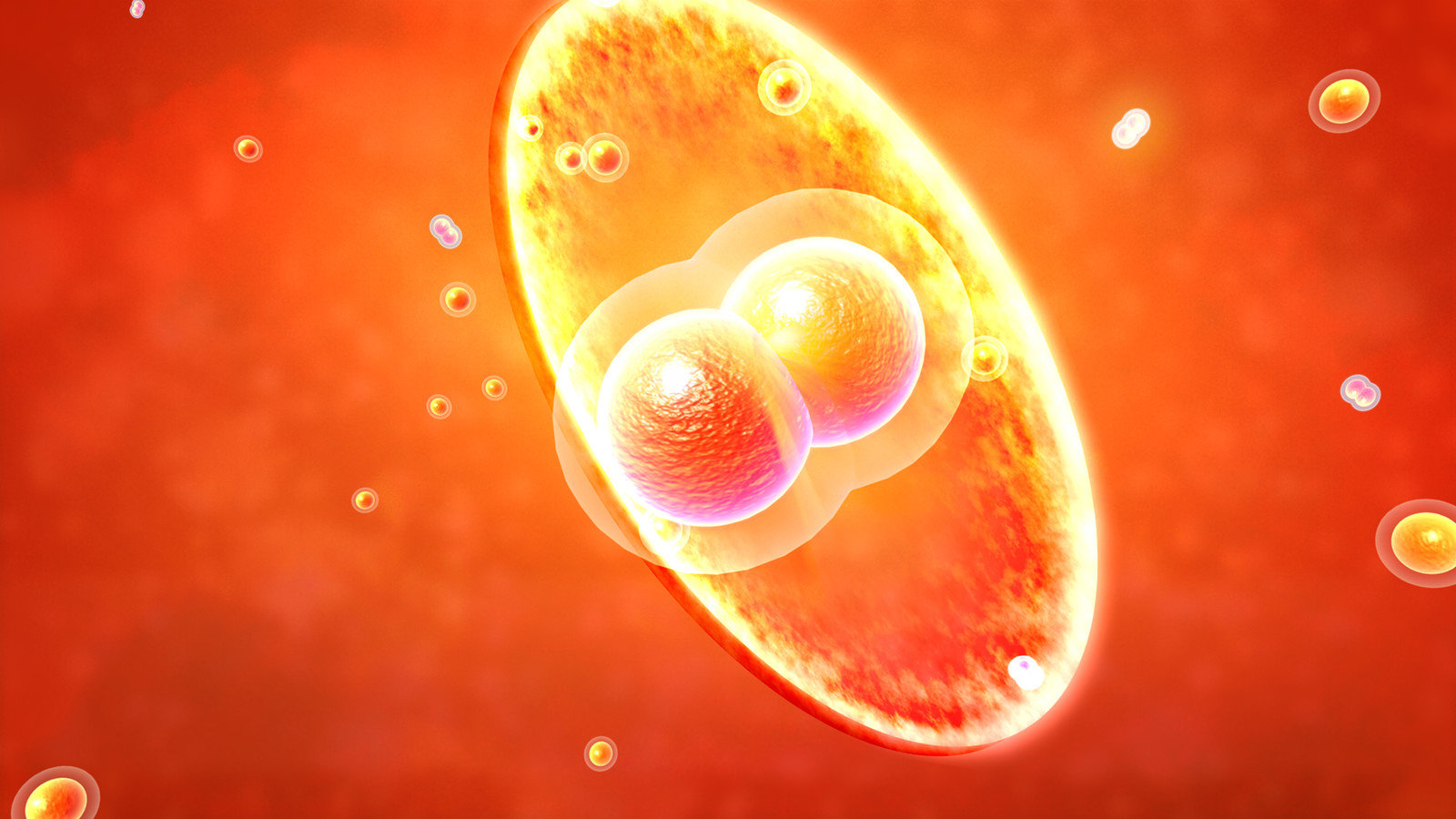
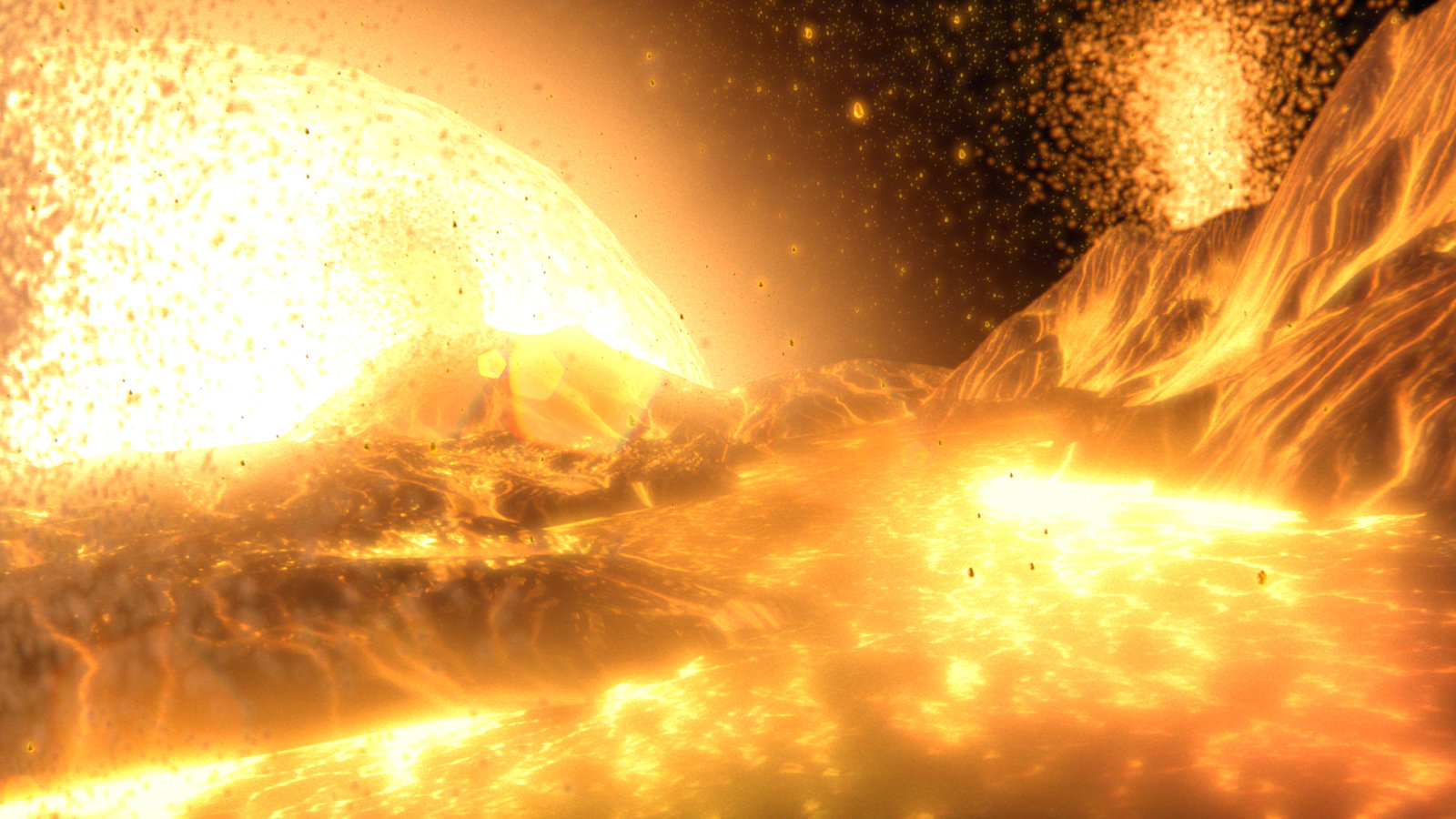
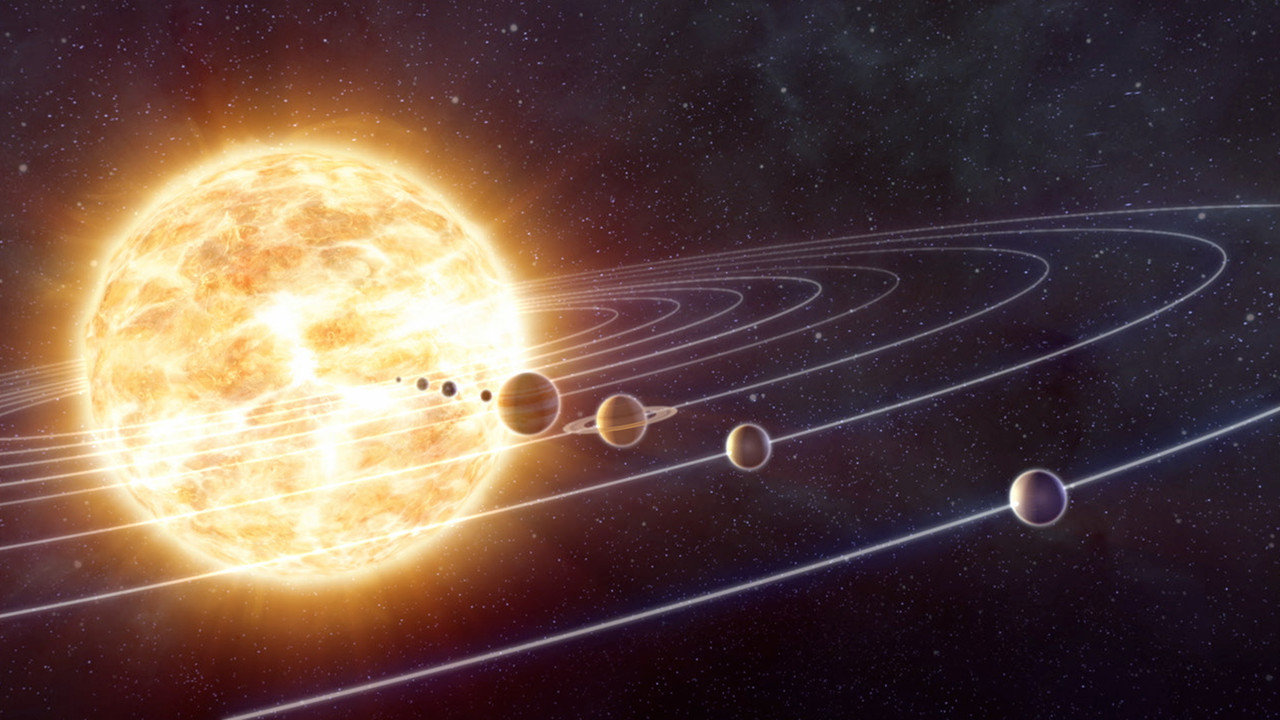
In the core of the sun, where the temperatures and pressure is so immense, hydrogen atoms and helium atoms can combine quickly together. This nuclear reaction is called fusion. (Photo Credit © BASE PRODUCTIONS) CGI STILL
Bild: © BASE PRODUCTIONS
Sind wir allein im All?
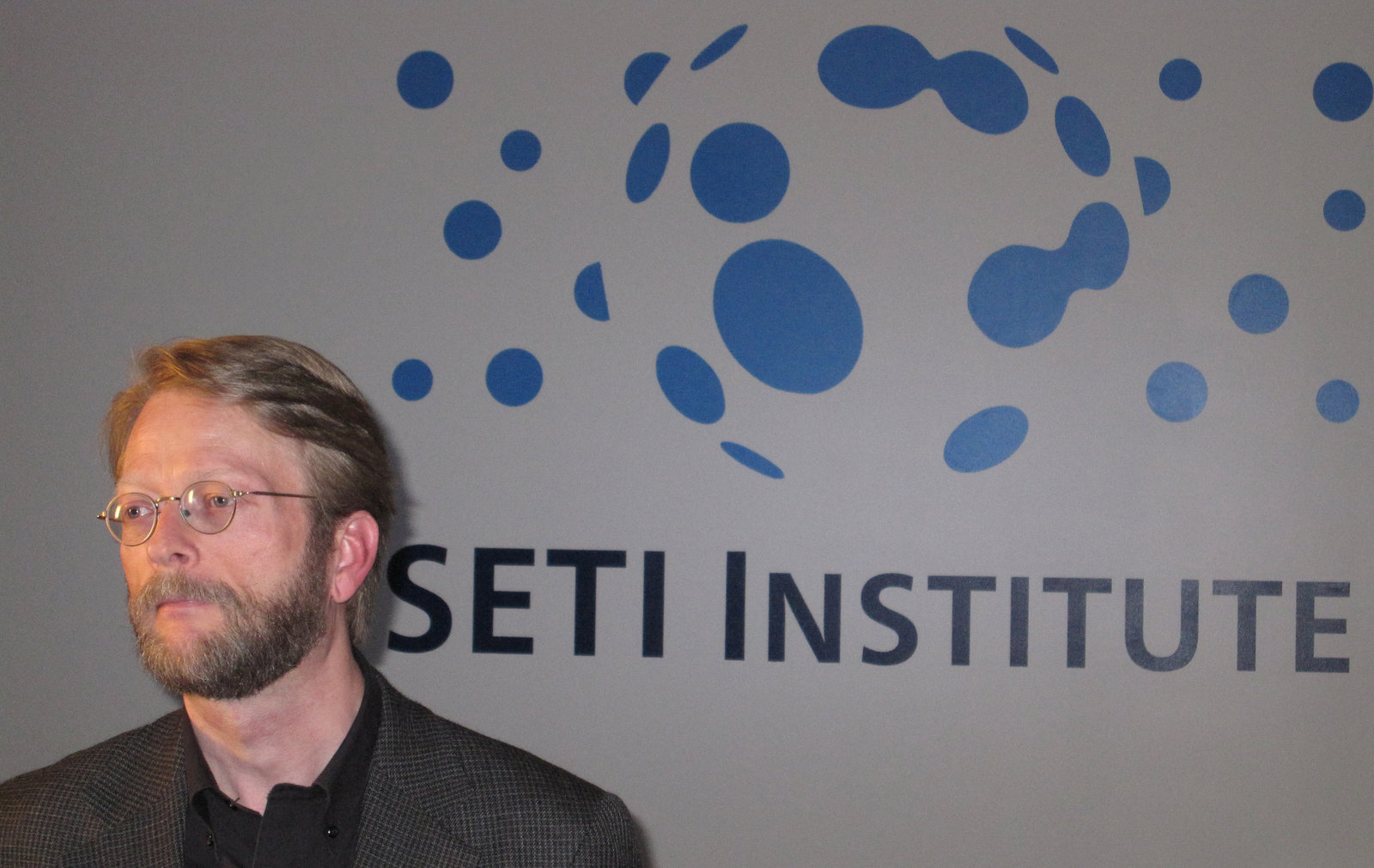
Doug Vakoch, Director of Interstellar Message Composition at the SETI Institute. The SETI Institute is a not-for-profit organization which is looking for evidence of life beyond Earth, a scientific discipline known as astrobiology.
Bild: © National Geographic Channels / BASE Productions
Neue Heimat Weltall
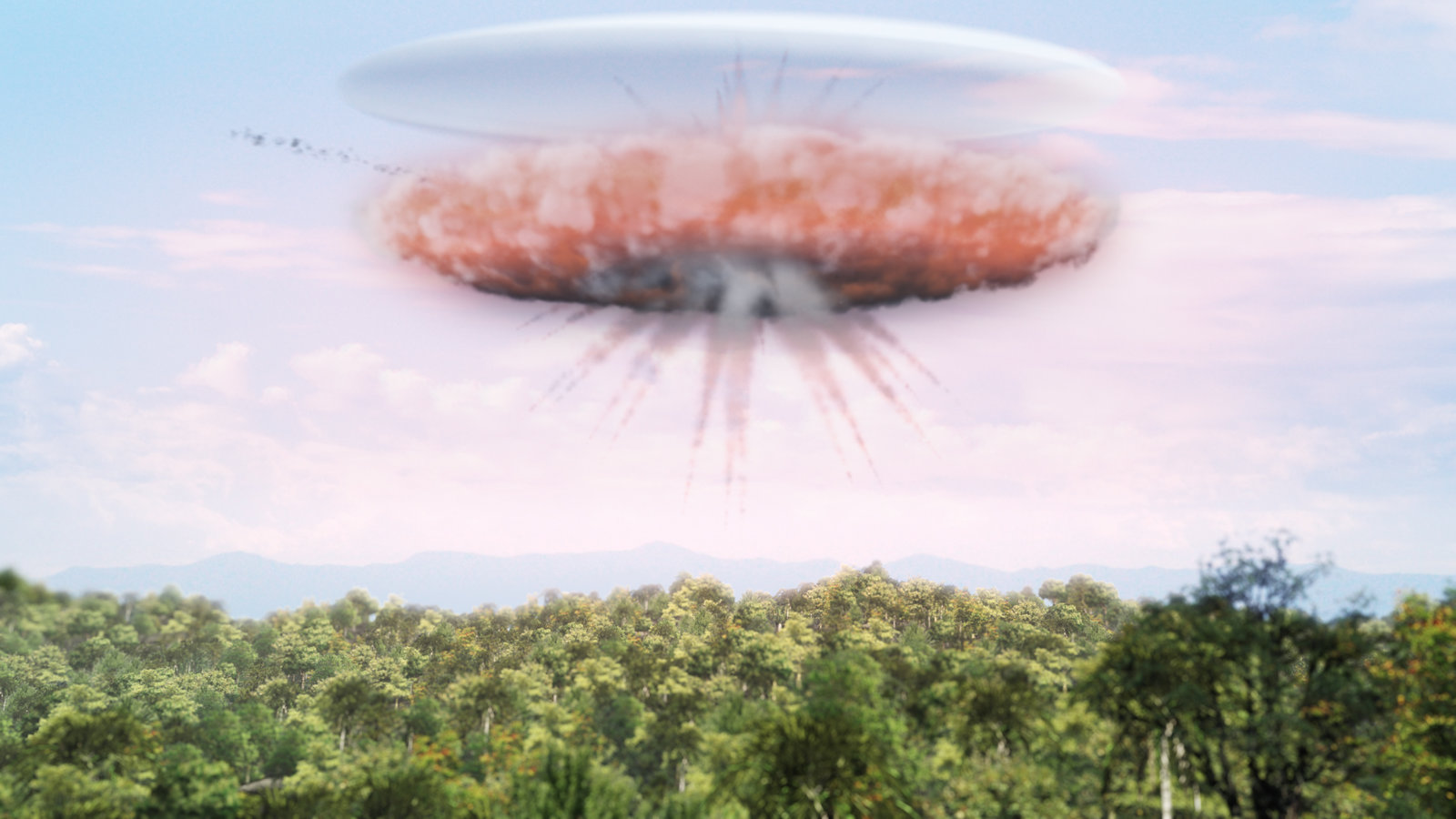
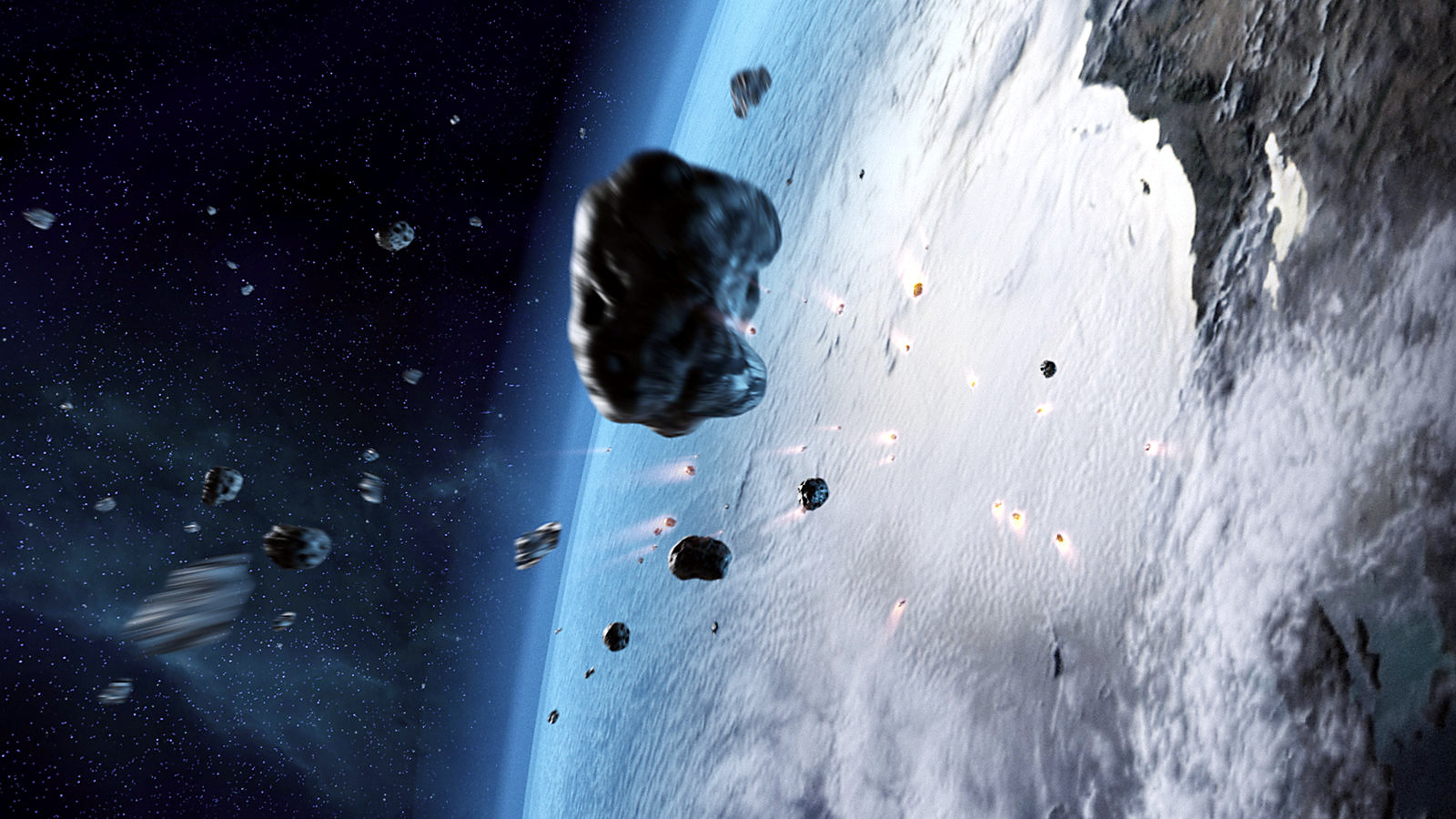
65 million years ago, scientists believed it was an asteroid the size of Manhattan that wiped out the dinosaurs. In stunning detail, National Geographic Channel will show what could happen if an asteroid six miles across slammed into Earth and it's impact. (Photo Credit © BASE PRODUCTIONS) CGI STILL
Bild: © BASE PRODUCTIONS
Sind wir allein im All?
Seth Shostak at The Allen Telescope Array (ATA), located at the Hat Creek Radio Observatory, 290 miles northeast of San Francisco, California. (Photo credit: (c) BASE Productions)
Bild: © BASE Productions
Stargates
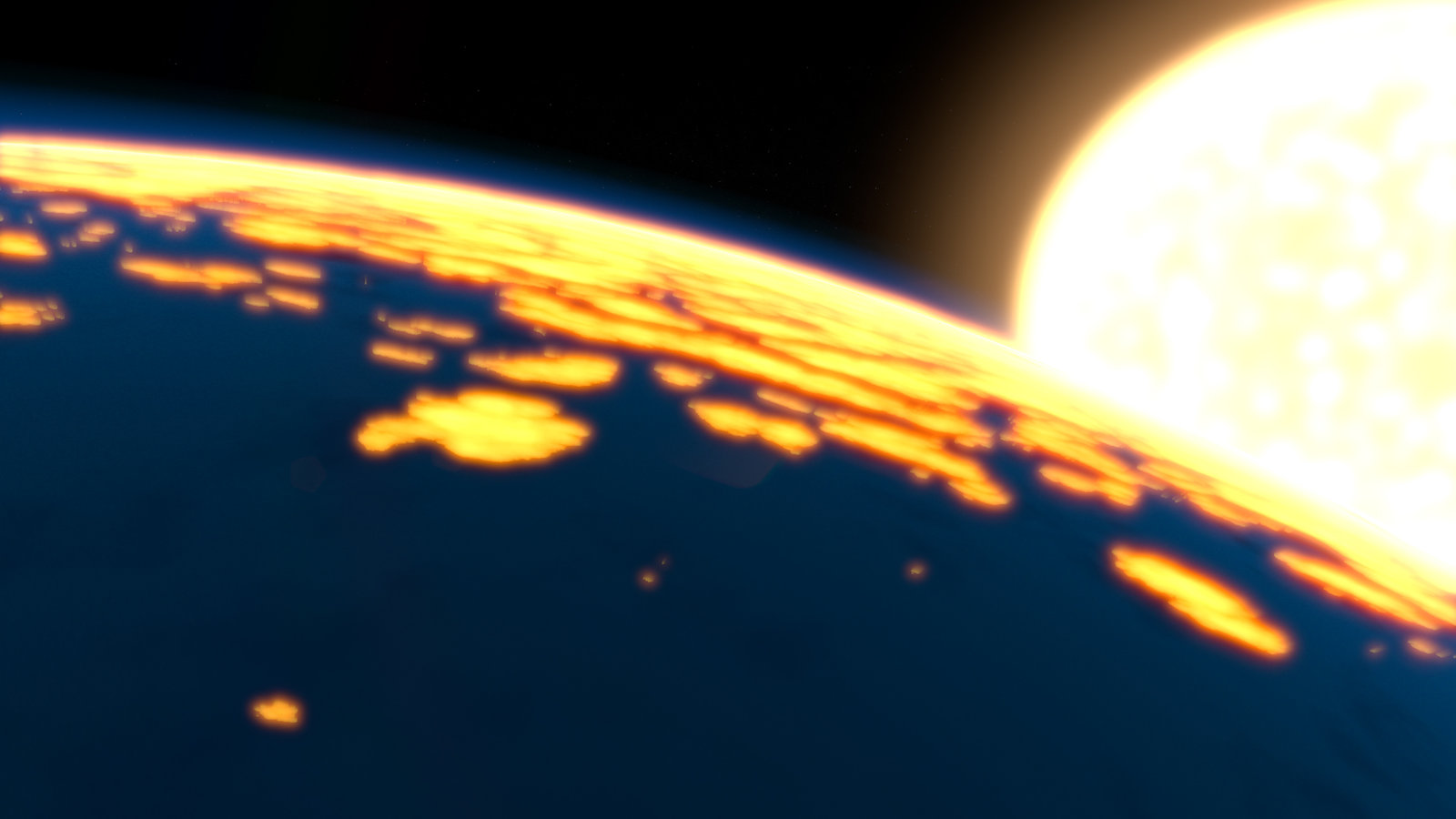
CGI IMAGE: Corot-7b.
Bild: © FOX / (c) BASE Productions
Stärker als die Sonne
Bild: © Frank Verock
Die großen Rätsel des Alls
MYSTIC_BobAndHercules.jpg
Bild: © BASE Productions
Auf Kollisionskurs im All
CollisionCourse_14_LR_CGI_KnownUniverseII.JPG
Bild: © BASE Productions
Sind wir allein im All?
Seth Shostak at The Allen Telescope Array (ATA), located at the Hat Creek Radio Observatory, 290 miles northeast of San Francisco, California. (Photo credit: (c) BASE Productions)
Bild: © BASE Productions
Technik im All
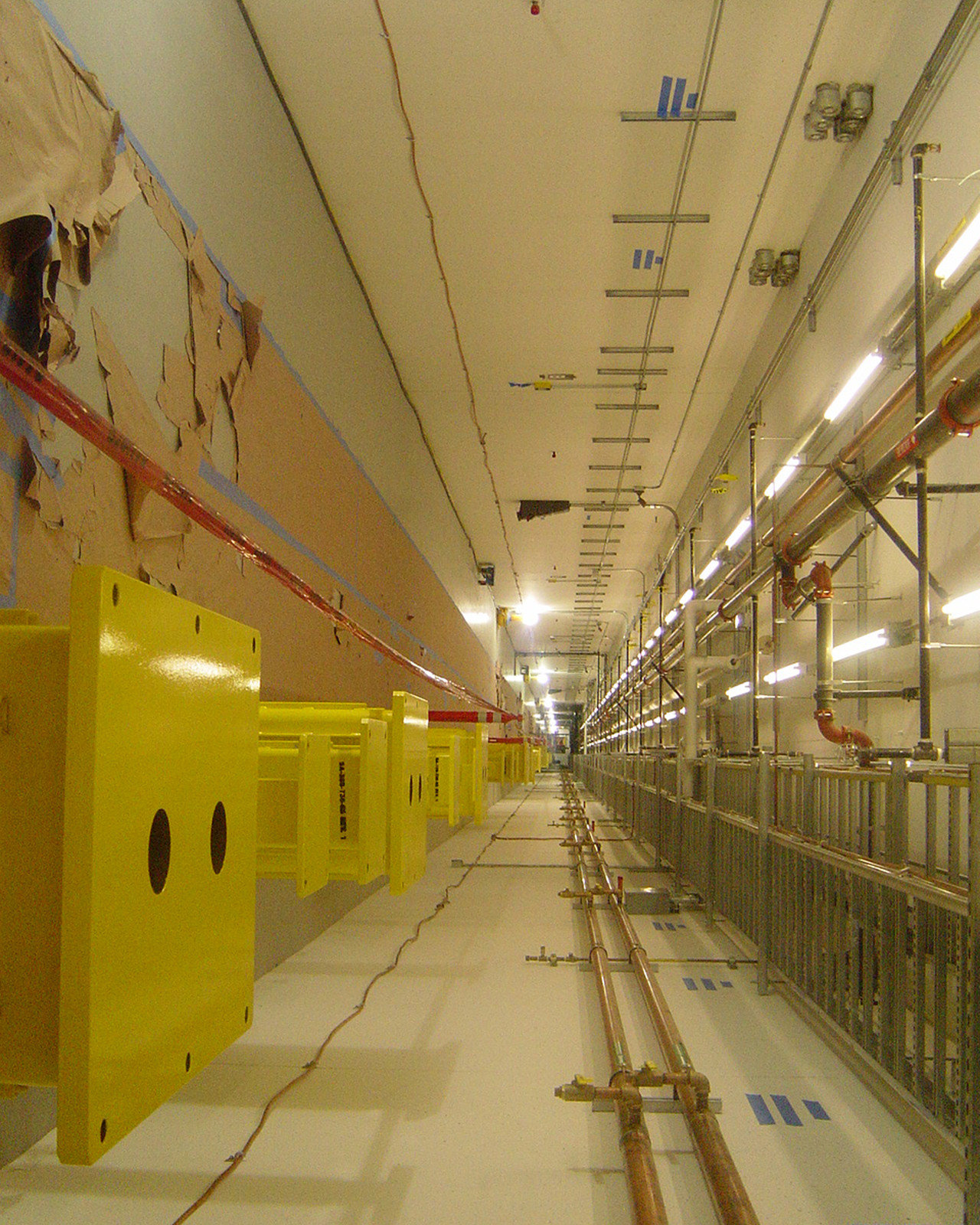
HAYWARD, CALIFORNIA: The interior of the new Stanford Linear Accelerator, which is currently under construction. (Photo credit © Amanda Fields)
Bild: © Amanda Fields
Die großen Rätsel des Alls
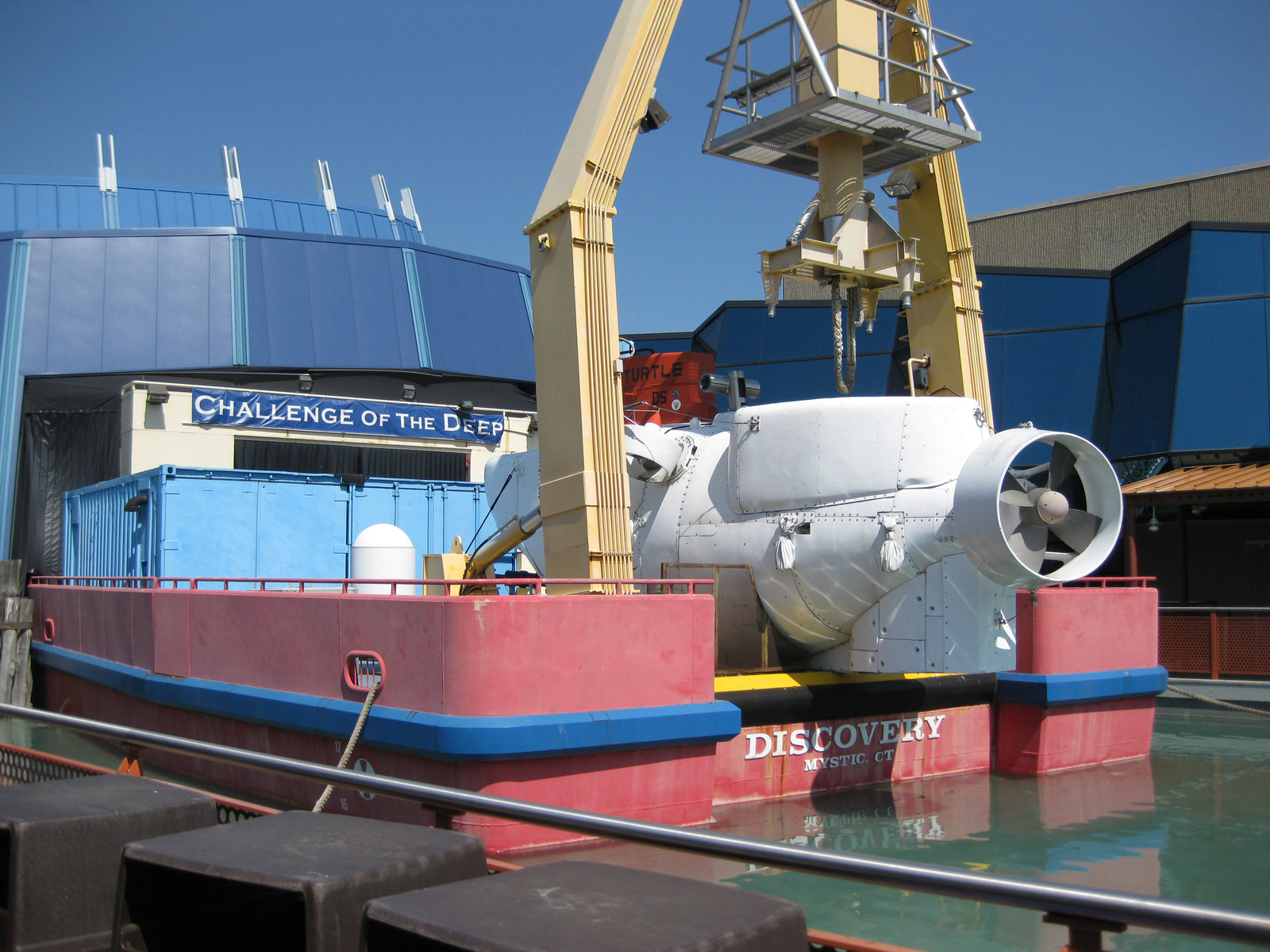
MYSTIC_DiscoverAndTurtle.jpg
Bild: © BASE Productions
Technik im All
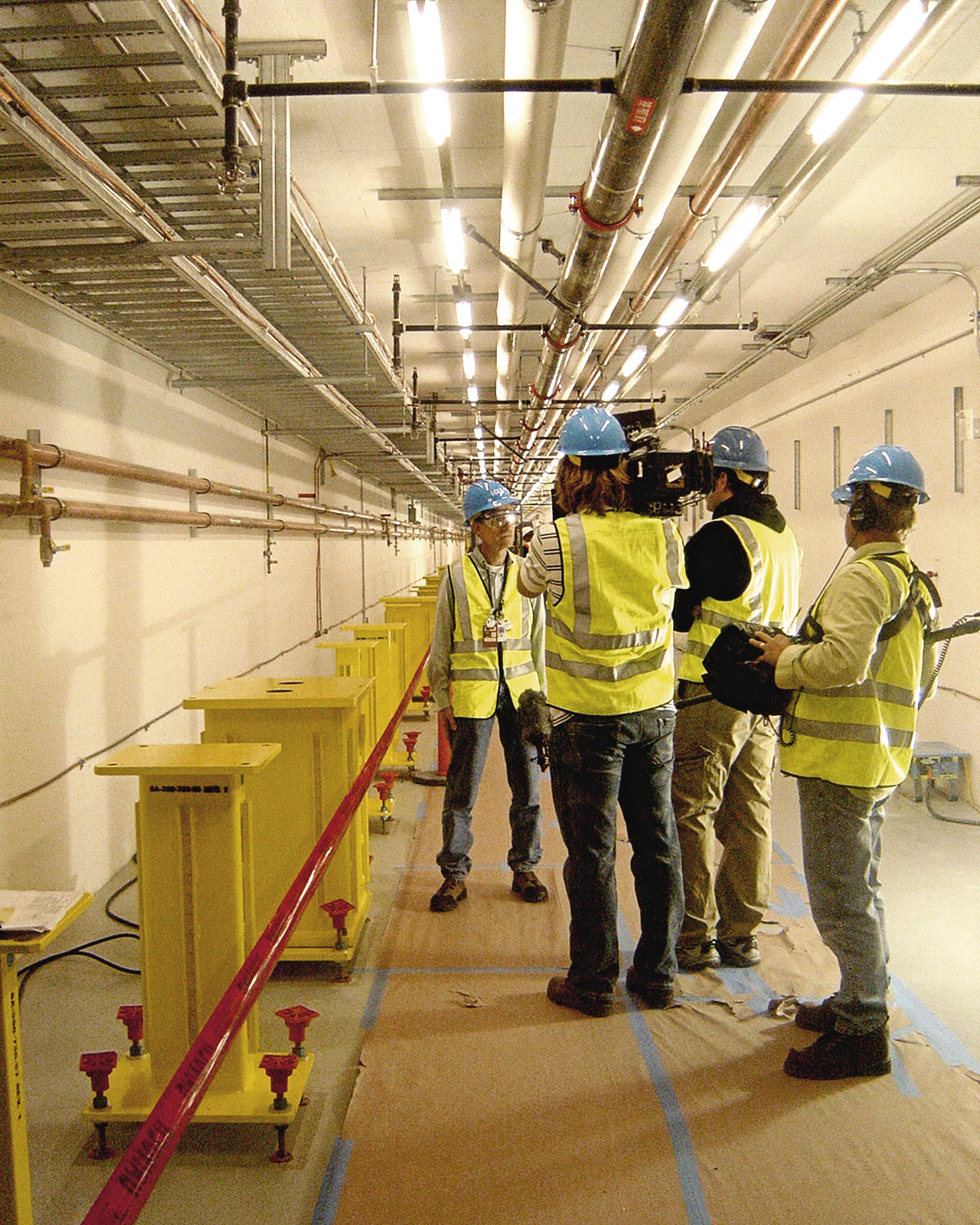
HAYWARD, CALIFORNIA: Project Director of LCLS Ultra-fast Science Instruments Dr. Jerome Hastings inside the new Stanford Linear Accelerator, which is currently under construction. (Photo credit © Amanda Fields)
Bild: © Amanda Fields
Das Ende der Welt
Bild: © National Geographic Channel
Stargates
Bild: © National Geographic
Technik im All
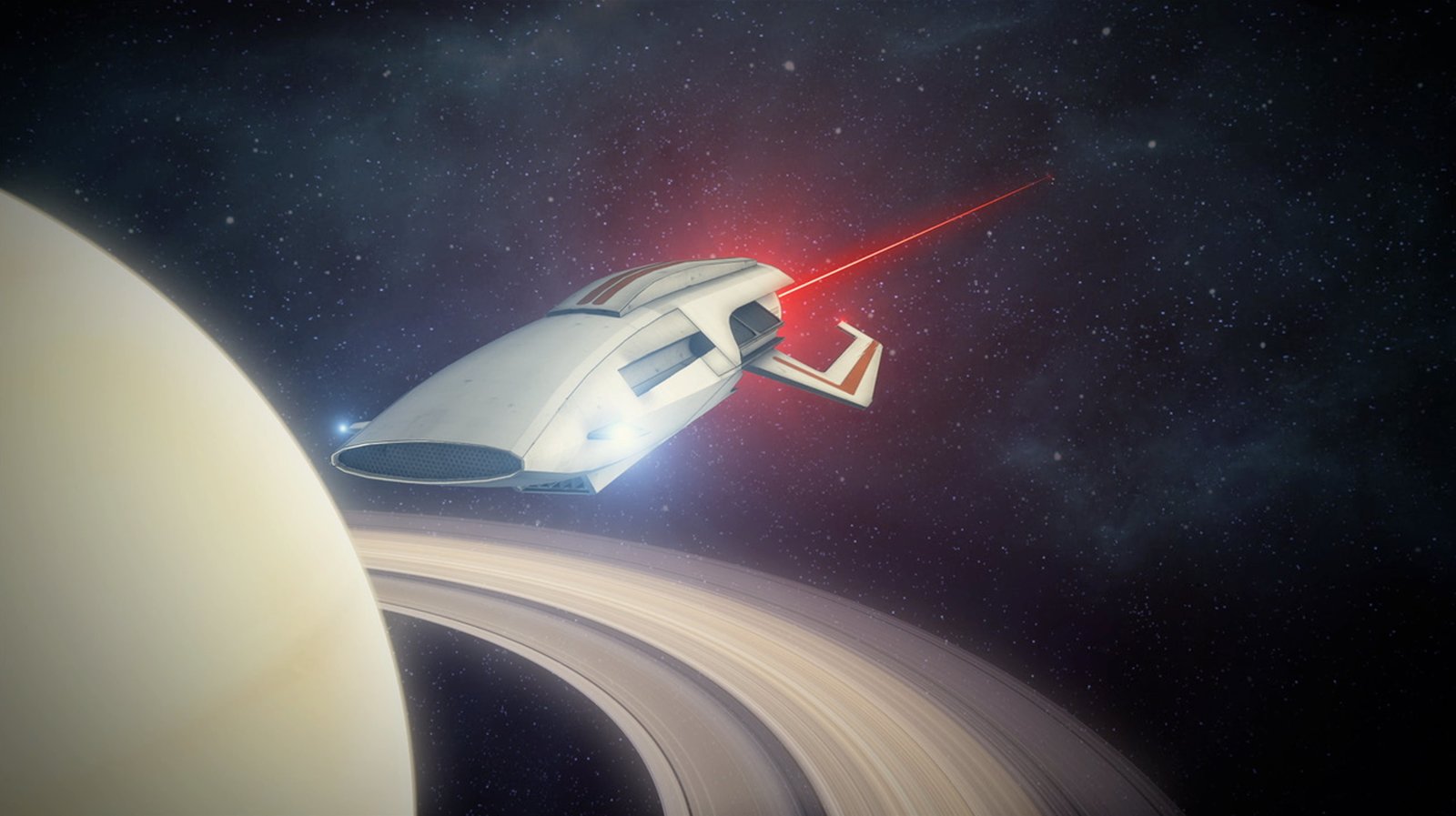
CGI IMAGE: A ship that absorbs a laser beam as fuel.
Bild: © NGC
Urgewalten der Erde
Bild: © National Geographic Channel
Urgewalten der Erde
Bild: © National Geographic Channel
 Technik im AllA space shuttle can circle the Earth at about 17,000 miles an hour.(Photo Credit © BASE PRODUCTIONS) CGI STILLBild: © BASE PRODUCTIONS
 "Die Sendung mit der Maus"-Marathon am Tag der Deutschen Einheit