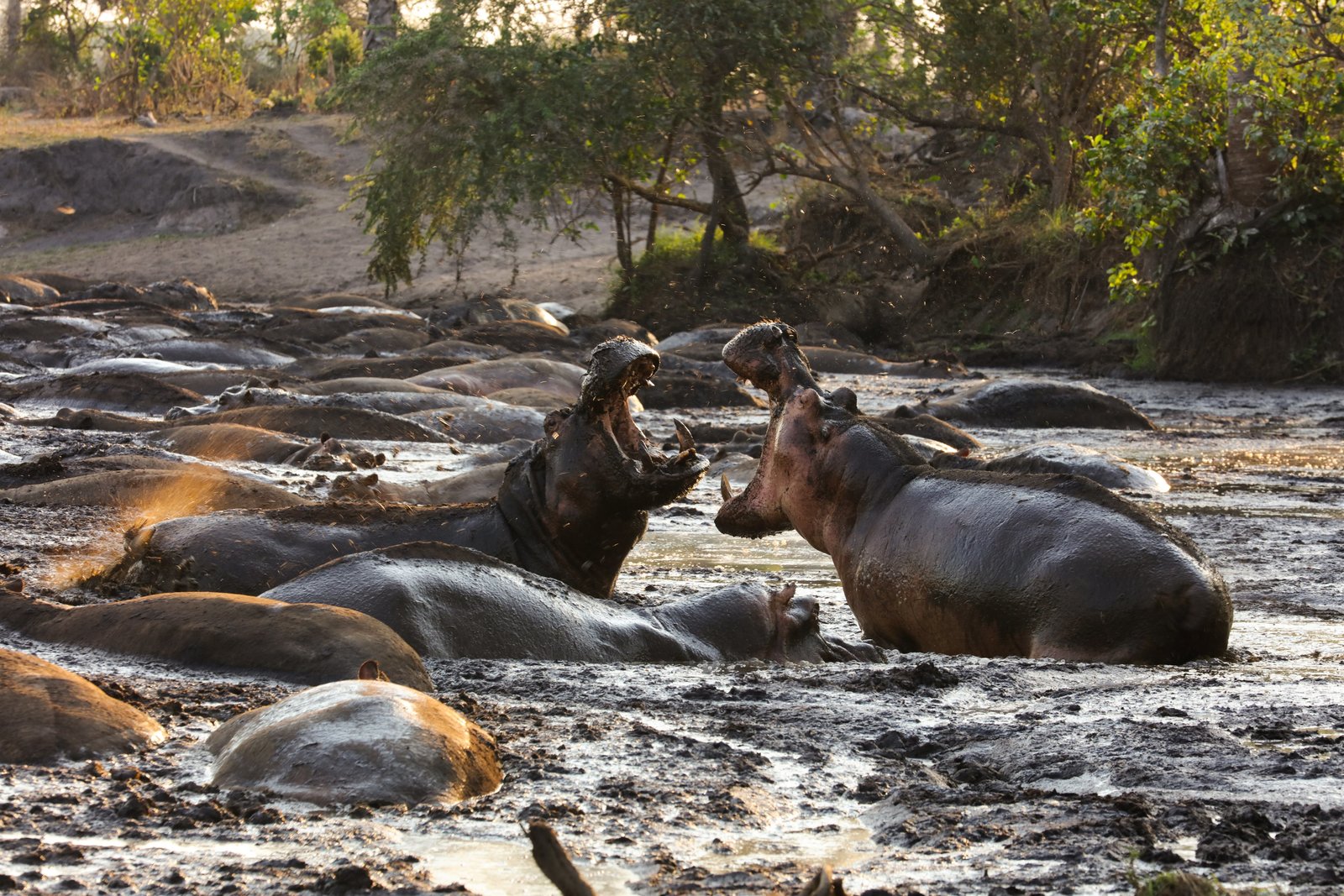
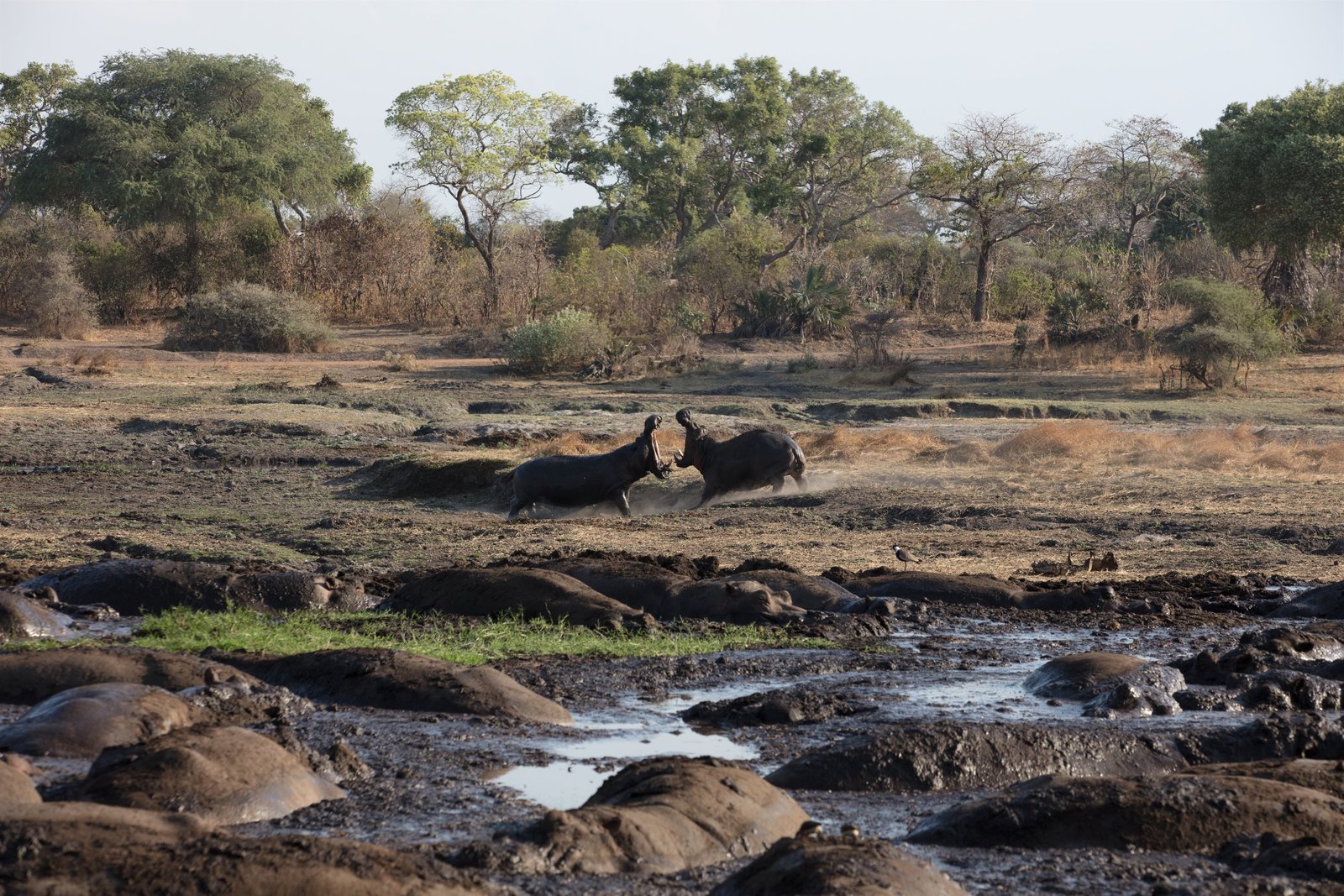
TANZANIA - 2 bull hippos fight for space in Katavi National Park. During the dry season, their pool of water shrinks and fights break out as the hippos are forced closer and closer together.
TANZANIA - Two bull hippos fight in Katavi National Park. During the dry season, their pool of water shrinks and fights break out as the hippos are forced closer and closer together.
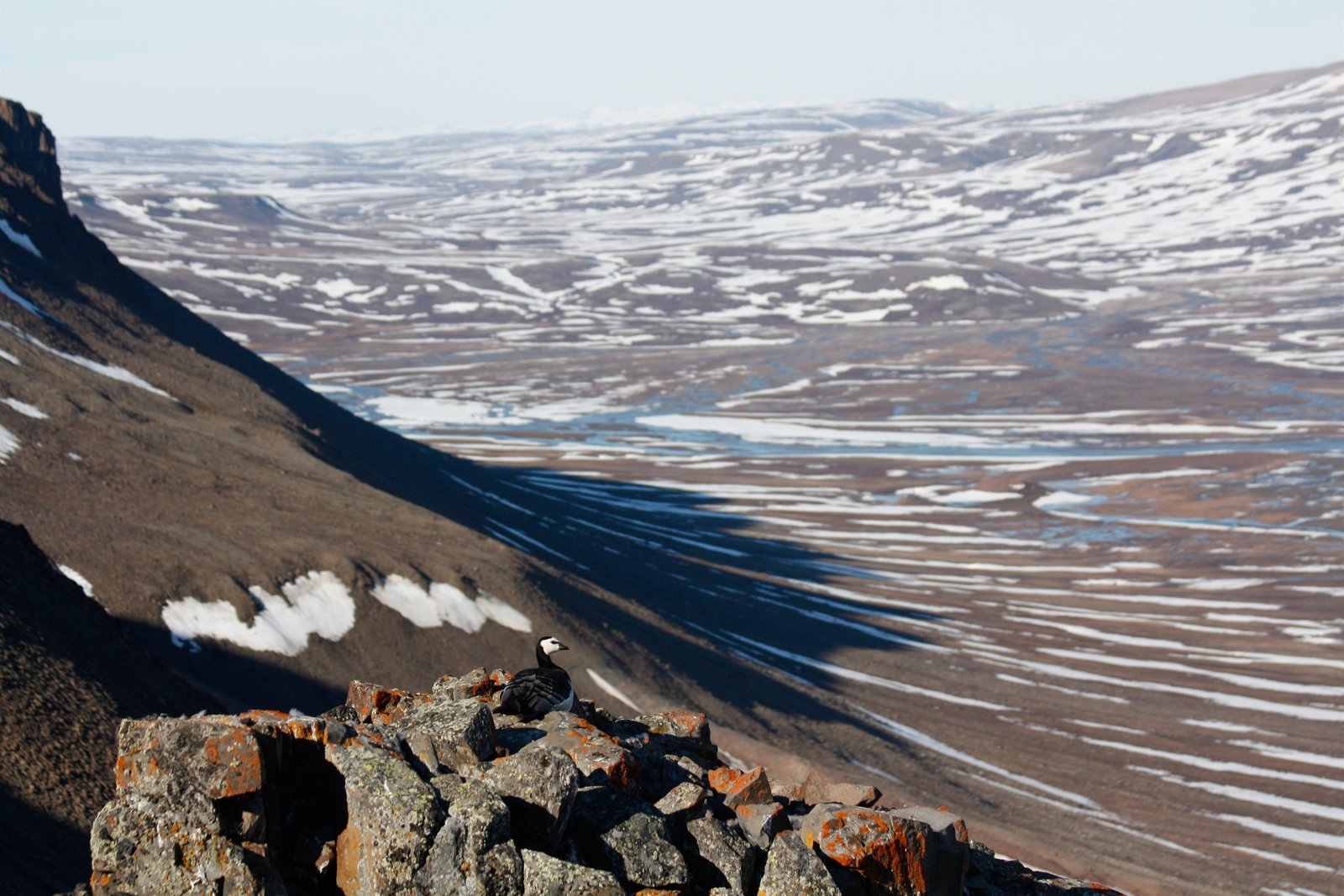
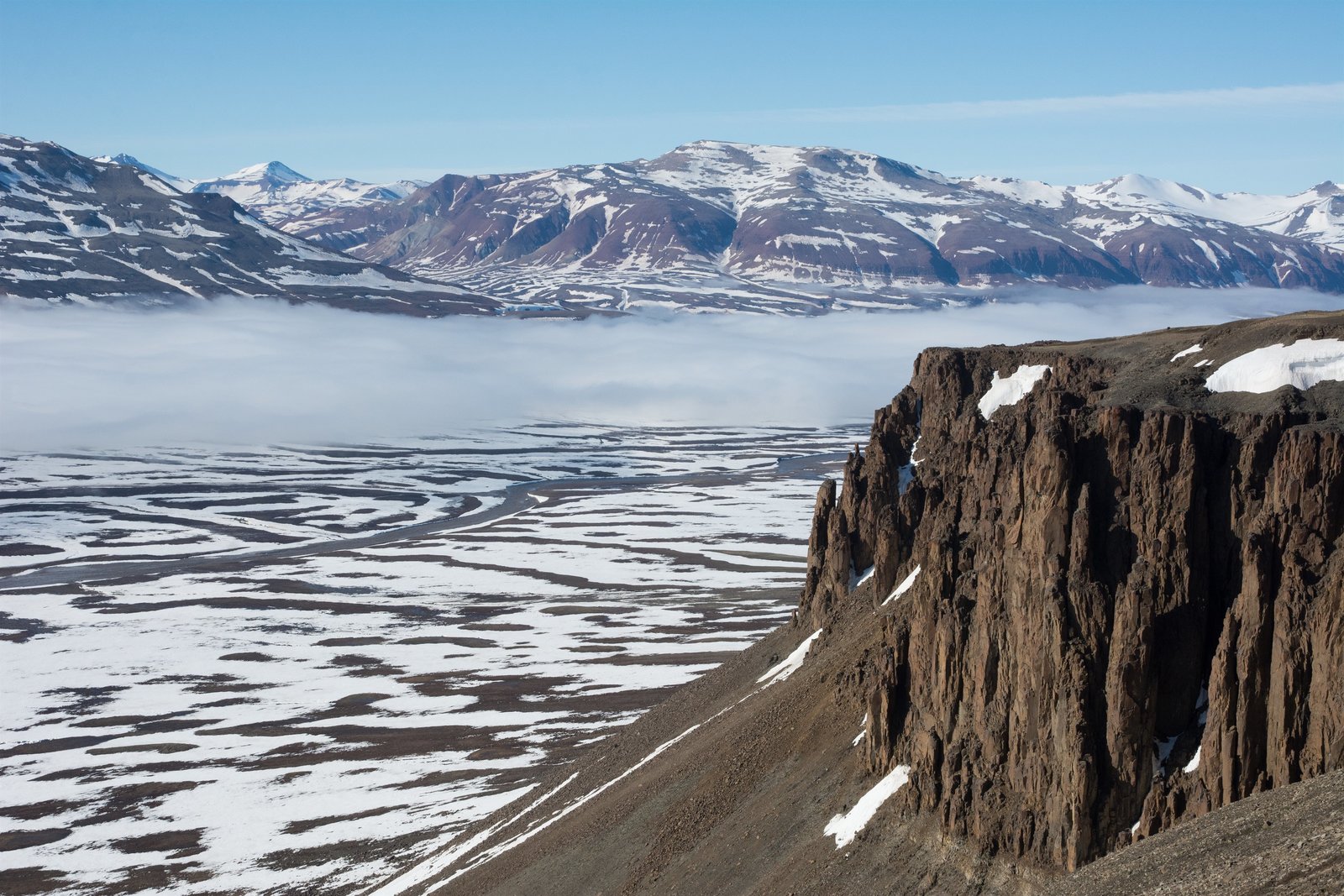
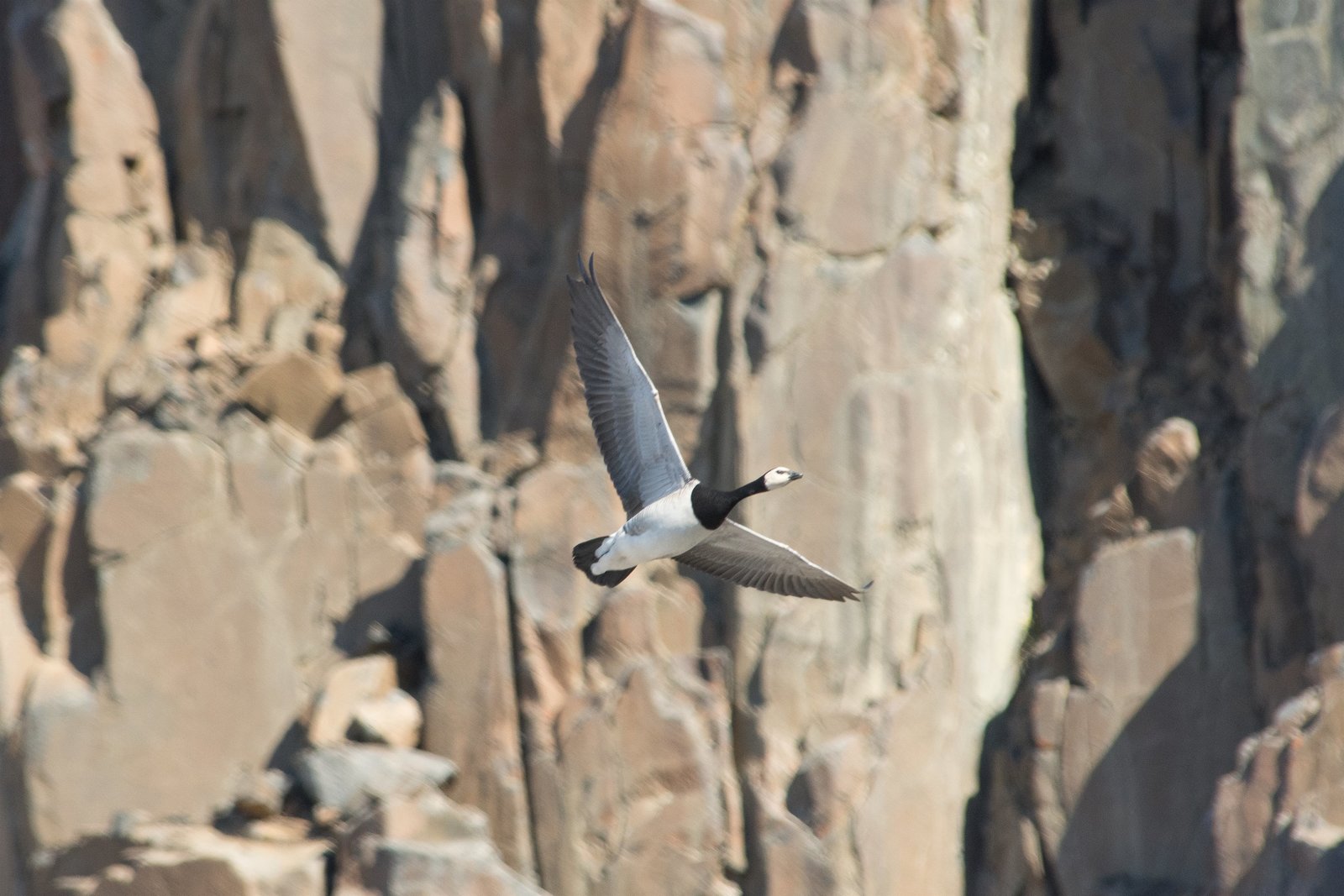
Greenland - Barnacle Goose, Greenland. Barnacle geese nest on 400 foot-high cliffs as protection from predators. However, these birds and their young eat grass, which does not grow on these rocks and the parents are unable to bring back food to the nest. The chicks must jump within 48 hours of hatching and then walk the mile to river where they are safe from predators. Barnacle geese parents are monogamous and will return to the same nest site year after year. The female will incubate the eggs for around 25 days while the male guards nearby.
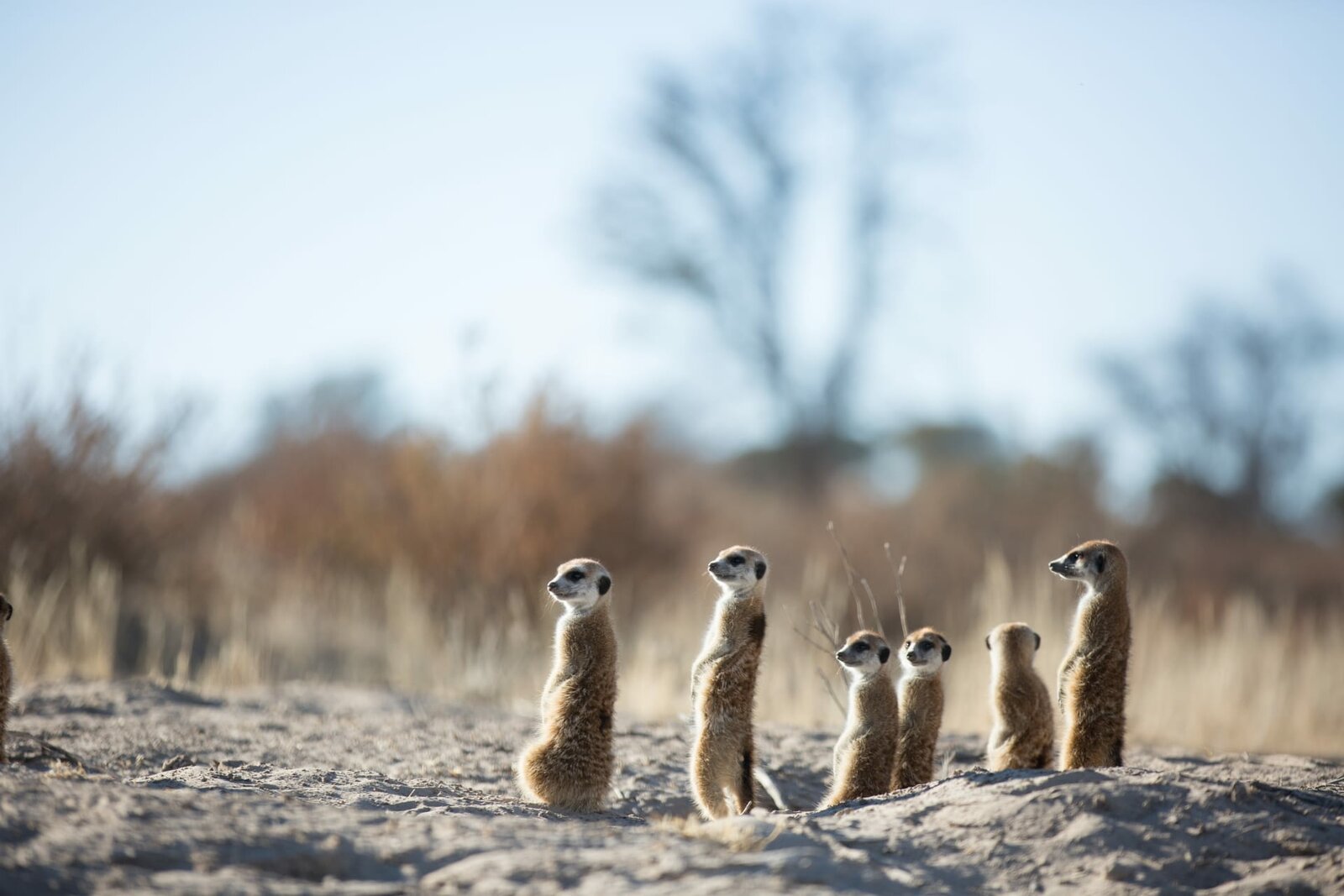
Portrait of a group of meerkats (Suricata suricatta) sunbathing in the cool of the morning. A meerkat group is usually made up of approximately ten individuals, but groups of as many as 30 members are not unusual.
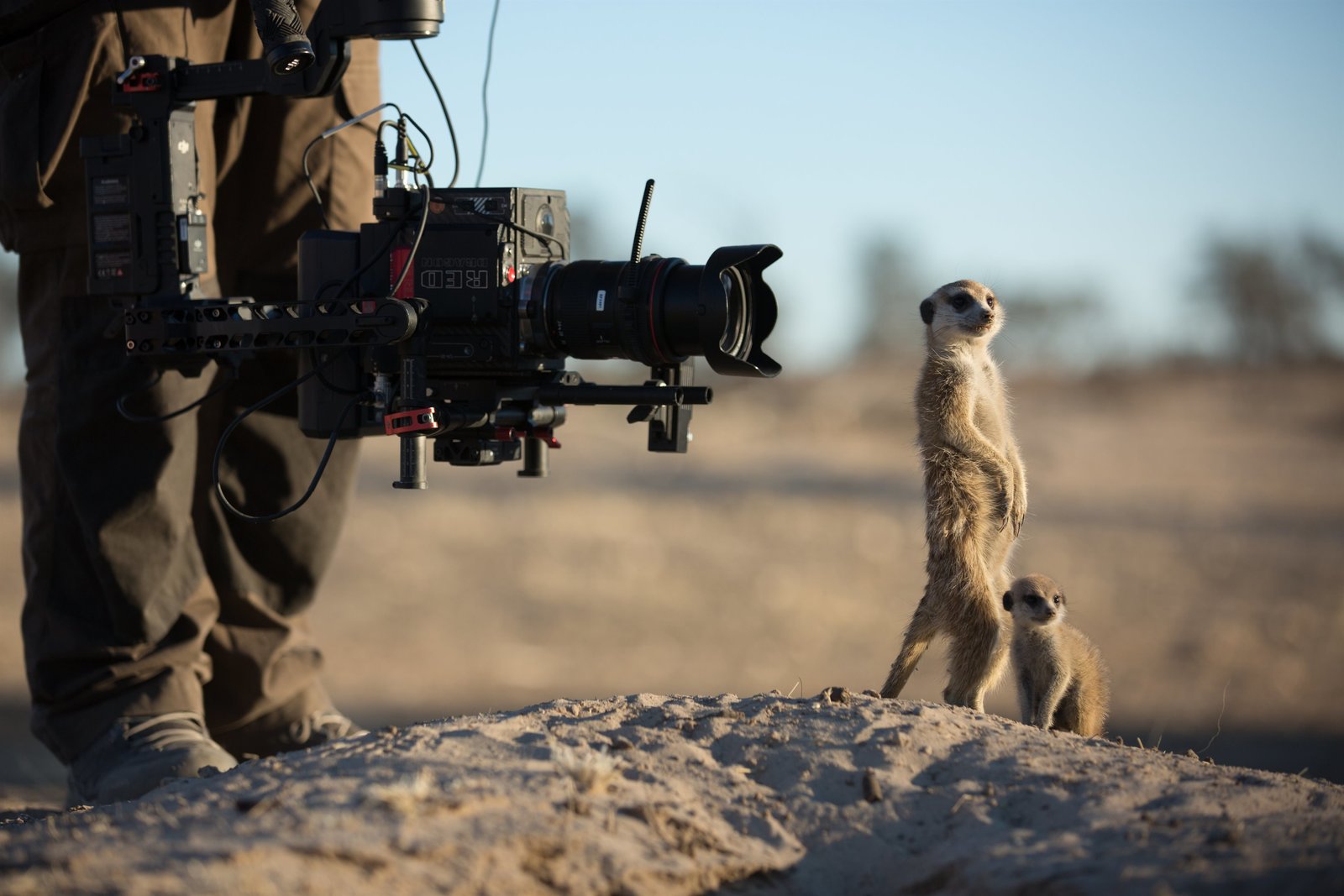
Cameraman Tom Walker uses a gyro-stabilized camera to film meerkats (Suricata suricatta) in the Kalahari Desert. The meerkats are being studied as part of a long-term university project and have becoming completely used to seeing human beings. To a meerkat habituated in this way, a human being is no more a threat than a tree or bush. Working alongside scientists, the crew were able to get intimate, close-up shots of these meerkats, despite them being completely wild. (National Geographic/Holly Harrison)
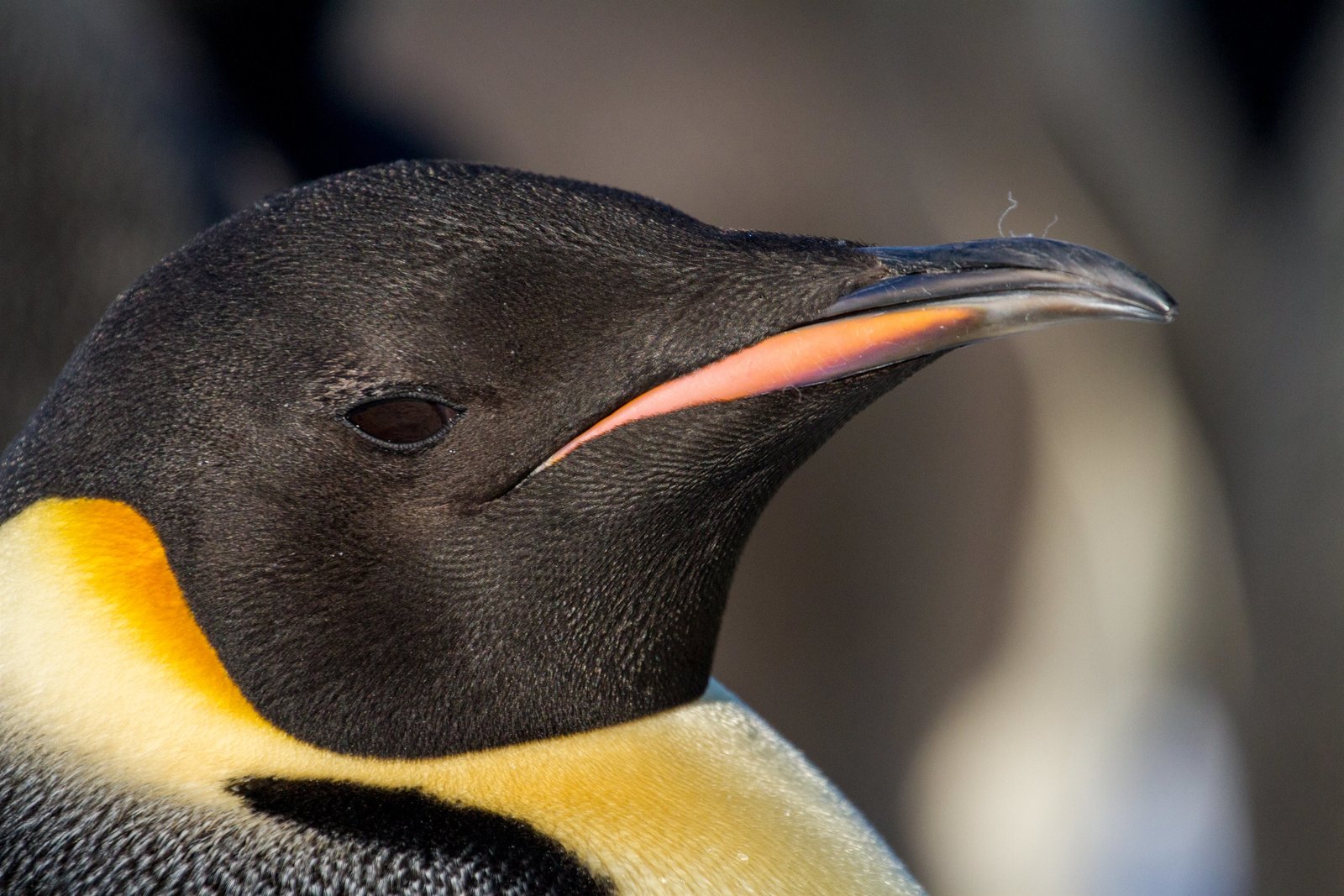
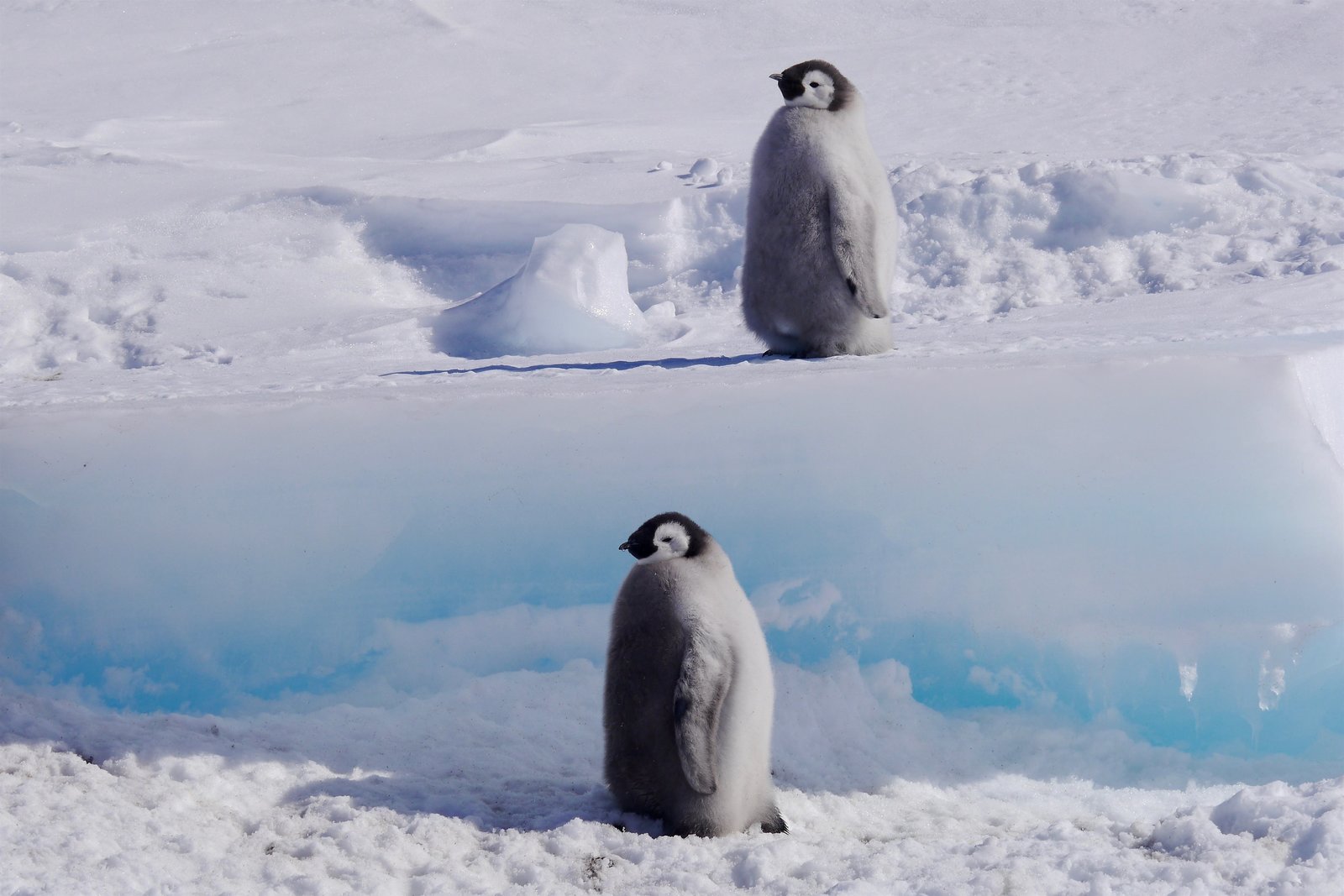
Hostile Planet spend over a month documenting the life of the Emperor Penguin colony at Cape Washington, Terra Nova Bay in Antarctica. Just like the penguins, they had to battle the freezing conditions and biting wind to bring back beautiful footage of parents as they journeyed to and from the ice to feed their chicks.
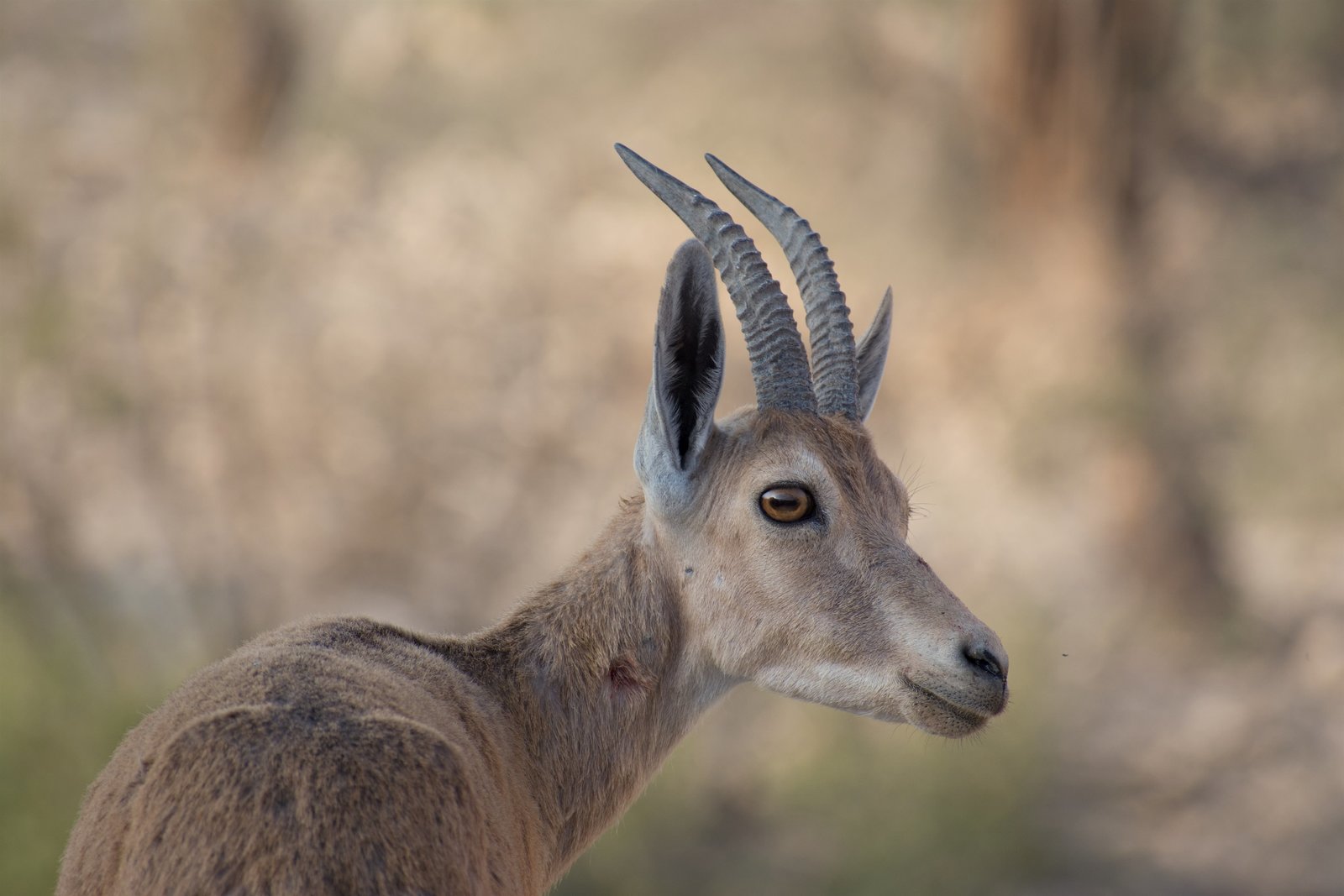
Portrait of a female Nubian ibex (Capra nubiana), approaching an oasis in the Judean Desert, Israel. Even though they are adapted to desert conditions, they drink water almost every day.
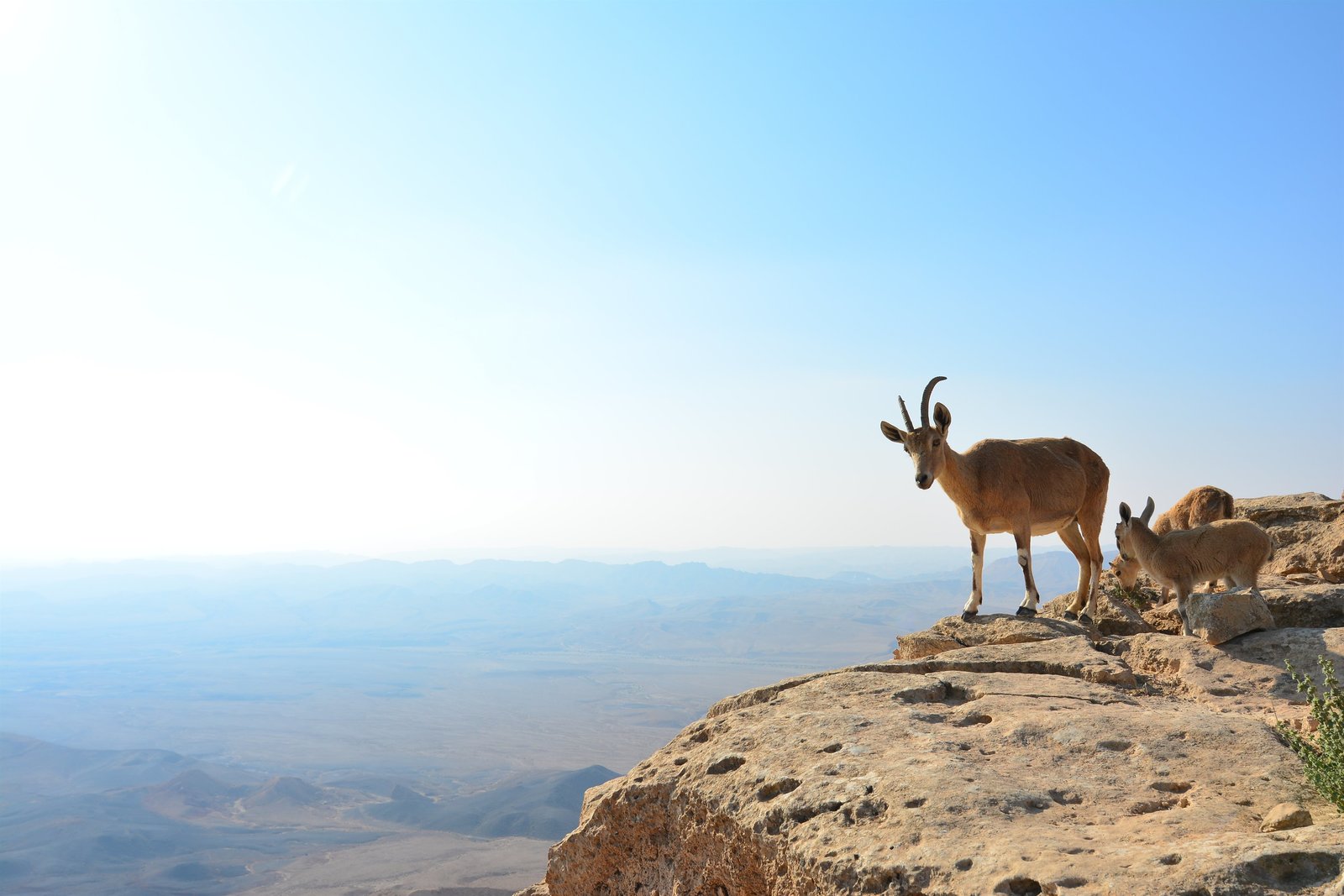
A pair of Nubian ibex (Capra nubiana) stand atop high cliffs in the Israeli desert. This pair are a mother and kid - the kid is only a few days old and already has the skills to navigate the vertical cliffs.
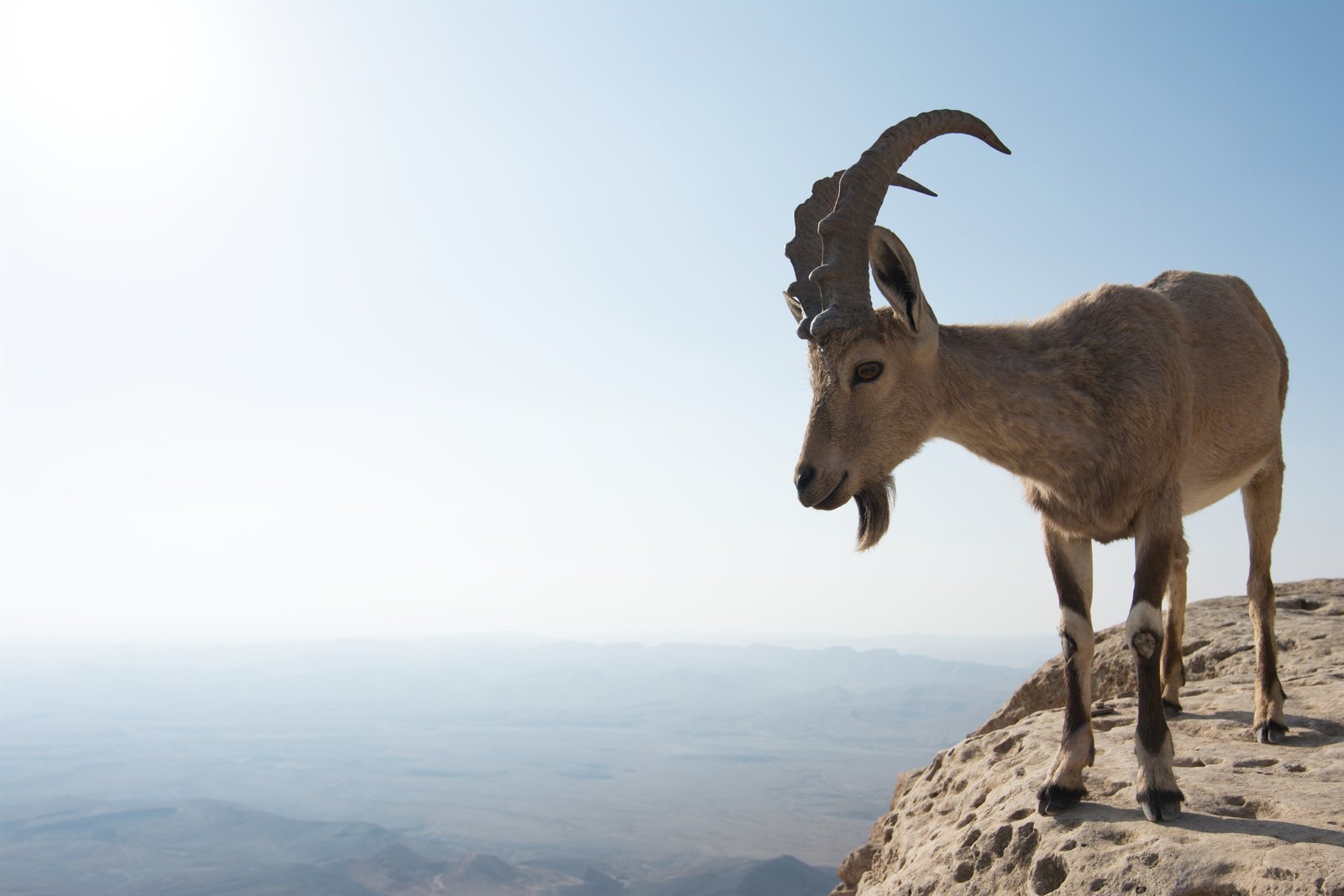
Portrait of a male Nubian ibex (Capra nubiana). Nubian ibex are wild social goats that live on steep terrain and cliffs. Males average almost 140 pounds in weight.
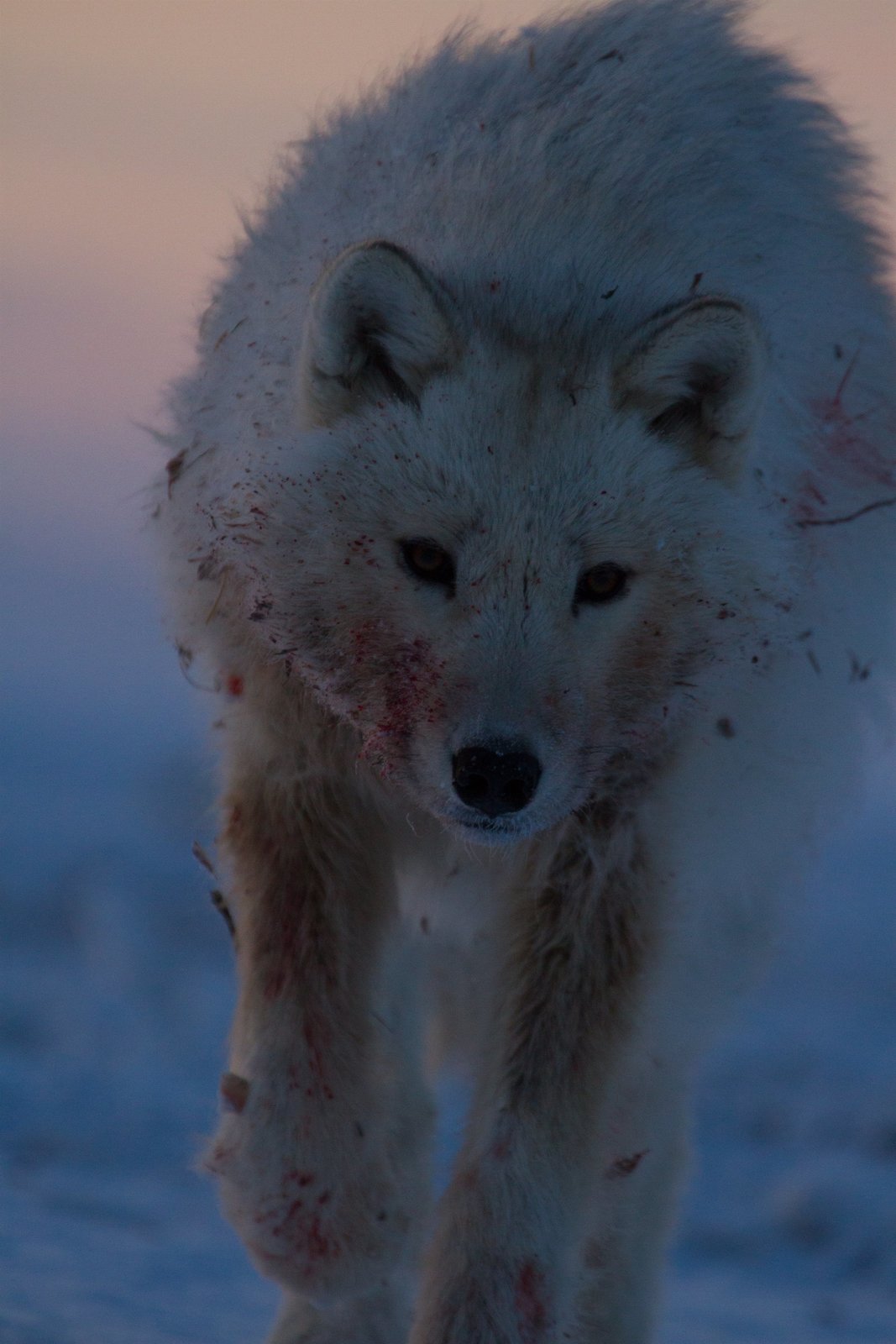
The team followed a pack of Arctic wolves in the Canadian Arctic. They were able to capture for the first time, wolves predating Musk oxen. The team followed the pack for weeks before they came across a herd. By slowly gaining the pack?s trust, they were able to film them hunting and killing a mother and calf. (National Geographic/Anthony Pyper)
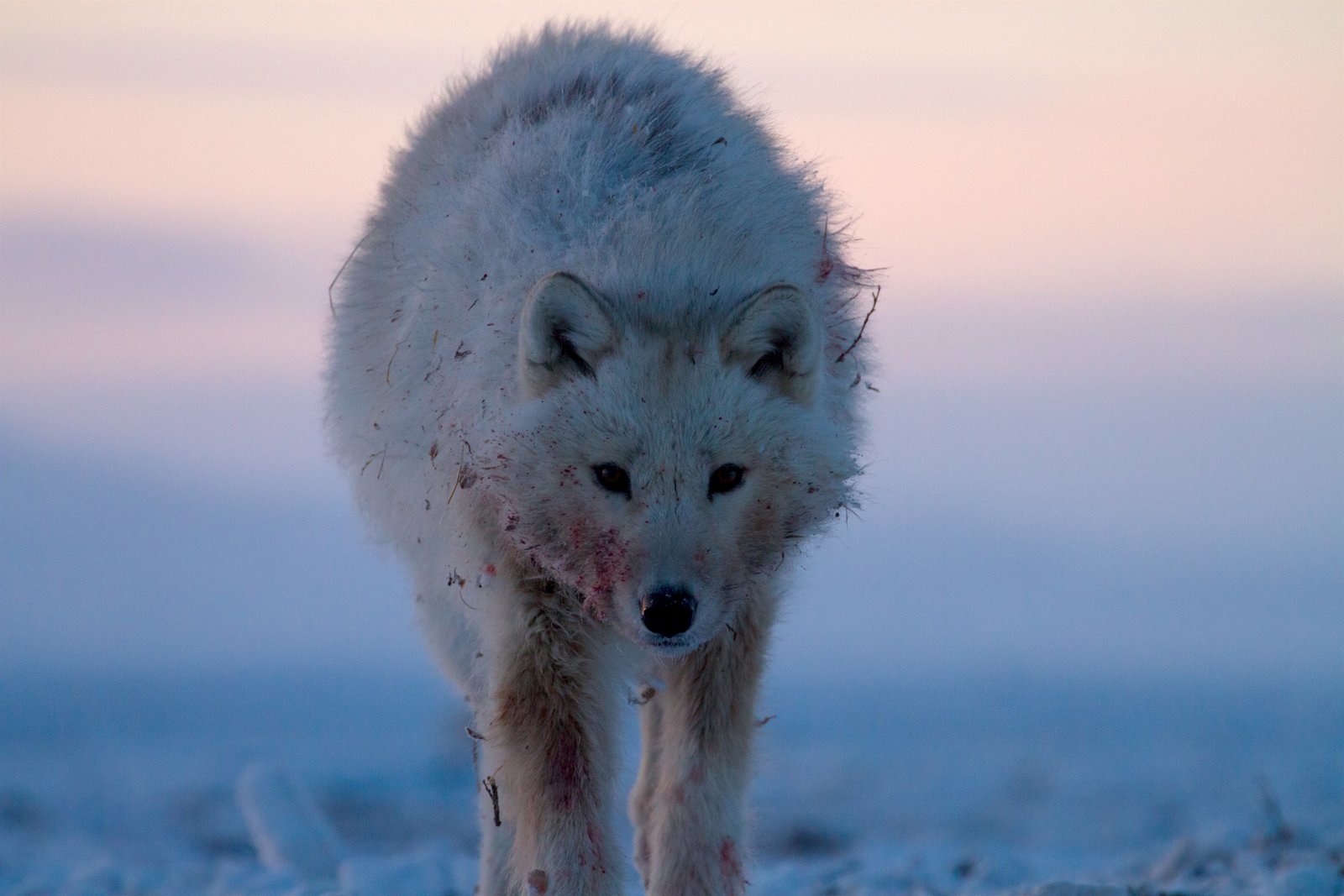
The team followed a pack of Arctic wolves in the Canadian Arctic. They were able to capture for the first time, wolves predating Musk oxen. The team followed the pack for weeks before they came across a herd. By slowly gaining the pack’s trust, they were able to film them hunting and killing a mother and calf. (National Geographic/Anthony Pyper)

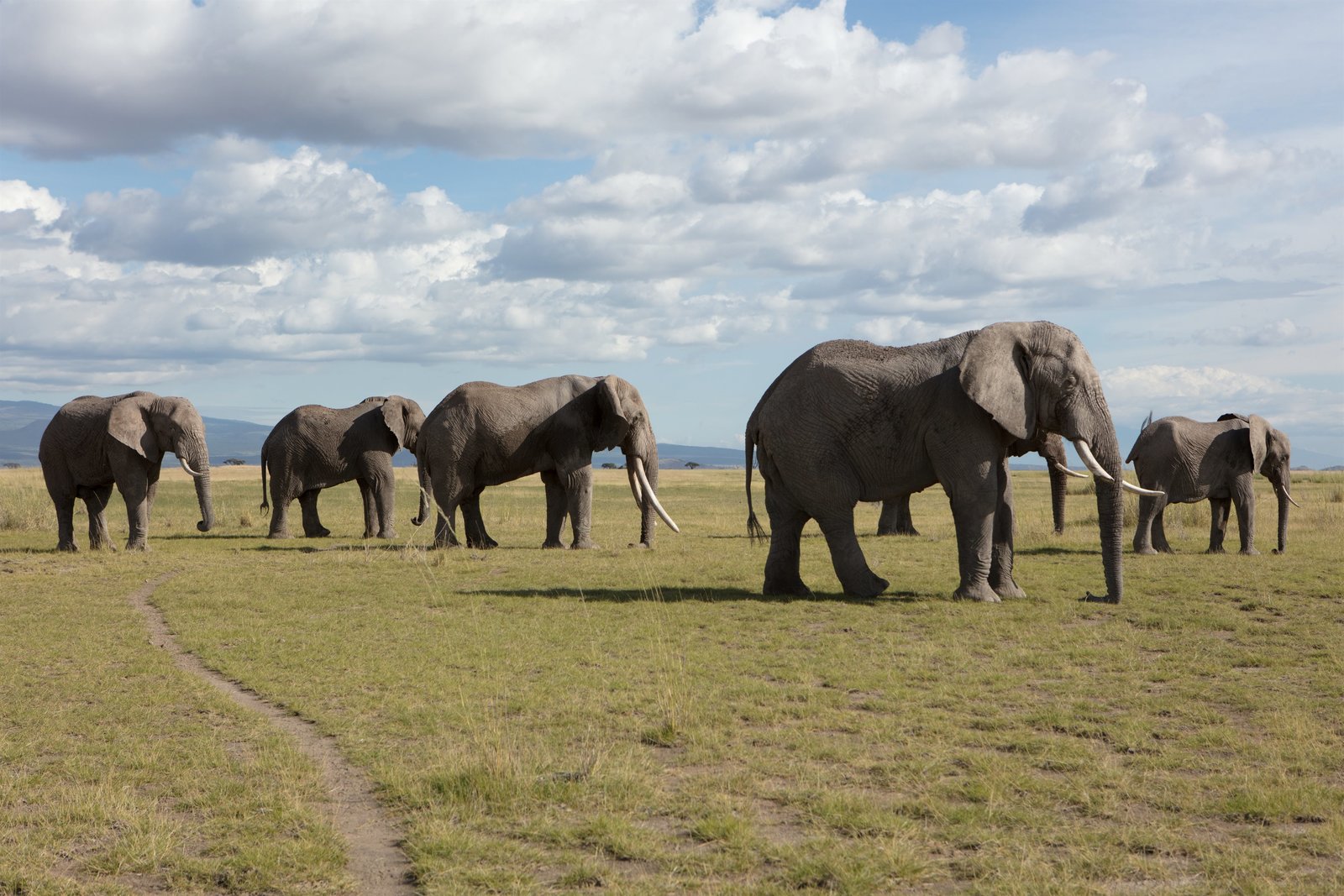
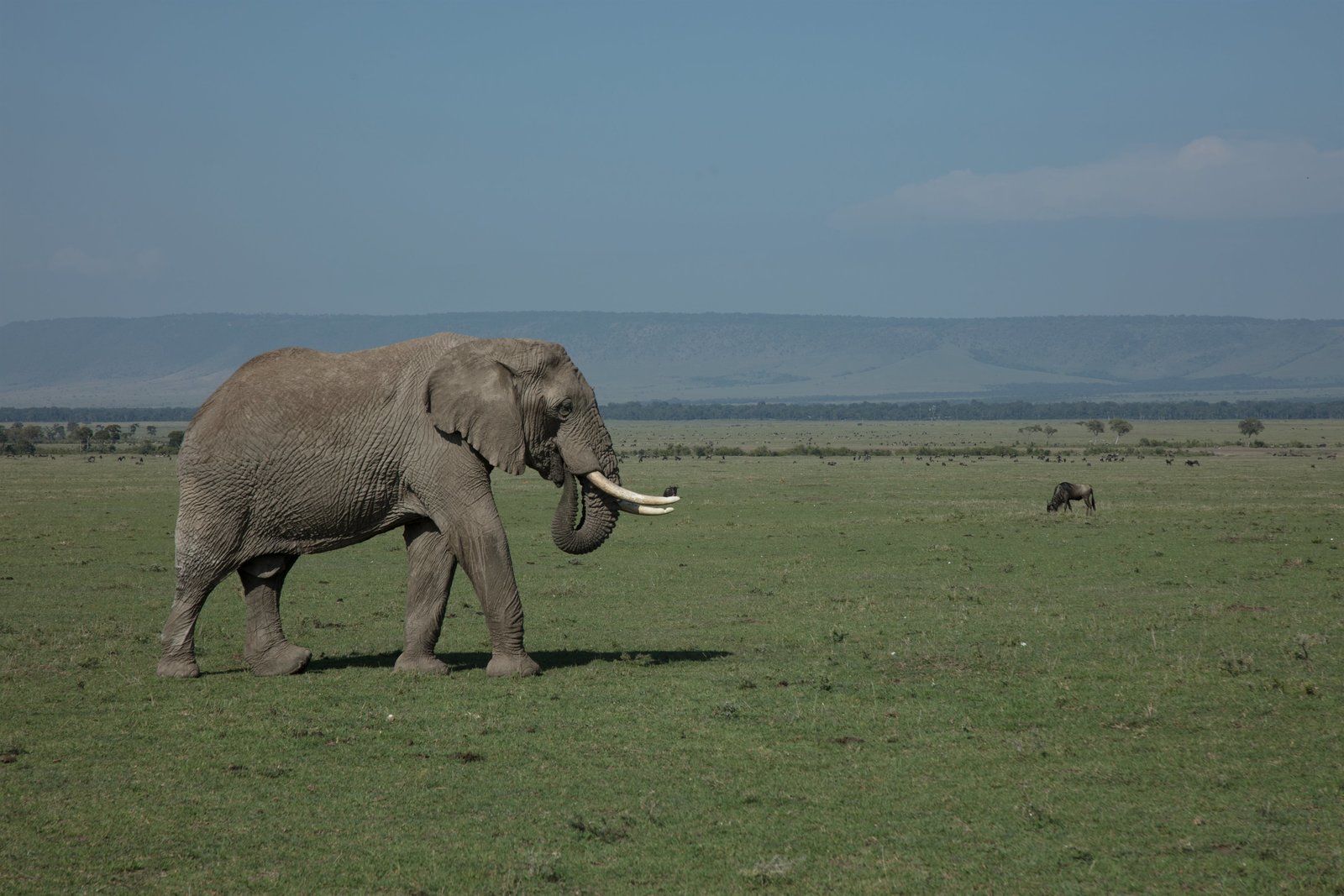
 SteppenKENYA - Elephant herd in Amboseli National Park.Bild: © National Geographic / Tom Greenhalgh