Das Film- und Fernsehserien-Infoportal

Log-In für "Meine Wunschliste"

Passwort vergessen

  • Bitte trage Deine E-Mail-Adresse ein, damit wir Dir ein neues Passwort zuschicken können:
  • Log-In | Neu registrieren

Registrierung zur E-Mail-Benachrichtigung

  • Anmeldung zur kostenlosen Serienstart-Benachrichtigung für

  • E-Mail-Adresse
  • Für eine vollständige und rechtzeitige Benachrichtigung übernehmen wir keine Garantie.
  • Fragen & Antworten
14

Great Human Race

(The Great Human Race) 
USA, 2016–

Great Human Race
National Geographic Channel
  • 14 Fans
  • Serienwertung0 30350noch keine Wertungeigene: –

Bildergalerie zu "Great Human Race"

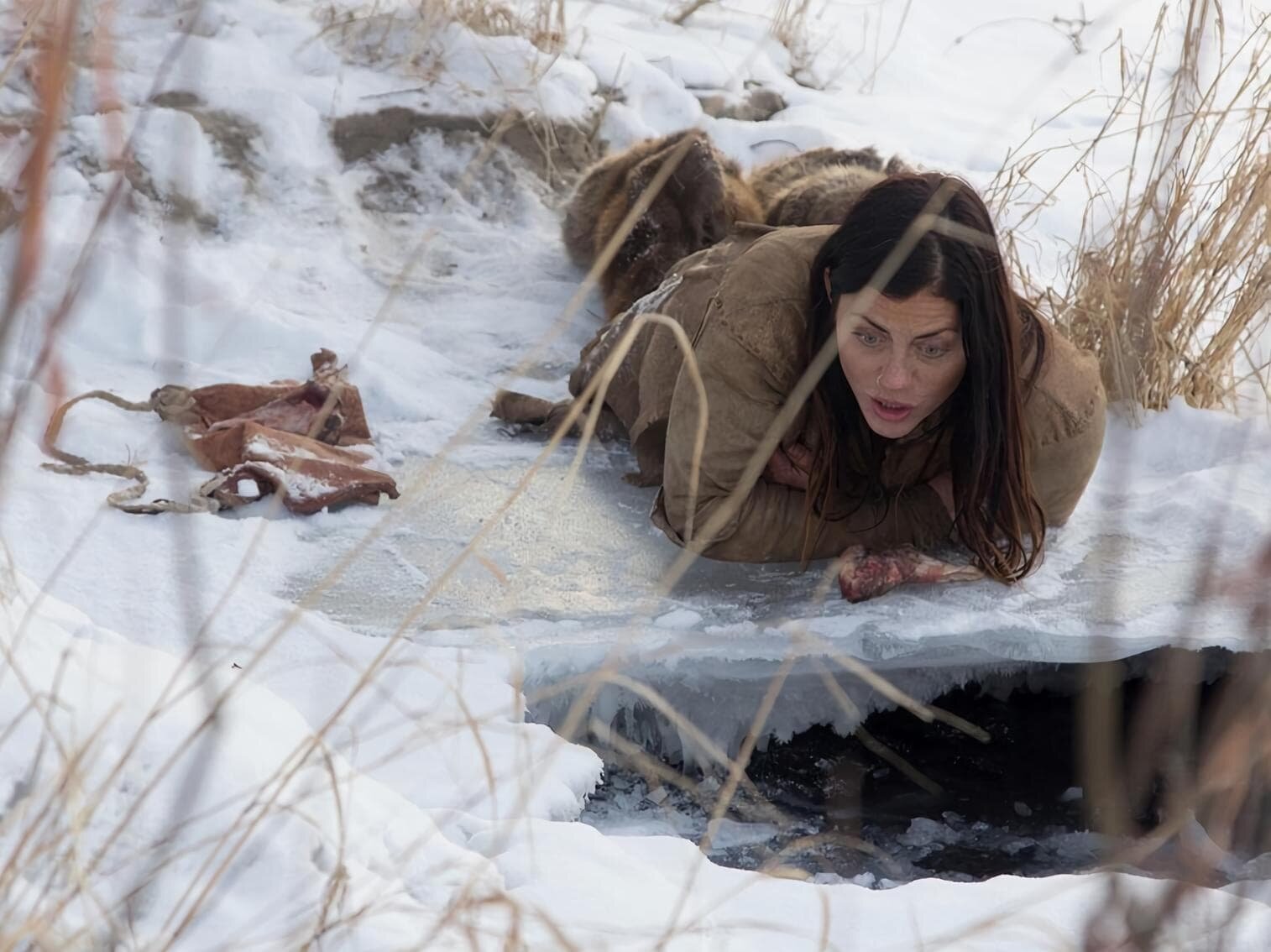
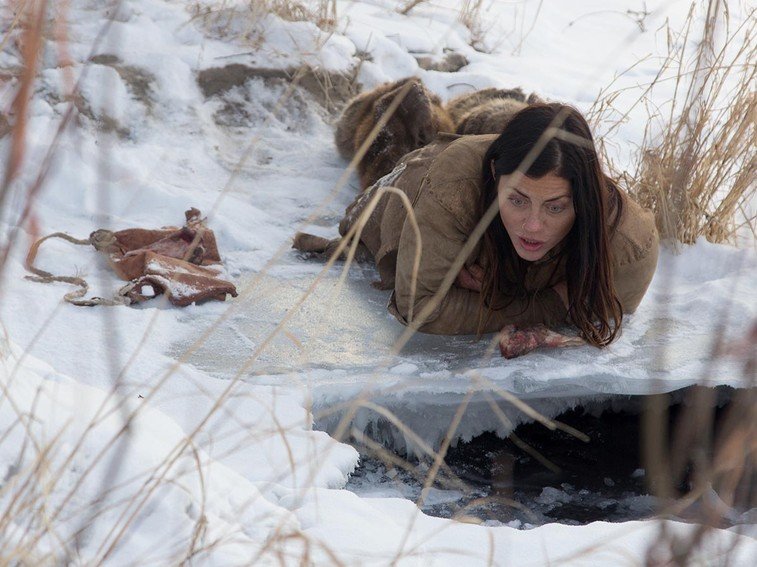
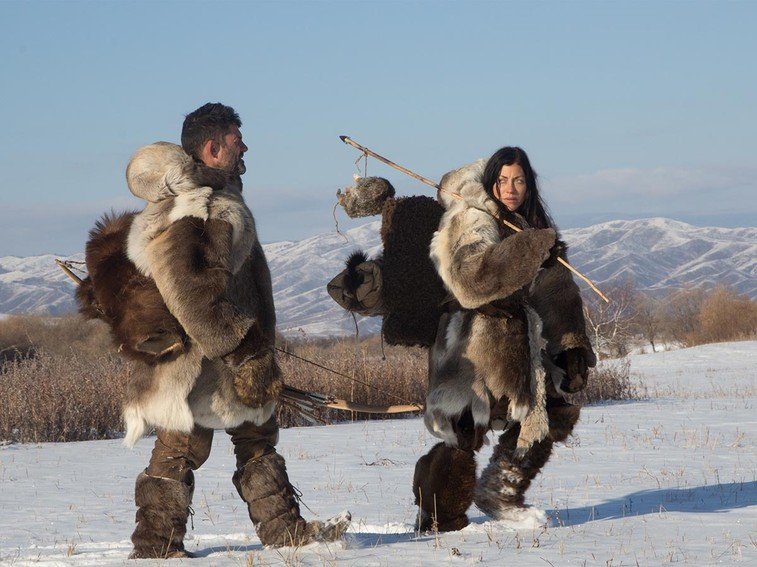
  • Eis
    Ice Age genetic material from fungi, plants, and various species of megafauna like woolly mammoths and rhinos have been found in Northern Siberia, suggesting that this region may have been a warm oasis for animals as compared with other ice-locked regions of Northern Europe.
    Bild: © Photograph by NG Studios/ Griffin Kenemer
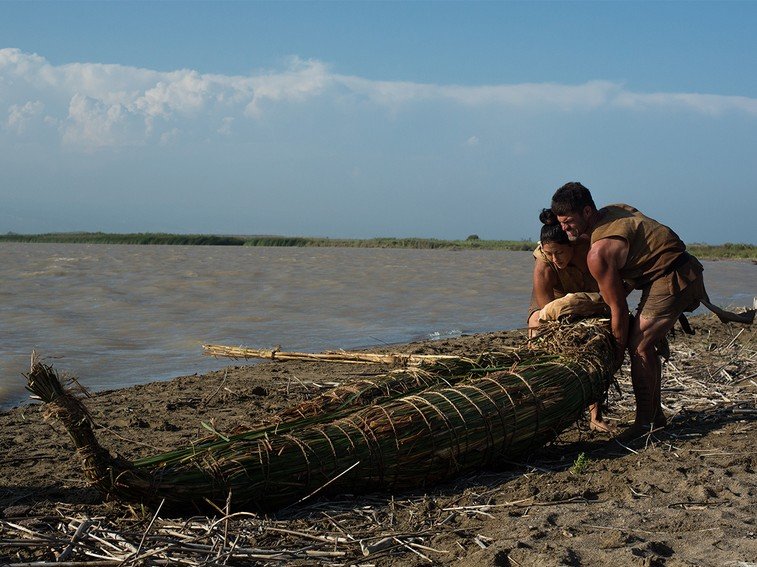
  • Neuland
    Cat Bigney and Bill Schindler haul their reed boat up onto the shores of the river mouth to assess their next movements.
    Bild: © Photograph by National Geographic Studios/Tahria Sheather
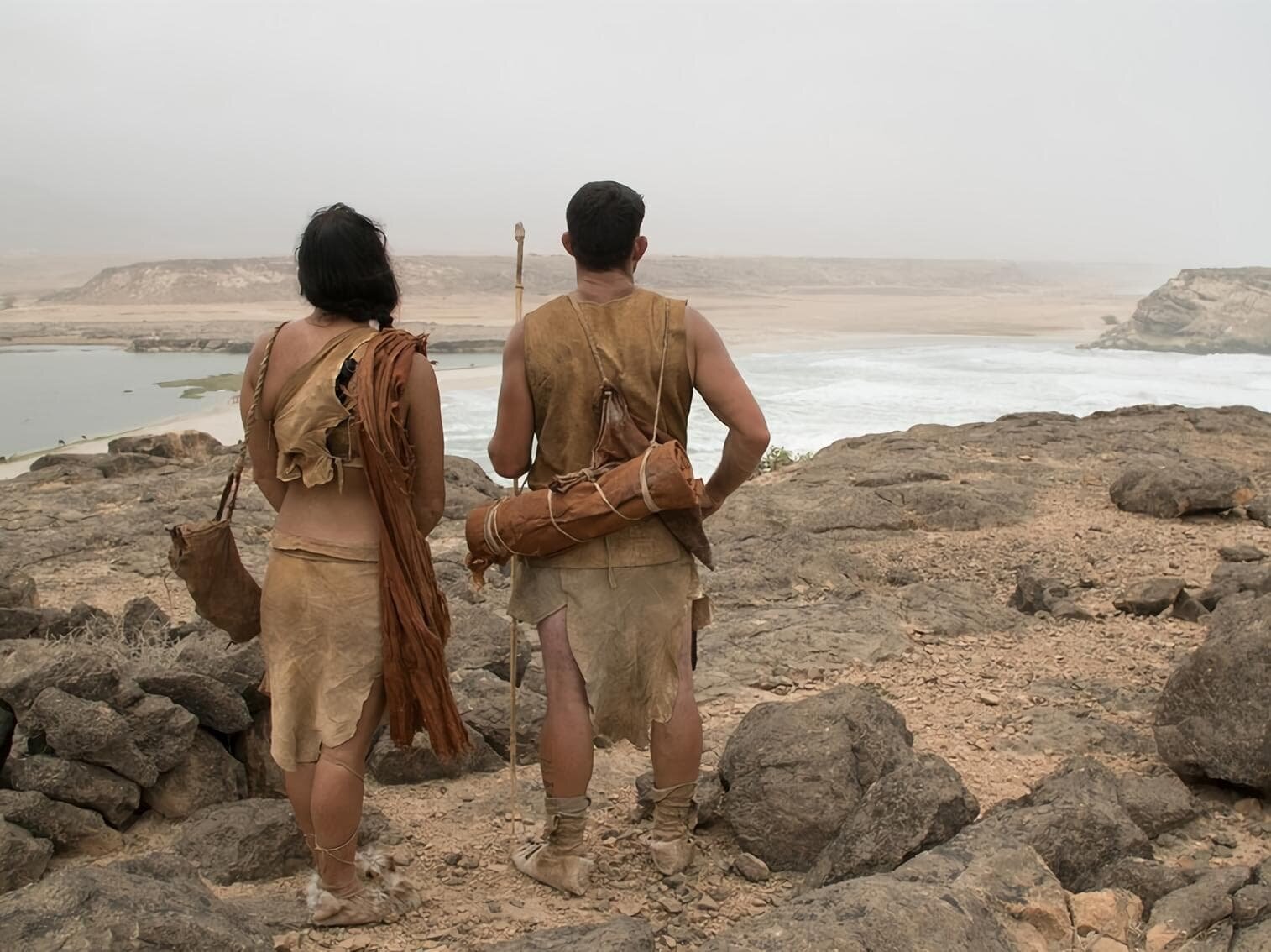
  • Durst
    Bill and Cat look over their final destination, where the river they have followed from the desert finally meets the ocean.
    Bild: © Photograph by NG Studios/Griffin Kenemer
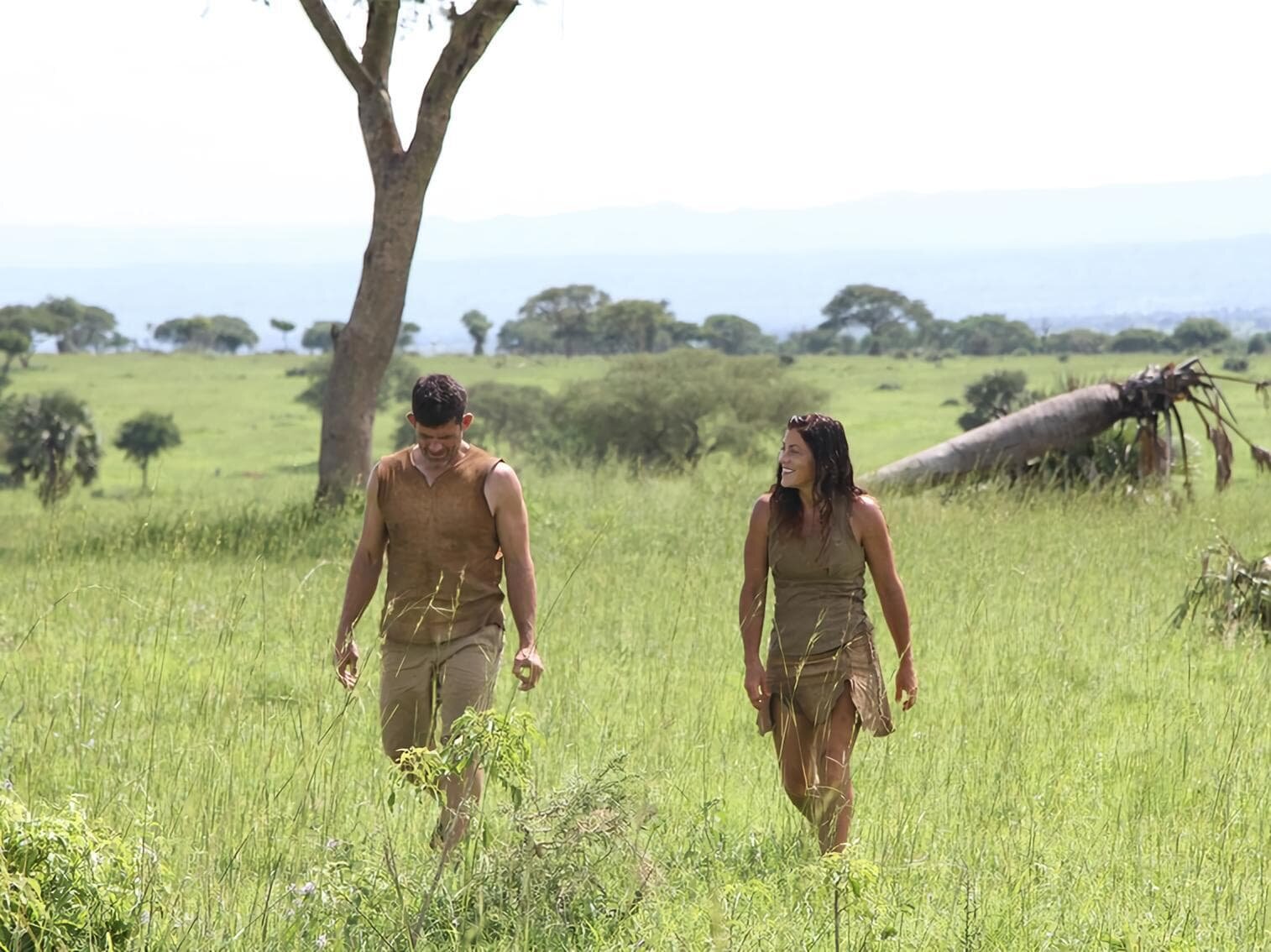
  • Feuer
    Much of Africa receives the bulk of its rainfall during the winter-wet season with annual rainfall totals ranging from 1,500 to 2,000 mm per year. Each winter's monsoon contributes around 40% of that total.
    Bild: © Photograph by NG Studios/ Griffin Kenemer
  • Neue Welt
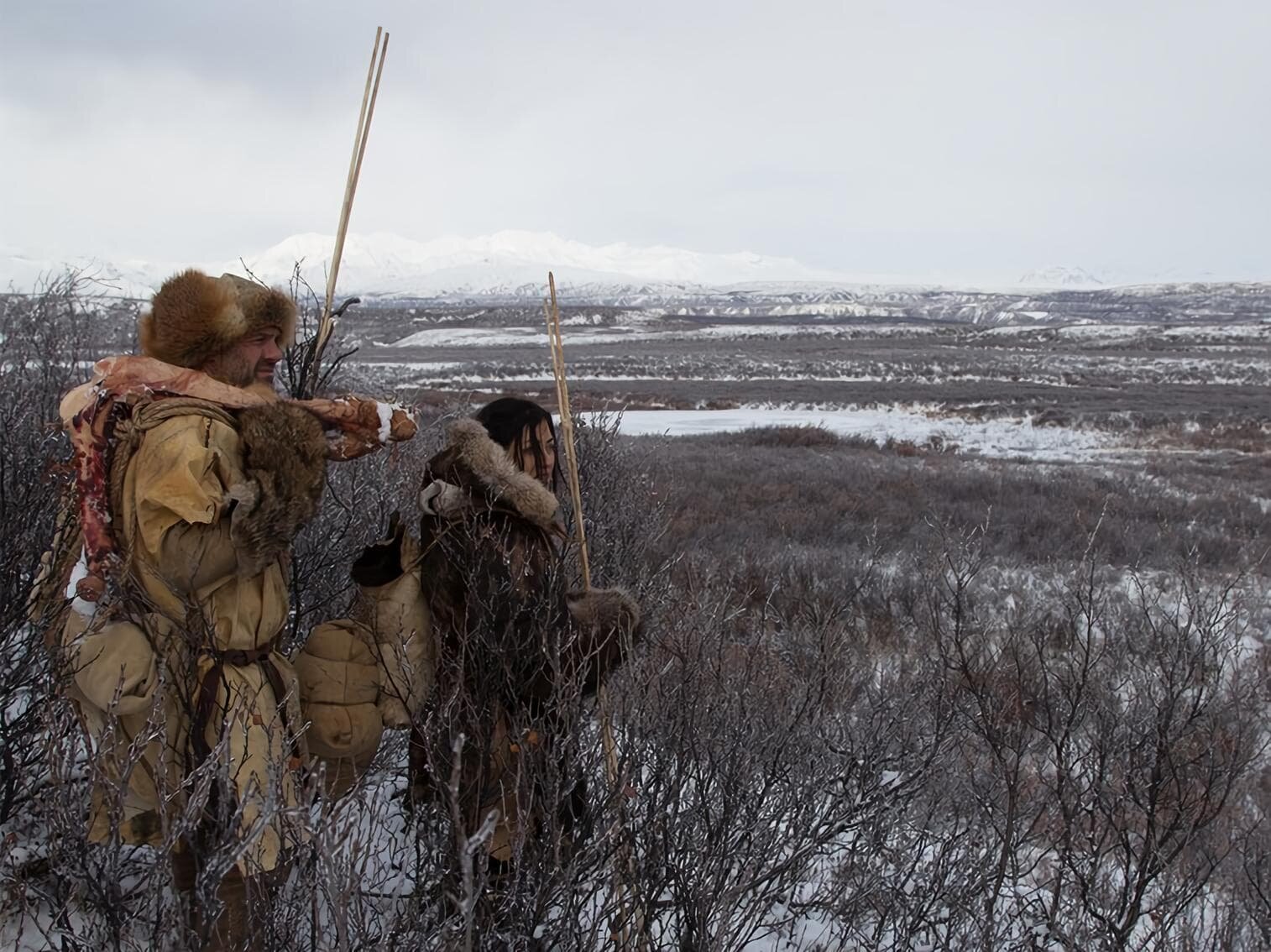
    Beringia may have been a more hospitable environment than continental lands in Siberia or Alaska, 15,000 years ago. Scientists have recovered pollen, insects, and plant remains from beneath the Bering Sea, suggesting that the first Native Americans would have encountered grassy plains lush enough to support megafauna, with woody shrubs for tools and fires.
    Bild: © Photograph by NG Studios/ Griffin Kenemer
  • Durst
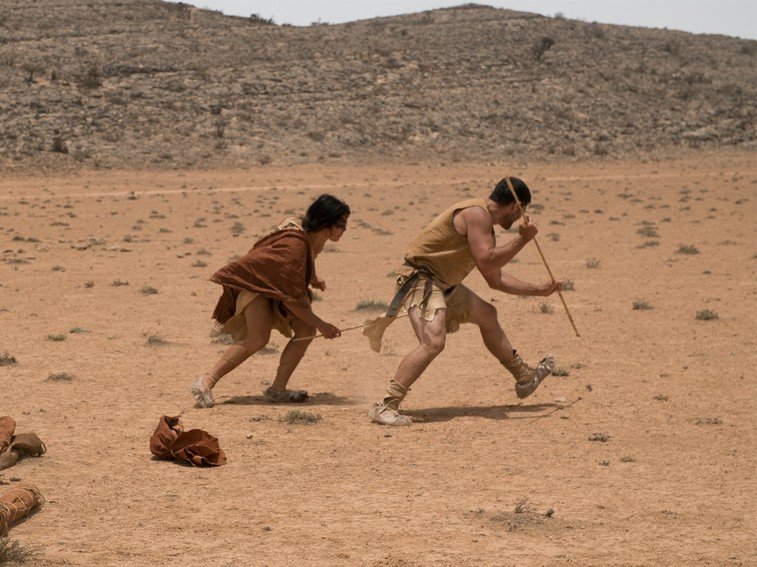
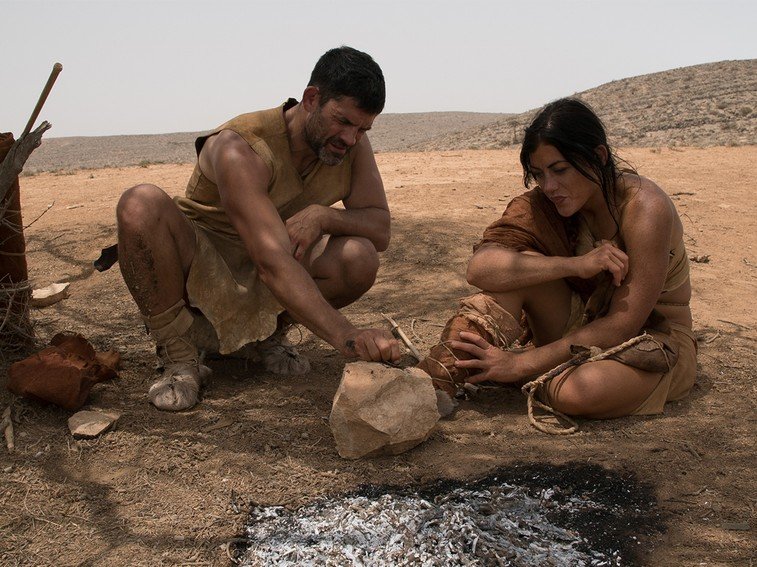
    Bill and Cat use their micro-Nubian spear tips to hunt a small desert mouse.
    Bild: © Photograph by NG Studios/Griffin Kenemer
  • Neuland
    Bill Schindler inspecting shells on the beach.
    Bild: © Photograph by National Geographic Studios/Tahria Sheather
  • Nomaden
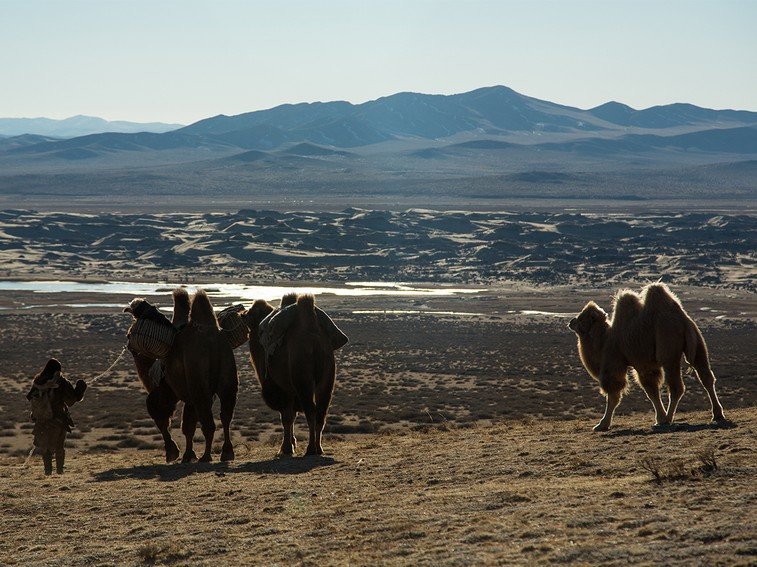
    Bactrian camels live in the rocky cold deserts of Central and East Asia instead of the hot Sahara and have two humps instead of one like their cousins in Africa, the Arabian camel. They are the only truly wild camel left on earth, but their numbers have dwindled to less than 1,000.
    Bild: © hotograph by NG Studios/ Tahria Sheather
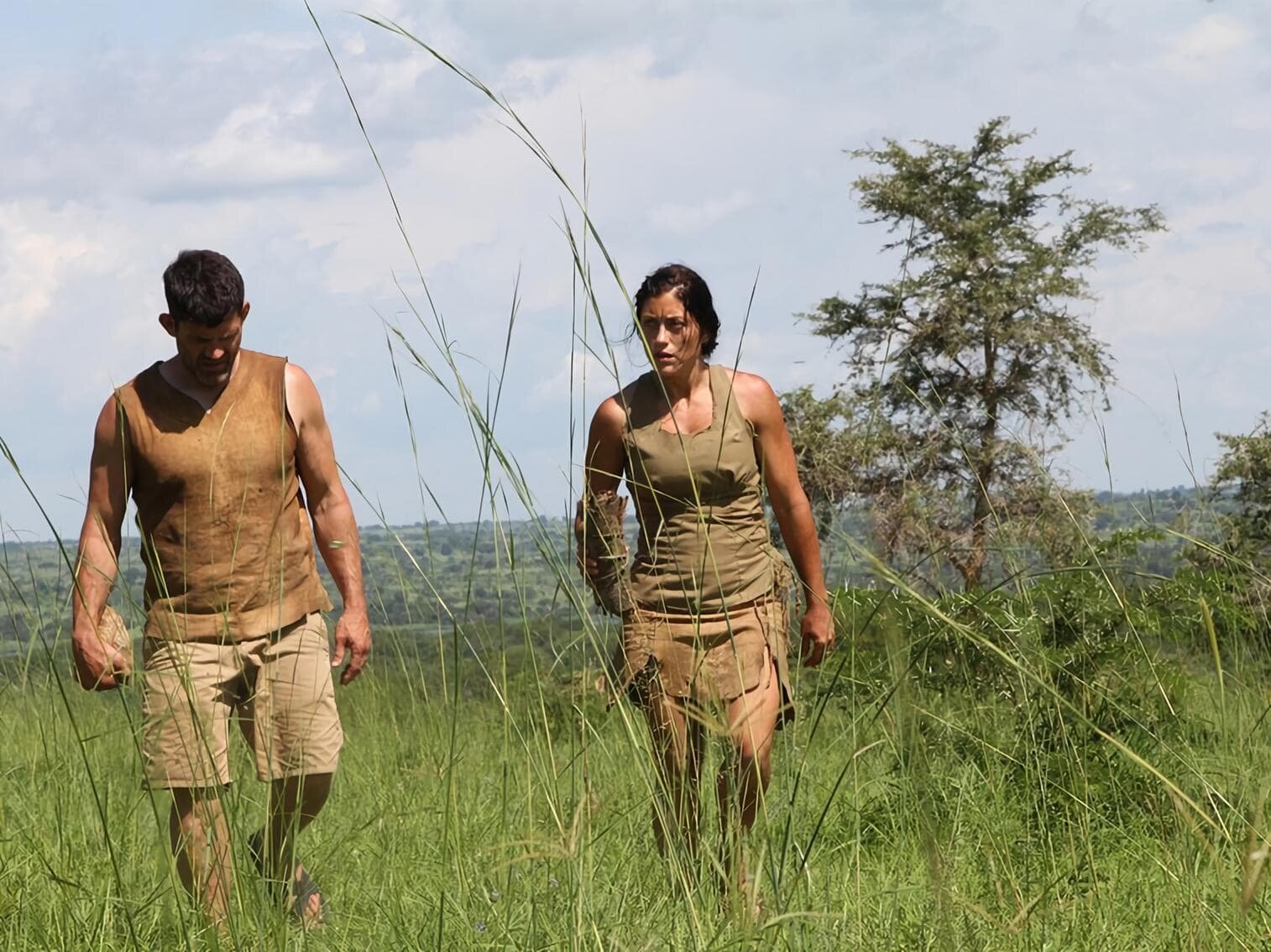
  • Jagd
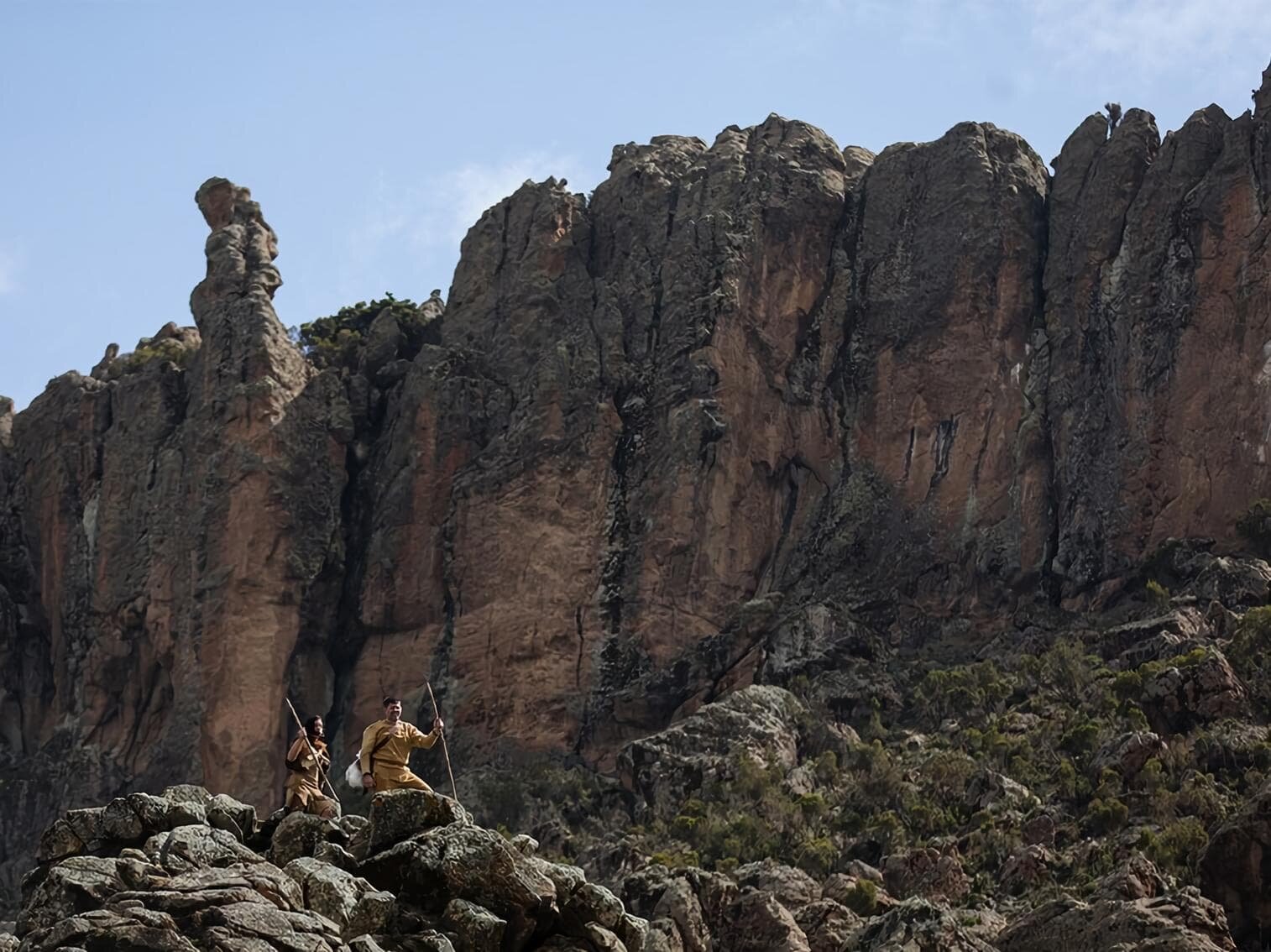
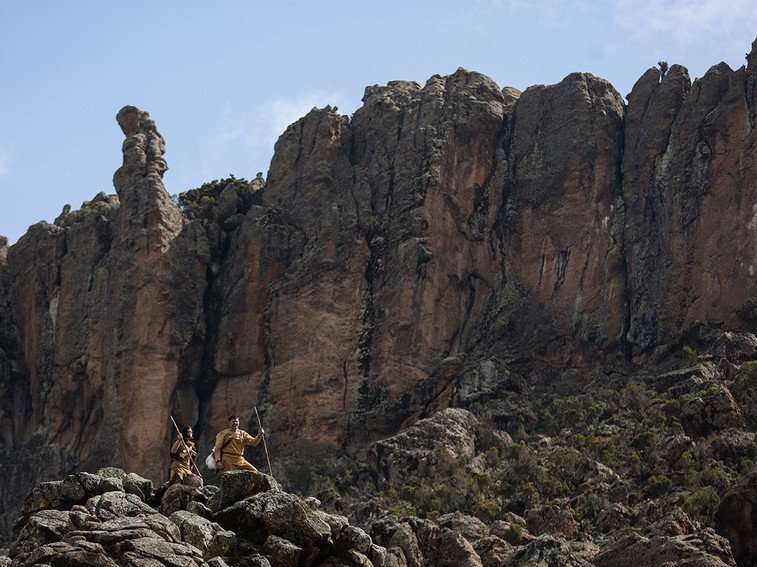
    Bill Schindler and Cat Bigney traverse rocky alpine terrain in the Bale Mountains.
    Bild: © 1996-2016 National Geographic Channel. All rights reserved.
  • Jagd
    Bill Schindler and Cat Bigney traverse rocky alpine terrain in the Bale Mountains.
    Bild: © 1996-2016 National Geographic Channel. All rights reserved.
  • Unterschlupf
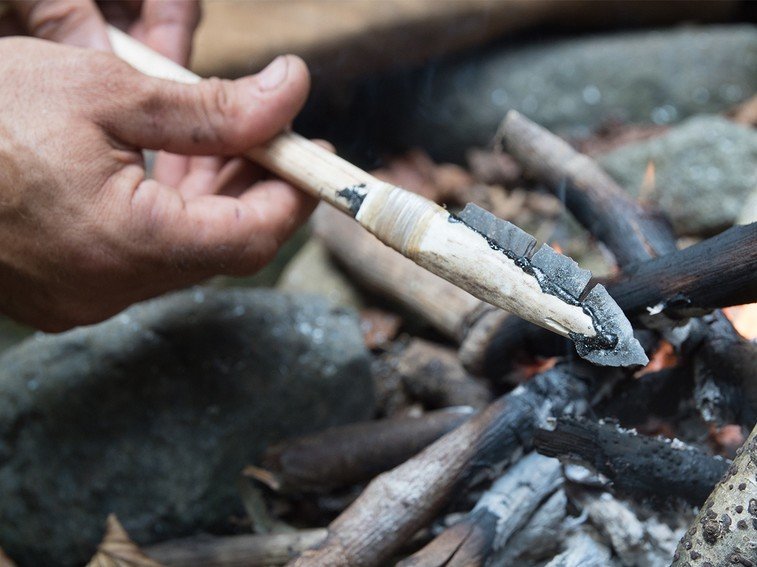
    Bill puts the final touches on a composite atlatl tip, heating pine pitch to glue small bladelets into an antler point.
    Bild: © National Geographic
  • Durst
    Bill and Cat eat the full mouse they caught, charred and ground on a rock with bones and all.
    Bild: © Photograph by NG Studios/Griffin Kenemer
  • Neuland
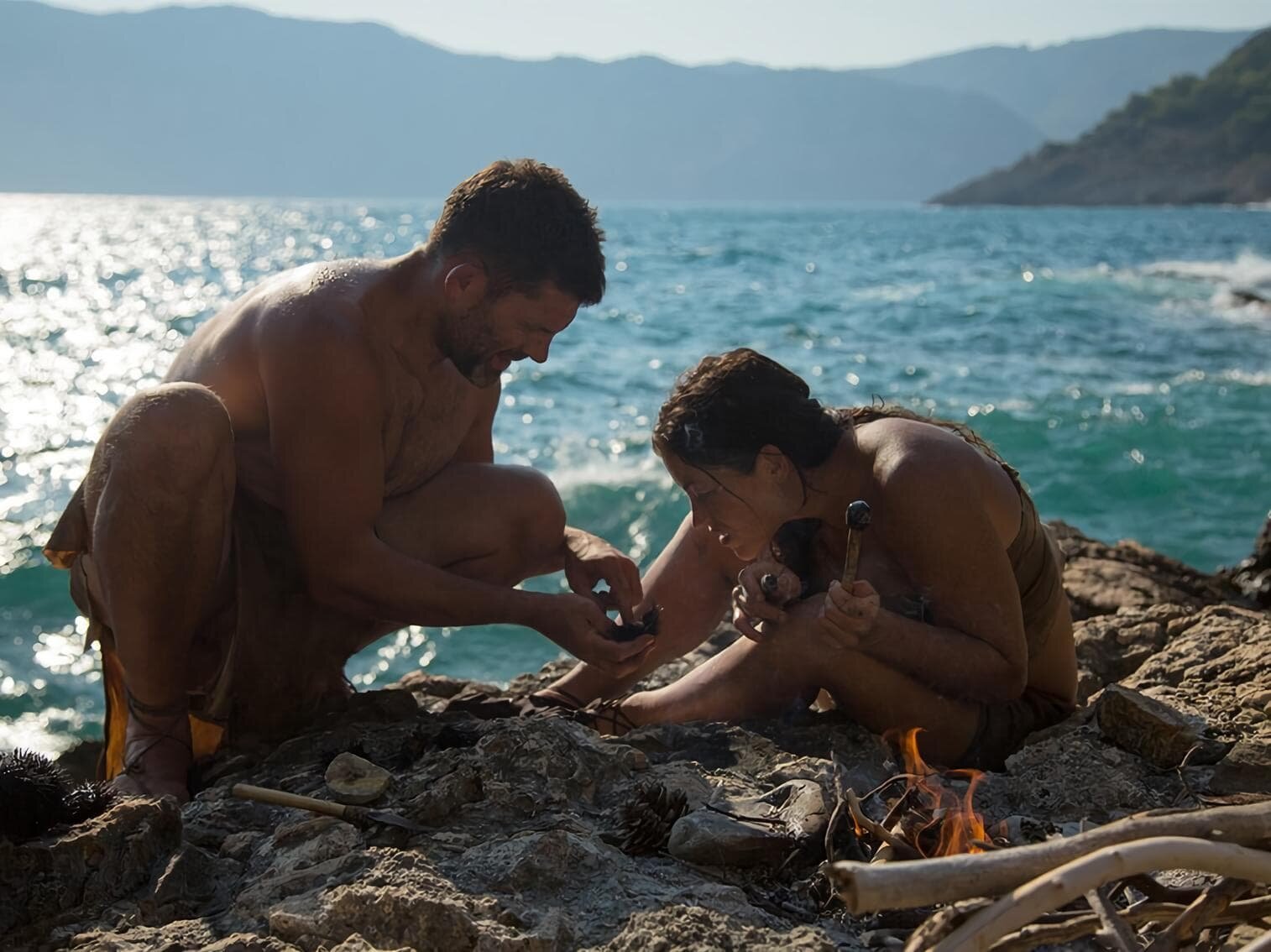
    Bill Schindler cuts open a sea urchin he has harvested and shows it to Cat Bigney, before they share a meal of urchin sushi.
    Bild: © Photograph by National Geographic Studios/Tahria Sheather
  • Durst
    Bill uses natural bowls in the rock face to boil hot rocks, heating river cobbles until they are red hot and then dropping them into the water to purify it.
    Bild: © Photograph by NG Studios/Griffin Kenemer
  • Aufbruch
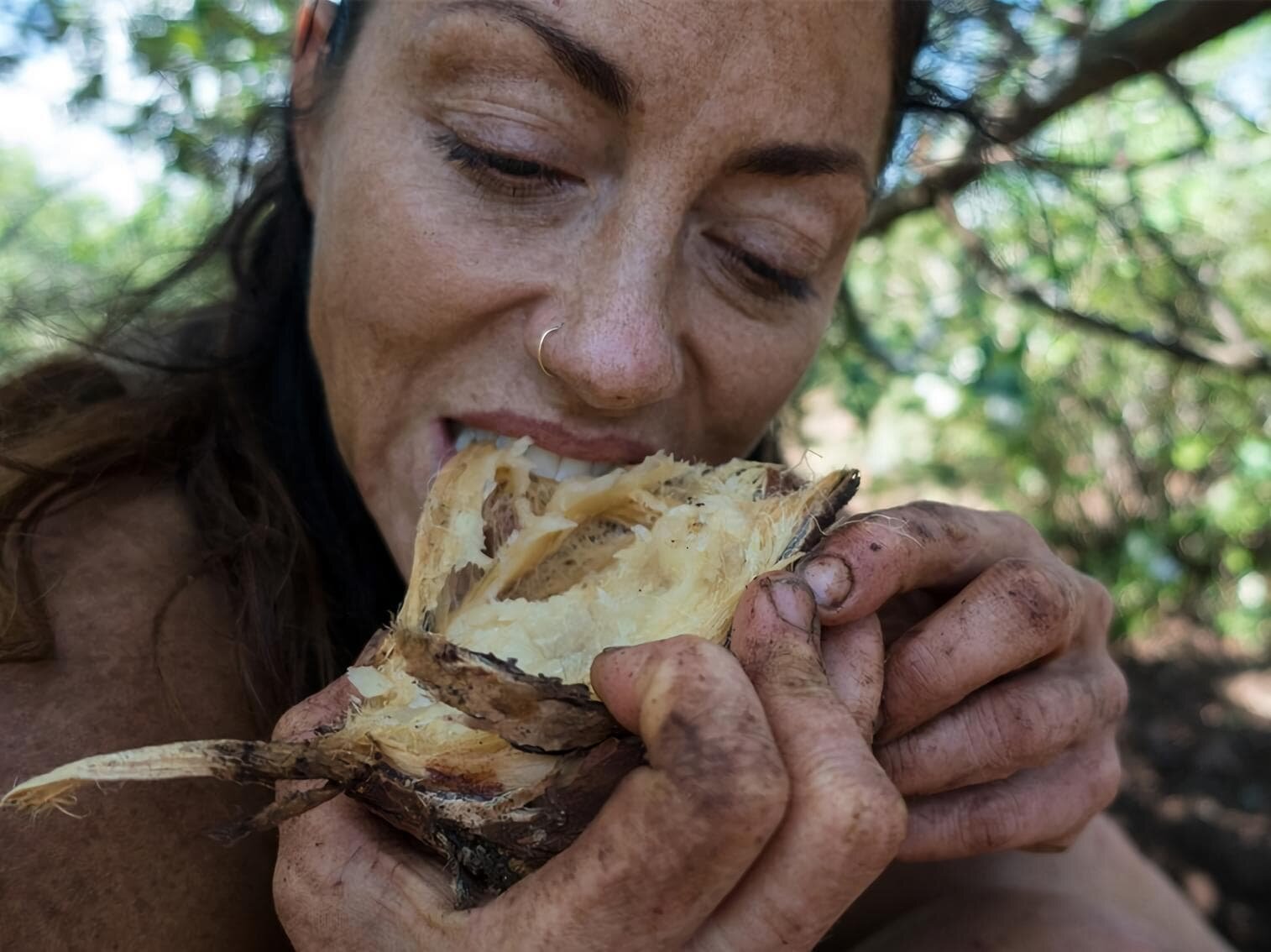
    Cat Bigney bites into a tuber that she's just dug up - water-rich, starchy plants growing deep under the ground.
    Bild: © 1996-2016 National Geographic Channel. All rights reserved.
  • Aufbruch
    Cat Bigney bites into a tuber that she's just dug up - water-rich, starchy plants growing deep under the ground.
    Bild: © 1996-2016 National Geographic Channel. All rights reserved.
  • Eis
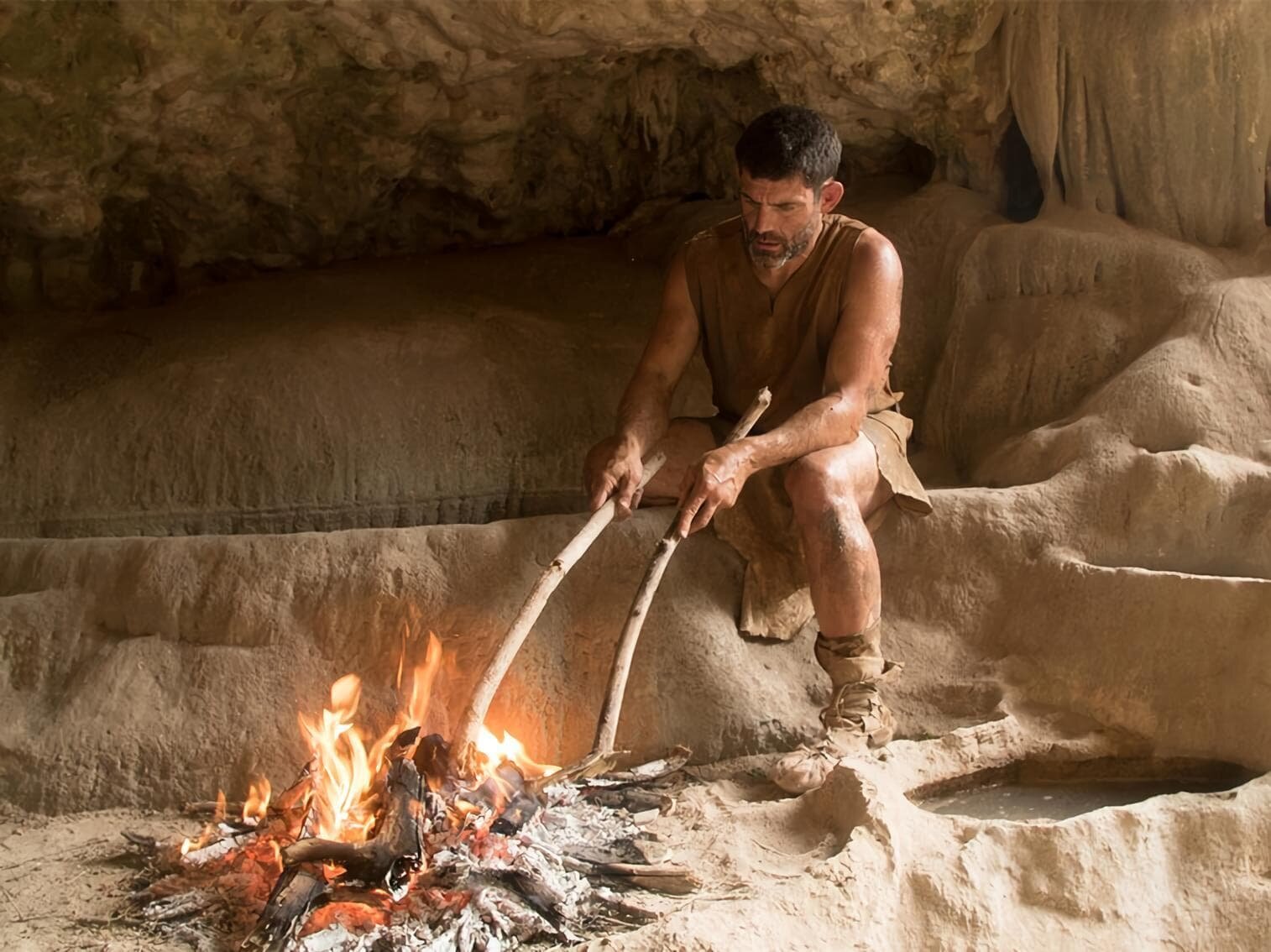
    Bill stokes the fire as the whole yak head rests in it, singeing off the hair and thawing it enough to crack into the skull.
    Bild: © Photograph by NG Studios/ Griffin Kenemer
  • Eis
    Bill stokes the fire as the whole yak head rests in it, singeing off the hair and thawing it enough to crack into the skull.
    Bild: © Photograph by NG Studios/ Griffin Kenemer
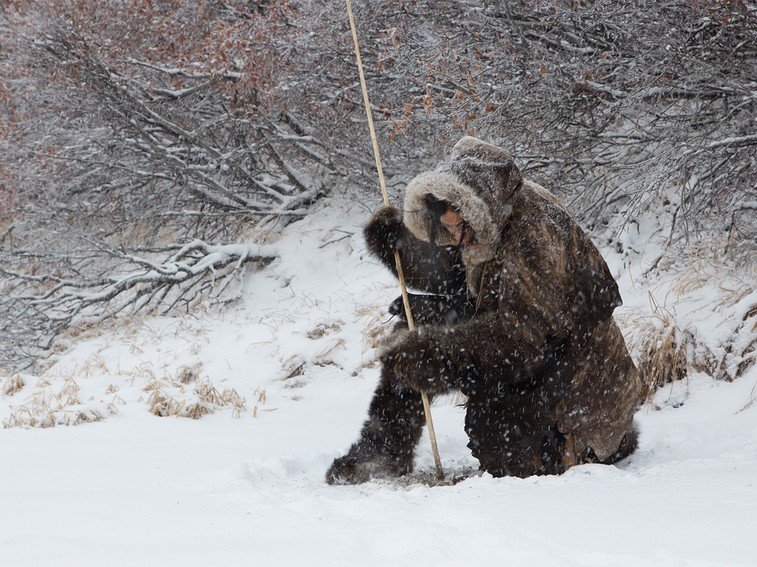
  • Neue Welt
    Cat uses her atlatl dart to dig for usable stones in the middle of a snow storm.
    Bild: © Photograph by NG Studios/ Griffin Kenemer
  • Feuer
    Homo erectus experienced a pronounced increase in brain size. Almost 50 percent larger than that of the earlier human Australopithecus.
    Bild: © Photograph by NG Studios/ Griffin Kenemer