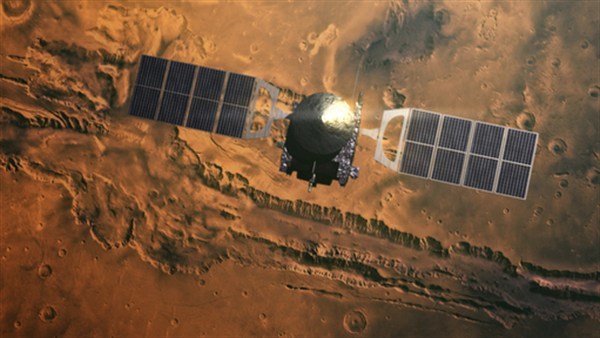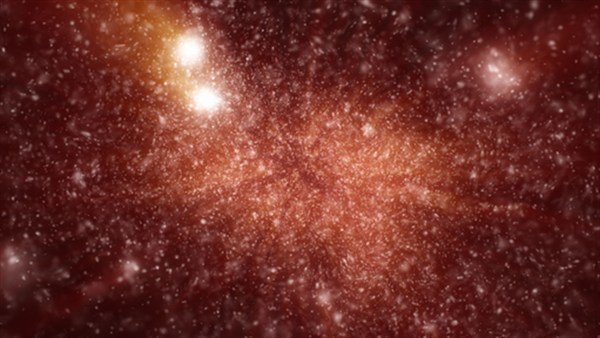
Bild: © National Geographic Channel
Neptun und Uranus
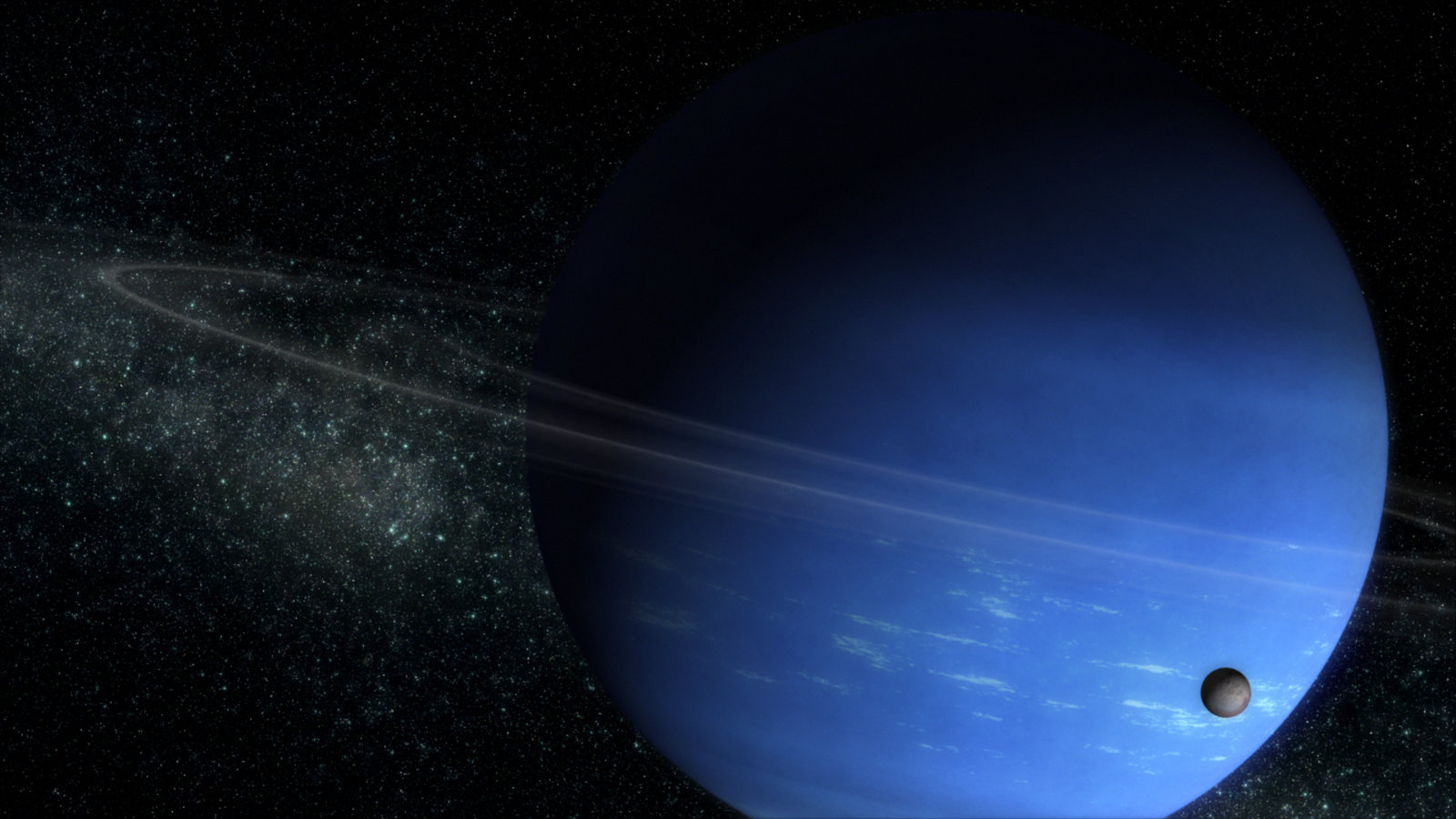
CGI IMAGE: Triton orbiting Neptune. Trton is the only large moon in the Solar System with a retrograde orbit, which is an orbit in the opposite direction to its planet's rotation. At 2700 km in diameter, it is the seventh-largest moon in the Solar System.
(Photo Credit: © Hive Studios)
Bild: © Hive Studios
Venus und Merkur
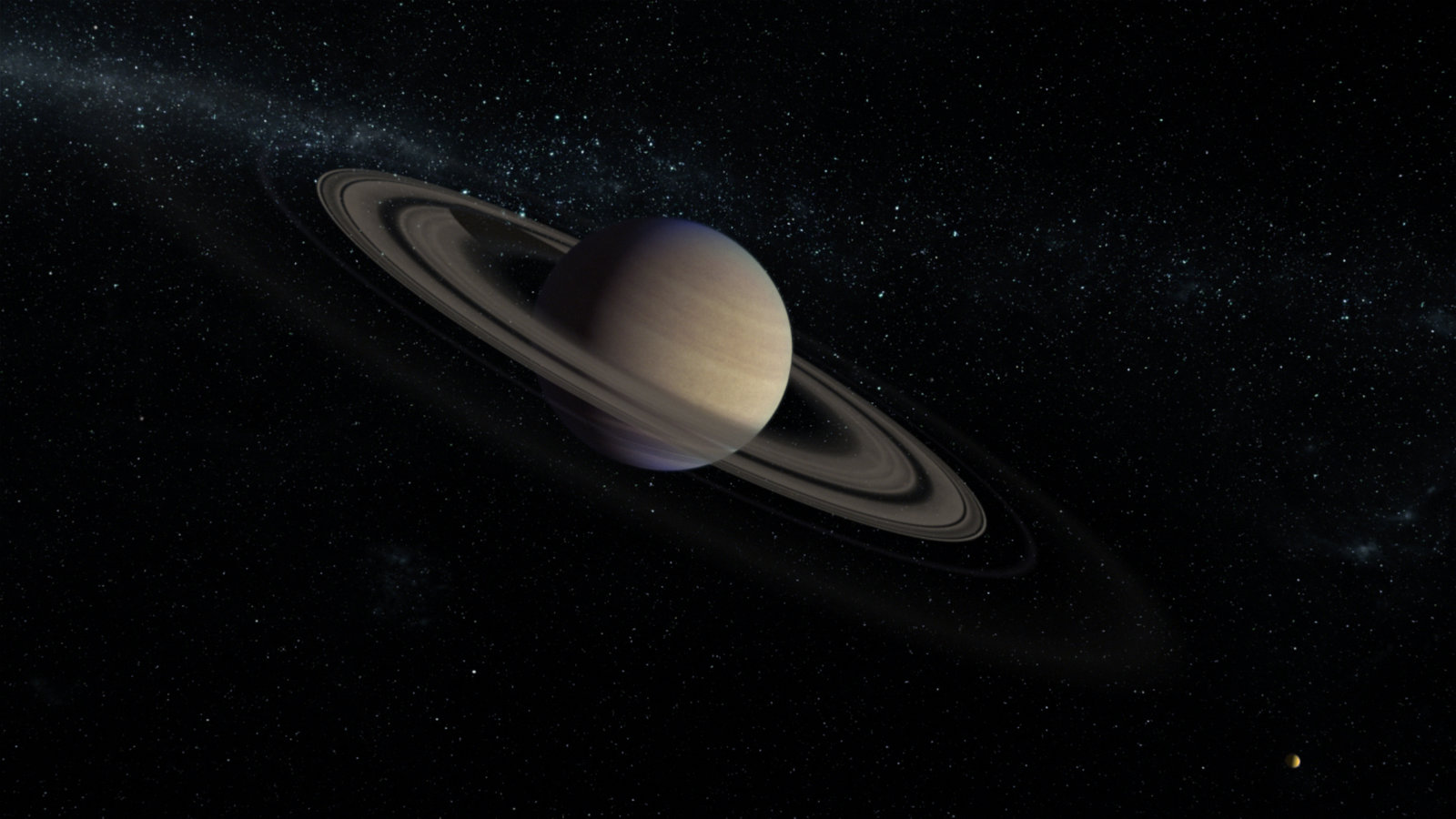
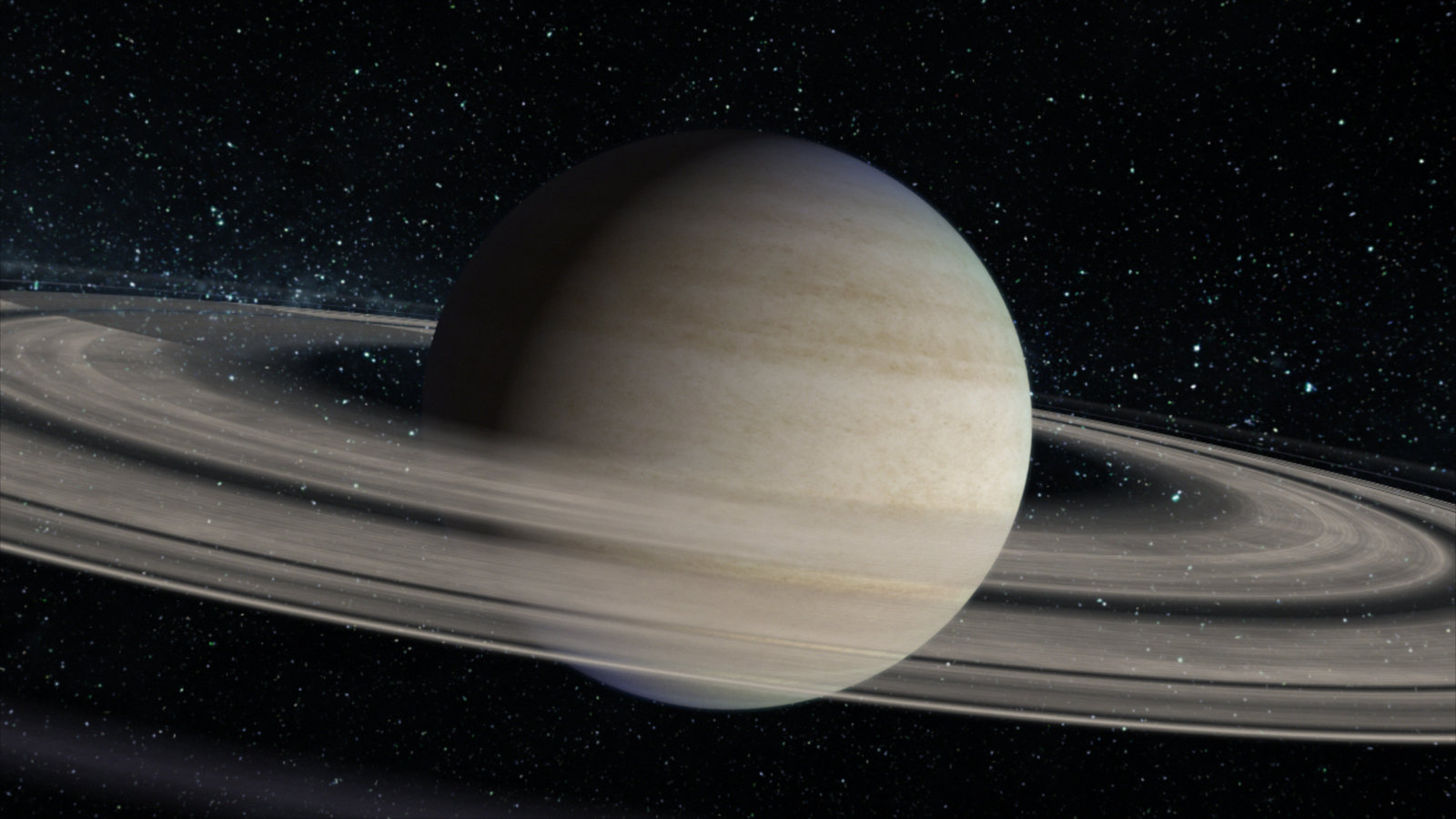
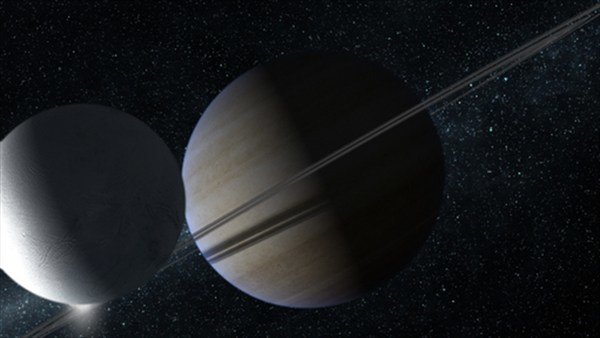
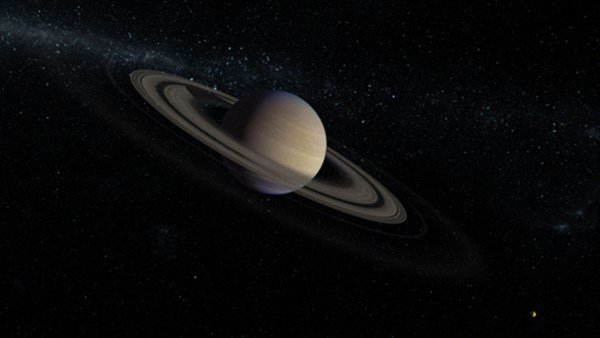
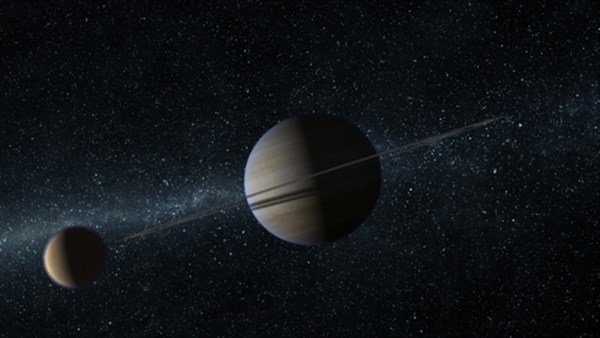
CGI IMAGE: Saturn is the sixth planet from the Sun and the second largest planet in the Solar System, after Jupiter. Saturn, along with Jupiter, Uranus and Neptune, is classified as a gas giant.
(Photo Credit: © Hive Studios)
Bild: © Hive Studios
Venus und Merkur
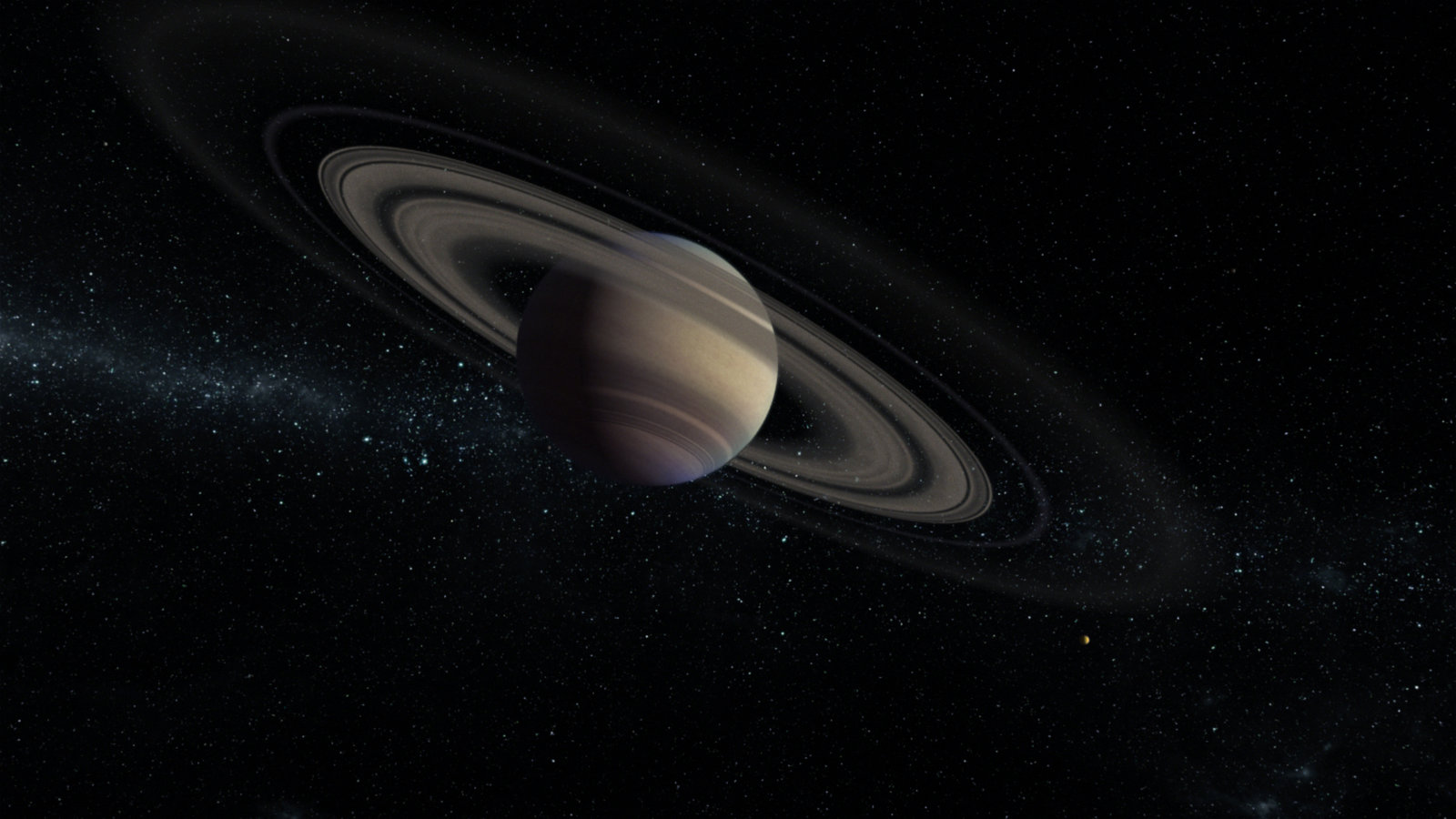
CGI IMAGE: Saturn is the sixth planet from the Sun and the second largest planet in the Solar System, after Jupiter. Saturn, along with Jupiter, Uranus and Neptune, is classified as a gas giant.
(Photo Credit: © Hive Studios)
Bild: © Hive Studios
Venus und Merkur
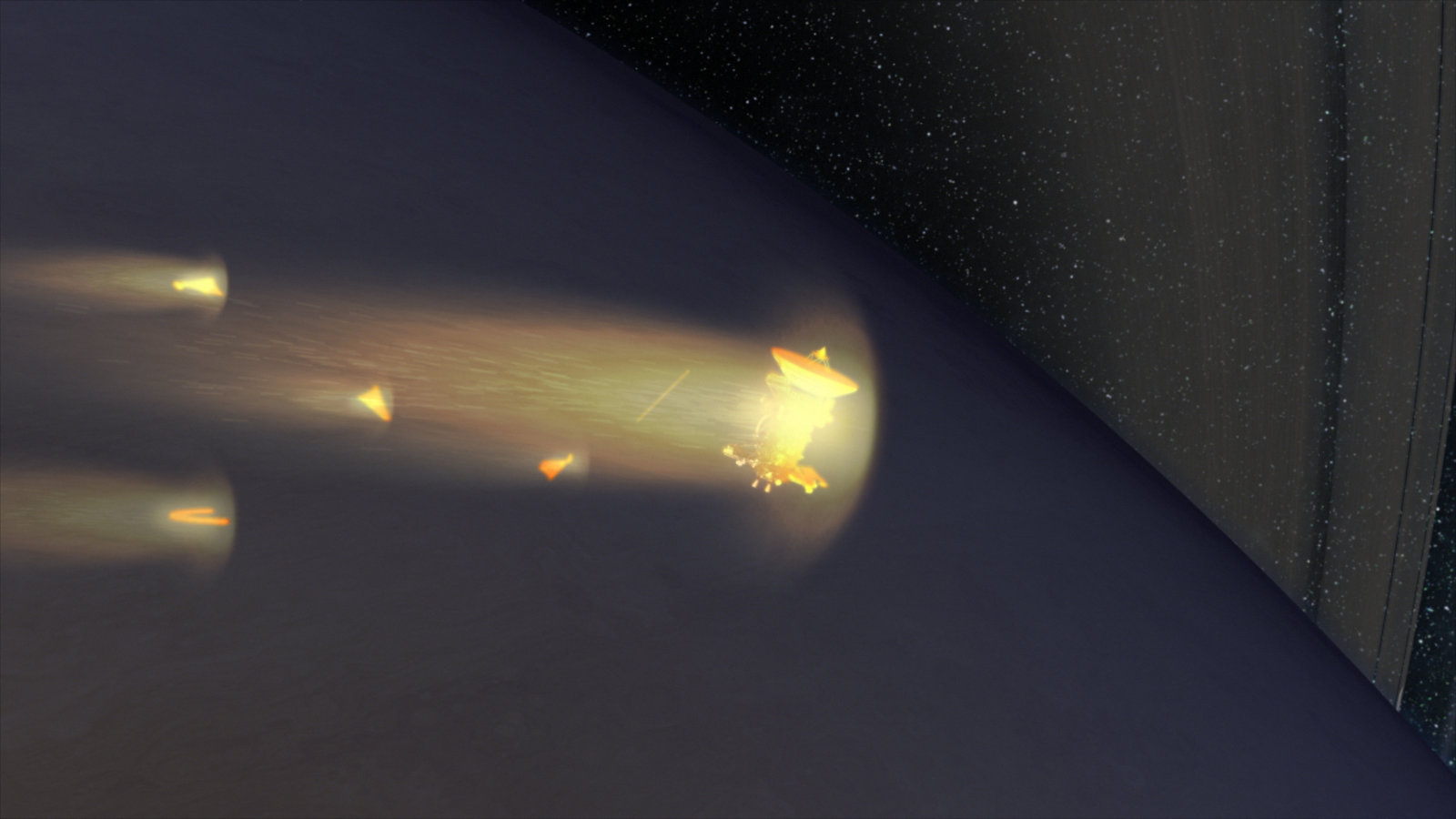
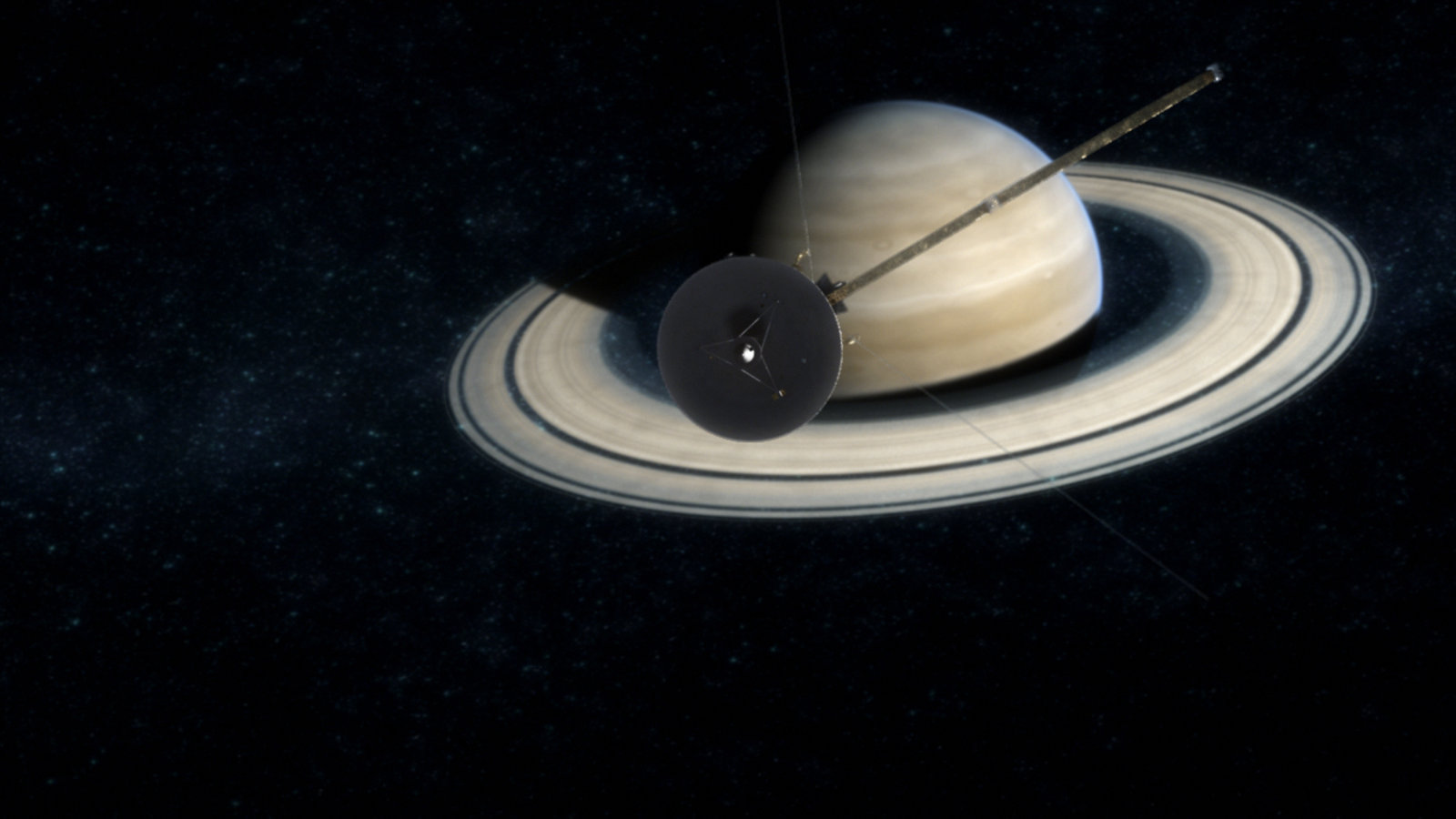
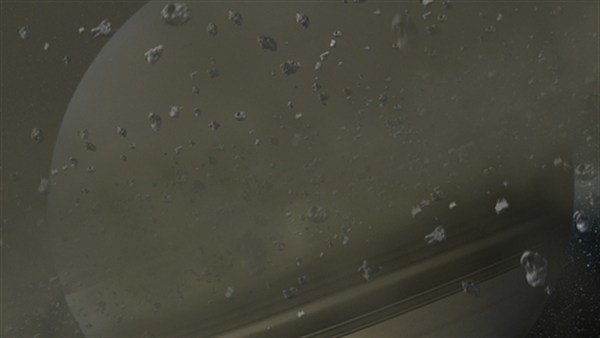
CGI IMAGE: Cassini burning up in Saturn. Saturn is the sixth planet from the Sun and the second largest planet in the Solar System, after Jupiter. Saturn, along with Jupiter, Uranus and Neptune, is classified as a gas giant. Cassini is a robotic spacecraft mission currently studying the planet Saturn and its many natural satellites. The complete Cassini space probe was launched on October 15, 1997, and after a long interplanetary voyage, it entered into orbit around Saturn on July 1, 2004.
(Photo Credit: © Hive Studios)
Bild: © Hive Studios
Neptun und Uranus
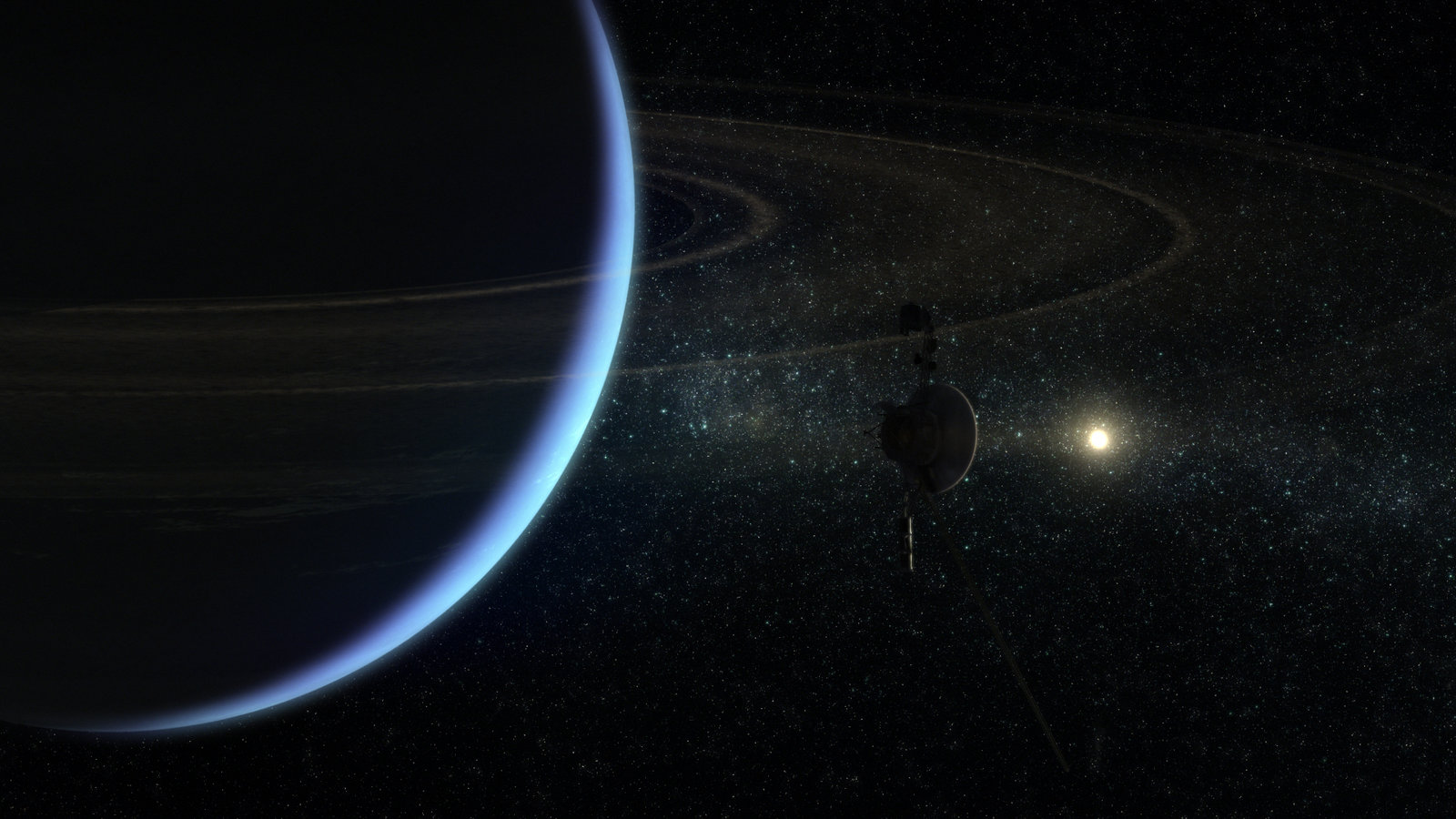
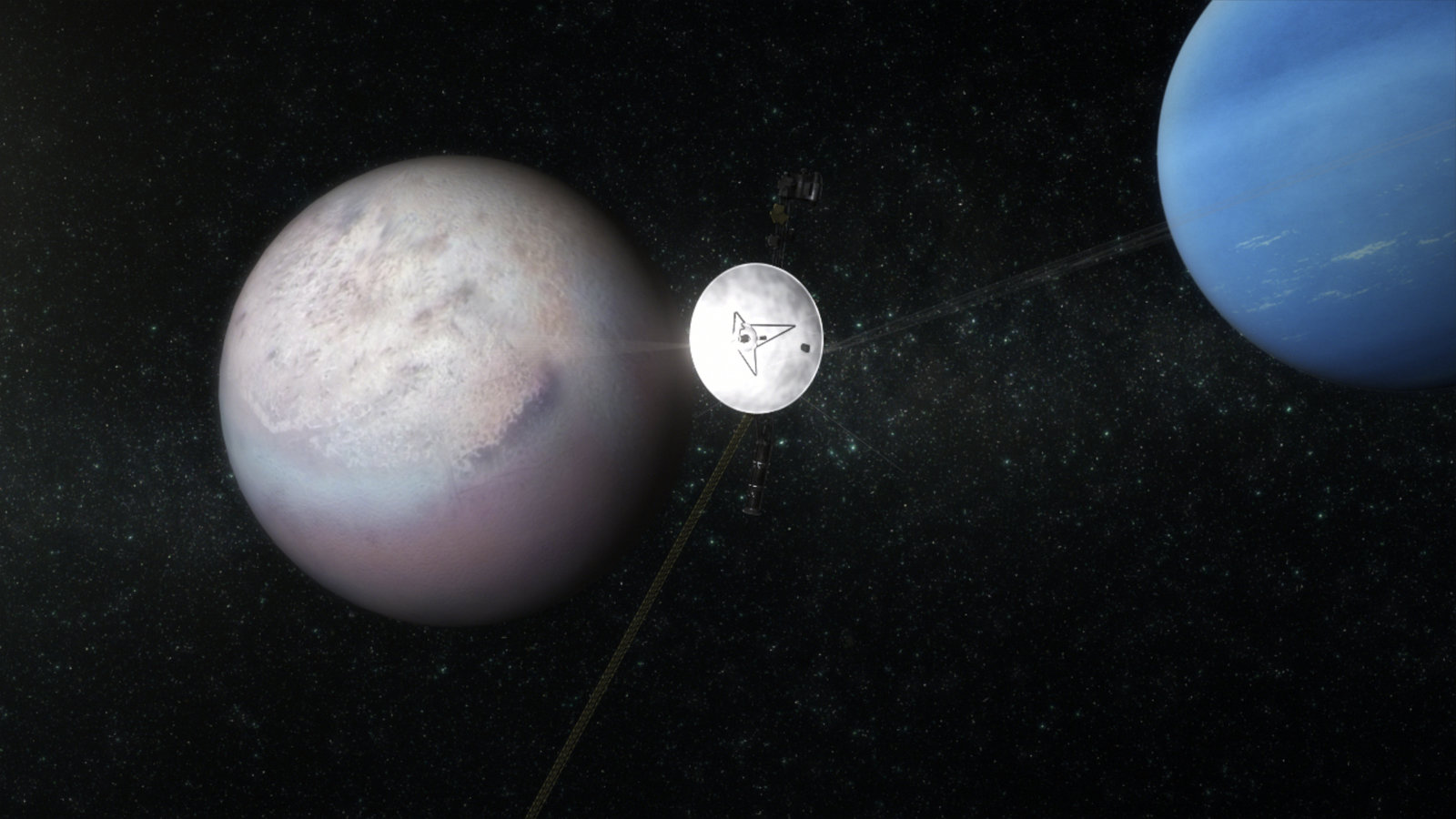
CGI IMAGE: Voyager passing Neptune. Voyager was launched in 1977.
(Photo Credit: © Hive Studios)
Bild: © Hive Studios
Neptun und Uranus
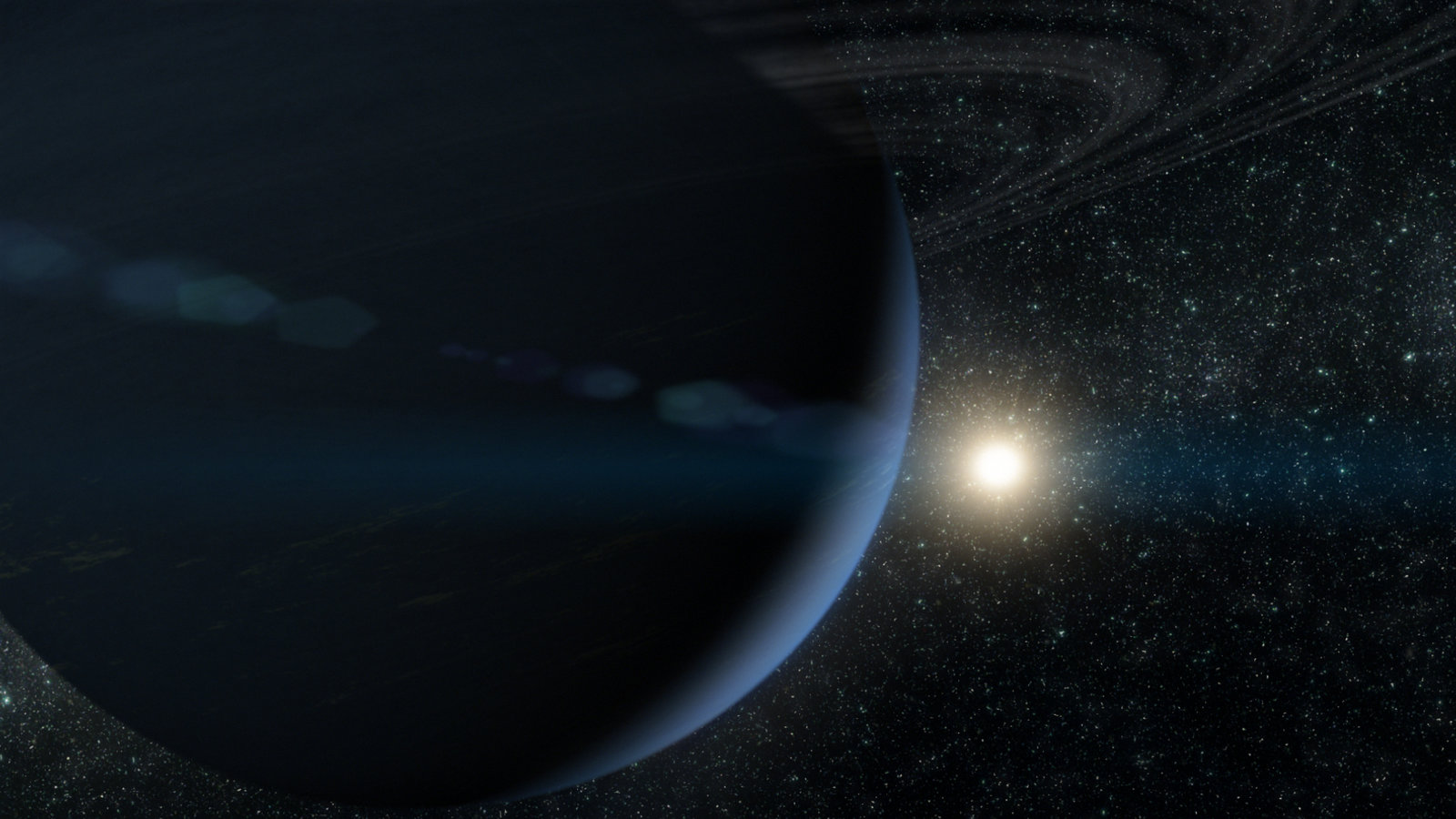
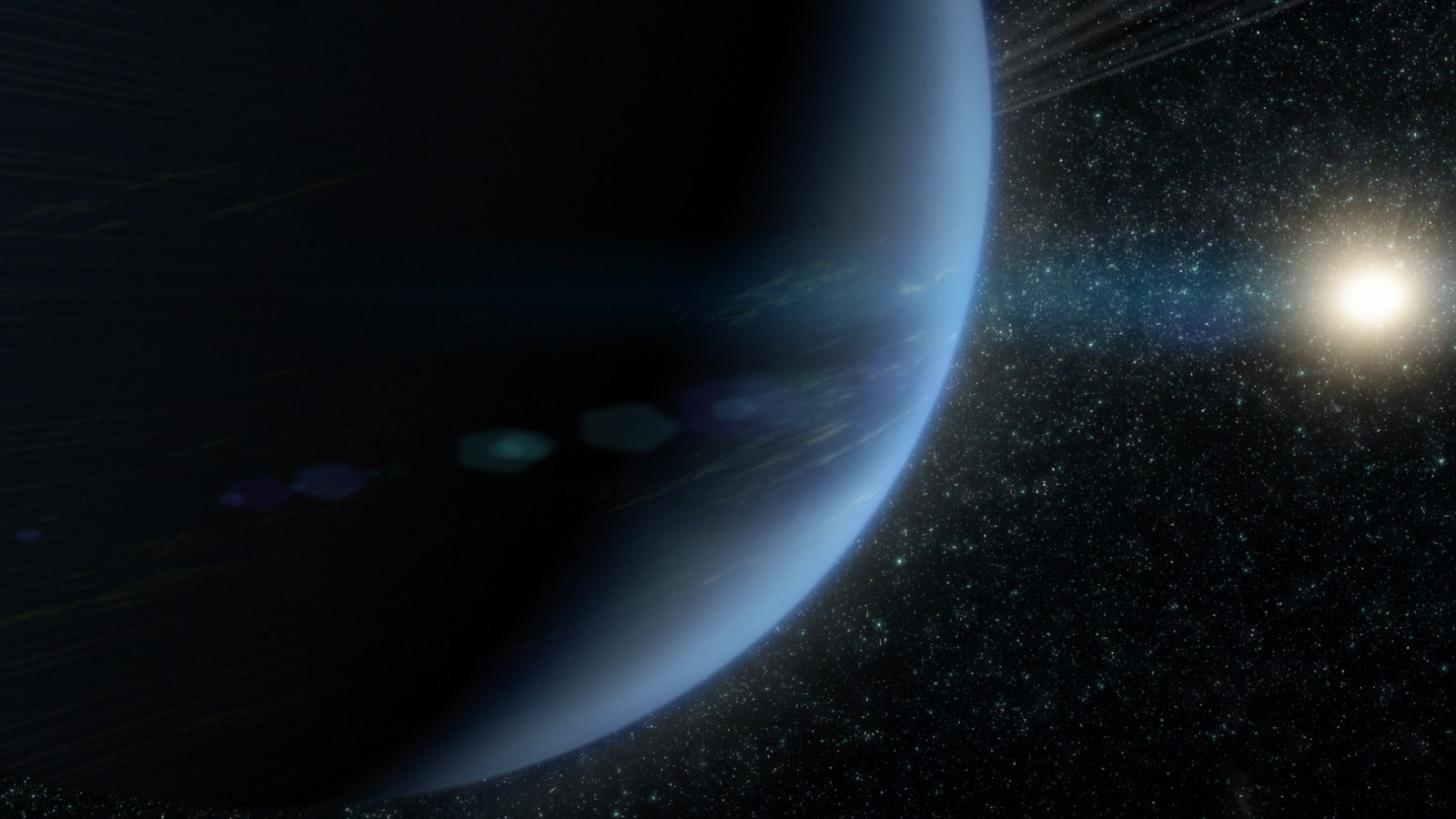
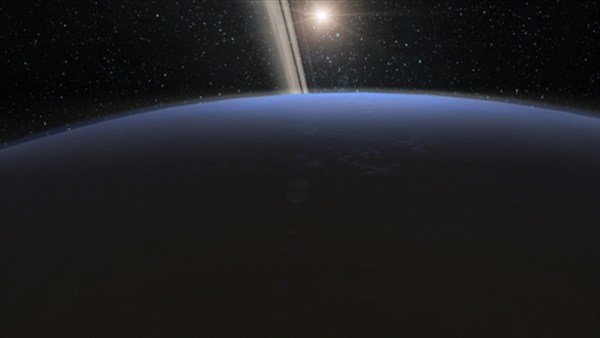
CGI IMAGE: Neptune and the Sun. Neptune is 4.5 billion km (2.8 billion miles) away from the sun, with a diameter of 49, 528 (30,755 miles). One year on neptune takes 165 Earth years and one days takes 16 Earth hours. It is made up of hydrogen, helium and a touch of Methane. It has the fastest winds in the solar system.
(Photo Credit: © Hive Studios)
Bild: © Hive Studios
Venus und Merkur
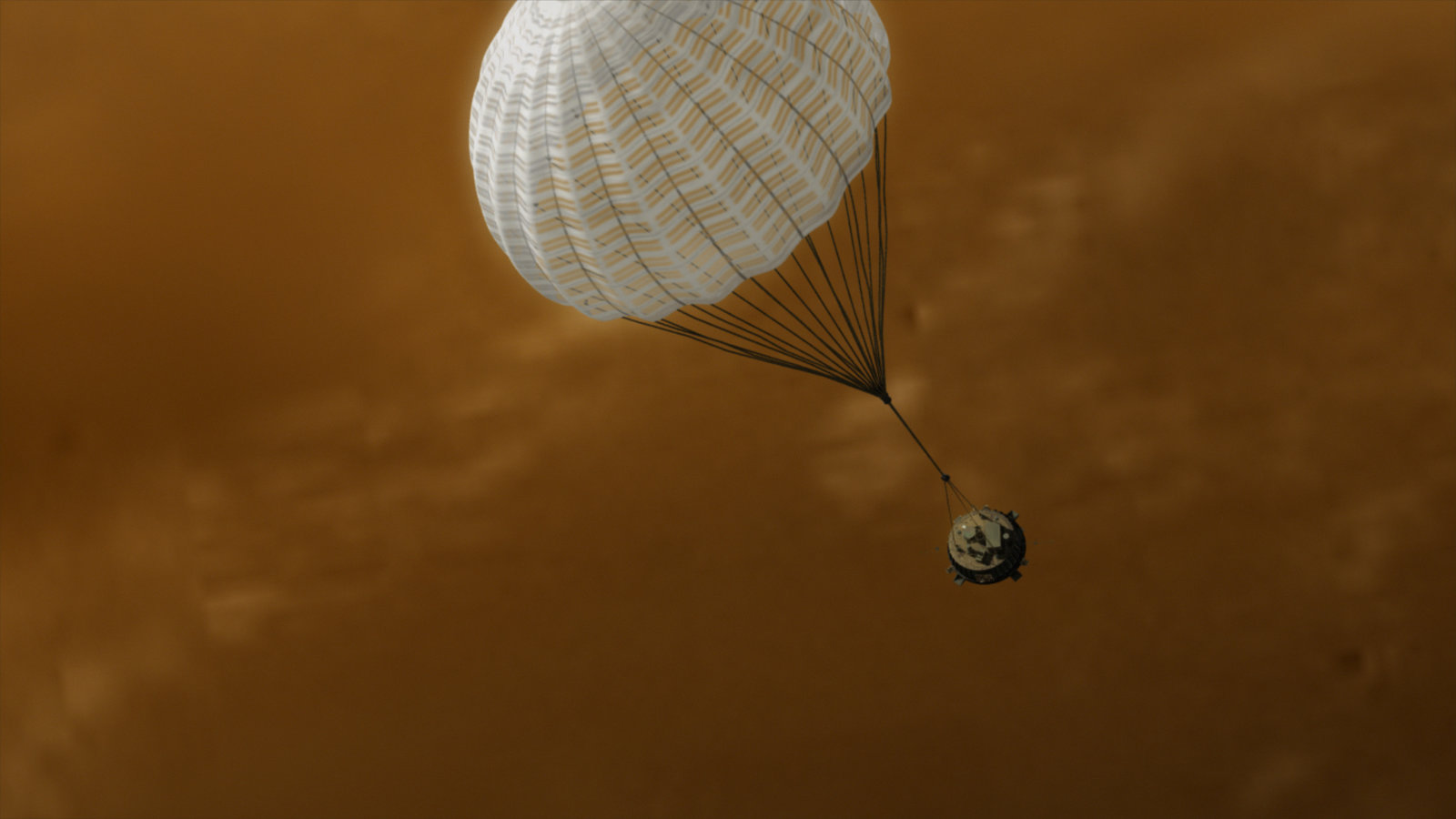
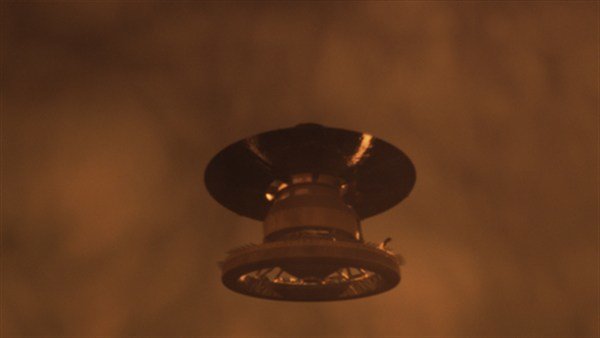
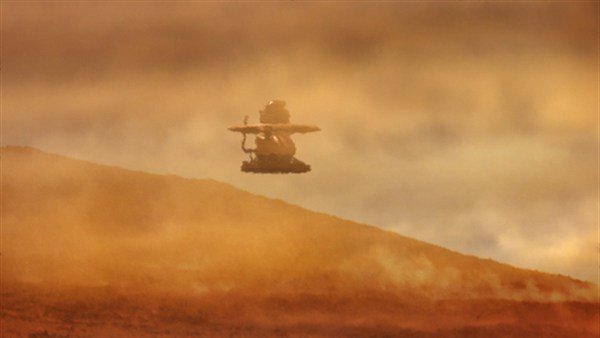
CGI IMAGE: A probe descending into Titan. Titan is Saturn's largest moon and the only natural satellite known to have a dense atmosphere, and the only object other than Earth for which clear evidence of stable bodies of surface liquid has been found. Titan is the sixth ellipsoidal moon from Saturn. Frequently described as a planet-like moon, Titan has a diameter roughly 50% larger than Earth's moon and is 80% more massive. It is the second-largest moon in the Solar System, after Jupiter's moon Ganymede, and it is larger by volume than the smallest planet, Mercury, although only half as massive.
(Photo Credit: © Hive Studios)
Bild: © Hive Studios
Neptun und Uranus
CGI IMAGE: Neptune and the Sun. Neptune is 4.5 billion km (2.8 billion miles) away from the sun, with a diameter of 49, 528 (30,755 miles). One year on neptune takes 165 Earth years and one days takes 16 Earth hours. It is made up of hydrogen, helium and a touch of Methane. It has the fastest winds in the solar system.
(Photo Credit: © Hive Studios)
Bild: © Hive Studios
Neptun und Uranus
CGI IMAGE: Voyager passing Triton and Neptune. Neptune's largest moon is Triton. It is the only large moon in the Solar System with a retrograde orbit, which is an orbit in the opposite direction to its planet's rotation. At 2700 km in diameter, it is the seventh-largest moon in the Solar System.
(Photo Credit: © Hive Studios)
Bild: © Hive Studios
Mars
Bild: © National Geographic - for promotion only
Venus und Merkur
Bild: © Eye Candy Animation
Venus und Merkur
CGI IMAGE: Cassini-Huygens arrives at Saturn. Saturn is the sixth planet from the Sun and the second largest planet in the Solar System, after Jupiter. Saturn, along with Jupiter, Uranus and Neptune, is classified as a gas giant. Cassini-Huygens is a robotic spacecraft mission currently studying the planet Saturn and its many natural satellites. The complete Cassini space probe was launched on October 15, 1997, and after a long interplanetary voyage, it entered into orbit around Saturn on July 1, 2004.
(Photo Credit: © Hive Studios)
Bild: © Hive Studios
Venus und Merkur
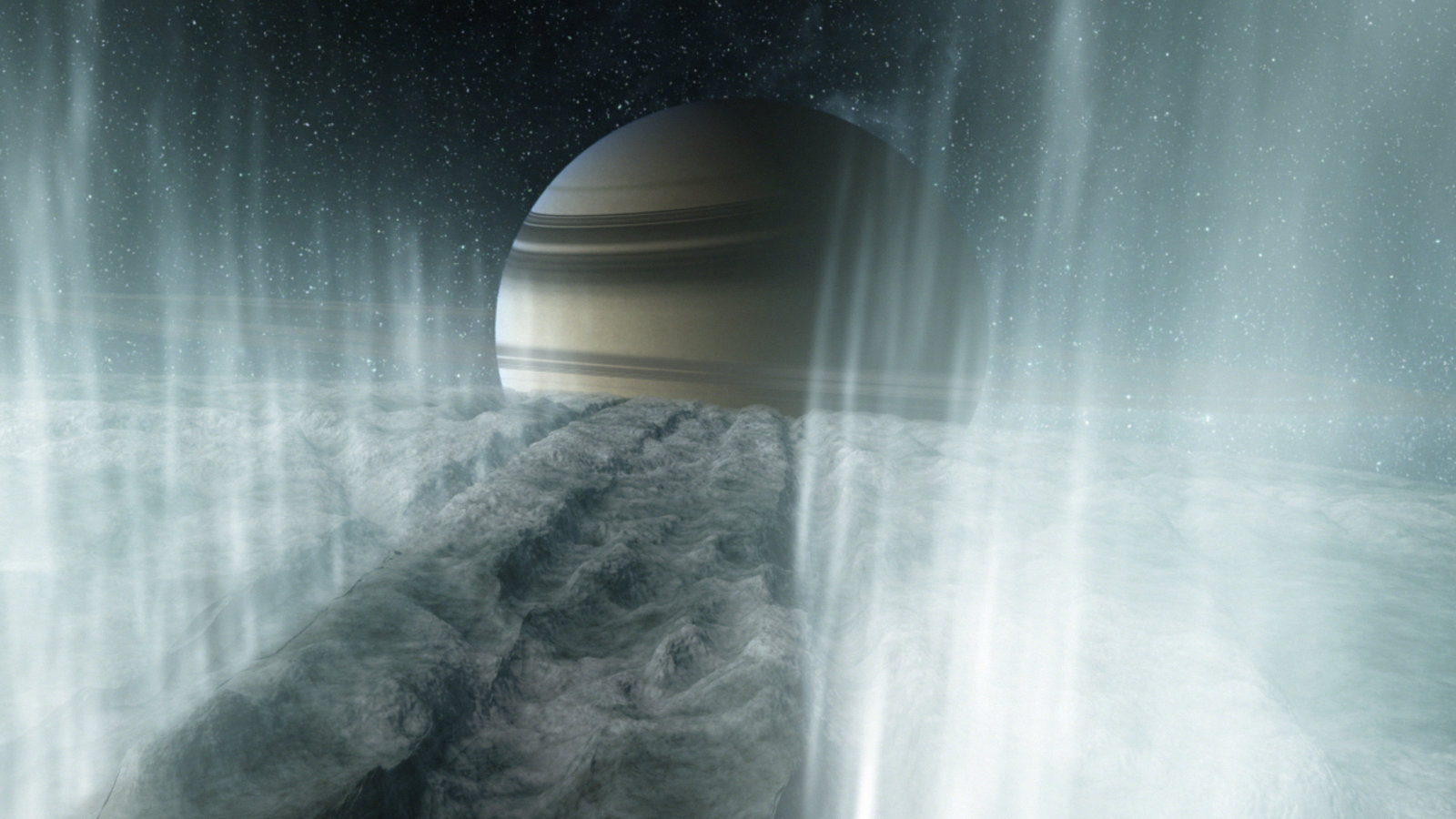
CGI IMAGE: Enceladus's south polar water ice plumes. The plumes were found to be moving at ~2,189 kilometres per hour (1,360 miles per hour).
(Photo Credit: © Hive Studios)
Bild: © Hive Studios
Venus und Merkur
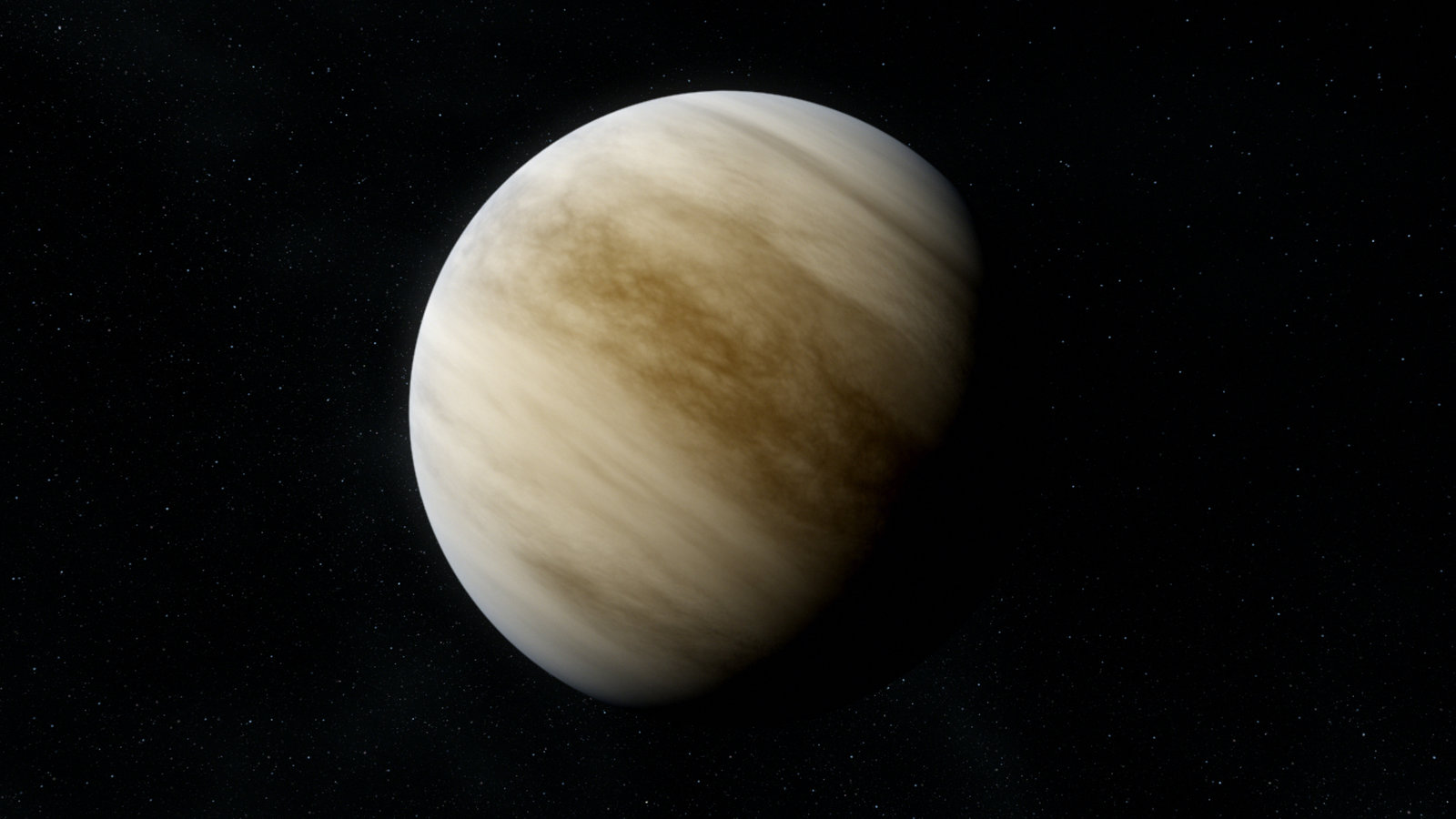
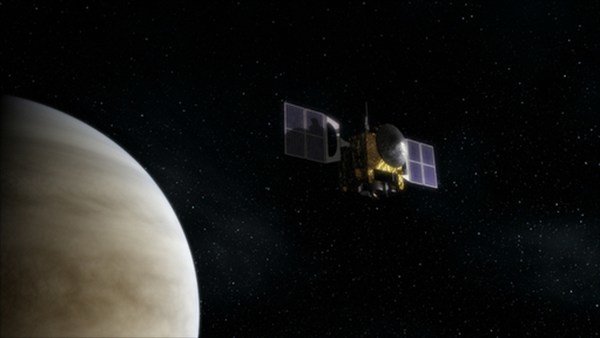
CGI IMAGE: Planet Venus, it's the only planet that rotates backwards and it rotates very slowly. It's average distance from the sun is 108.2 million km or 67.2 million miles. Venus's year is 225 Earth days long while the length of a day is 243 earth days in length. Venus's cloud cover is made mainly of carbon dioxide.
(Photo Credit: © Hive Studios)
Bild: © Hive Studios
Jupiter
CGI IMAGE: Saturn is the sixth planet from the Sun and the second largest planet in the Solar System, after Jupiter. Saturn, along with Jupiter, Uranus and Neptune, is classified as a gas giant.
(Photo Credit: © Hive Studios)
Bild: © Hive Studios
Mars
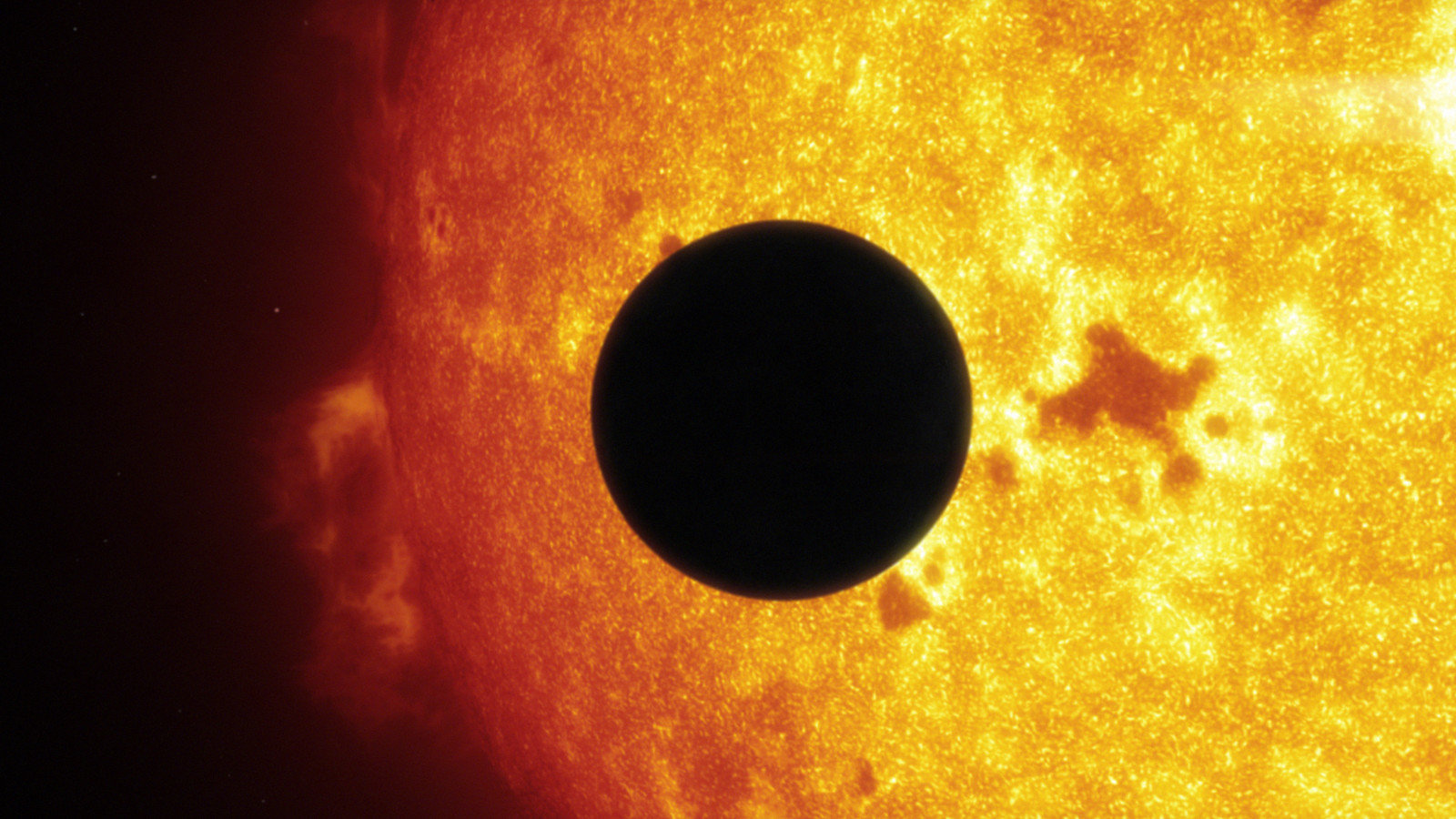
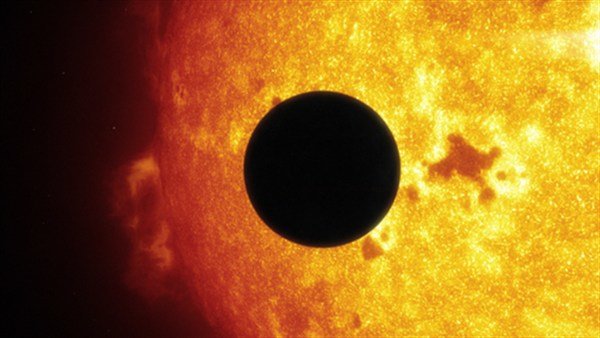
CGI IMAGE: Mercury's silhouette over Sun. Mercury is closest to the Sun. A day lasts 176 Earth days on Mercury, while a year is 88 Earth days. On the dark side of Mercury, it is -170 degrees Celsius or -275 degrees Fahrenheit. The sun is 7 times as hot and 3 times as big on Mercury as it is on Earth. It is 450 degrees Celsius or 840 degrees Fahrenheit on the sunny side of the planet.
(Photo Credit: © Hive Studios)
Bild: © Hive Studios
Venus und Merkur
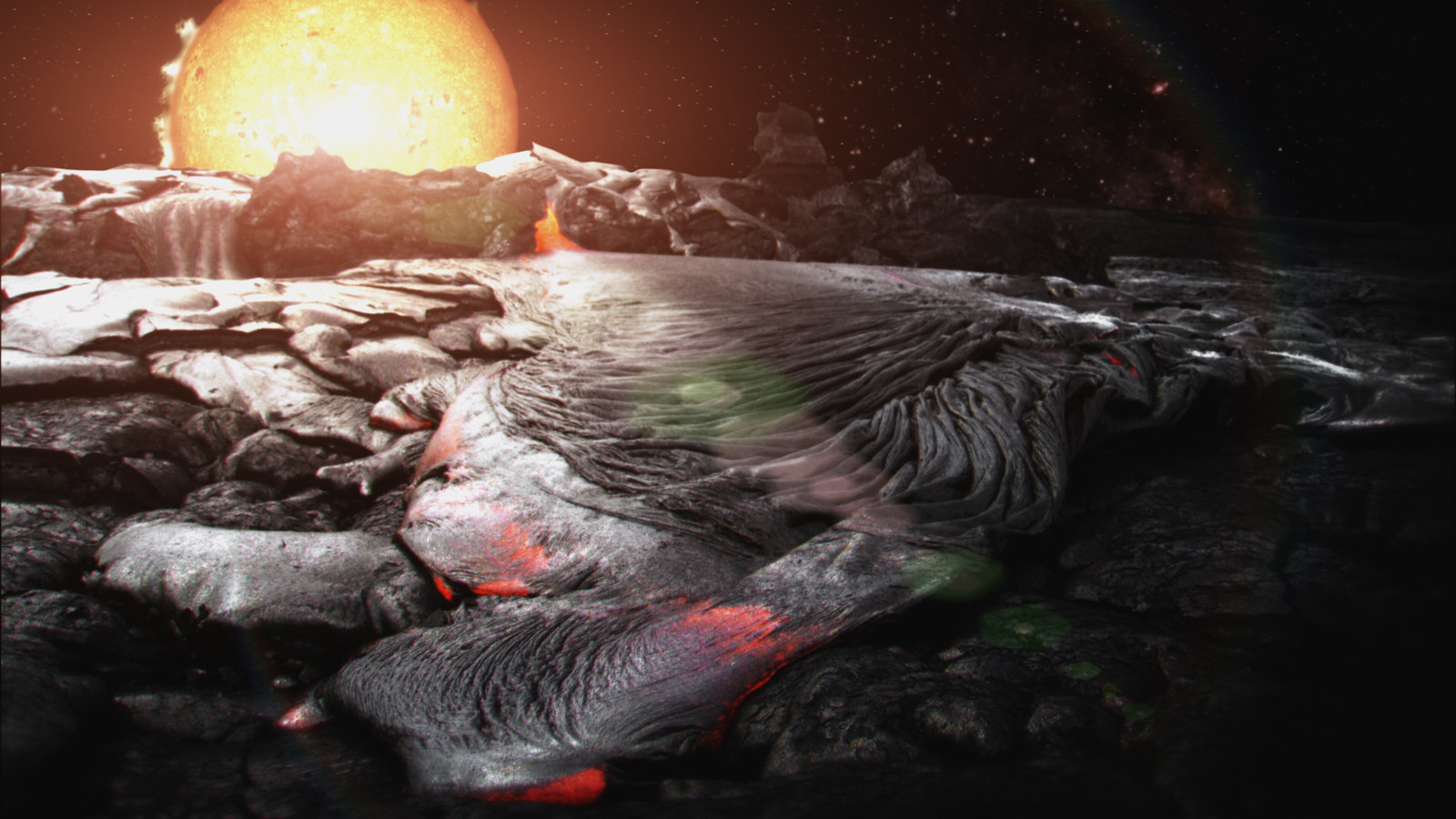
CGI IMAGE: The surface of Mercury where explosive volcanism has happened.
(Photo Credit: © Eye Candy Animation)
Bild: © Eye Candy Animation
Saturn
Bild: © Mational Geographic - for promotion only
Mars
Bild: © National Geographic - for promotion only
Mars
Bild: © National Geographic - for promotion only
Jupiter
Bild: © National Geographic - for promotion only
Saturn
Bild: © Mational Geographic - for promotion only
Saturn
Bild: © Mational Geographic - for promotion only
Jupiter
Bild: © National Geographic - for promotion only
Jupiter
Bild: © National Geographic - for promotion only
Saturn
Bild: © Mational Geographic - for promotion only
Saturn
Bild: © Mational Geographic - for promotion only
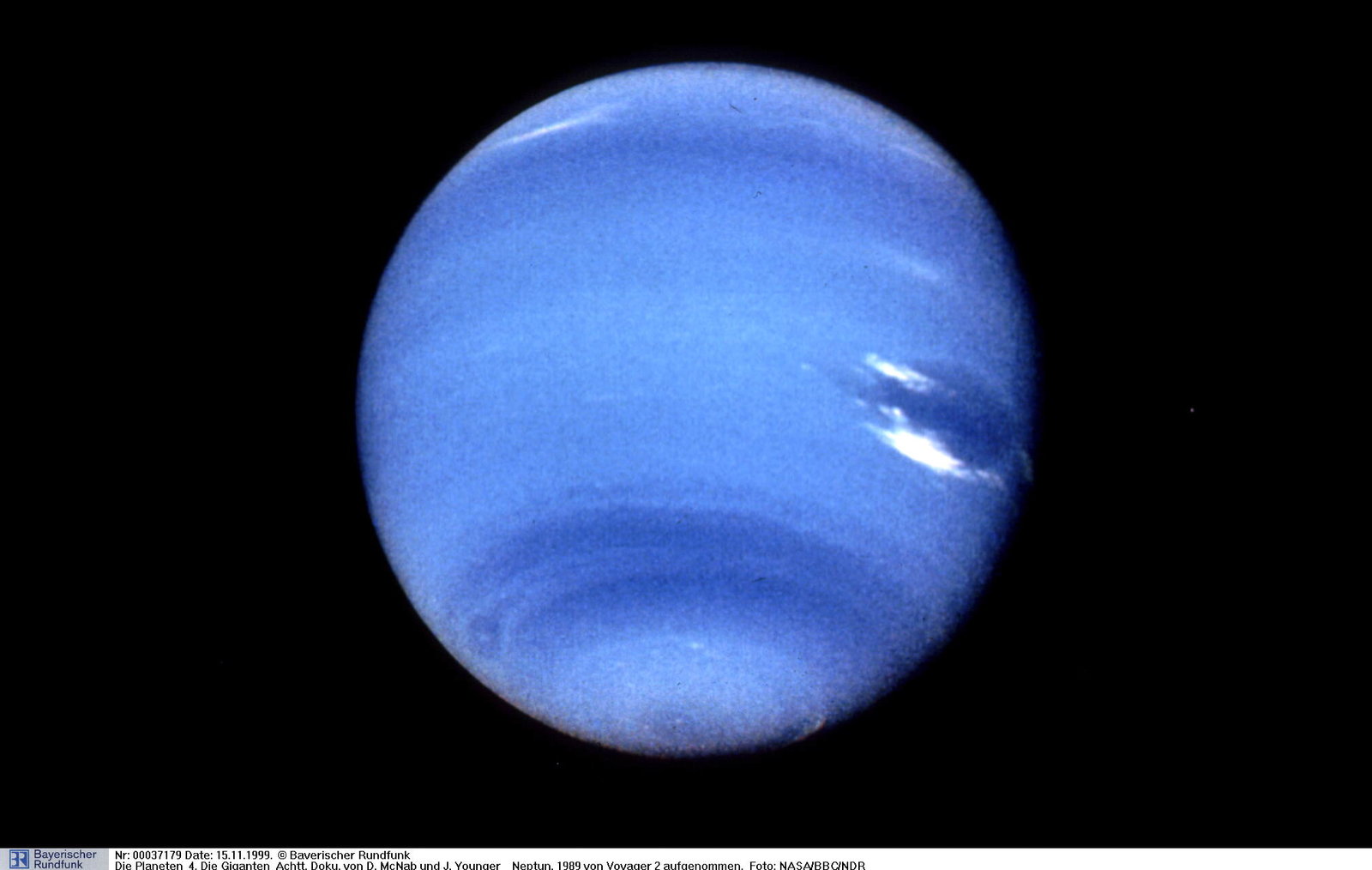
Neptun und Uranus
Neptun, 1989 von Voyager 2 aufgenommen. © : Honorarfrei lediglich fuer Ankuendigungen und Veroeffentlichungen im Zusammenhang mit obiger BR-Sendung bei Nennung: Bild: BR . Andere Verwendungen nur nach entsprechender vorheriger schriftlicher Vereinbarung mit dem BR-Bildarchiv, Tel. 089 / 5900 3040, Fax 089 / 5900 3284.
Bild: © Byline: BR/NASA/BBC/NDR, Credit: BR,
Mars
Bild: © National Geographic - for promotion only
Jupiter
Bild: © National Geographic - for promotion only
Jupiter
Bild: © National Geographic - for promotion only
Mars
Bild: © National Geographic - for promotion only
Mars
Bild: © National Geographic - for promotion only
Saturn
Bild: © Mational Geographic - for promotion only