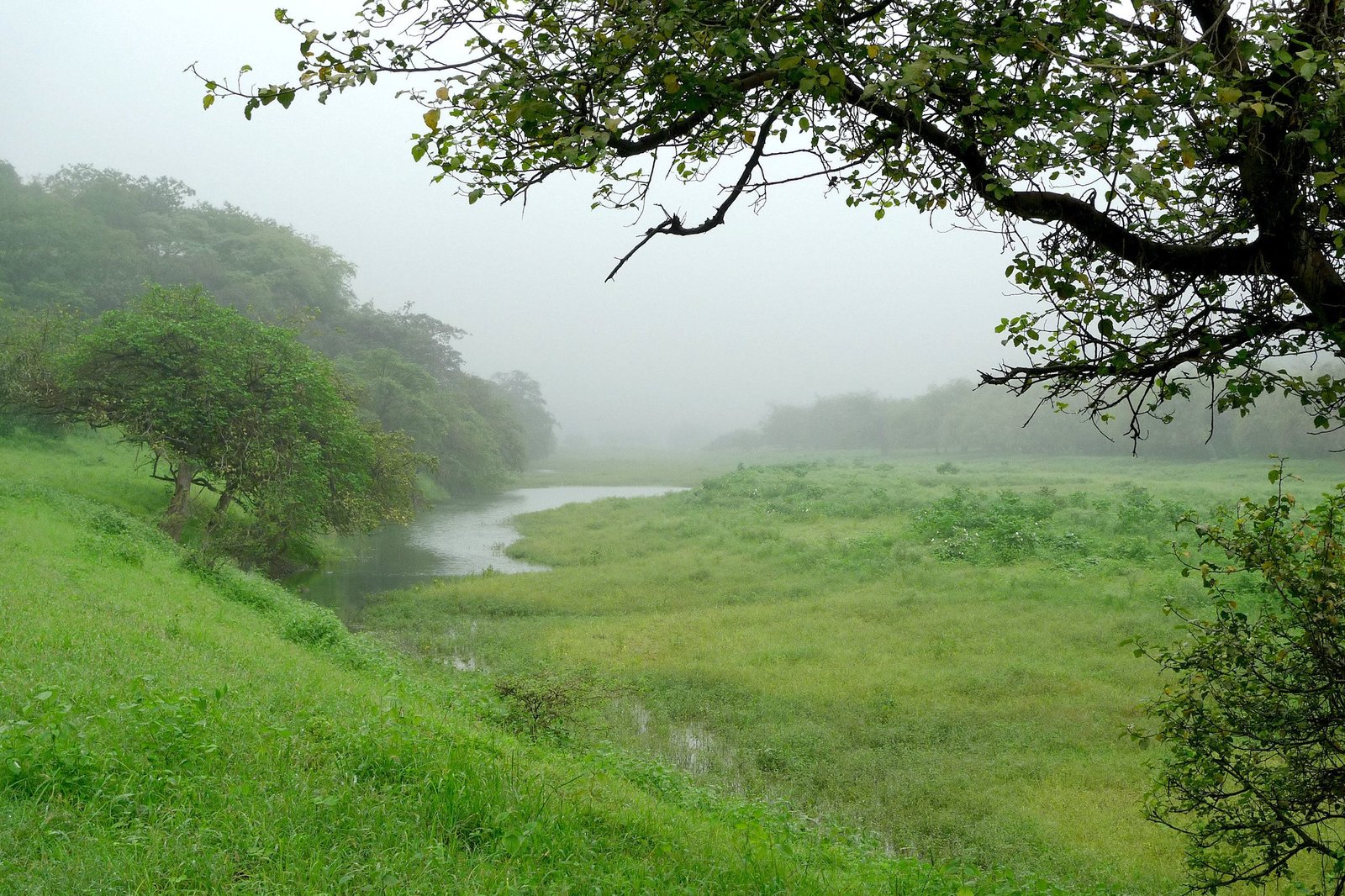
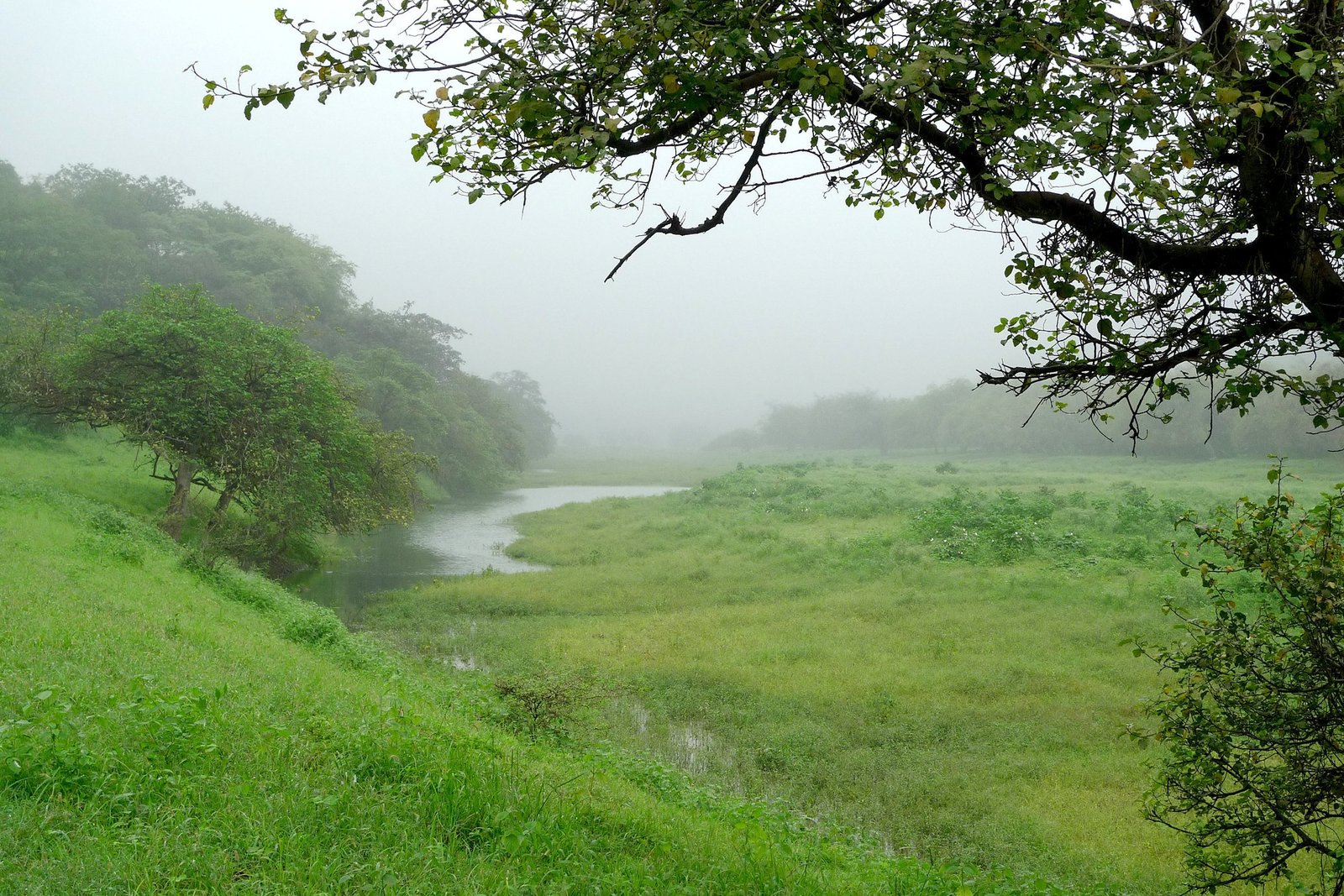
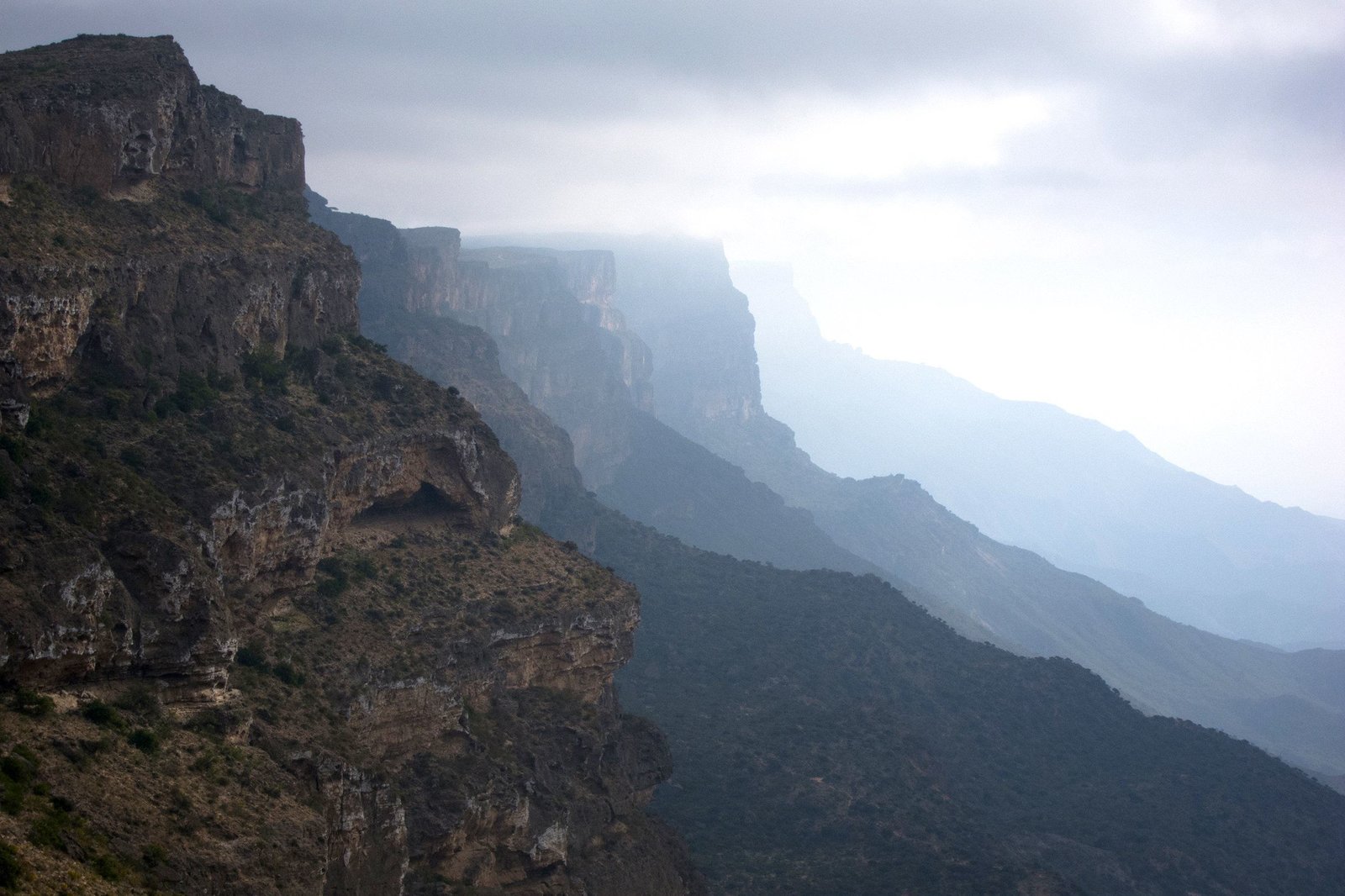
Arabien steht Kopf: einmal im Jahr treiben Monsunwinde Regenwolken in die Dhofar-Region im Süden des Oman und verwandeln das ausgedörrte Land in eine saftige Oase.
EPISODE THREE ? Shifting Sands
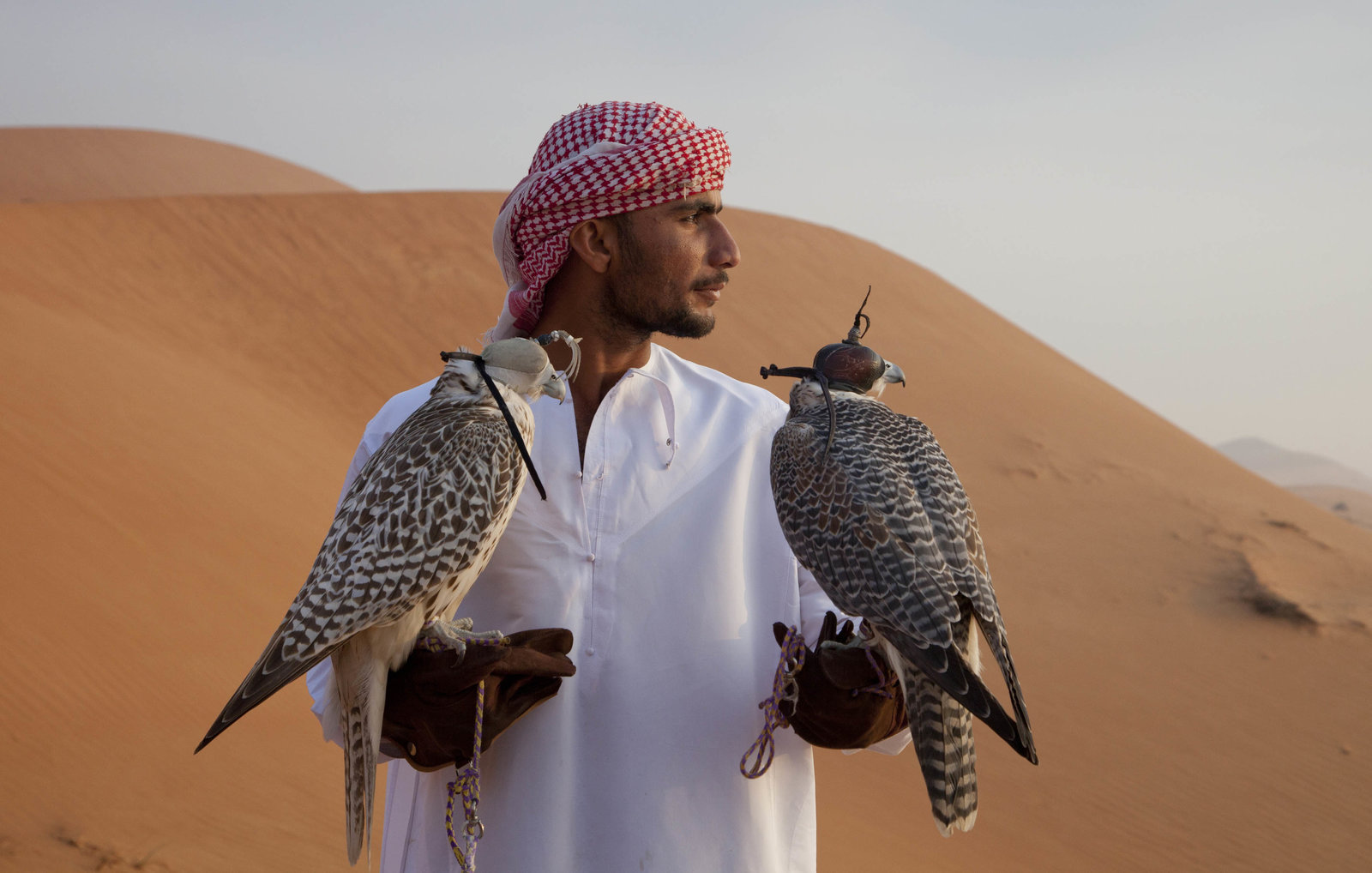
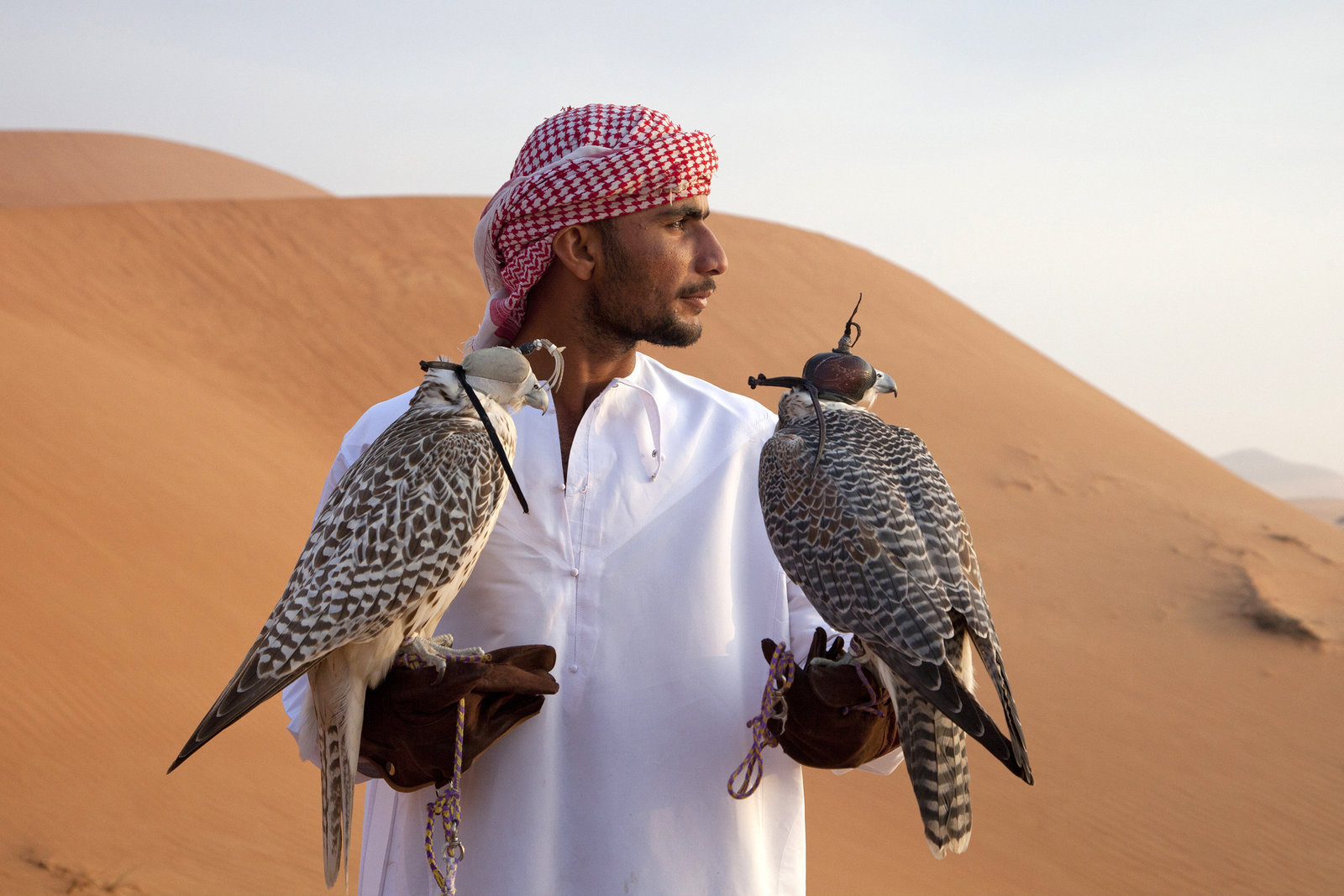
Picture Shows: The 4,000 year old tradition of using falcons to hunt in the desert is kept alive with a conservation-minded modern twist.
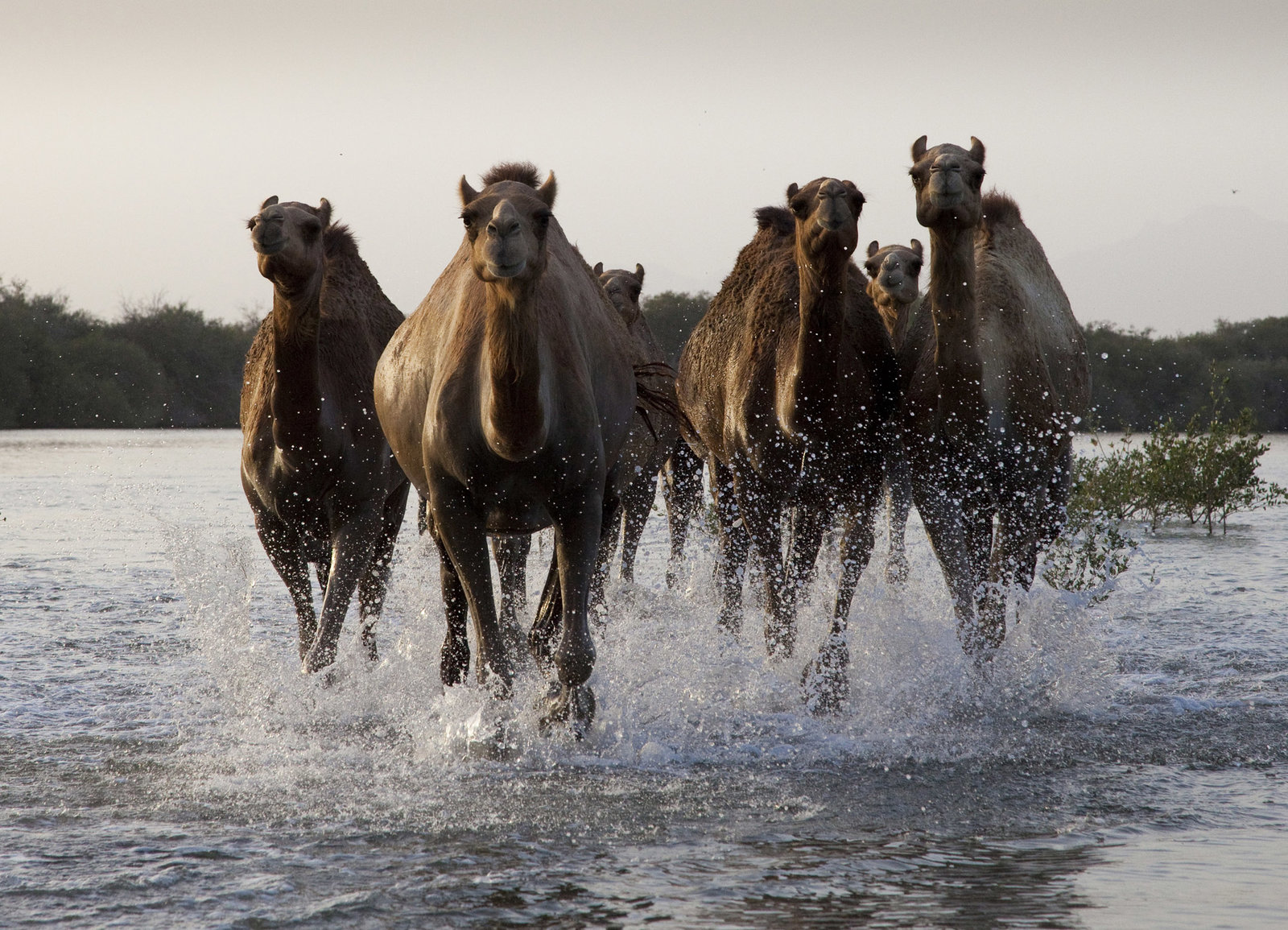
Episode 2 Arabia is a land with no permanent rivers. But after the summer monsoon hits southern Oman camels enjoy splashing through temporary pools of water. They top-up buy drinking 200 litres in a single day.
EPISODE TWO ? The Jewel of Arabia
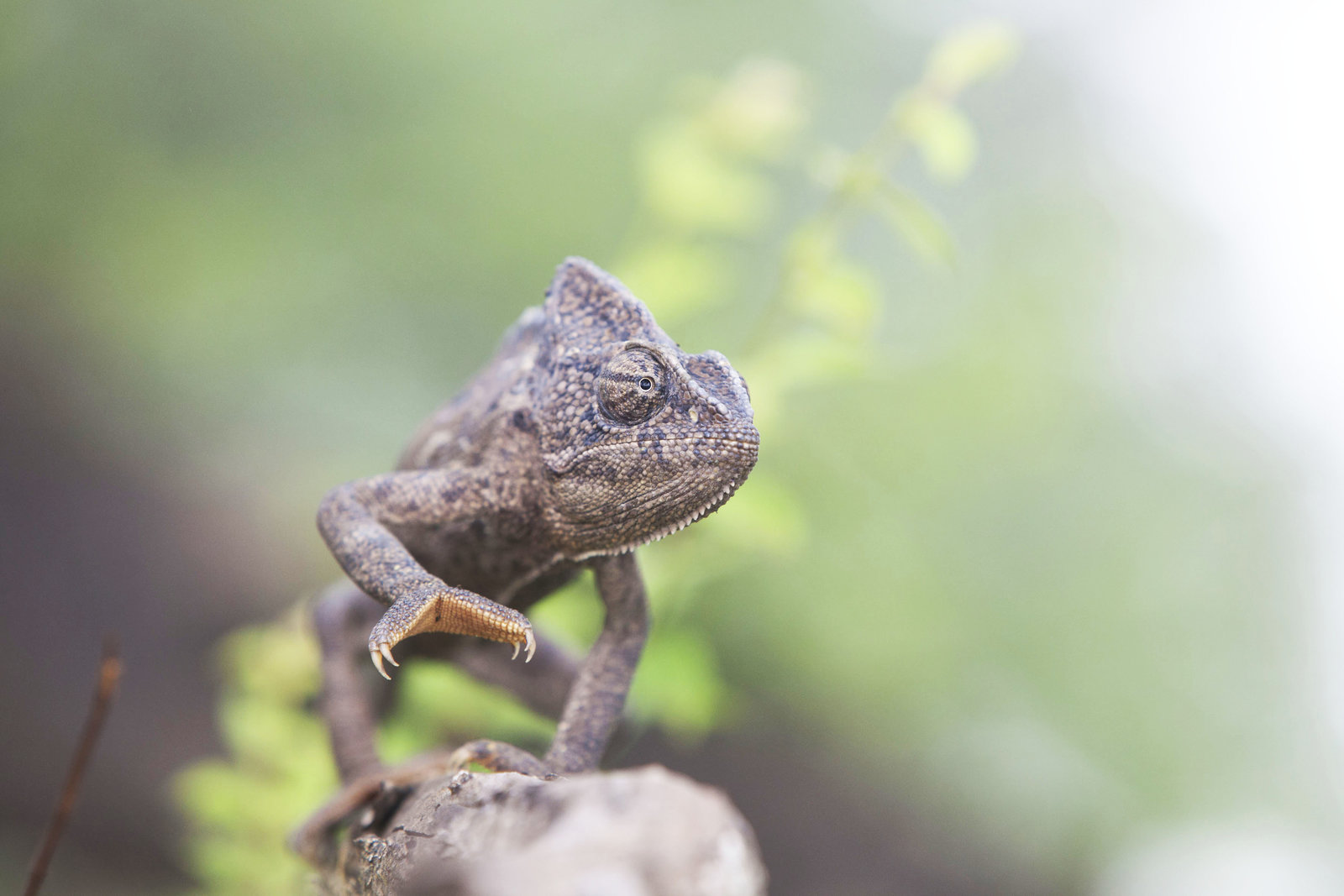
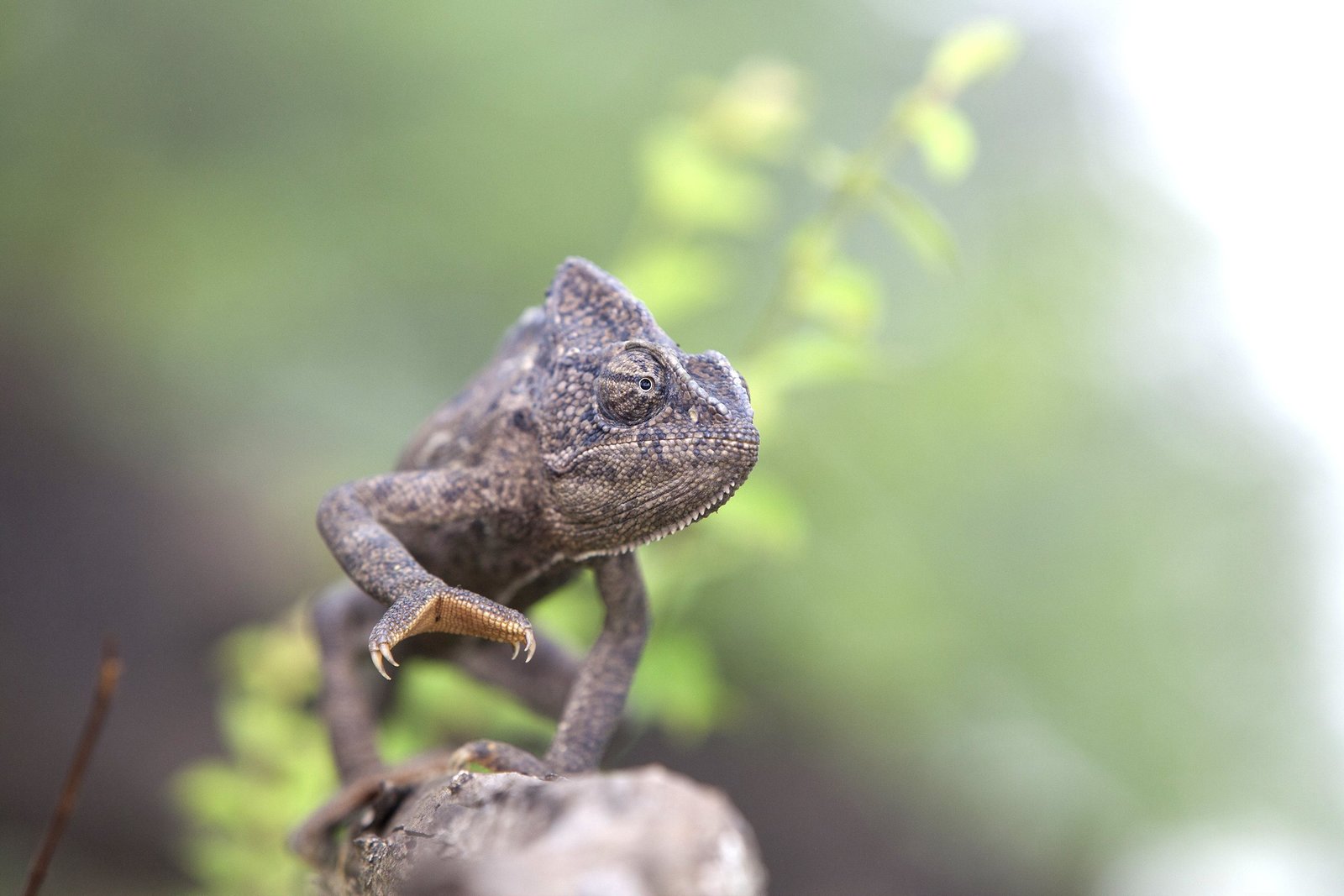
Picture Shows: An Arabian chameleon hunts for insects in the lush forests of Yemen and southern Oman. The head-shield funnels water to the mouth while his changeable skin colour allows him to blend into the cloud-forests shrouded in mist.
EPISODE ONE ? Sand Wind and Stars
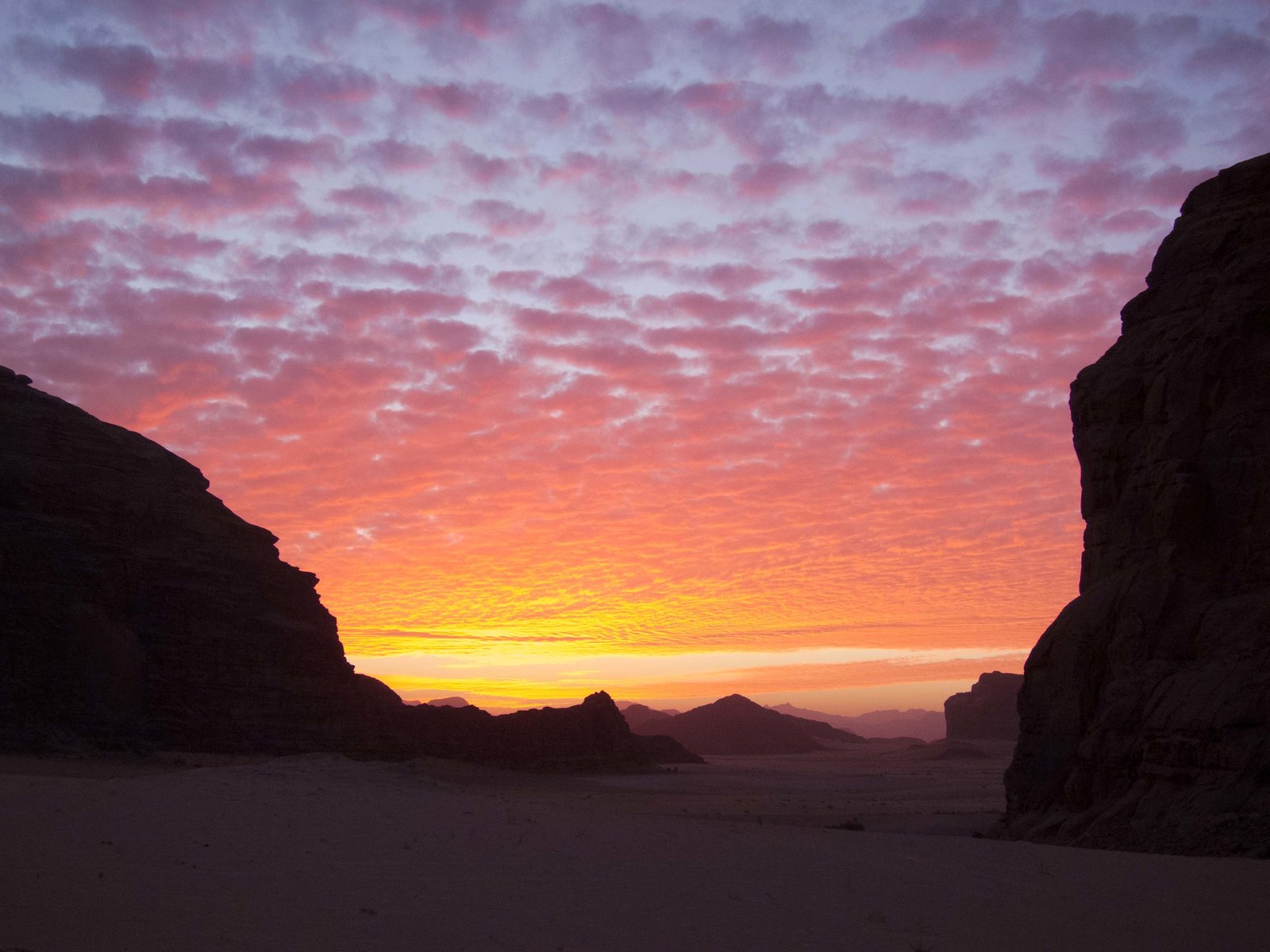
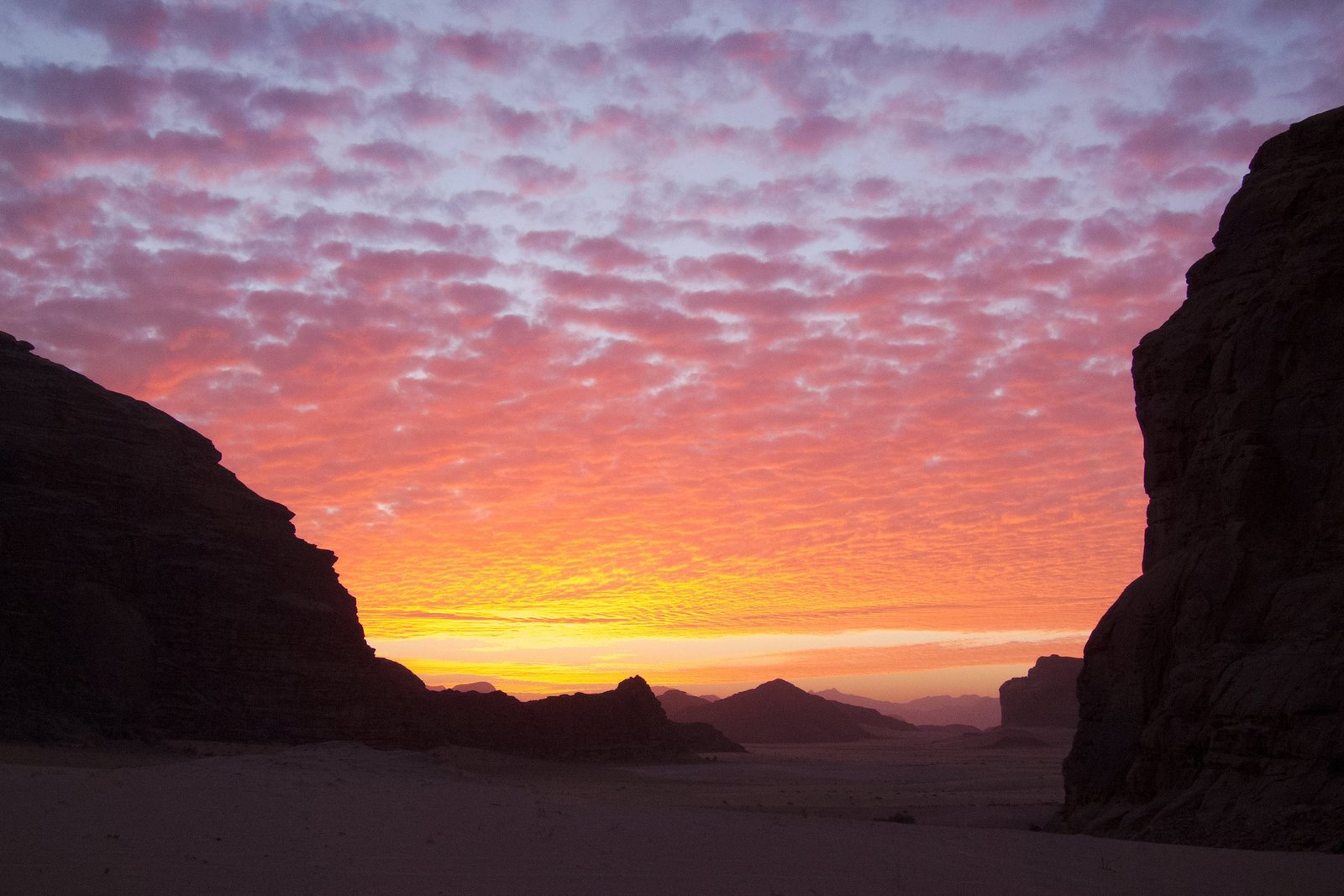
Picture Shows: The sun sets on the border of Saudi Arabia and Jordan and the desert skies explode into a riot of colour. Once darkness falls the temperature drops a staggering 25 degrees Celsius and the mysterious creatures of the Arabian night emerge.
EPISODE TWO ? The Jewel of Arabia
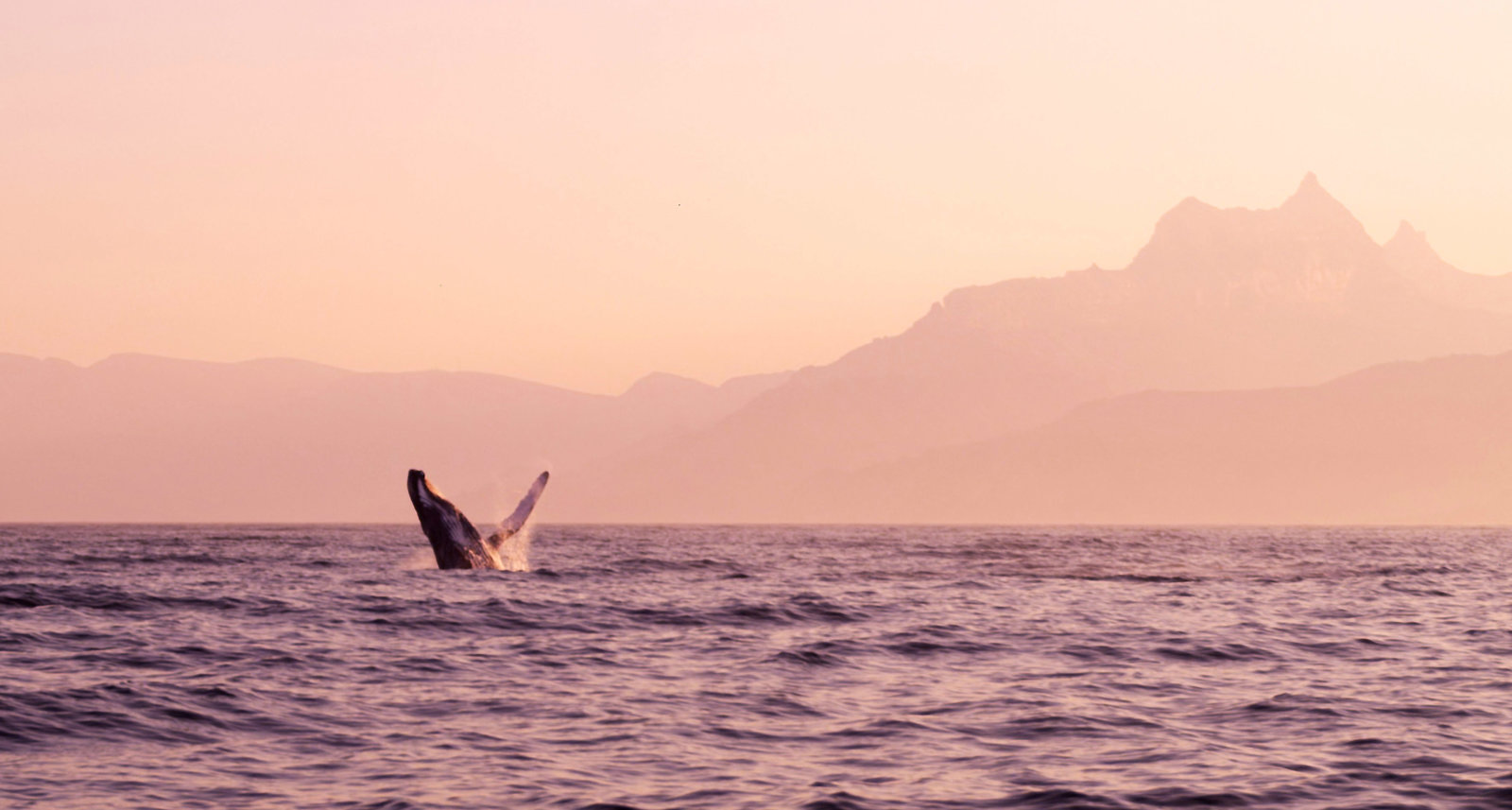
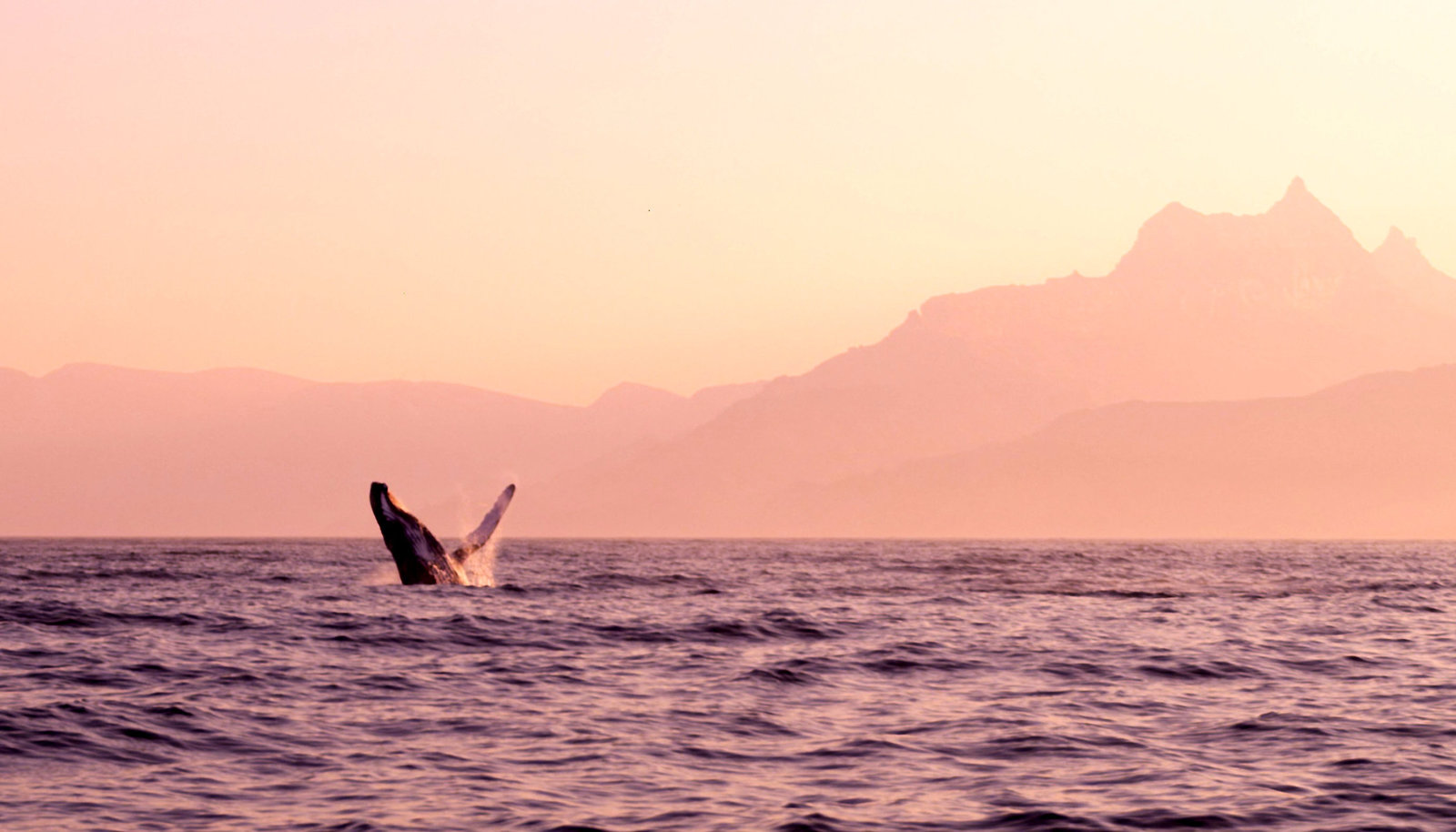
Picture Shows: Just offshore on the border between Oman and Yemen, in dangerous waters frequented by pirates, a lone humpback whale breaches. There are less than 100 Arabian-Sea humpback whales left on the planet and they have not bred with any other whales for over 60,000 years.
EPISODE ONE ? Sand Wind and Stars
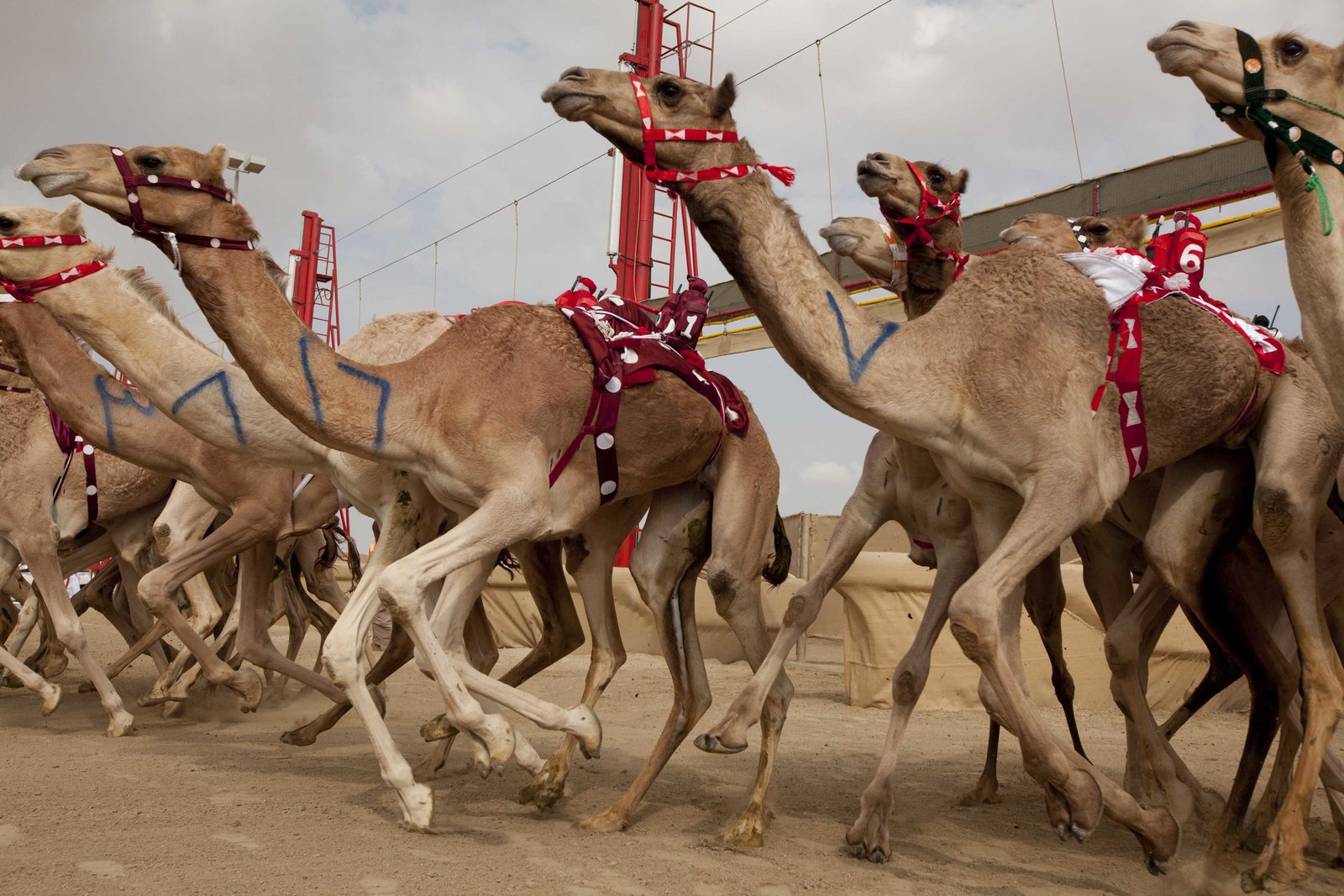
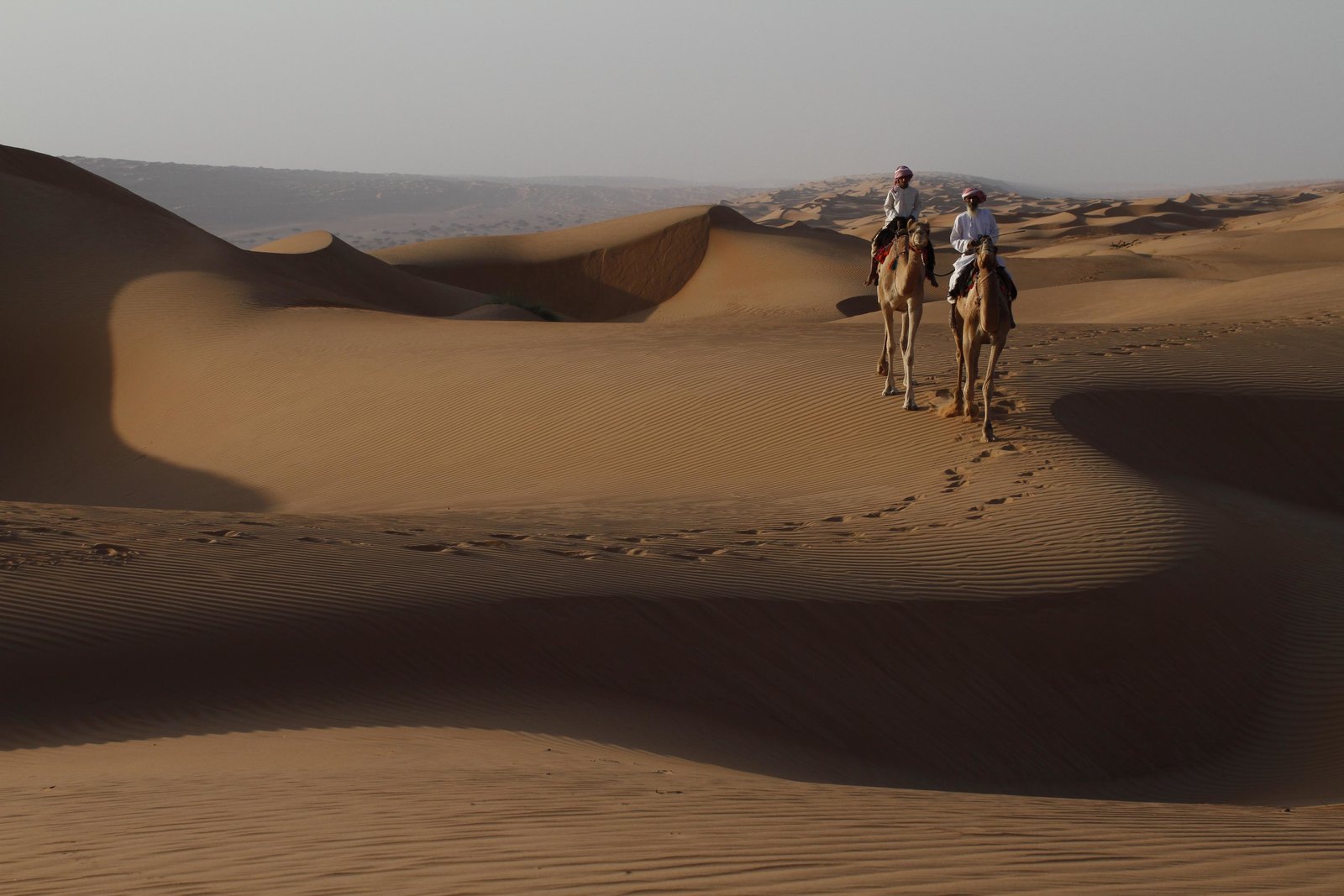
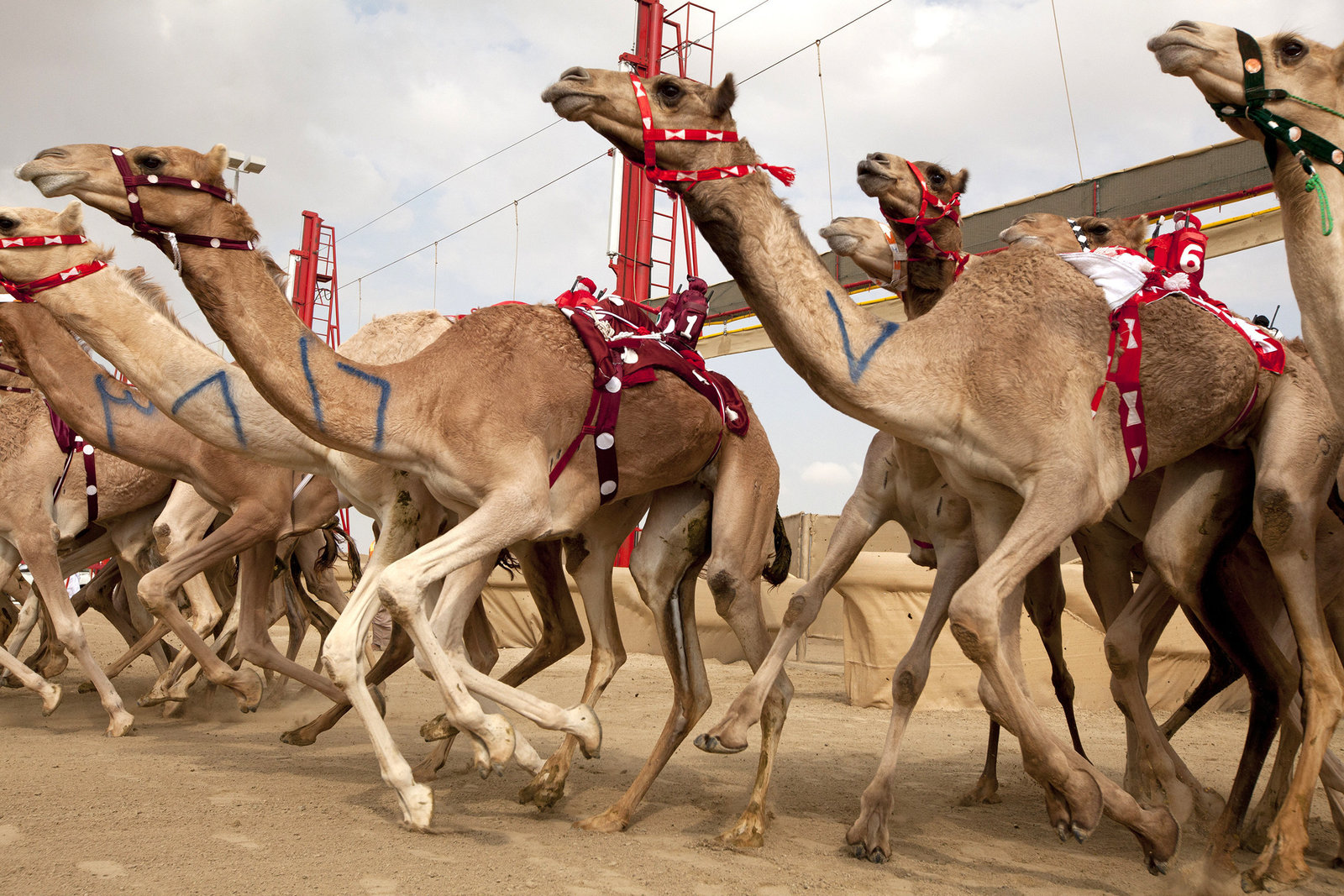
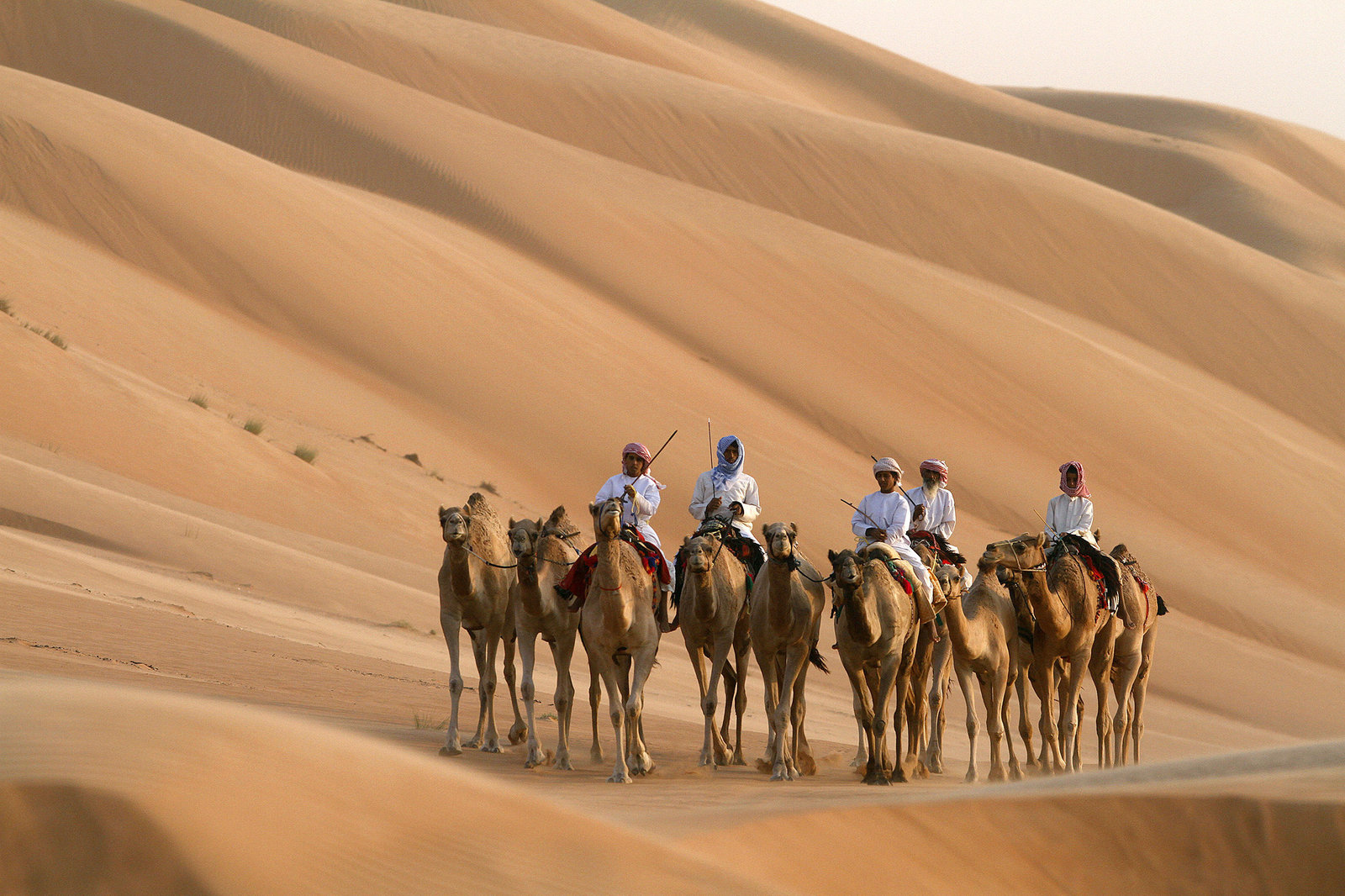
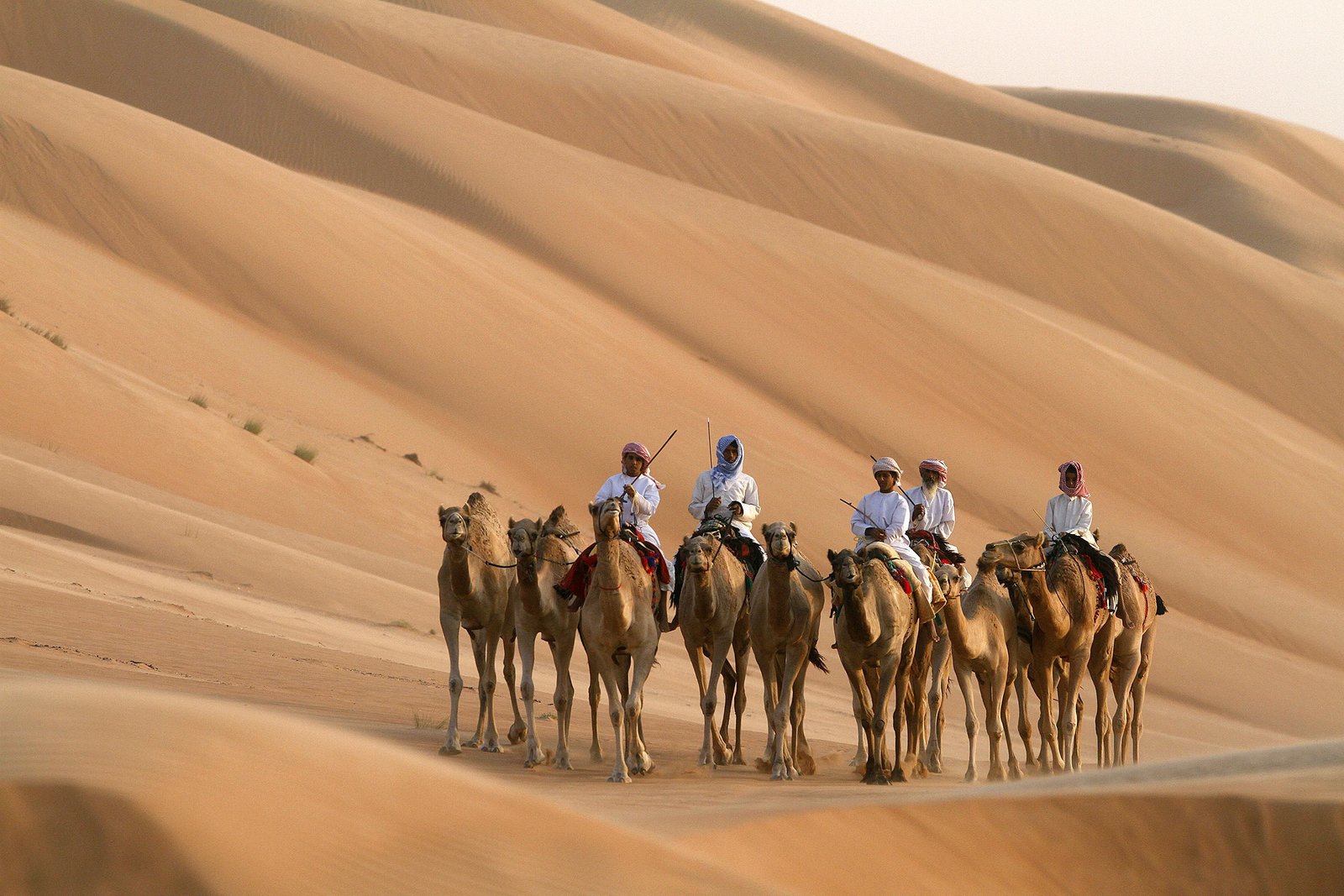
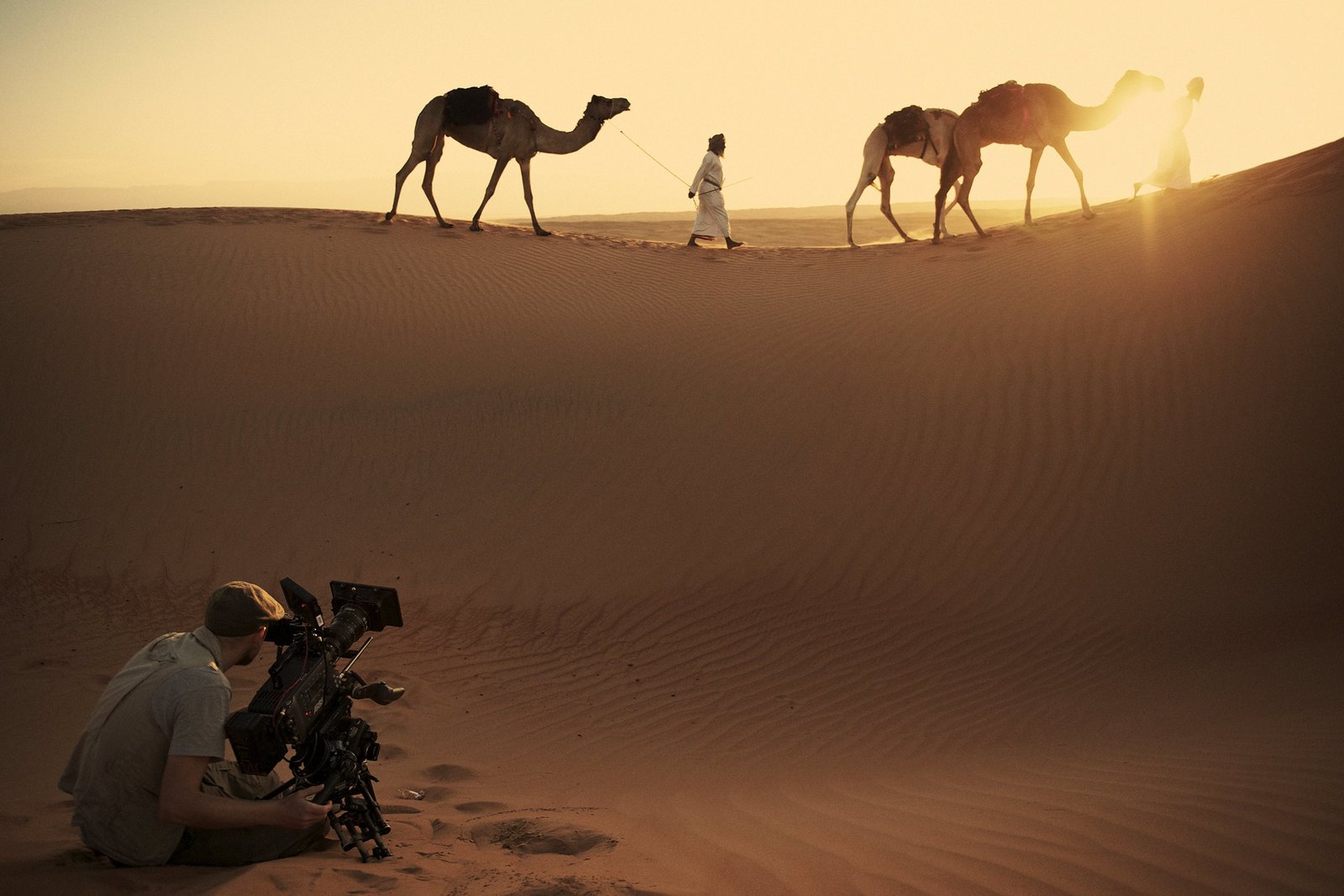
Picture Shows: A Bedouin father and son (Salif and Hazah) are on an epic journey through the vast sandy deserts of Arabia in order to race their camels at the Eid festival.
Arabien steht Kopf: einmal im Jahr treiben Monsunwinde Regenwolken in die Dhofar-Region im Süden des Oman und verwandeln das ausgedörrte Land in eine saftige Oase.
ARD/WDR WILDES ARABIEN, "Wüste voller Leben", am Montag (13.01.14) um 20:15 Uhr im ERSTEN.
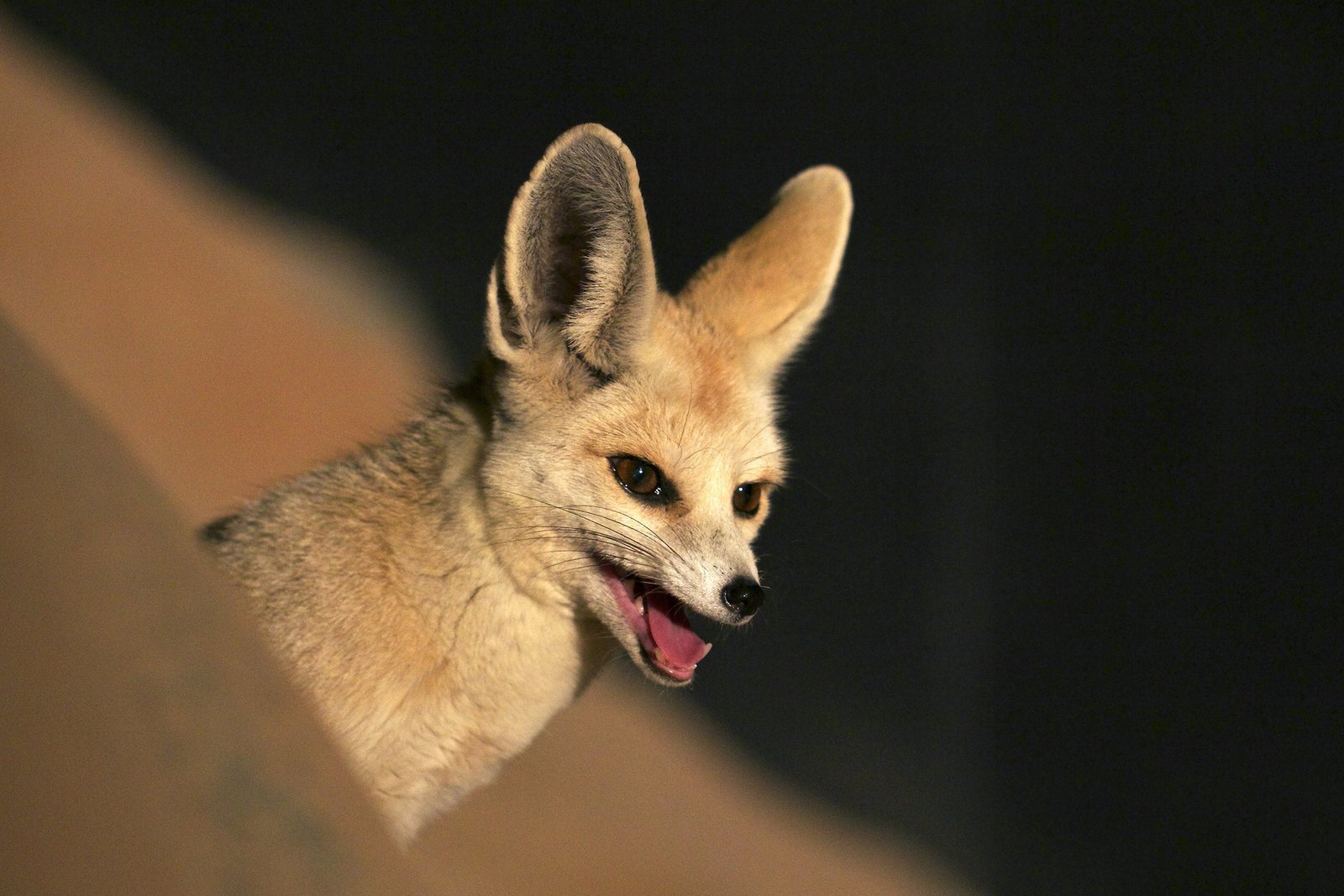
Der Sandfuchs ist ein effektiver Jäger – wendige Renn- und Springmäuse stehen auf seinem Speiseplan.
Jahrtausende währende Allianz: Seit mehr als 4.000 Jahren ziehen Beduinen mit ihren Dromedaren durch die Wüste. Die Tiere können rund 50 Tage ohne Wasser auskommen, sind aber von den Navigationskünsten ihrer Besitzer abhängig.
Jahrtausende währende Allianz: Seit mehr als 4.000 Jahren ziehen Beduinen mit ihren Dromedaren durch die Wüste. Die Tiere können rund 50 Tage ohne Wasser auskommen, sind aber von den Navigationskünsten ihrer Besitzer abhängig.
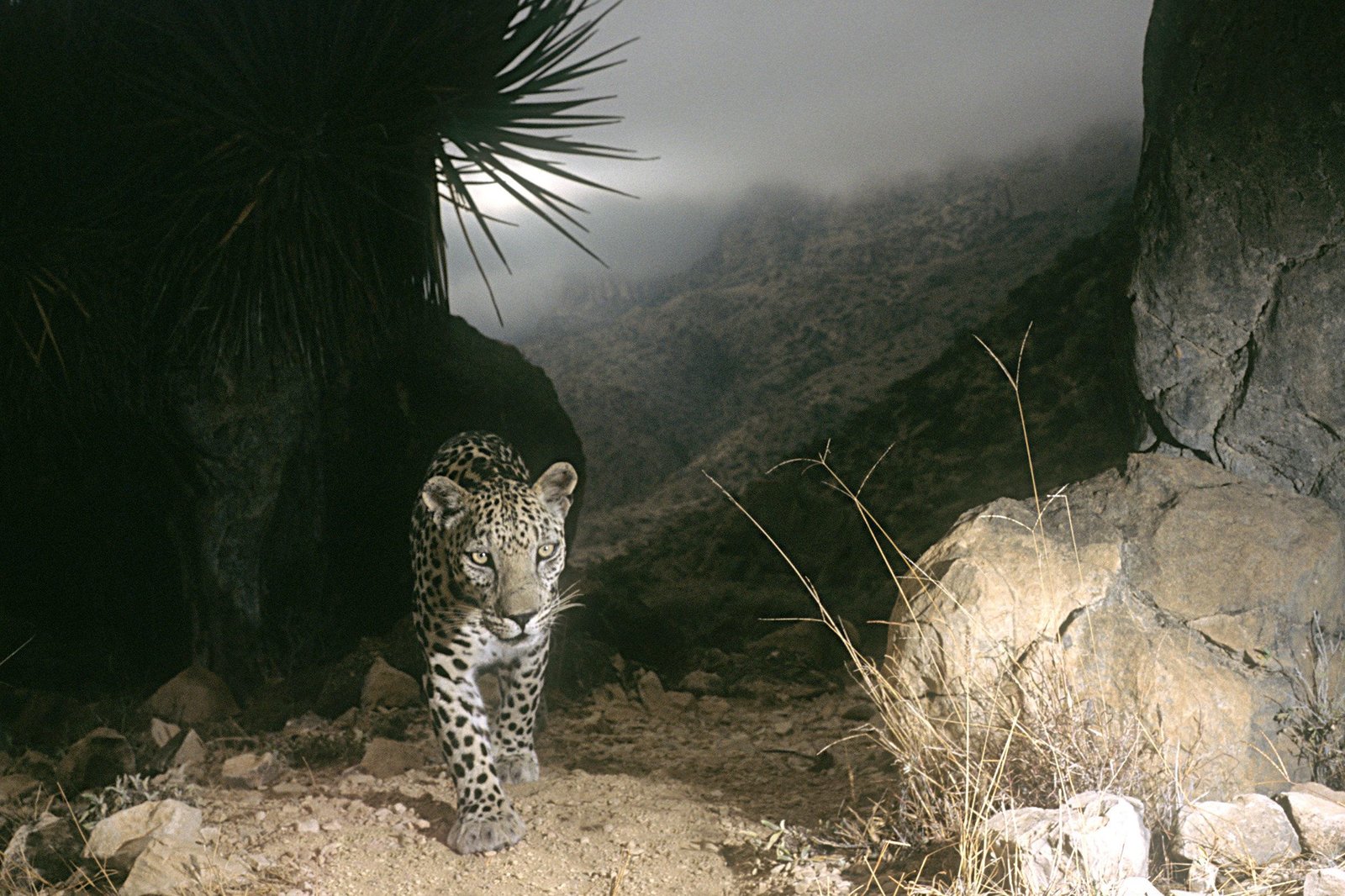
Über 1.000 Meter erhebt sich das Gebirge in der Dhofar-Region im Südosten des Omans. Wie eine natürliche Mauer stellt es sich dem Monsun entgegen. Die eindrucksvollen Klippen sind ein Refugium für bedrohte Tierarten.
 Die Berge des MonsunsArabien steht Kopf: einmal im Jahr treiben Monsunwinde Regenwolken in die Dhofar-Region im Süden des Oman und verwandeln das ausgedörrte Land in eine saftige Oase.Bild: © NDR/BBC/Susan Gibson 2013