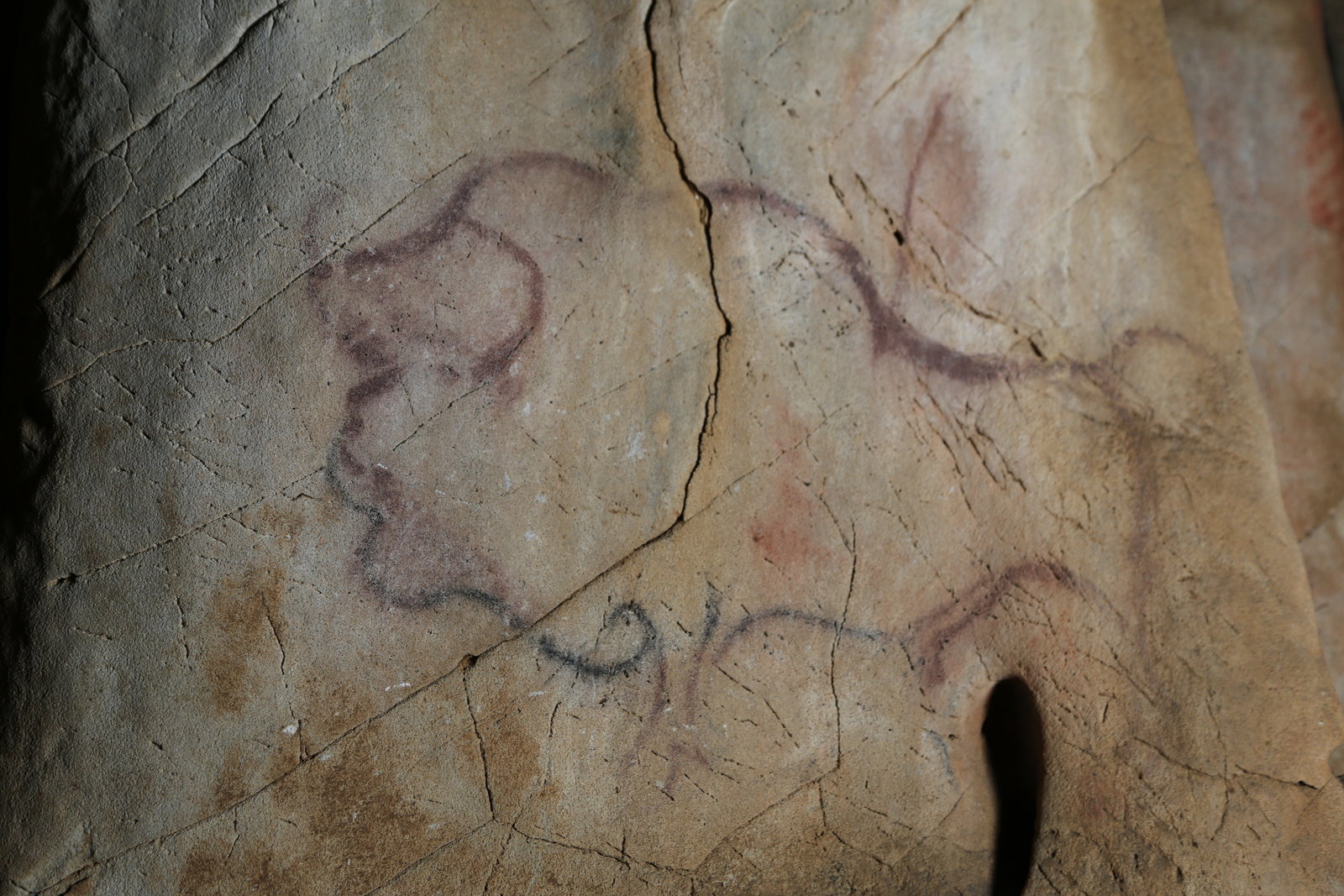
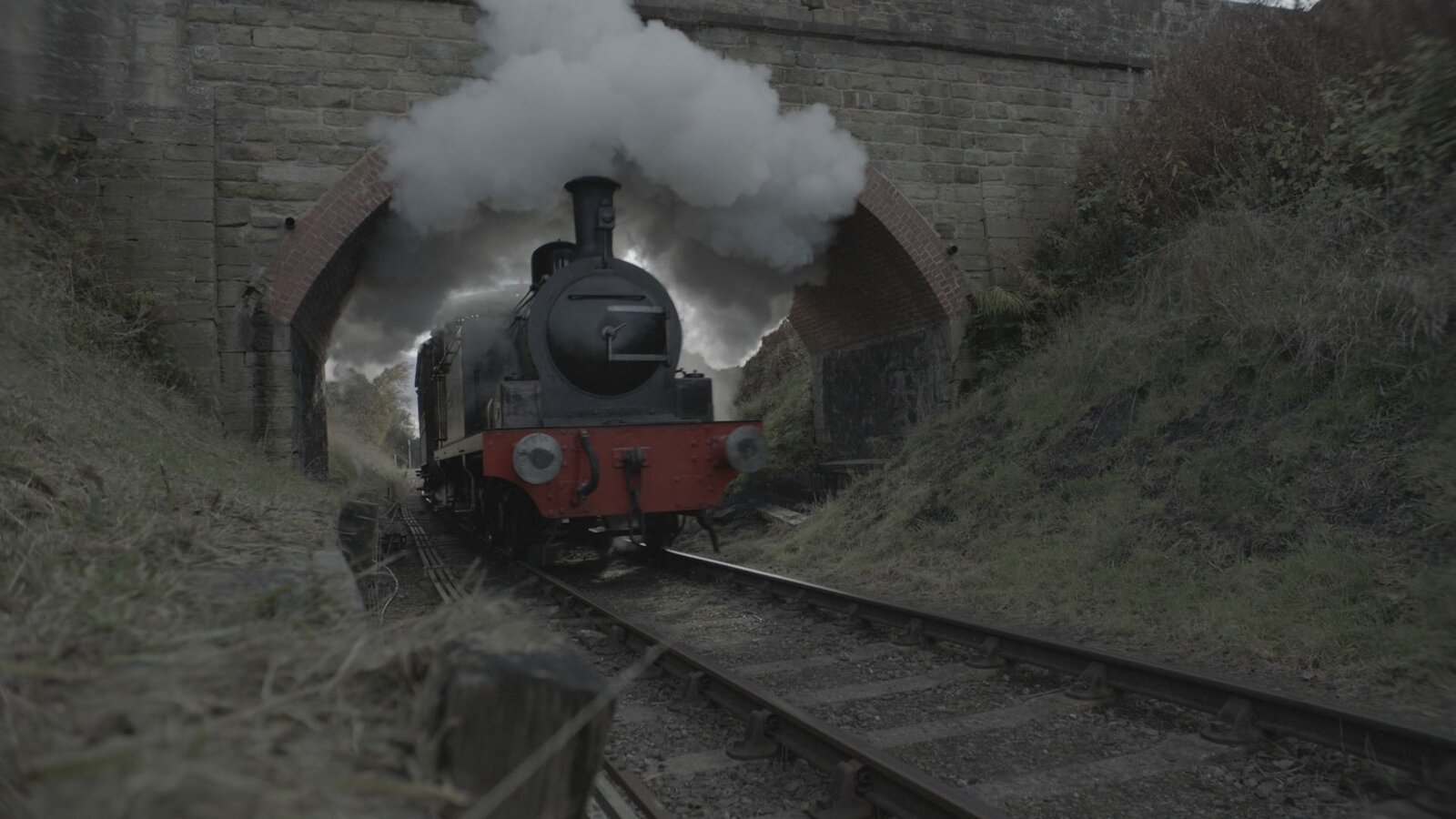
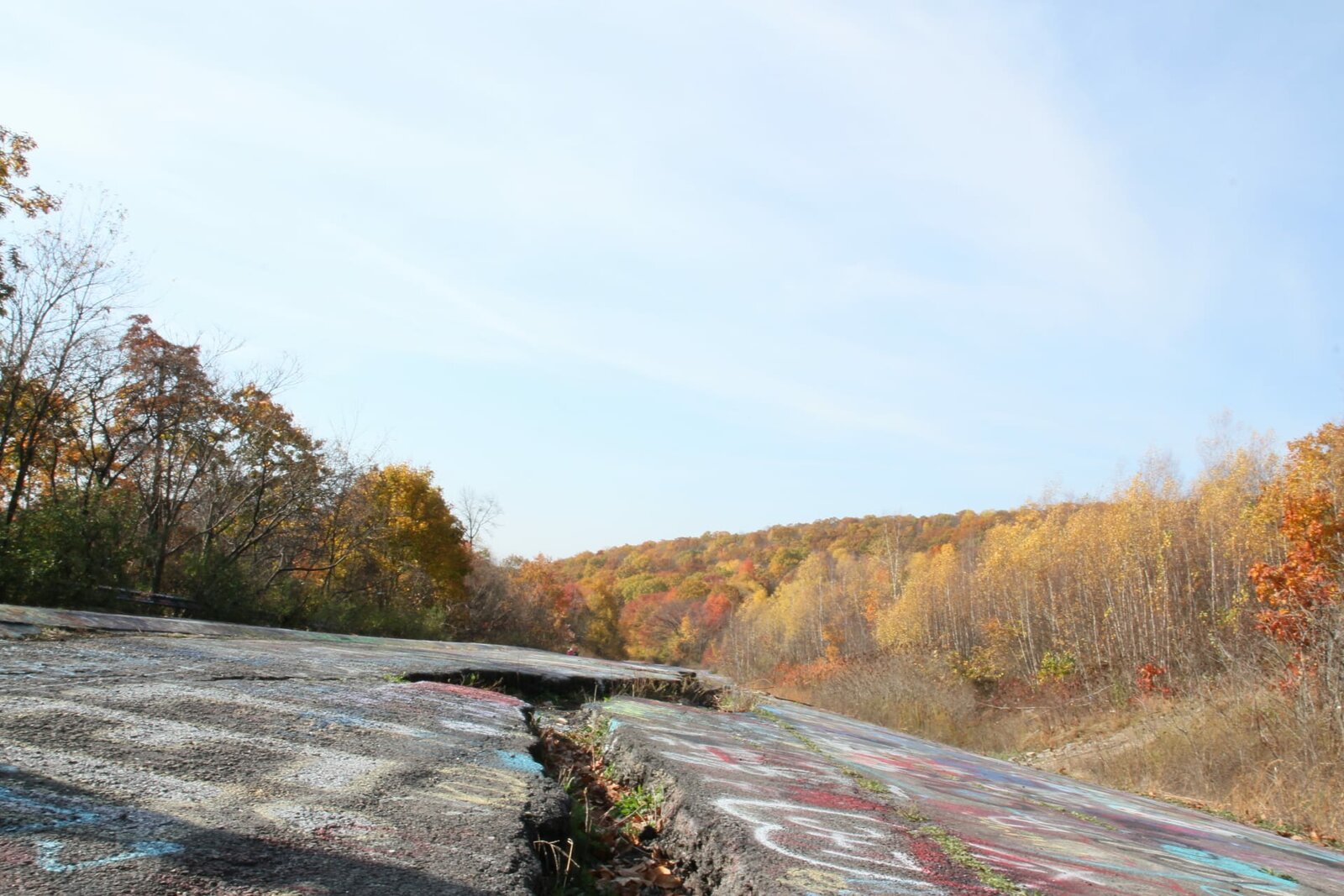
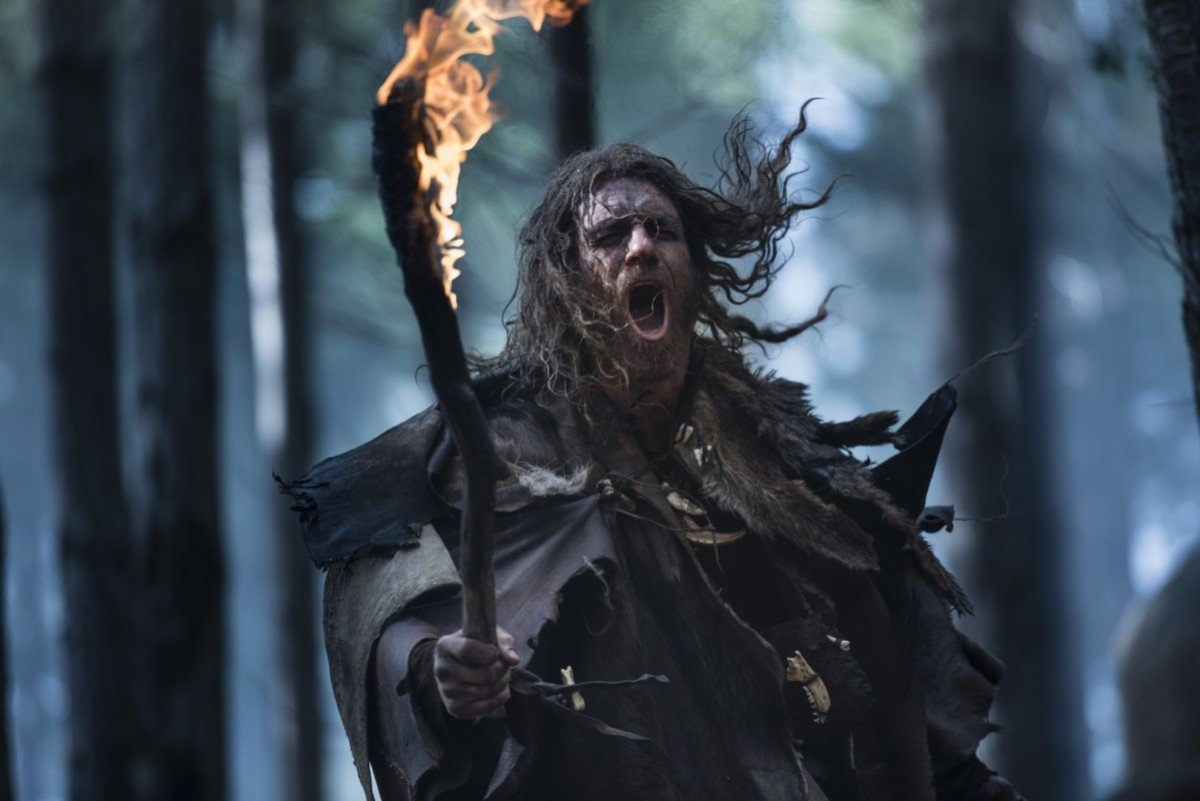
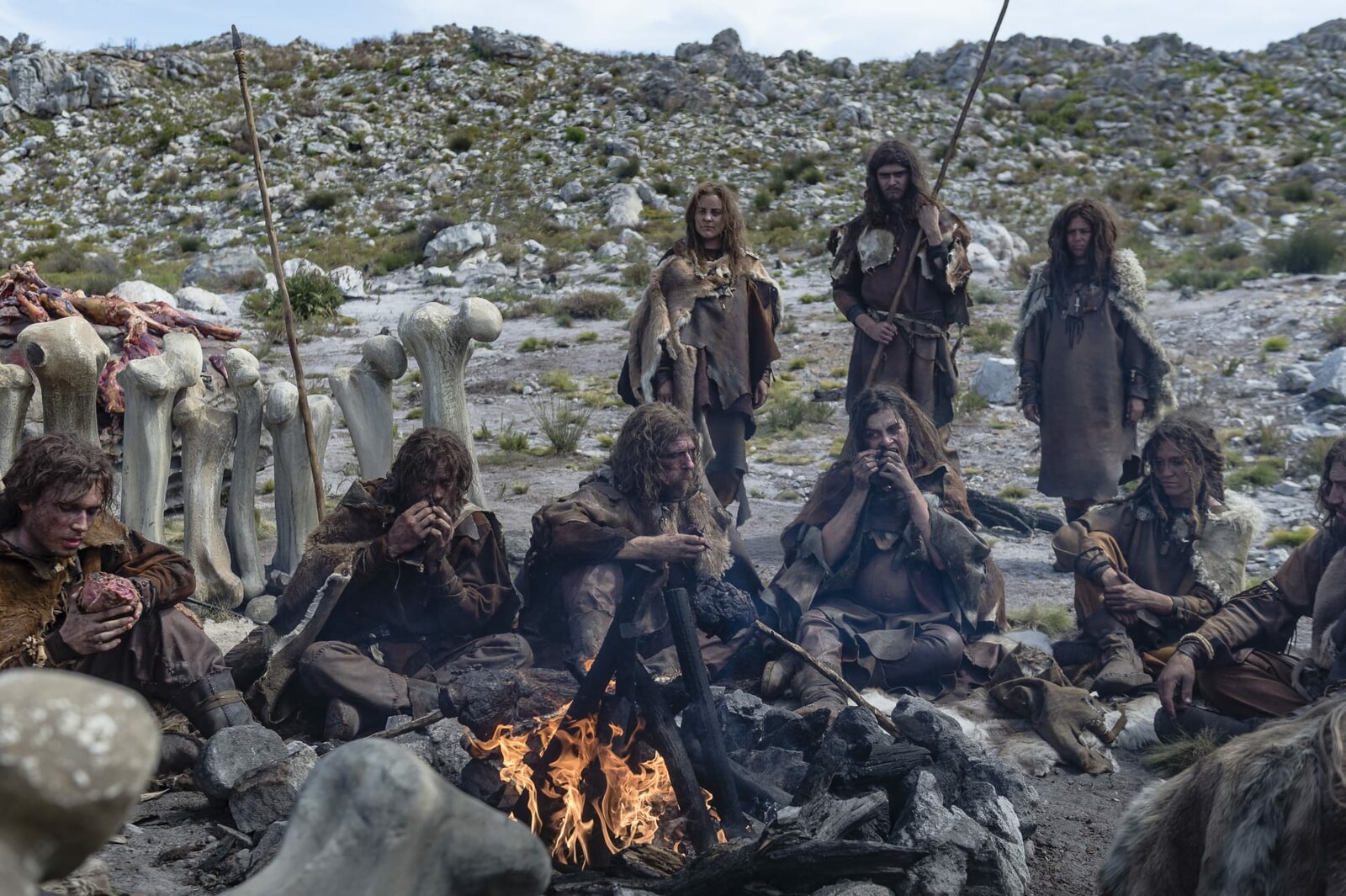
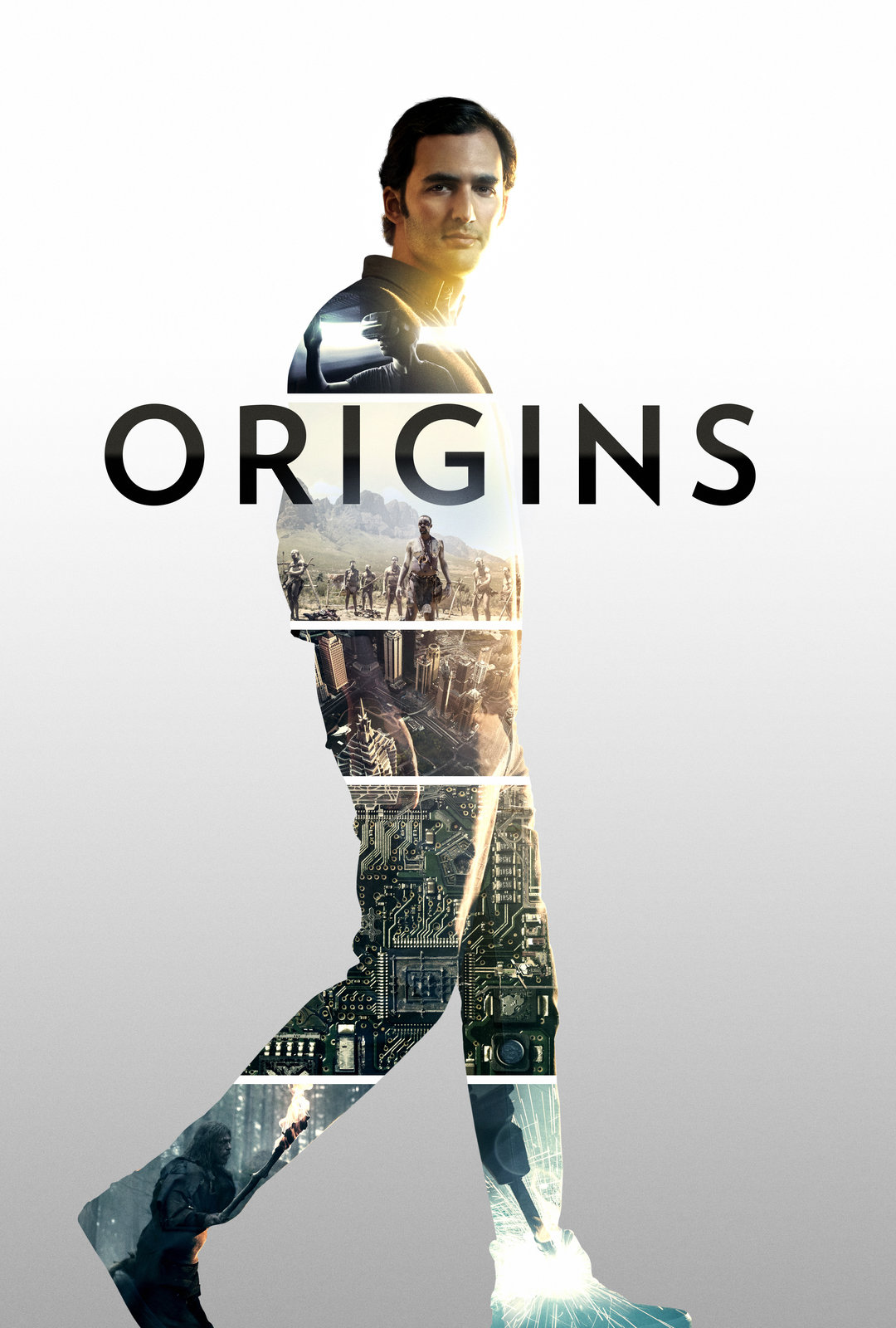
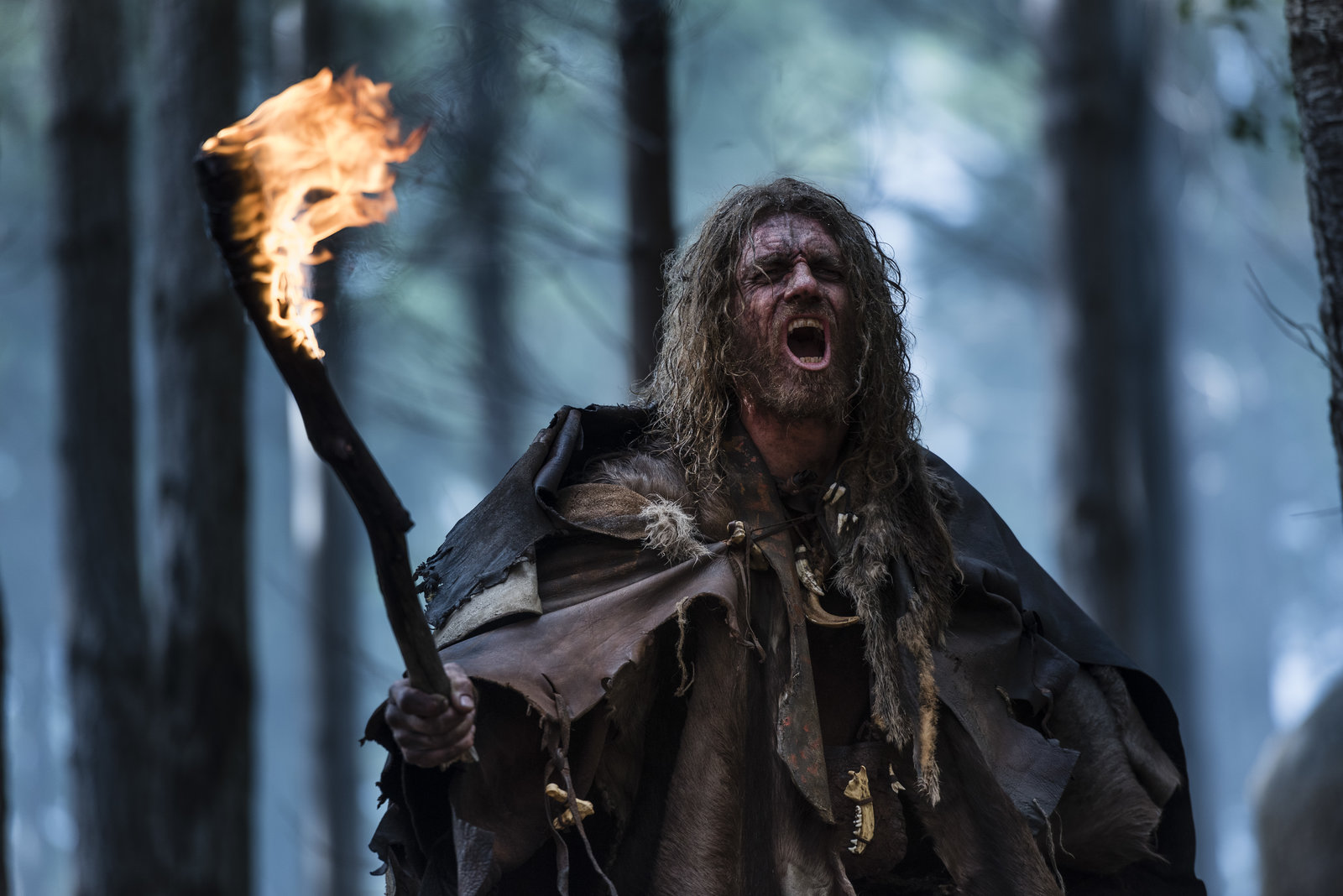
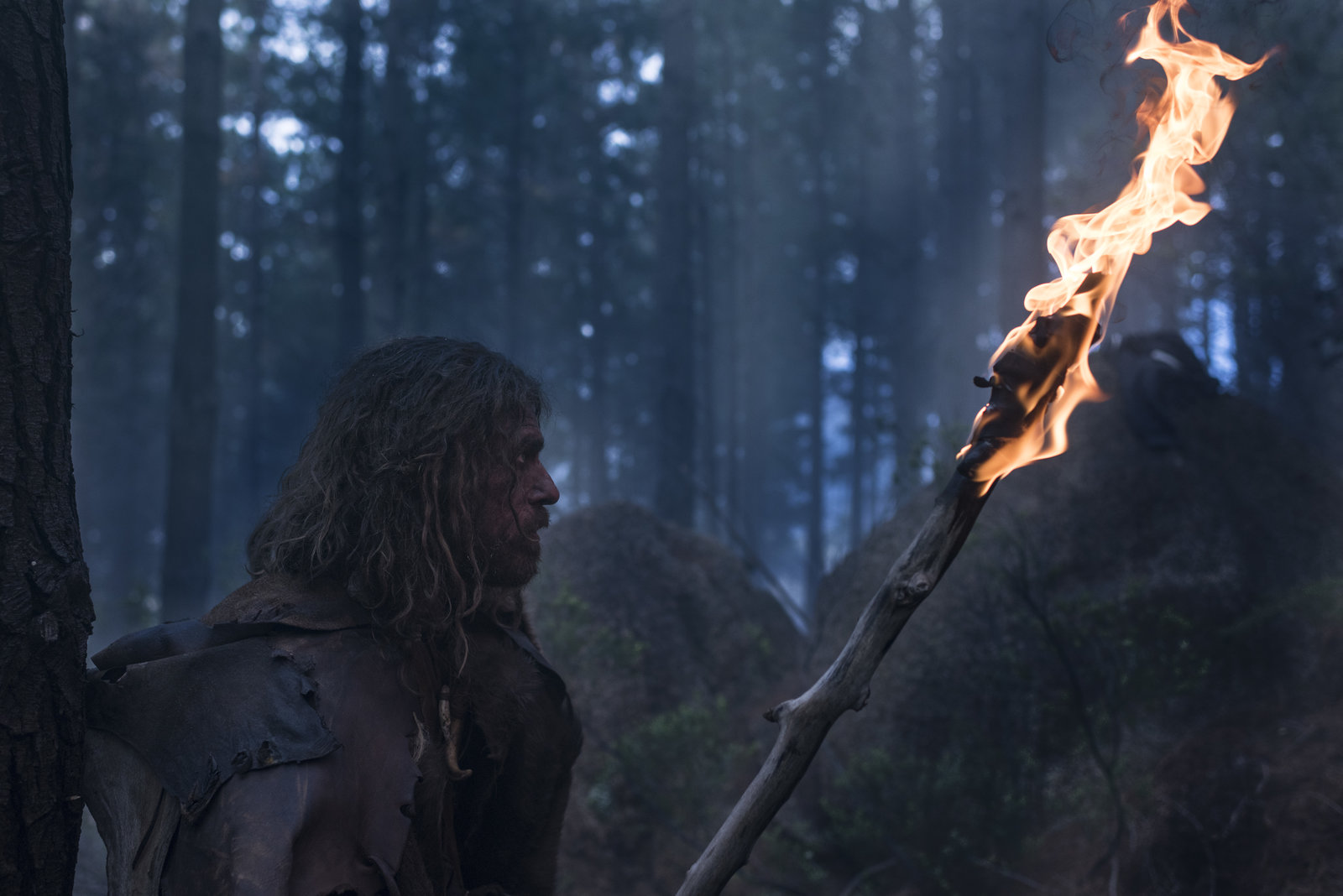
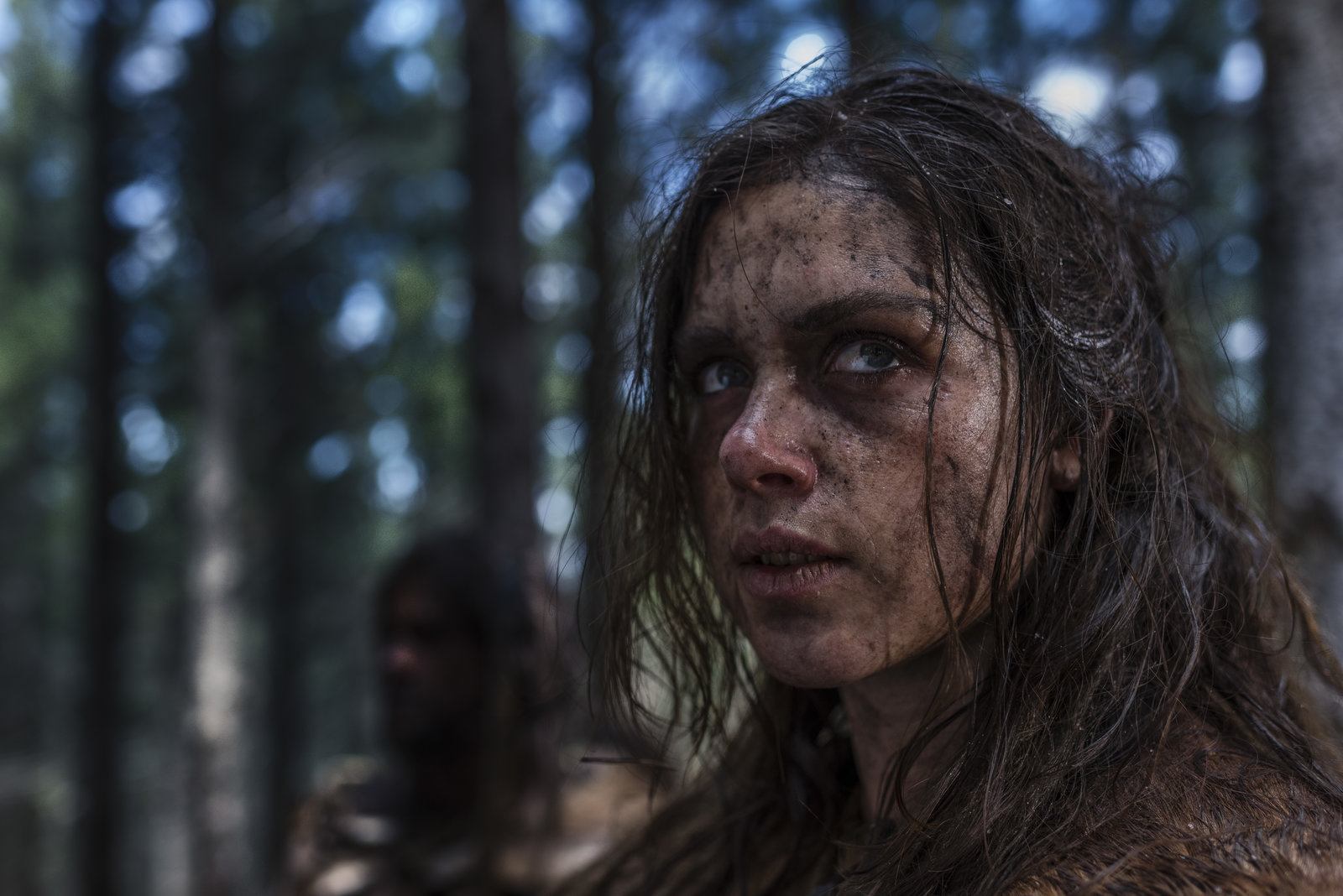
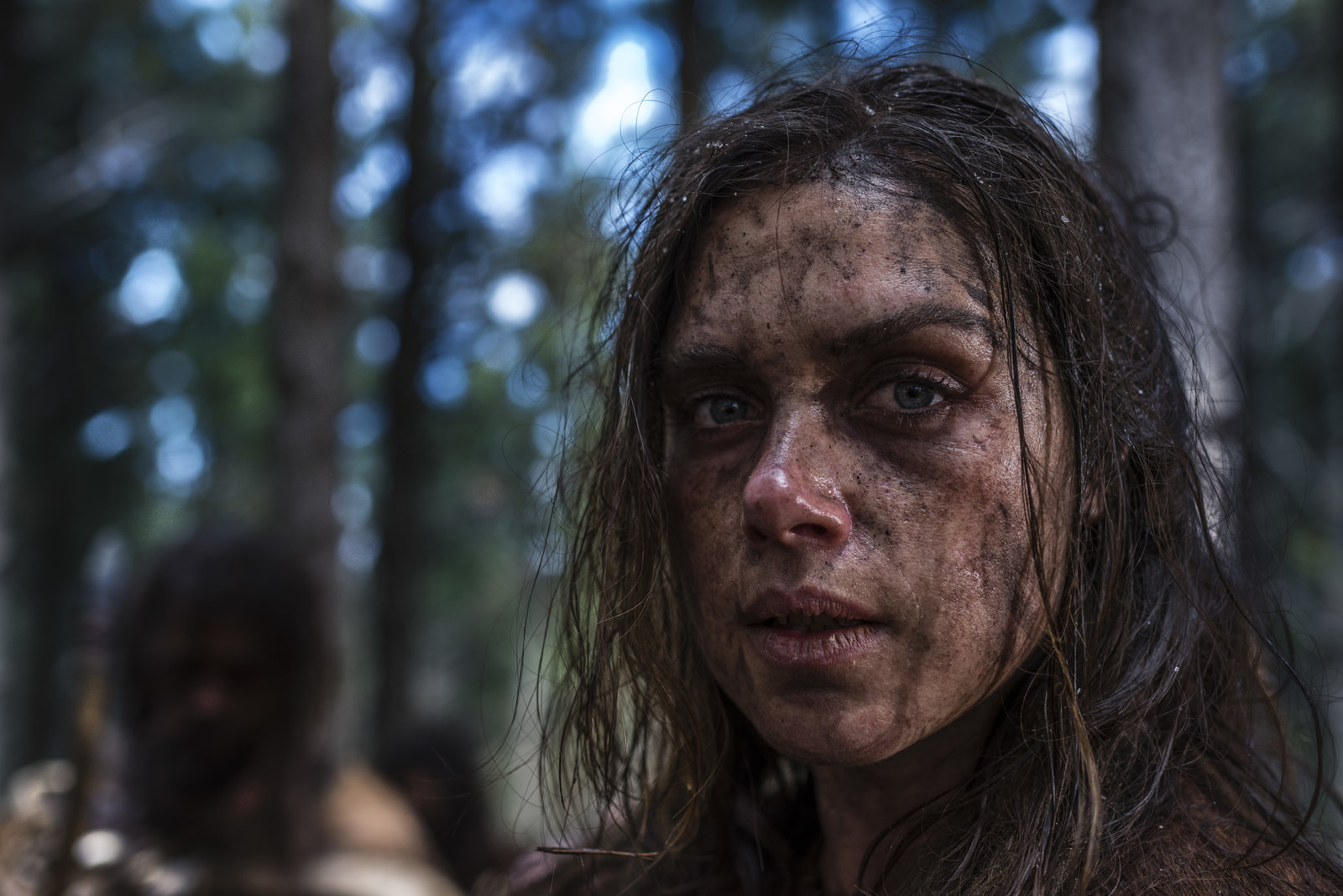
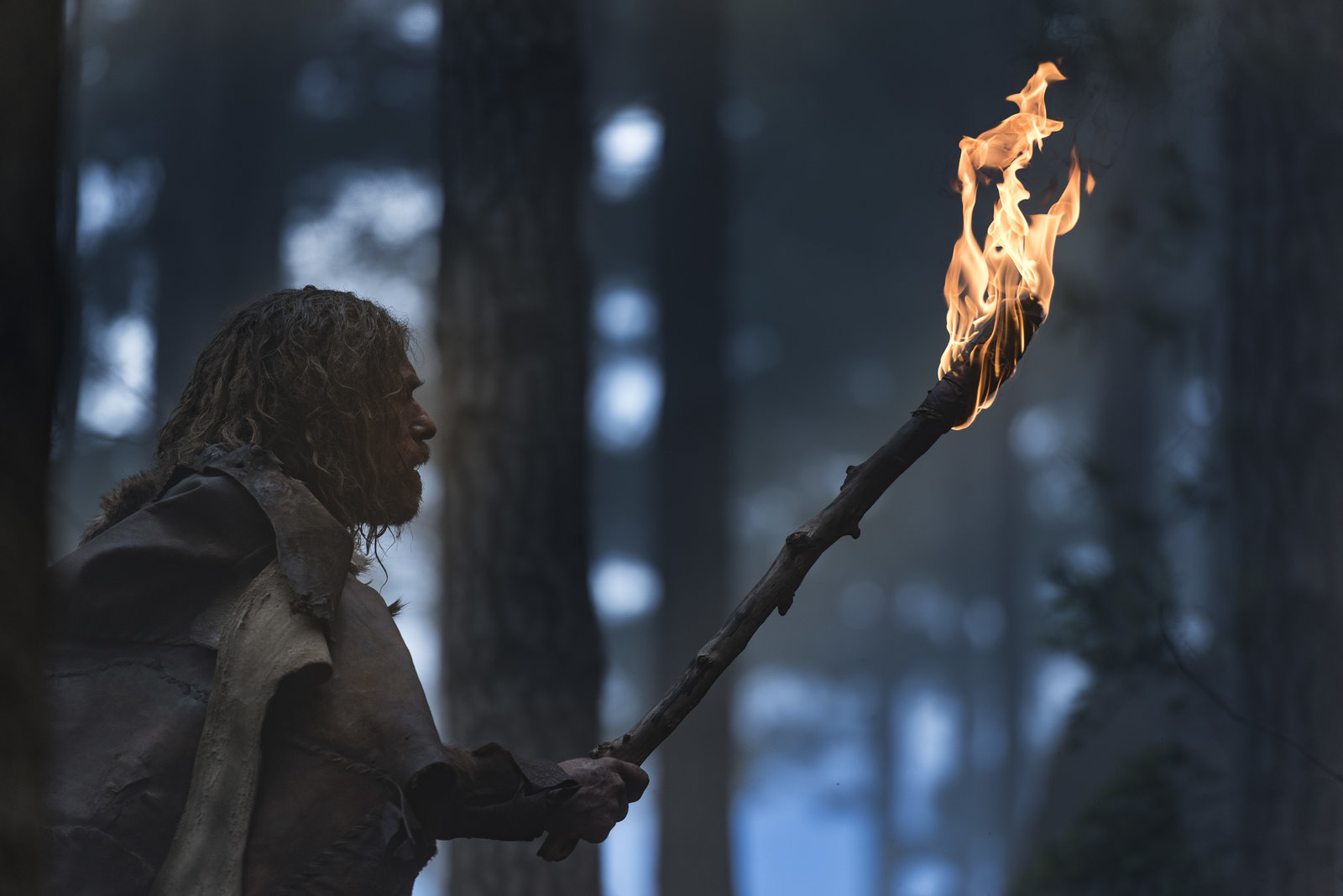
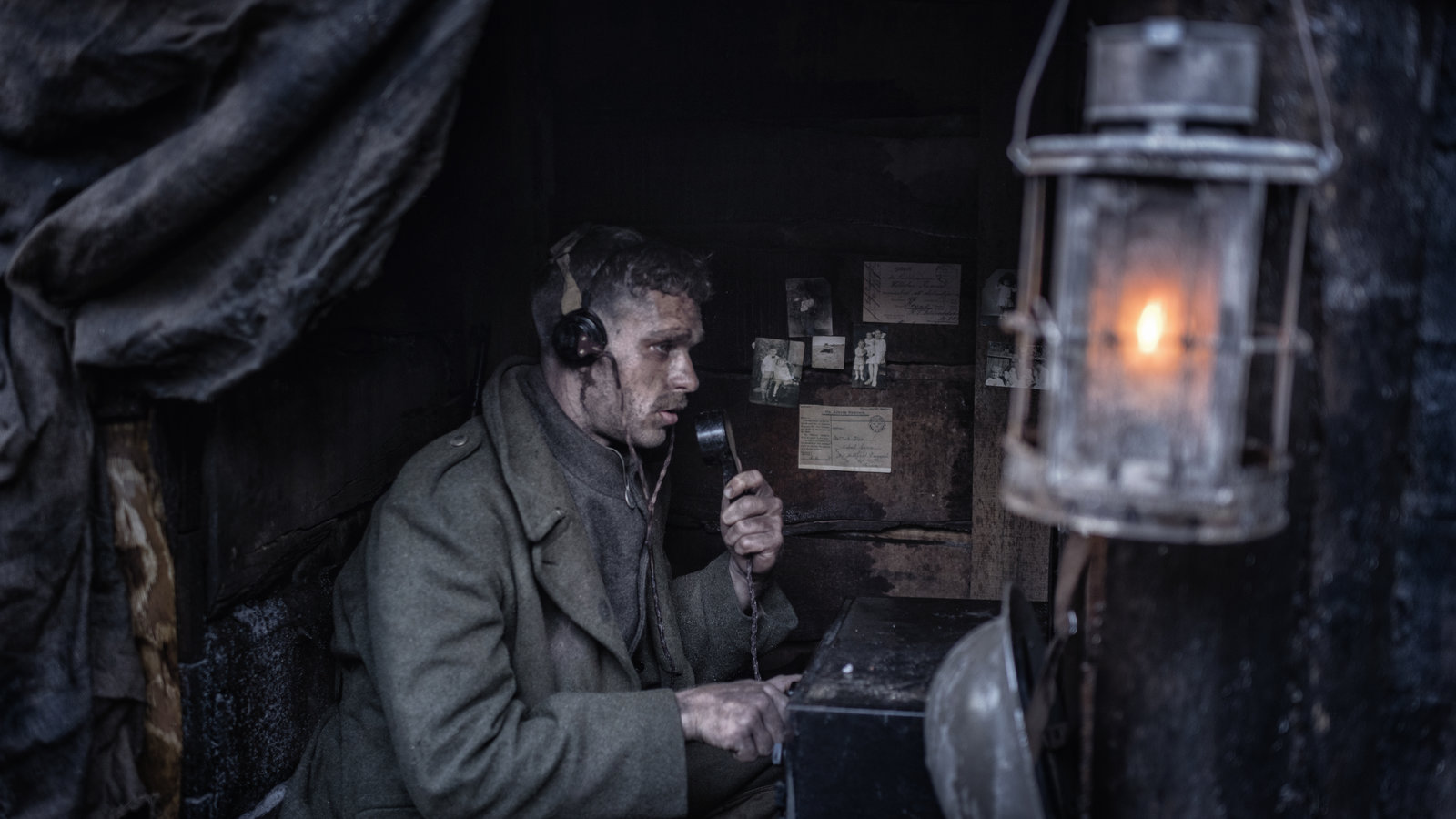
In the greatest adventure saga ever told -- the story of the human species -- National Geographic presents ORIGINS: The Journey of Humankind - an eight-part series that celebrates how man became modern. Episode 1 "Fire". We are the Fire Species. Harnessing fire gave us the power to create, to destroy and to transform. But it also taught us hard lessons about what we can and cannot control. This is the story of how fire transformed our biology and carried us from the savannah to the moon. (photo credit: National Geographic)
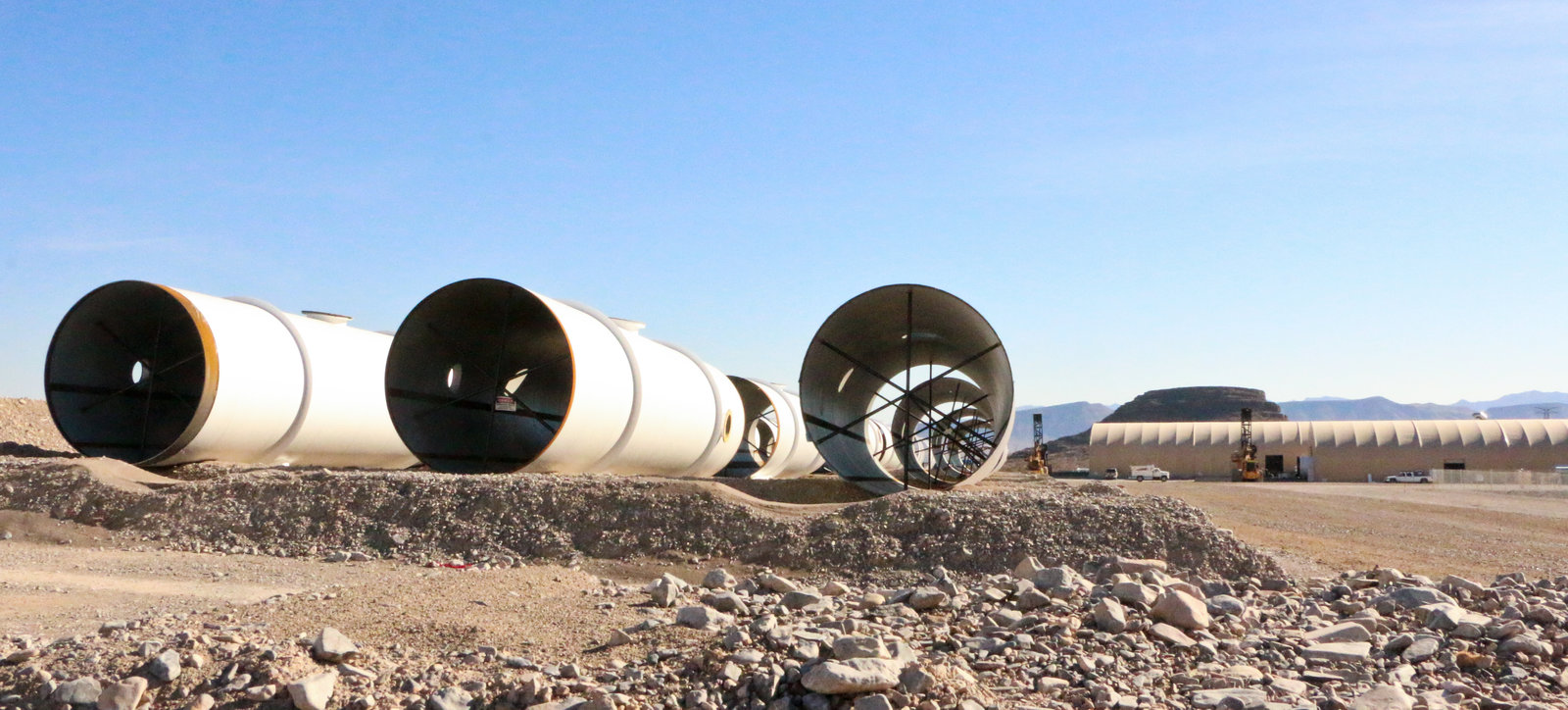
LAS VEGAS - Construction of the Hyperloop in the Nevada desert where workers are building a high-speed transportation system of the future which will allow people to travel from Los Angeles to Las Vegas in minutes. (photo credit: National Geographic/Andrew Palermo)
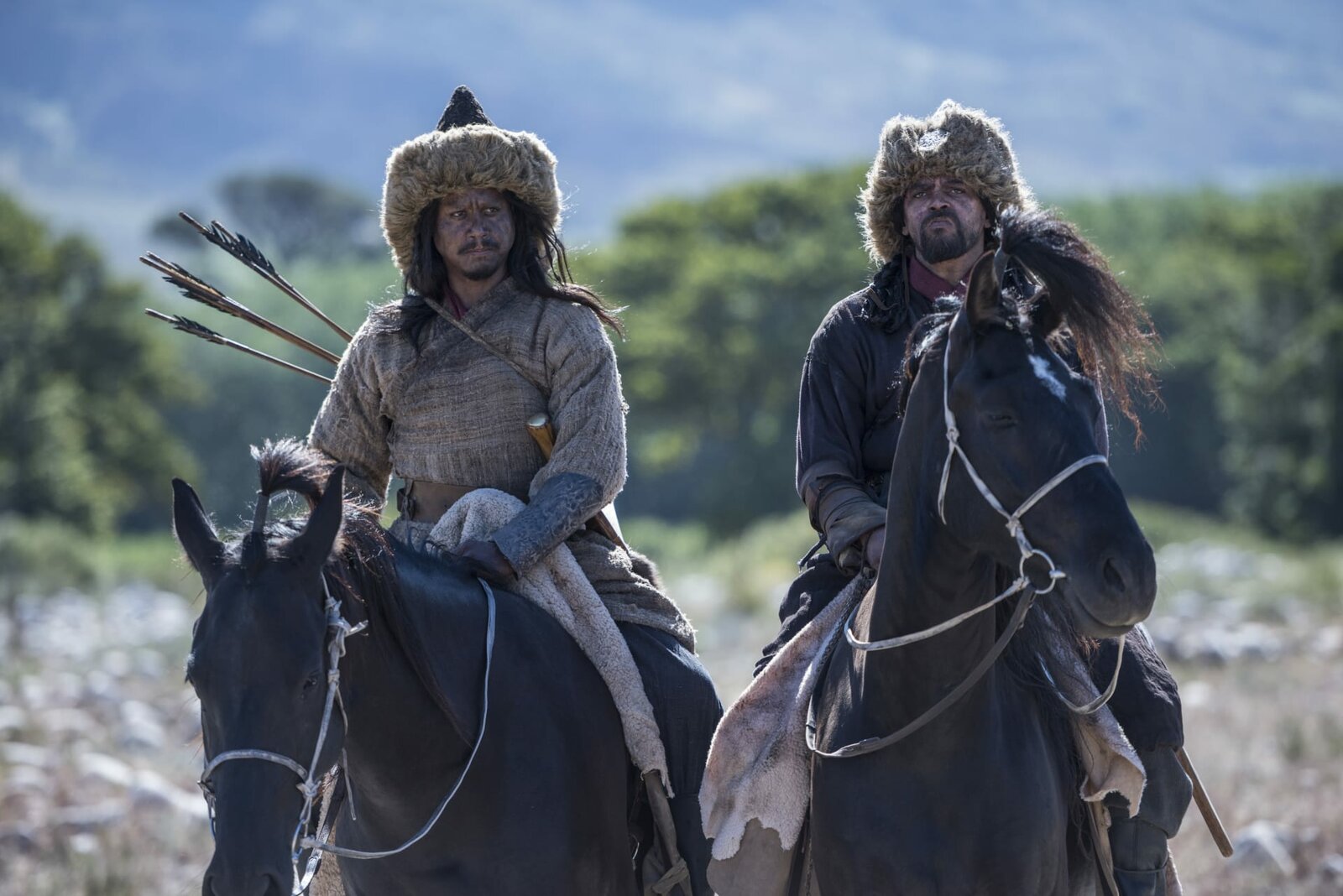
In the early days of humanity, the dominant form of warfare was the ambush. Attackers relied on surprise ? and swift, brutal violence. In a matter of minutes, your home and your tribe could be decimated. Statistically, we are less violent as a species than any time in our history?yet we seem to be in a constant state of war. Is this a disastrous flaw in humanity, or do humans need war to evolve? From primitive massacres to modern day superpowers, this is the story of how we have waged war and won peace, and how those battles continue to push us into the future. This is Origins. (photo credit: National Geographic)
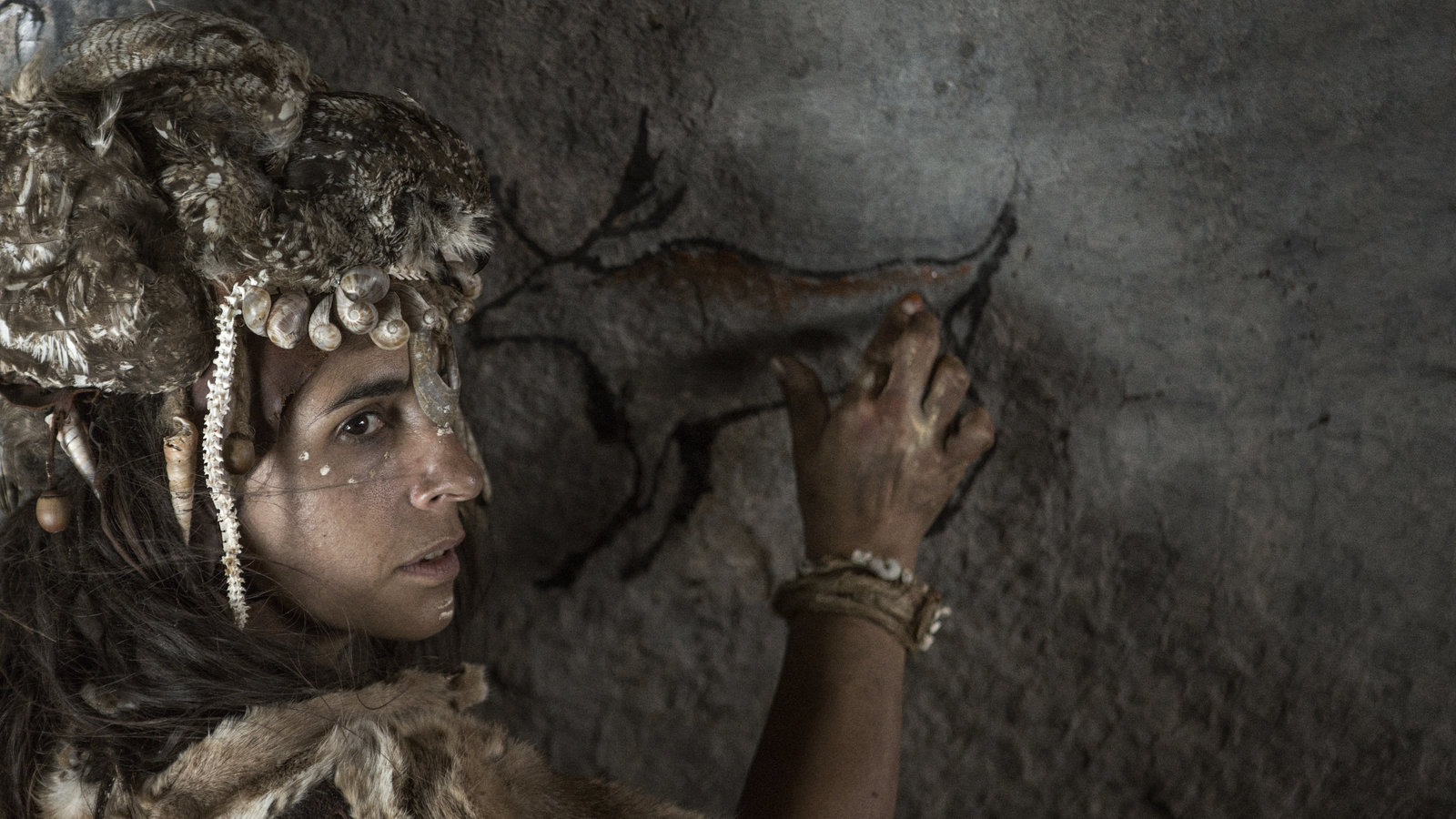
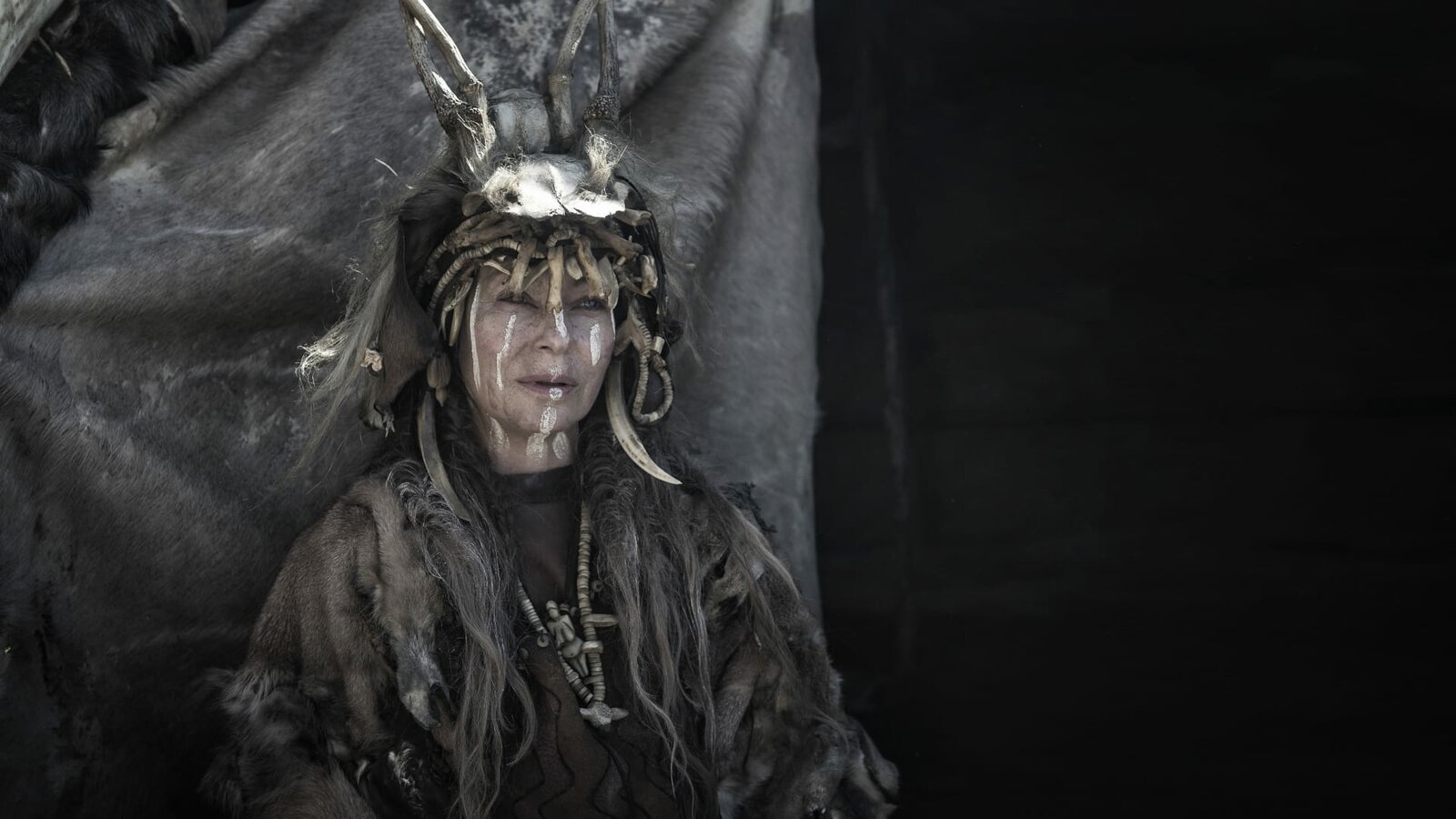
A Shaman performs a ritual after a teenage boy kills a deer. Communication powers the modern world. Through wireless connections and mobile phones, billions of people can make their voices and ideas heard around the globe. It?s something the human race has been striving for since the dawn of our species. How did we become a race of connectors? This is ORIGINS. (photo credit: National Geographic)
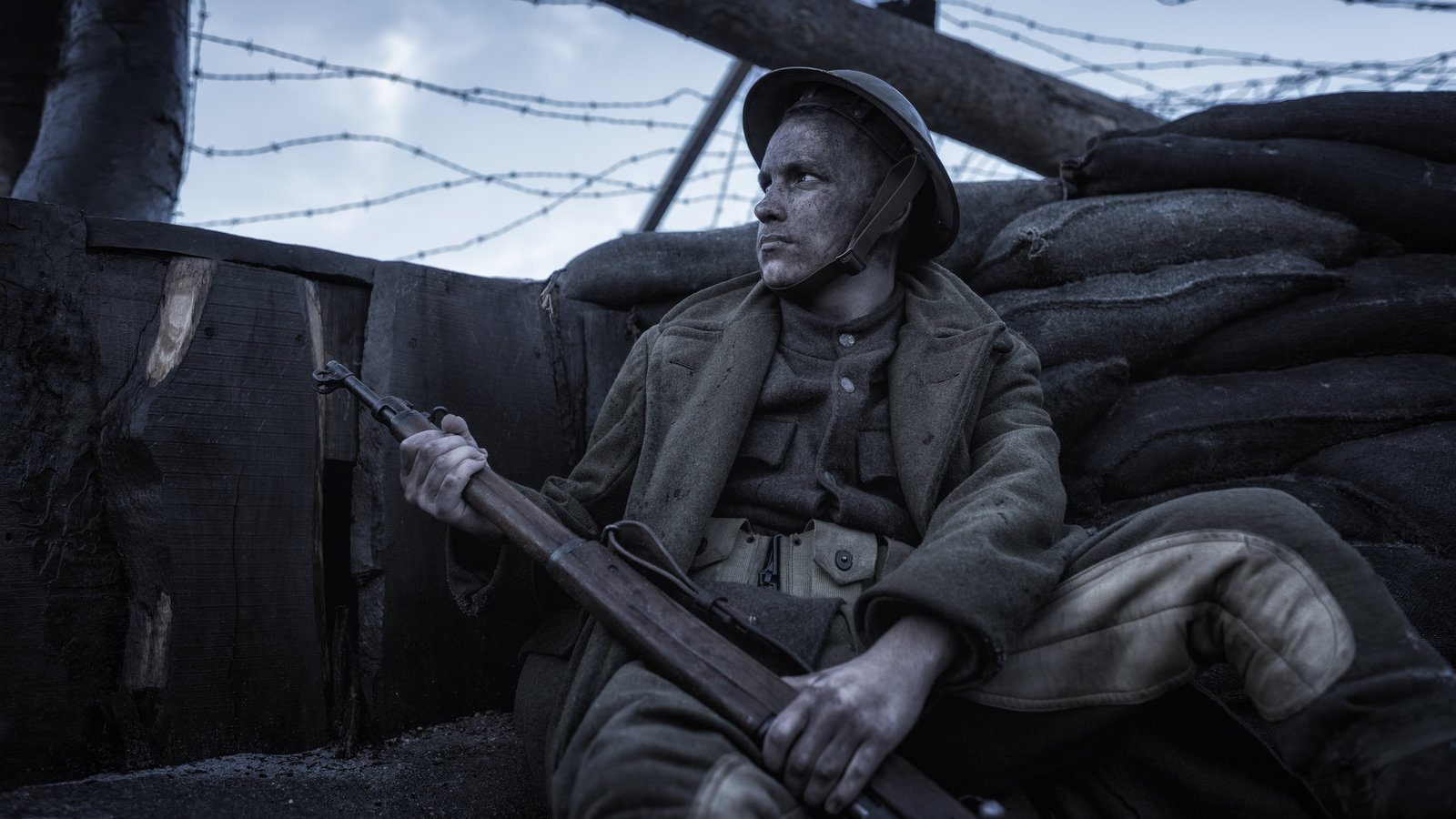
World War I begins with the armies planning to fight each other on horseback. It ends in battles that involve machine guns and planes and tanks. You see some of the most horrifying weapons ever deployed. Statistically, we are less violent as a species than any time in our history?yet we seem to be in a constant state of war. Is this a disastrous flaw in humanity, or do humans need war to evolve? From primitive massacres to modern day superpowers, this is the story of how we have waged war and won peace, and how those battles continue to push us into the future. This is Origins. (photo credit: National Geographic)
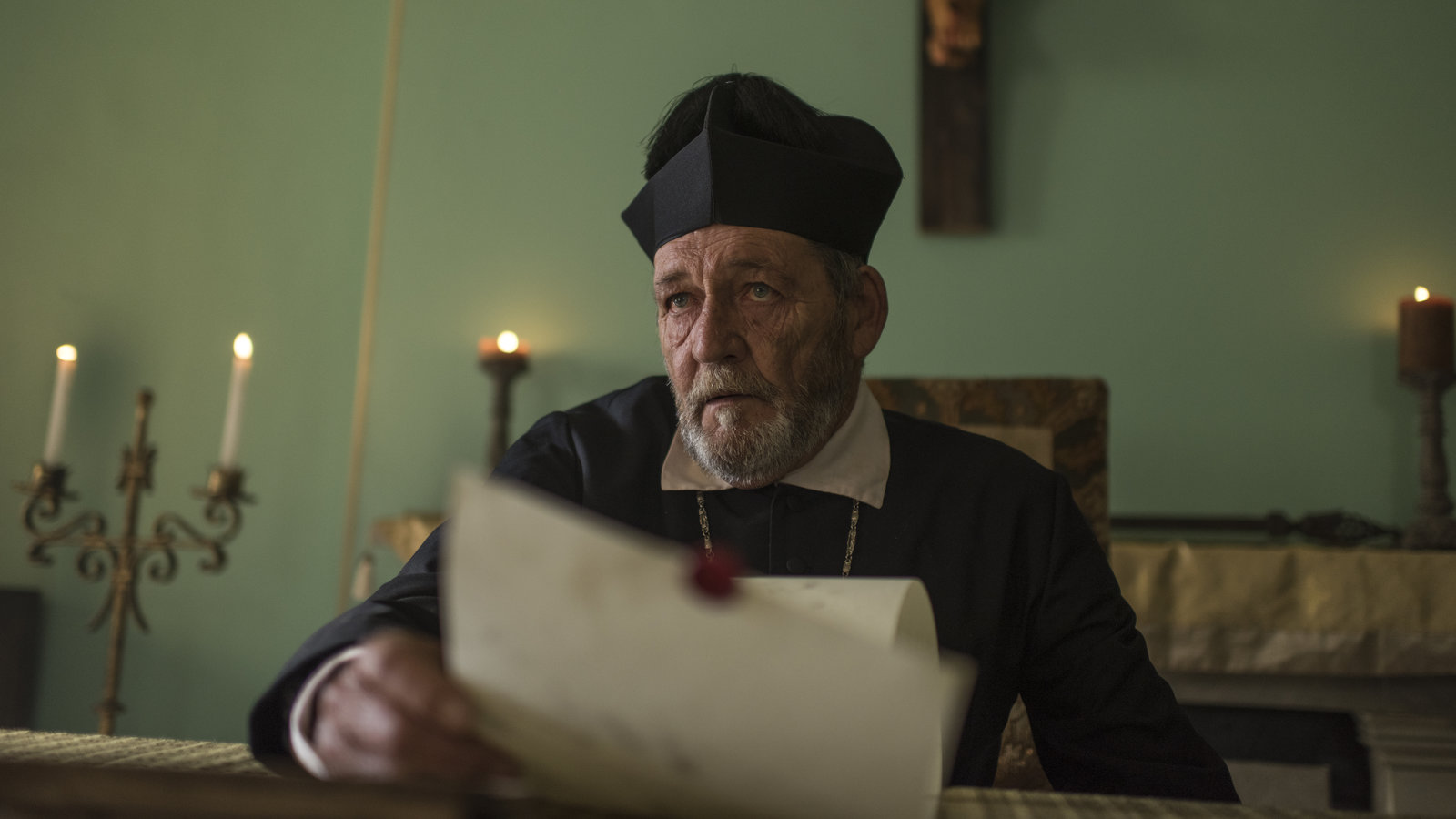
There was a new hypothesis by Nicolaus Copernicus... that said, no, the Earth is not the center of the universe... the planets including the Earth actually revolve around the sun. Unfortunately, there was no evidence at the time to support this hypothesis. With a few improvements, Galileo next turned his telescope to Jupiter? and what he found was nothing short of heretical. (photo credit: National Geographic)
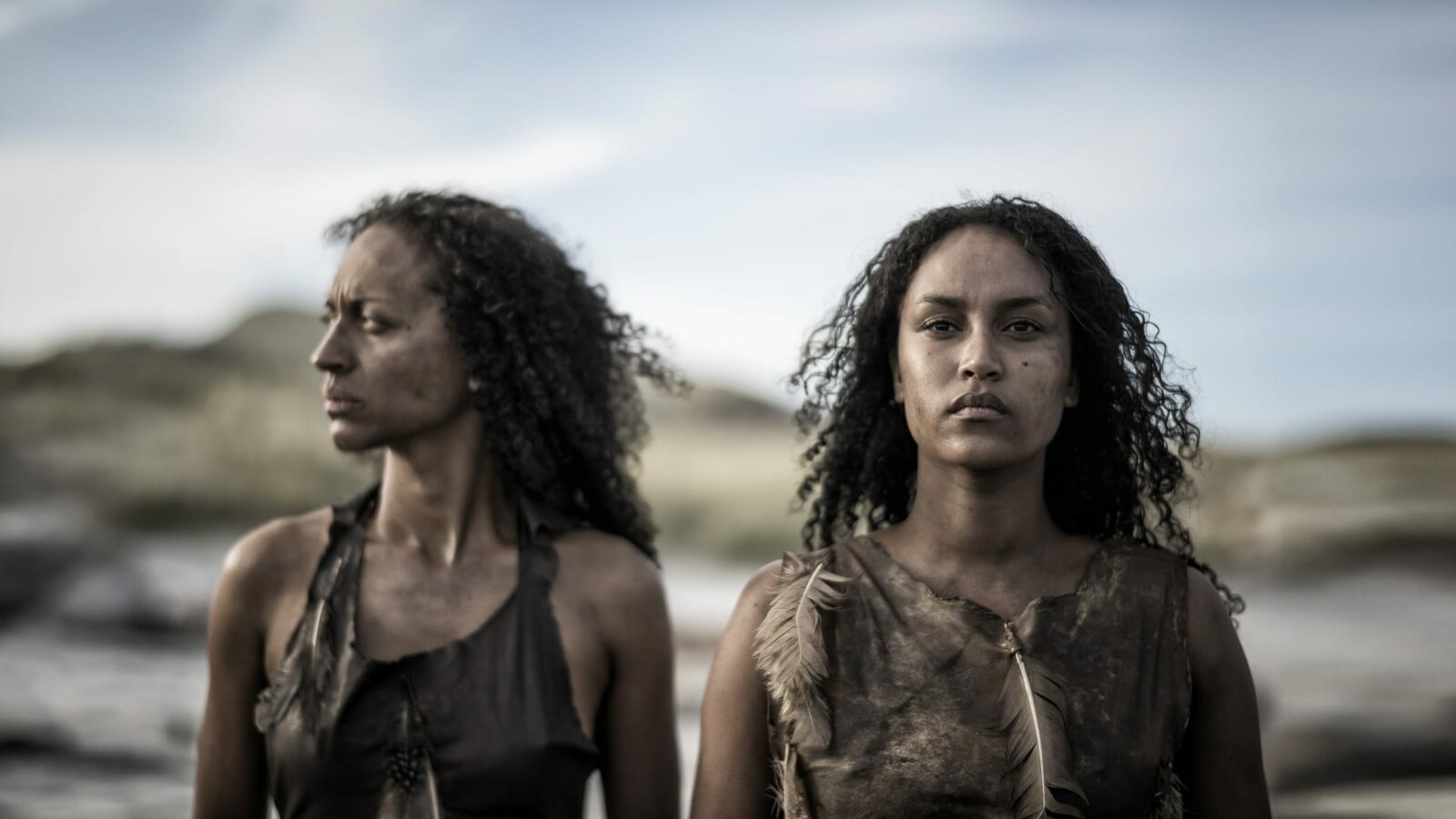
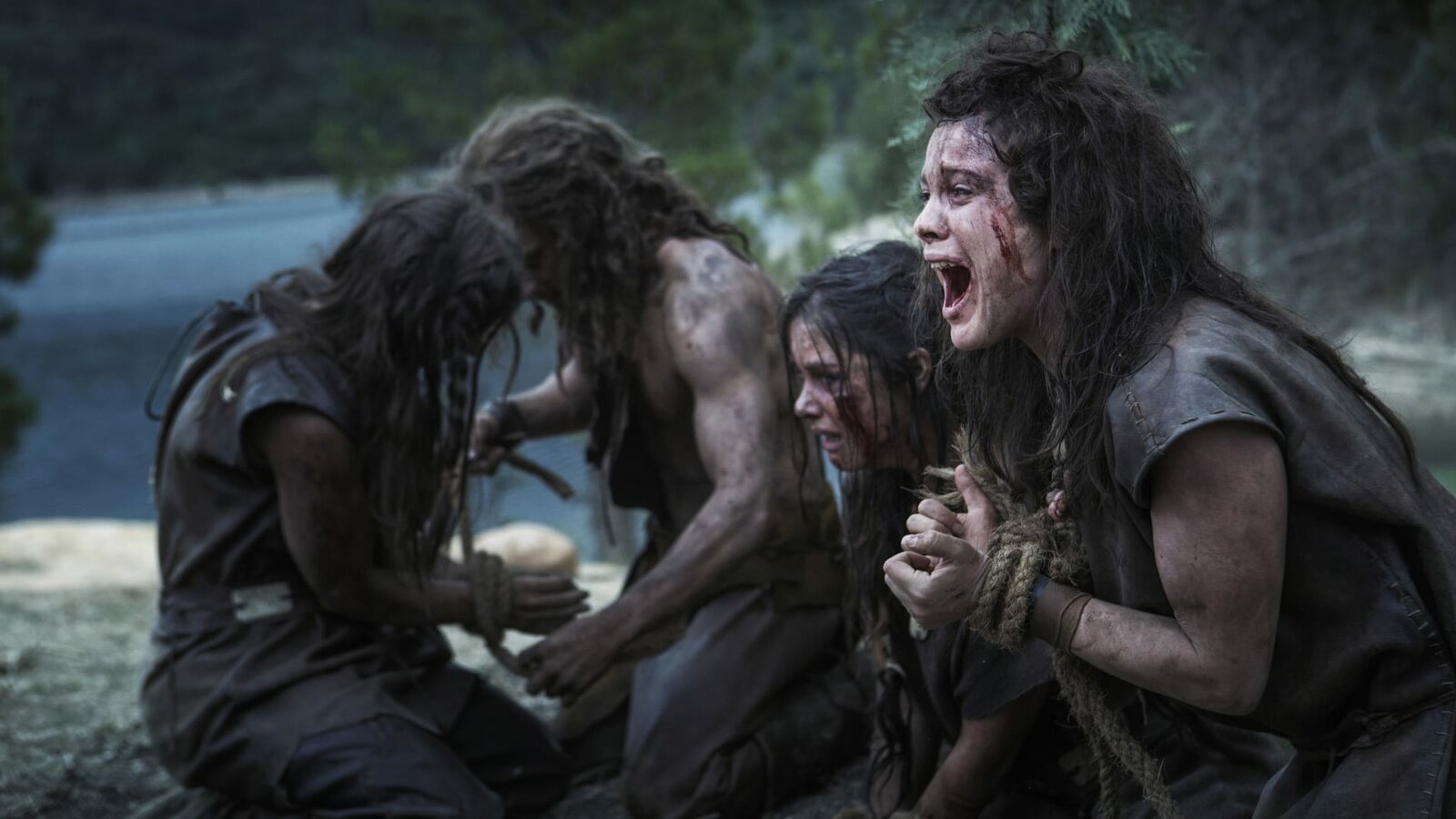
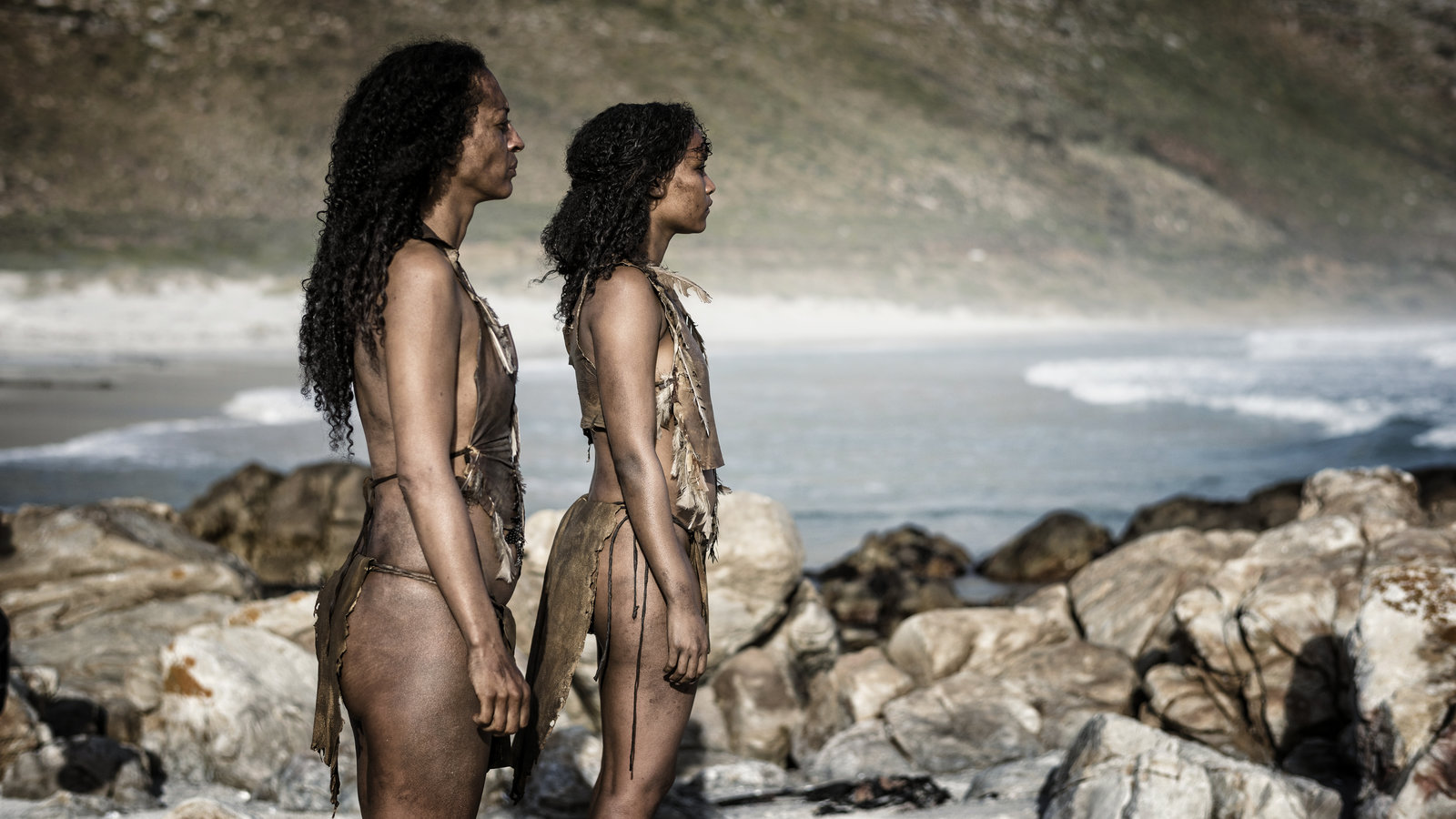
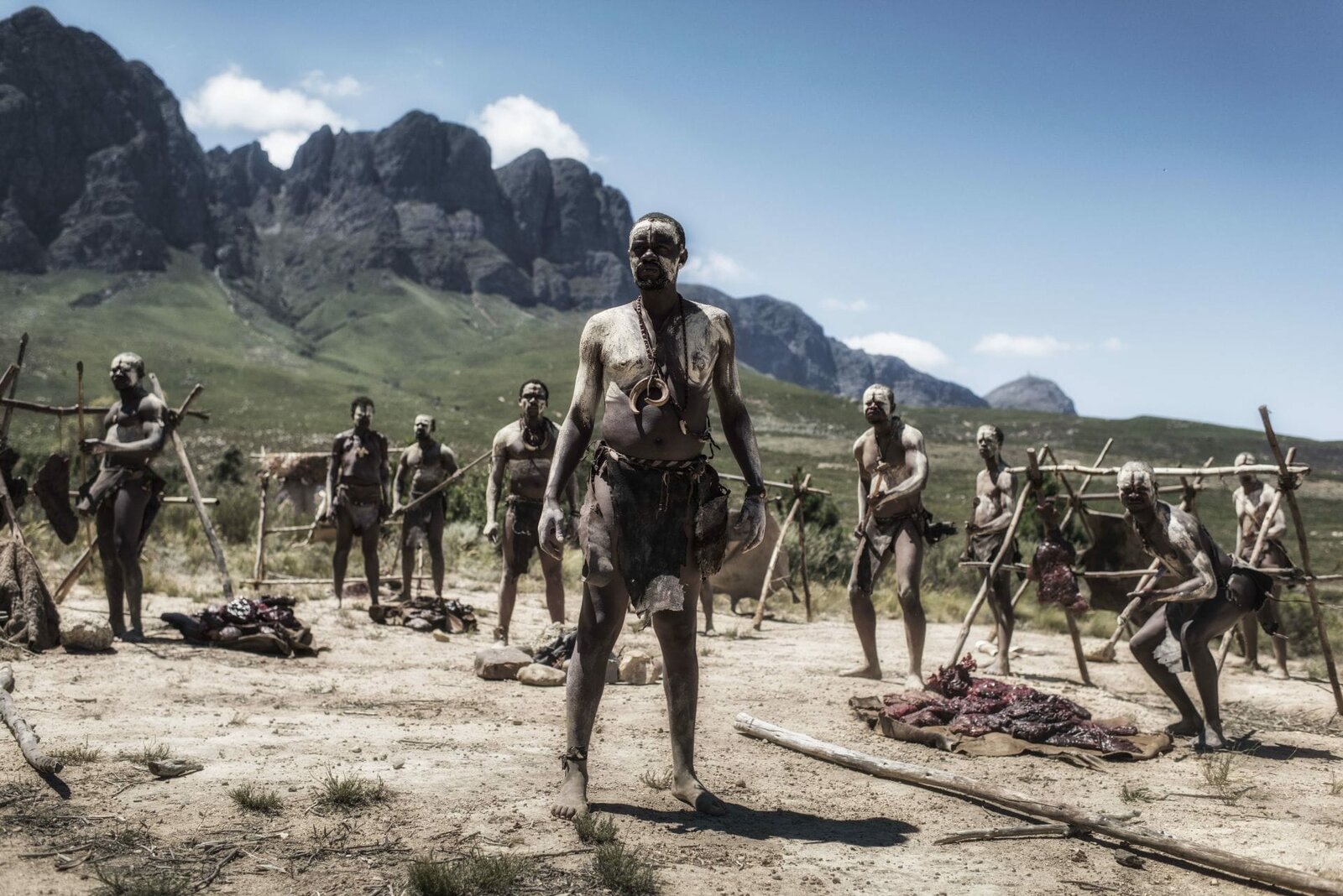
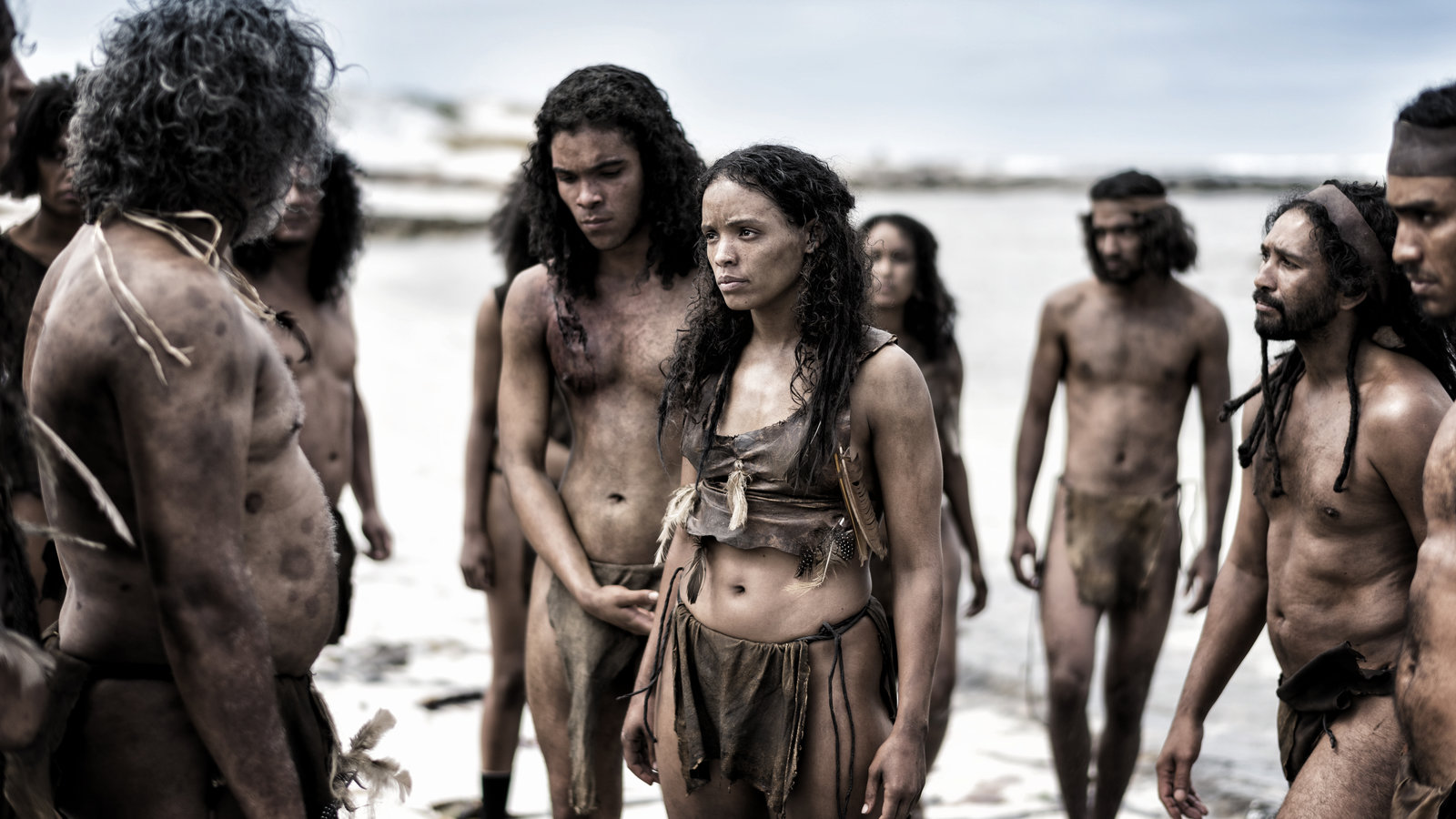
A tribe looks for land. In this age, competition over resources would have been fierce between tribes. Conflict becomes inevitable. (photo credit: National Geographic)
Communication powers the modern world. Through wireless connections and mobile phones, billions of people can make their voices and ideas heard around the globe. It?s something the human race has been striving for since the dawn of our species. How did we become a race of connectors? This is ORIGINS. (photo credit: National Geographic)
Die Nutzung des Feuers gab uns die Kraft, zu erschaffen, zu zerstören und zu verwandeln. Aber es hat uns auch harte Lektionen darüber gelehrt, was wir kontrollieren können und was nicht.
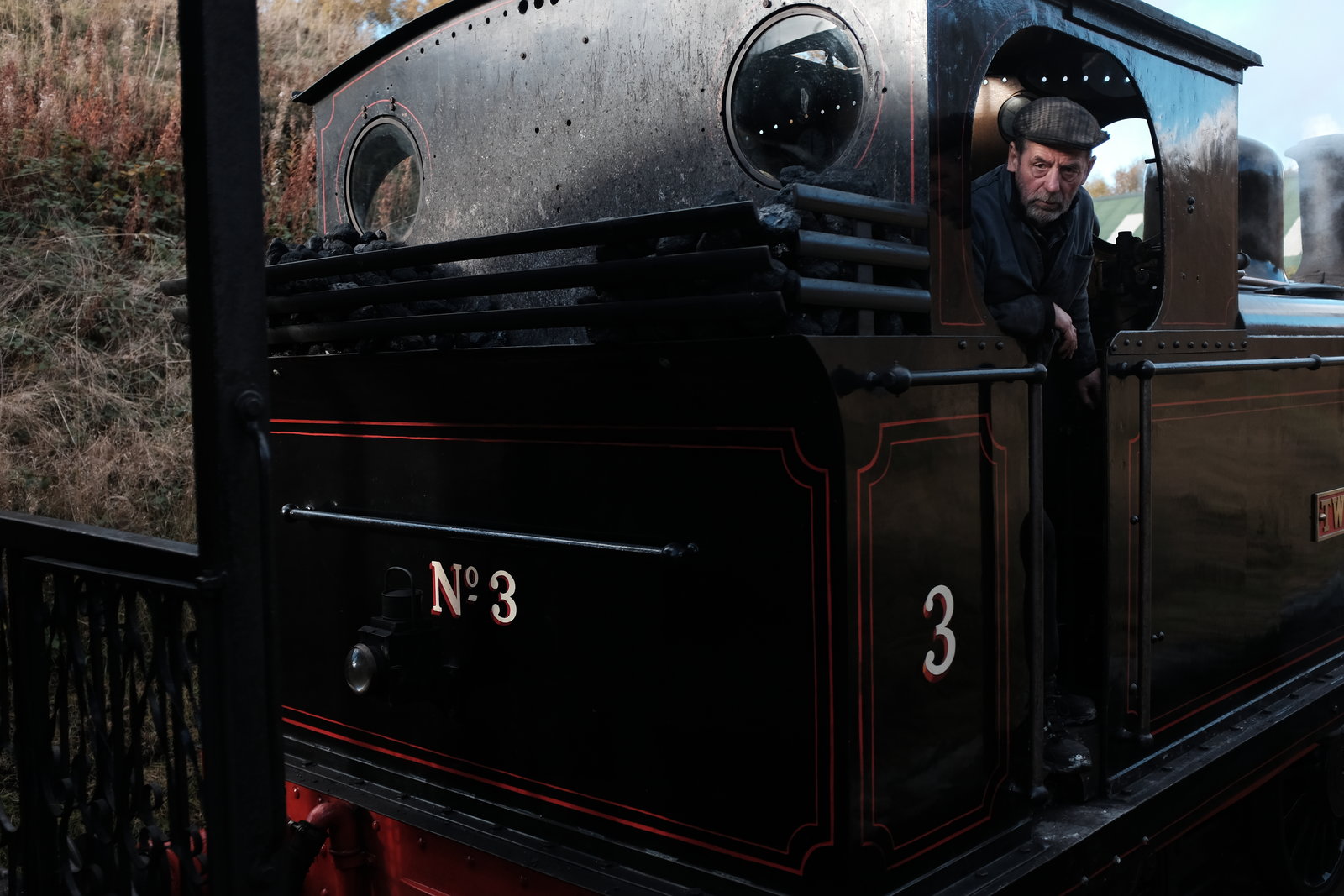
NewCastle-upon-Tyne, UK - Ian Cowan, an engineering manager at the Tanfield Railway, driving steam powered locomotive. (photo credit: National Geographic/Andy Catarisano)
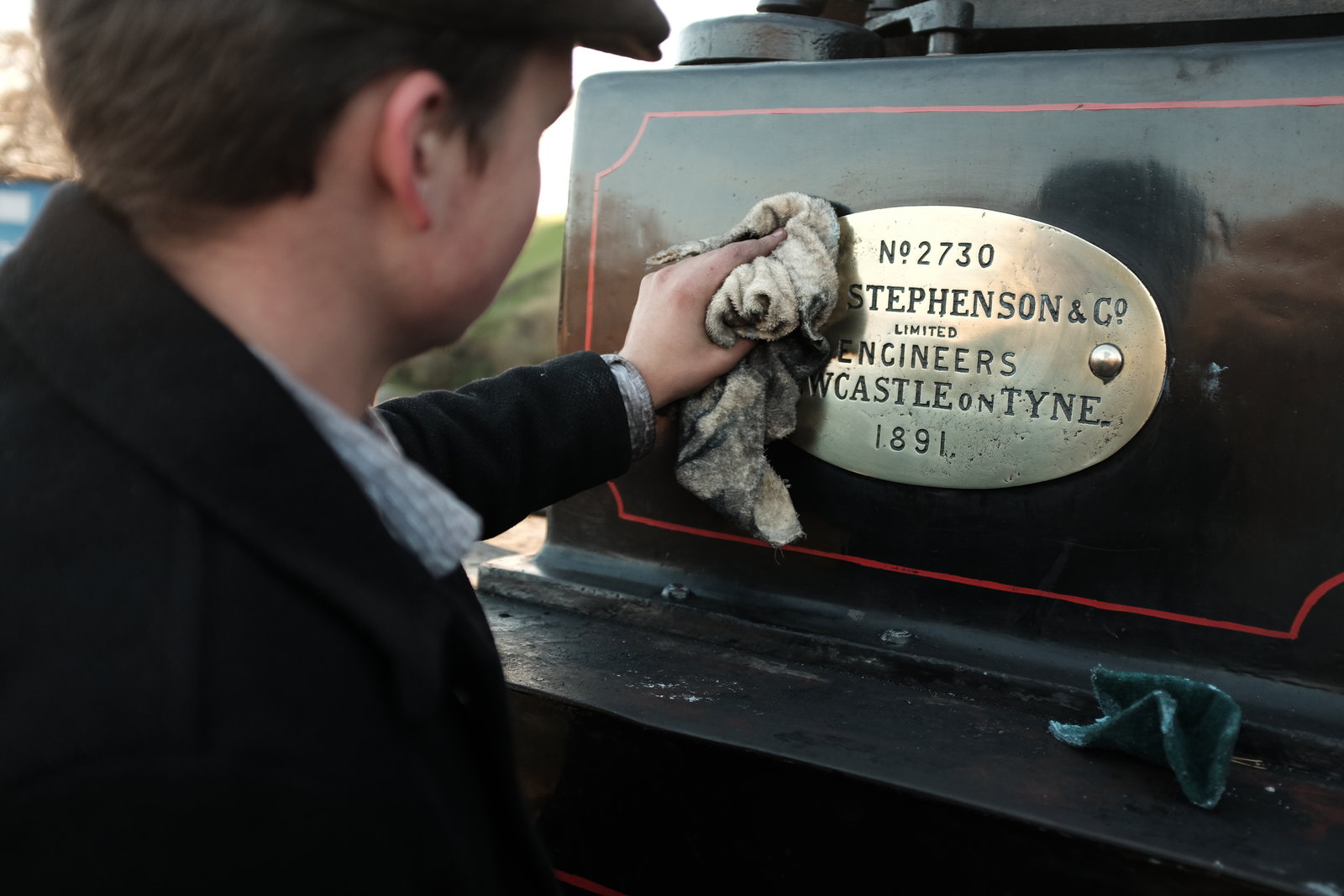
NewCastle-upon-Tyne, UK - Young man Anthony Walker wiping clean a plaque on a steam train engineered by the Stephenson and Company, which was the worlds first locomotive builder. (photo credit: National Geographic/Andy Catarisano)
A tribe looks for land. In this age, competition over resources would have been fierce between tribes. Conflict becomes inevitable. (photo credit: National Geographic)
In the greatest adventure saga ever told -- the story of the human species -- National Geographic presents ORIGINS: The Journey of Humankind - an eight-part series that celebrates how man became modern. Episode 1 "Fire". We are the Fire Species. Harnessing fire gave us the power to create, to destroy and to transform. But it also taught us hard lessons about what we can and cannot control. This is the story of how fire transformed our biology and carried us from the savannah to the moon. (photo credit: National Geographic)
In the greatest adventure saga ever told -- the story of the human species -- National Geographic presents ORIGINS: The Journey of Humankind - an eight-part series that celebrates how man became modern. Episode 1 "Fire". We are the Fire Species. Harnessing fire gave us the power to create, to destroy and to transform. But it also taught us hard lessons about what we can and cannot control. This is the story of how fire transformed our biology and carried us from the savannah to the moon. (photo credit: National Geographic)
In the greatest adventure saga ever told -- the story of the human species -- National Geographic presents ORIGINS: The Journey of Humankind - an eight-part series that celebrates how man became modern. Episode 1 "Fire". We are the Fire Species. Harnessing fire gave us the power to create, to destroy and to transform. But it also taught us hard lessons about what we can and cannot control. This is the story of how fire transformed our biology and carried us from the savannah to the moon. (photo credit: National Geographic)
In the greatest adventure saga ever told -- the story of the human species -- National Geographic presents ORIGINS: The Journey of Humankind - an eight-part series that celebrates how man became modern. Episode 1 "Fire". We are the Fire Species. Harnessing fire gave us the power to create, to destroy and to transform. But it also taught us hard lessons about what we can and cannot control. This is the story of how fire transformed our biology and carried us from the savannah to the moon. (photo credit: National Geographic)
In the greatest adventure saga ever told -- the story of the human species -- National Geographic presents ORIGINS: The Journey of Humankind - an eight-part series that celebrates how man became modern. Episode 1 "Fire". We are the Fire Species. Harnessing fire gave us the power to create, to destroy and to transform. But it also taught us hard lessons about what we can and cannot control. This is the story of how fire transformed our biology and carried us from the savannah to the moon. (photo credit: National Geographic)
World War I begins with the armies planning to fight each other on horseback. It ends in battles that involve machine guns and planes and tanks. You see some of the most horrifying weapons ever deployed. Statistically, we are less violent as a species than any time in our history?yet we seem to be in a constant state of war. Is this a disastrous flaw in humanity, or do humans need war to evolve? From primitive massacres to modern day superpowers, this is the story of how we have waged war and won peace, and how those battles continue to push us into the future. This is Origins. (photo credit: National Geographic)
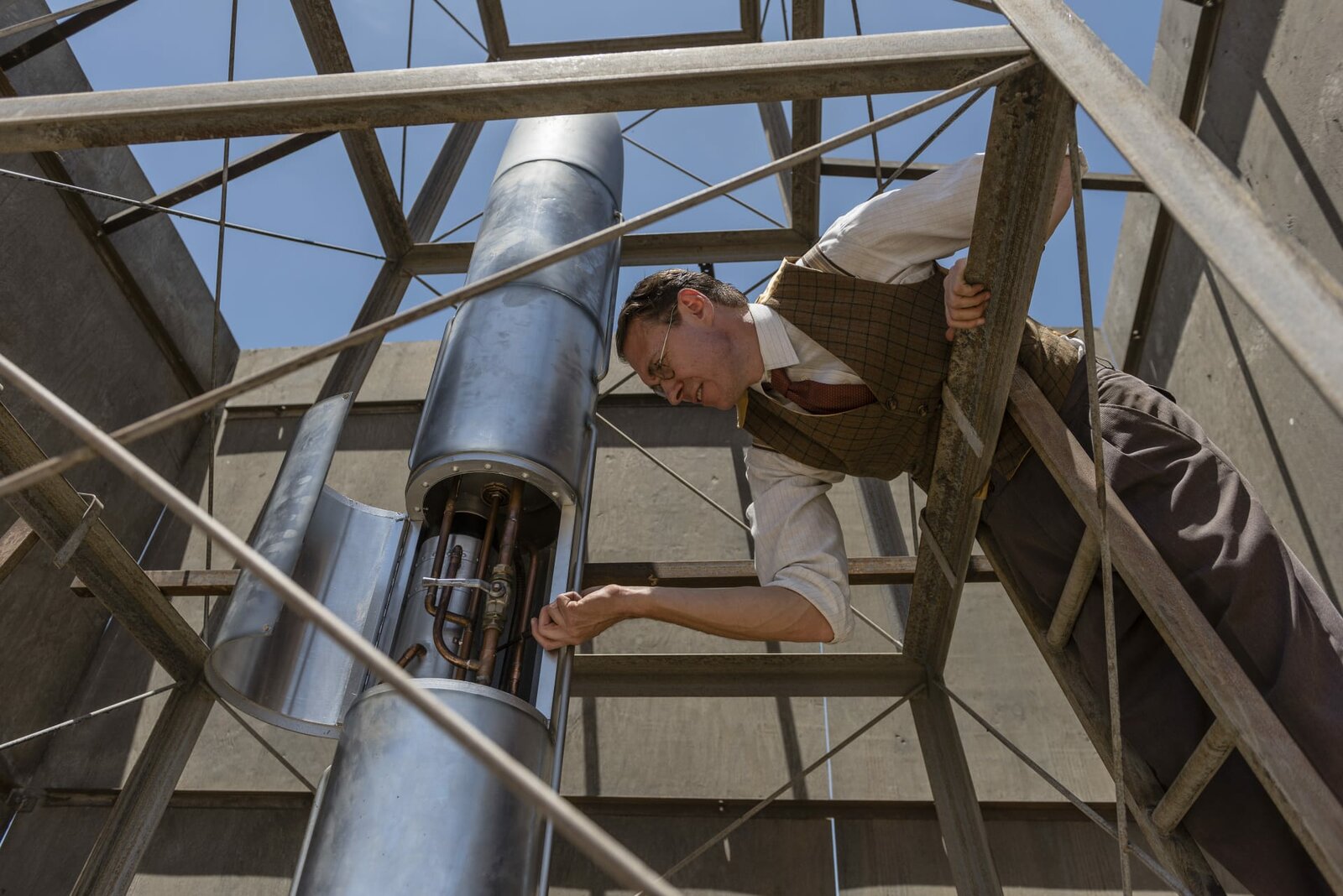
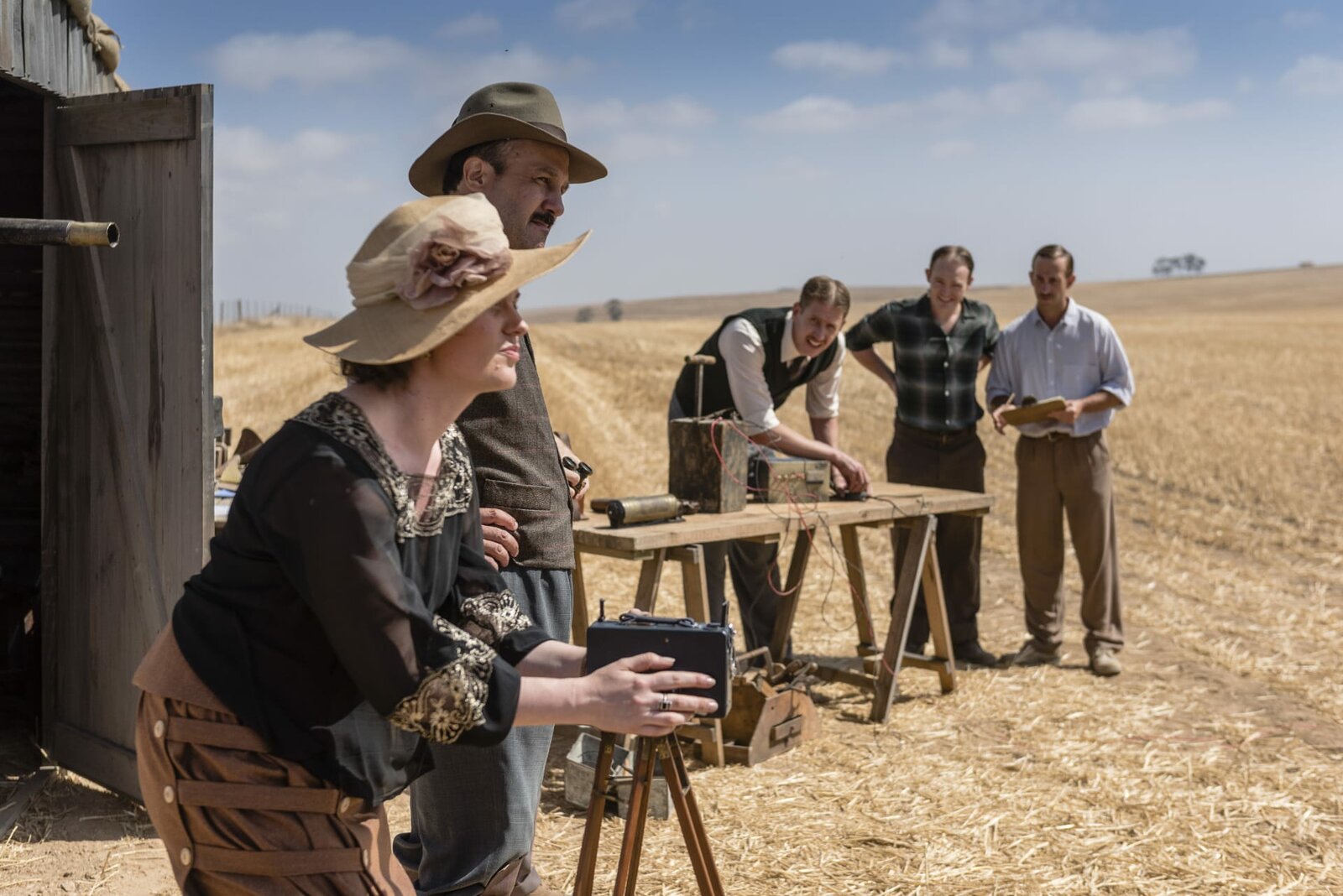
Subject: In 1926 in the New World, American scientist Robert Goddard was the earliest pioneer of space technology, having created the first modern rocket, which was the basis of today?s spacecrafts. (photo credit: National Geographic)
Subject: In 1926 in the New World, American scientist Robert Goddard was the earliest pioneer of space technology, having created the first modern rocket, which was the basis of today?s spacecrafts. (photo credit: National Geographic)
In the greatest adventure saga ever told -- the story of the human species -- National Geographic presents ORIGINS: The Journey of Humankind - an eight-part series that celebrates how man became modern. Episode 1 "Fire". We are the Fire Species. Harnessing fire gave us the power to create, to destroy and to transform. But it also taught us hard lessons about what we can and cannot control. This is the story of how fire transformed our biology and carried us from the savannah to the moon. (photo credit: National Geographic)
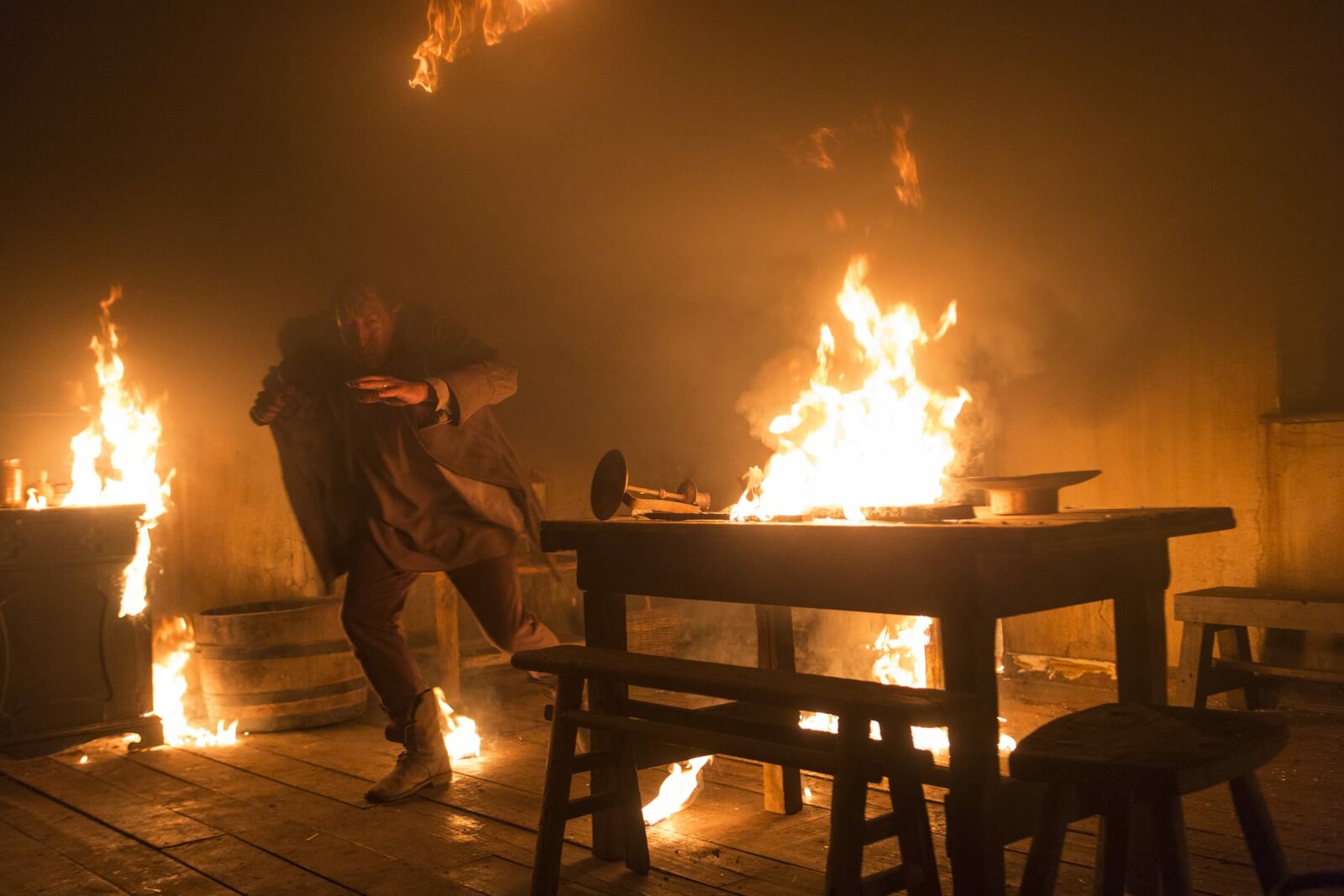
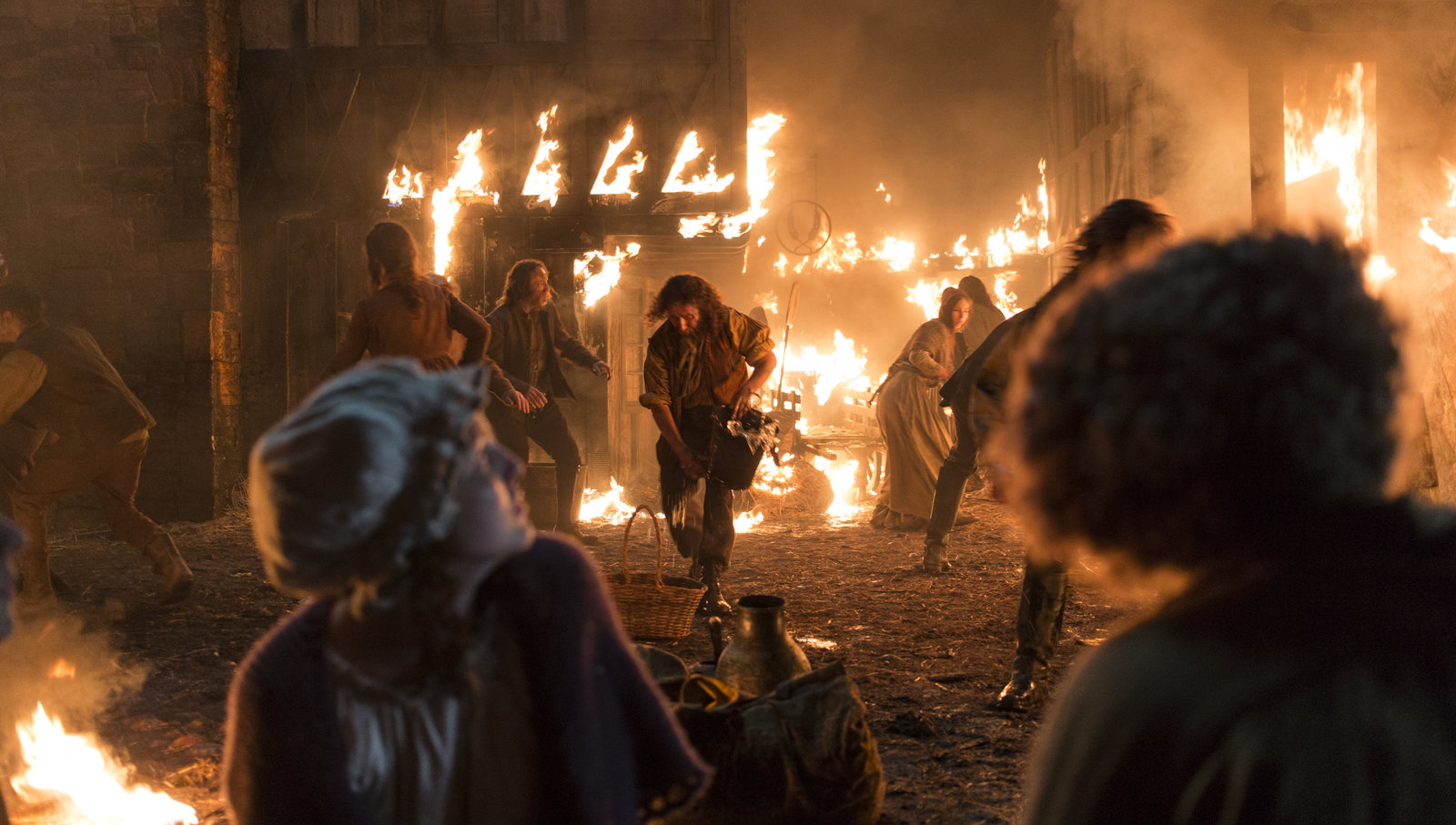
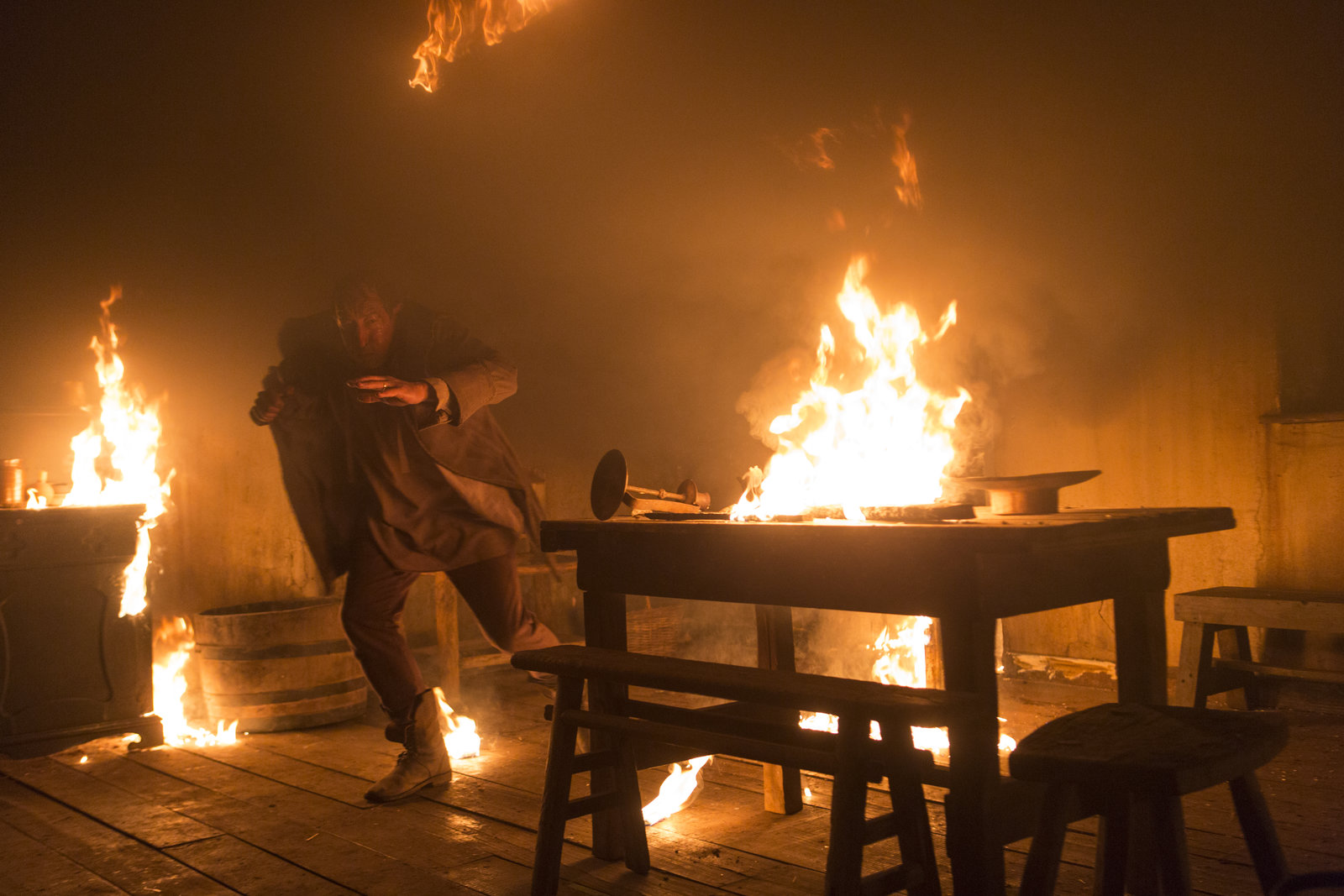
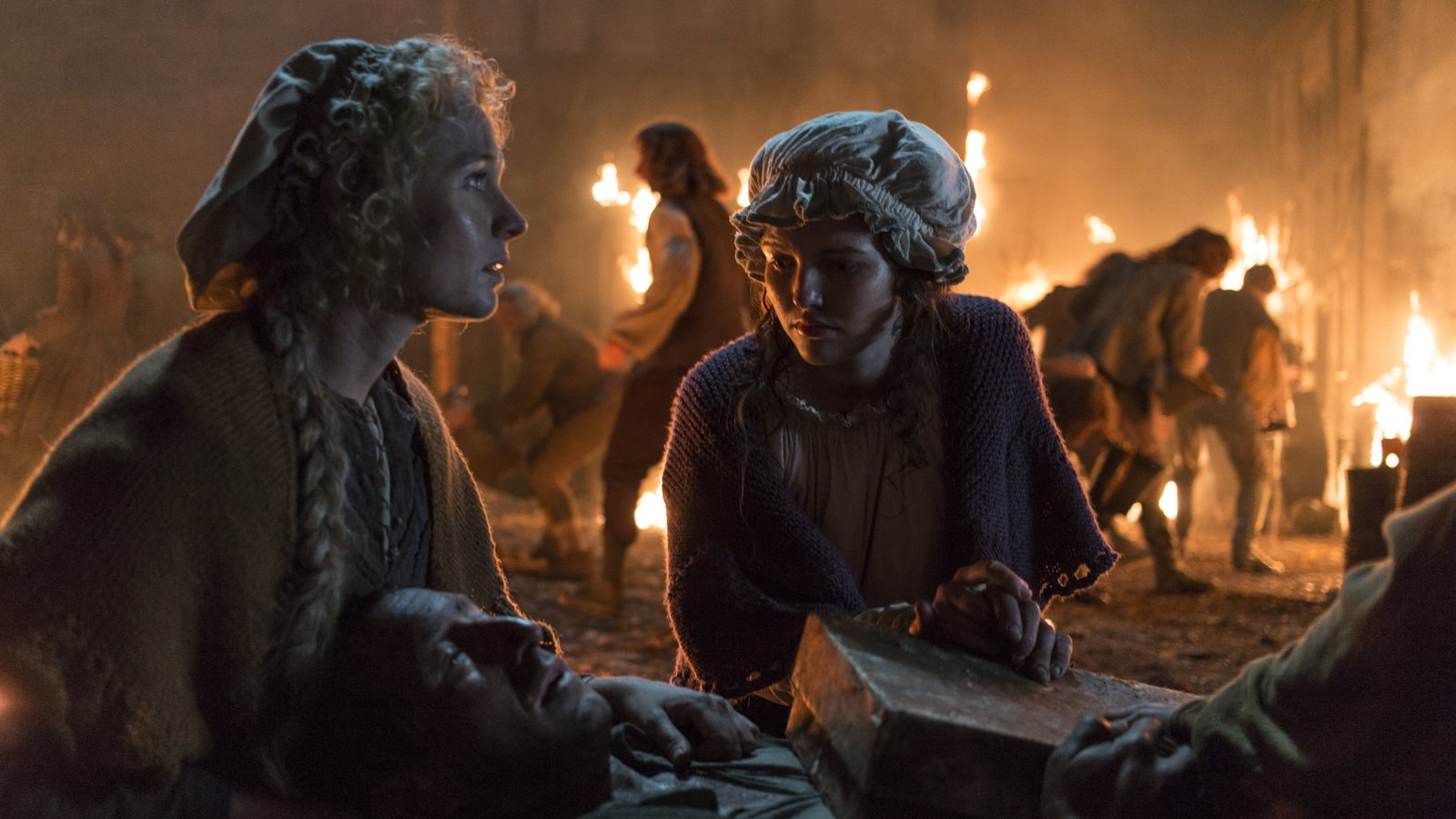
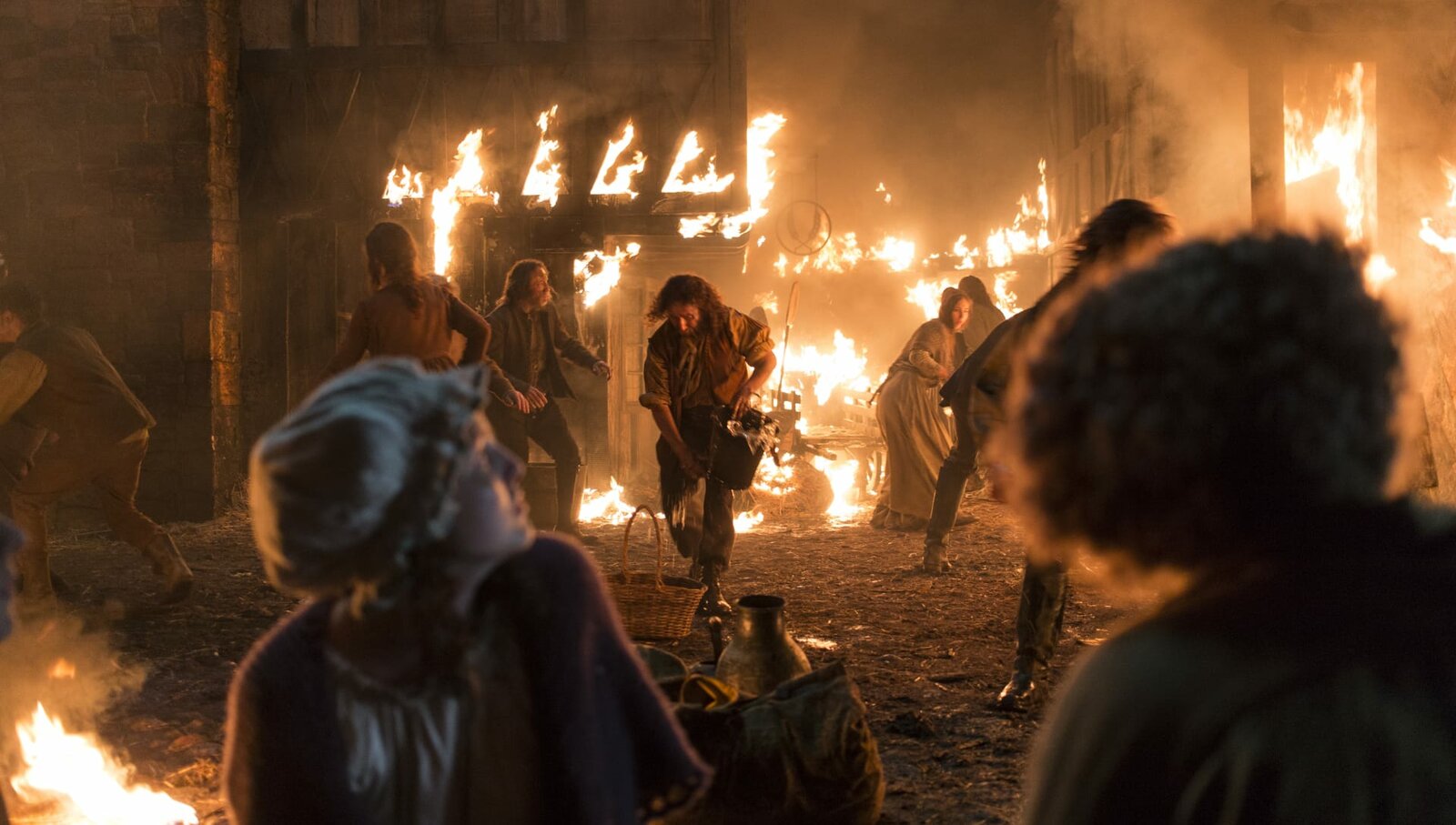
? In 1666, fire truly exposed itself as a double-edged sword when the Great Fire of London burnt down more than 90 churches and 13,000 houses, and more than 100,000 people were brought down to their knees with no place to call home. The destructive power of fire brought about a cleansing, and this devastation gave birth to one of the most enlightening periods in history, fueling the Industrial Revolution. (photo credit: National Geographic)
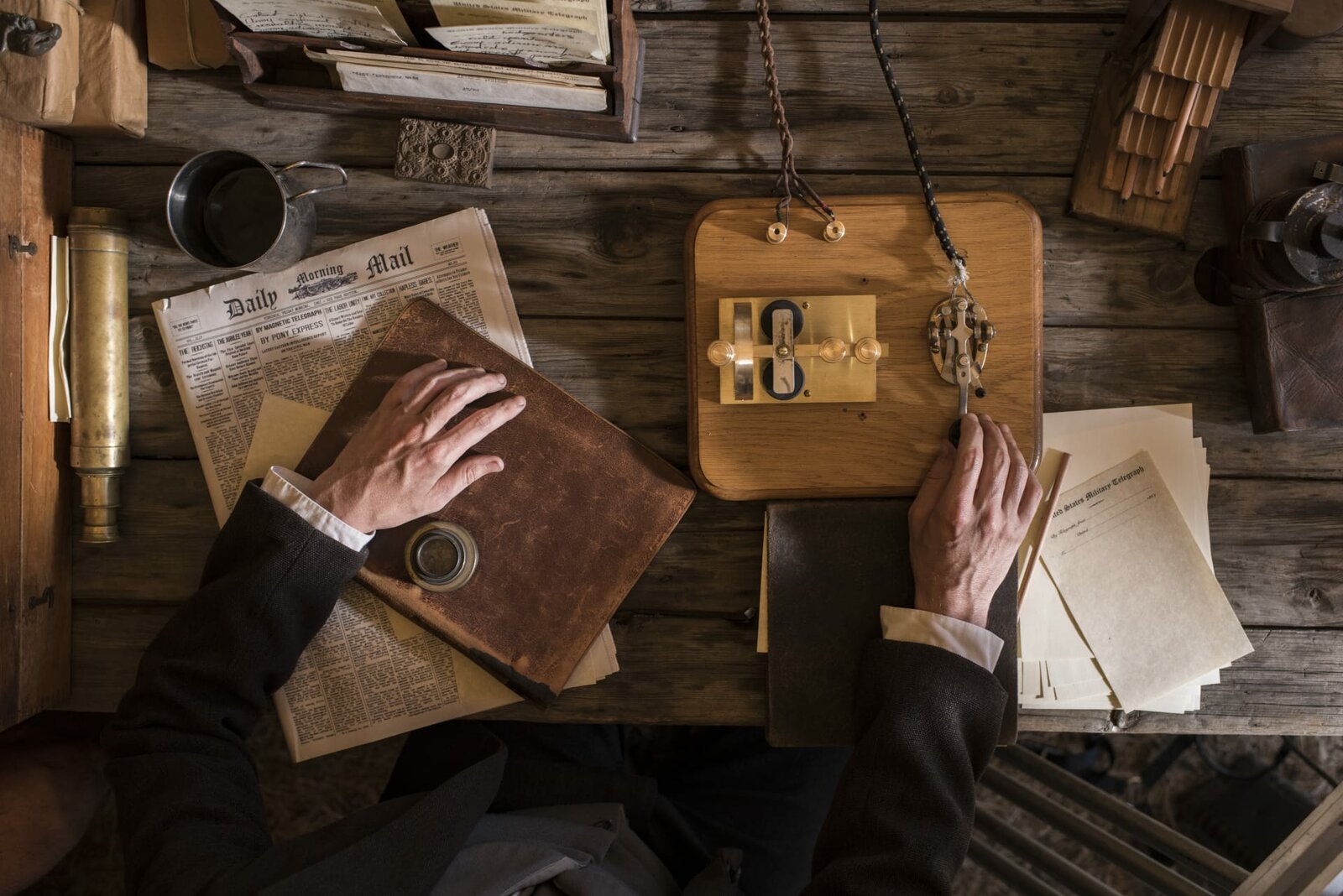
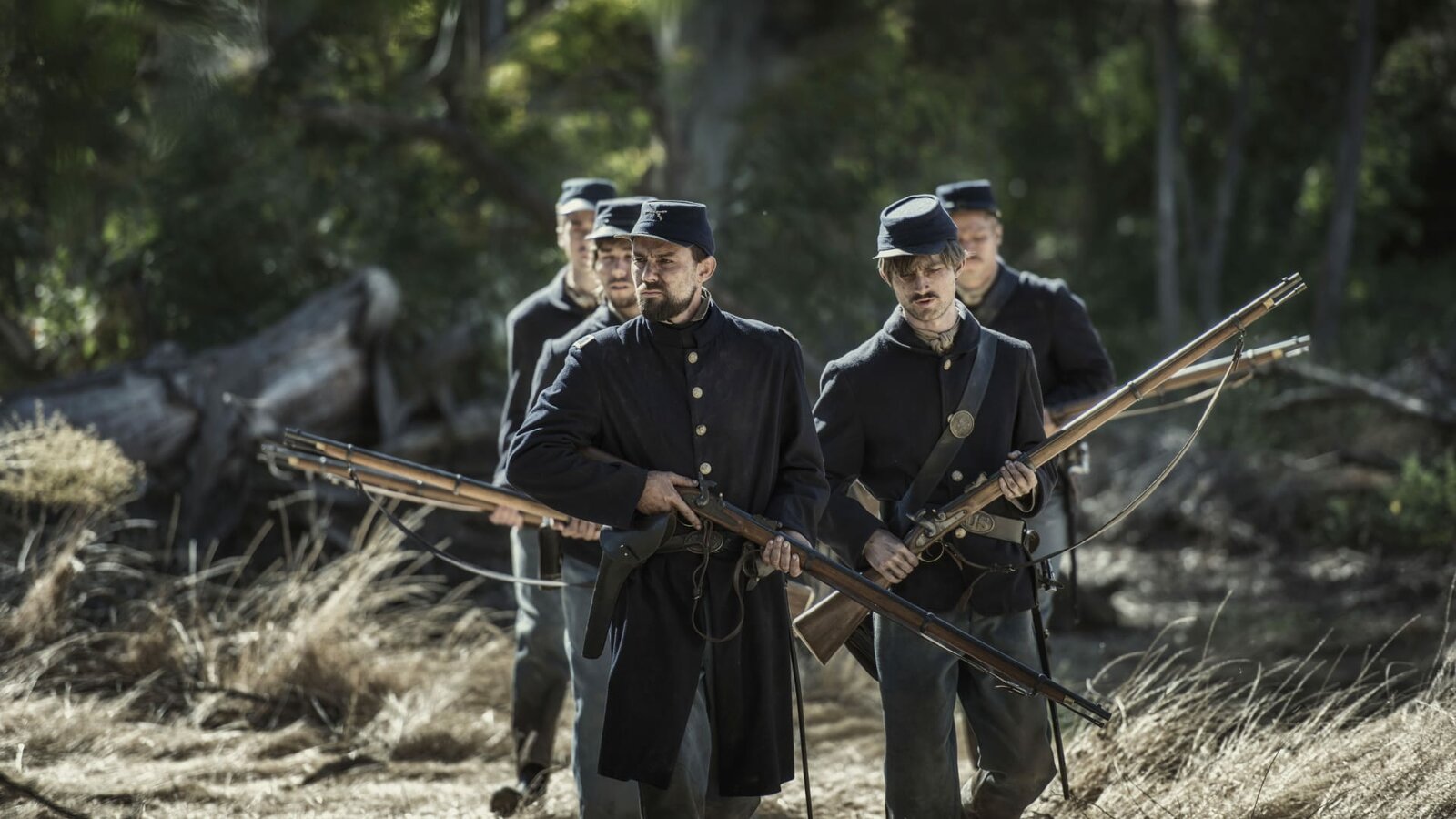
Thirteen months after the first Battle of Bull Run, the two armies came together again on the same blood soaked grounds. By the second year of the American Civil War, the telegraph?s completely transformed the fighting. Lincoln could make tactical decisions. The Union command wasn?t just sitting back waiting to hear the news. They were gathering information, intelligence and acting on it. Of course the Confederate generals knew this, so they began to target the telegraph lines.

 EntdeckungenA tribe looks for land. In this age, competition over resources would have been fierce between tribes. Conflict becomes inevitable.Bild: © Joe Alblas / National Geographic