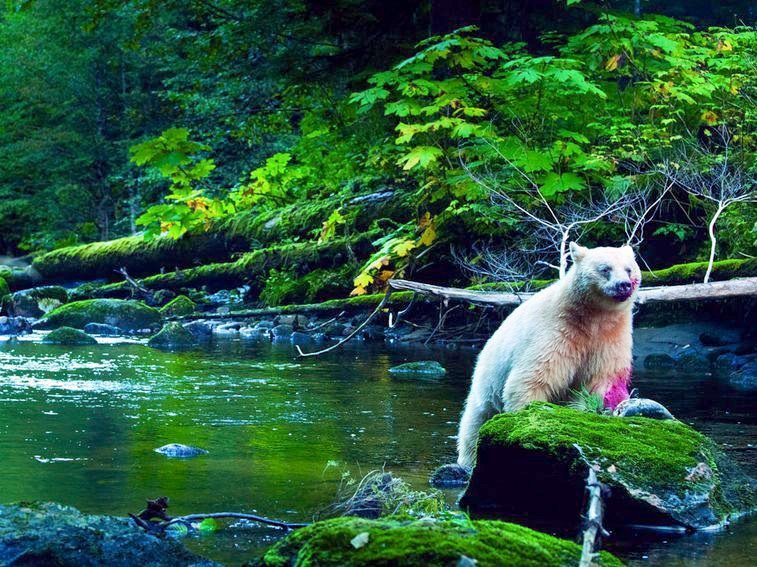
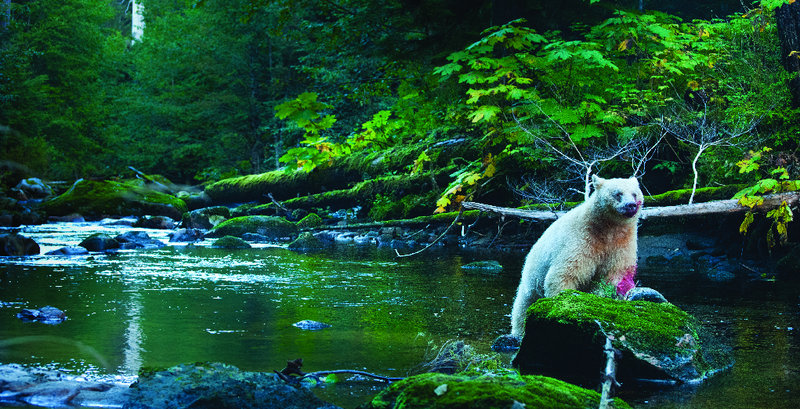
Farther north in the Great Bear Rainforest of Canada, a subspecies of black bear with a white coat - known as the "spirit bear" - emerges during the fall to feast on salmon. The Spirit Bear is one of the rarest bears on Earth.
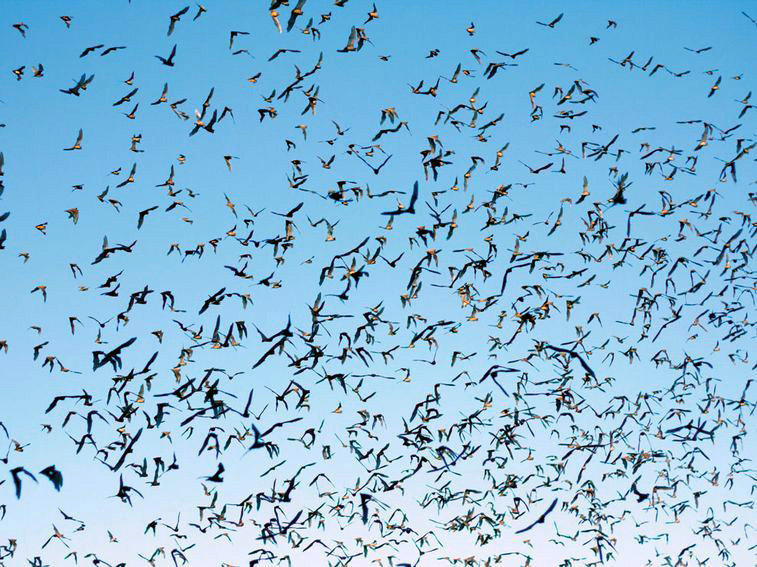
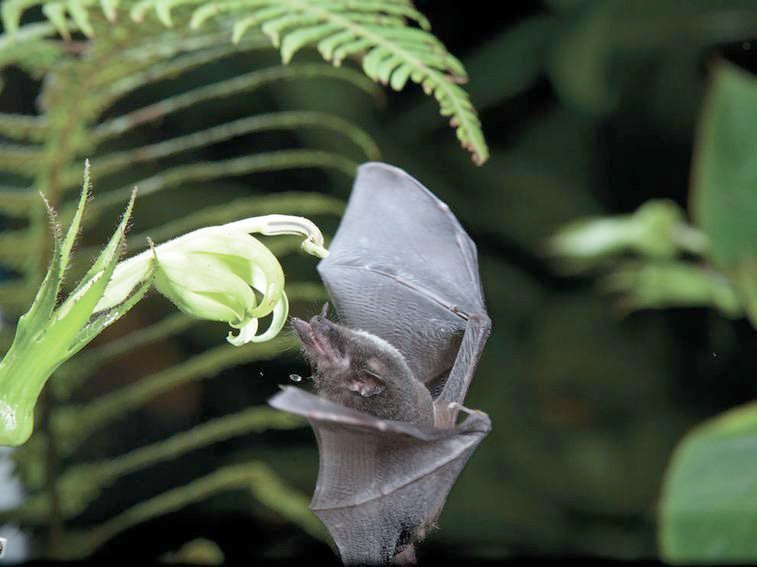
The tube-lipped bat (Anoura fistulata) is a newly identified species found in 2005 by NG Grantee Nathan Muchhala. The tube lipped bat is two-and-a-half-inches long and has a three-and-a-half-inch tongue, boasting the highest tongue-to-body ratio of any mammal in the world. If this bat were human, it would have a 9-foot tongue!
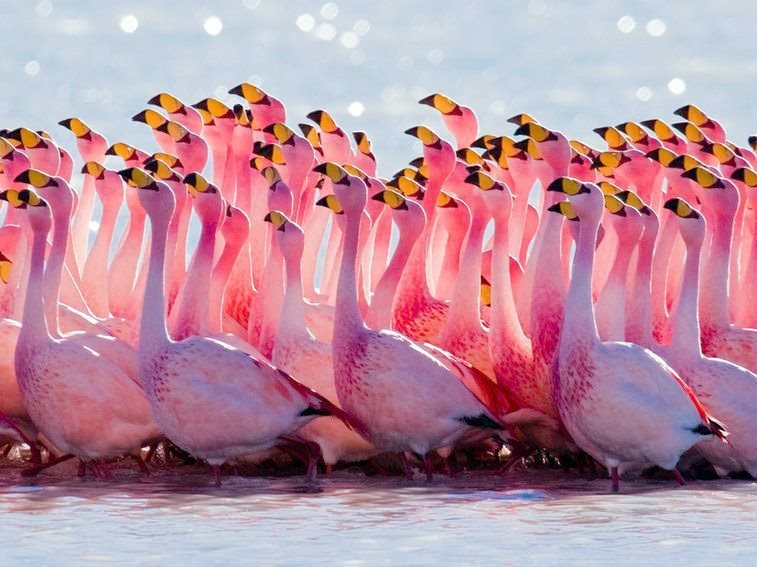
The Altiplano is a high altitude desert in the middle of the Andes. Considering the Altiplano is one of the highest and most inhospitable deserts on earth-at over 12,000 feet, life should not be able to survive here. At a remote, caustic, inhospitable, salt-filled lake in South America, a flock of rare Andean flamingos engage in an elaborate dance. This is an impressive spectacle, provided by one of the rarest birds in the world.
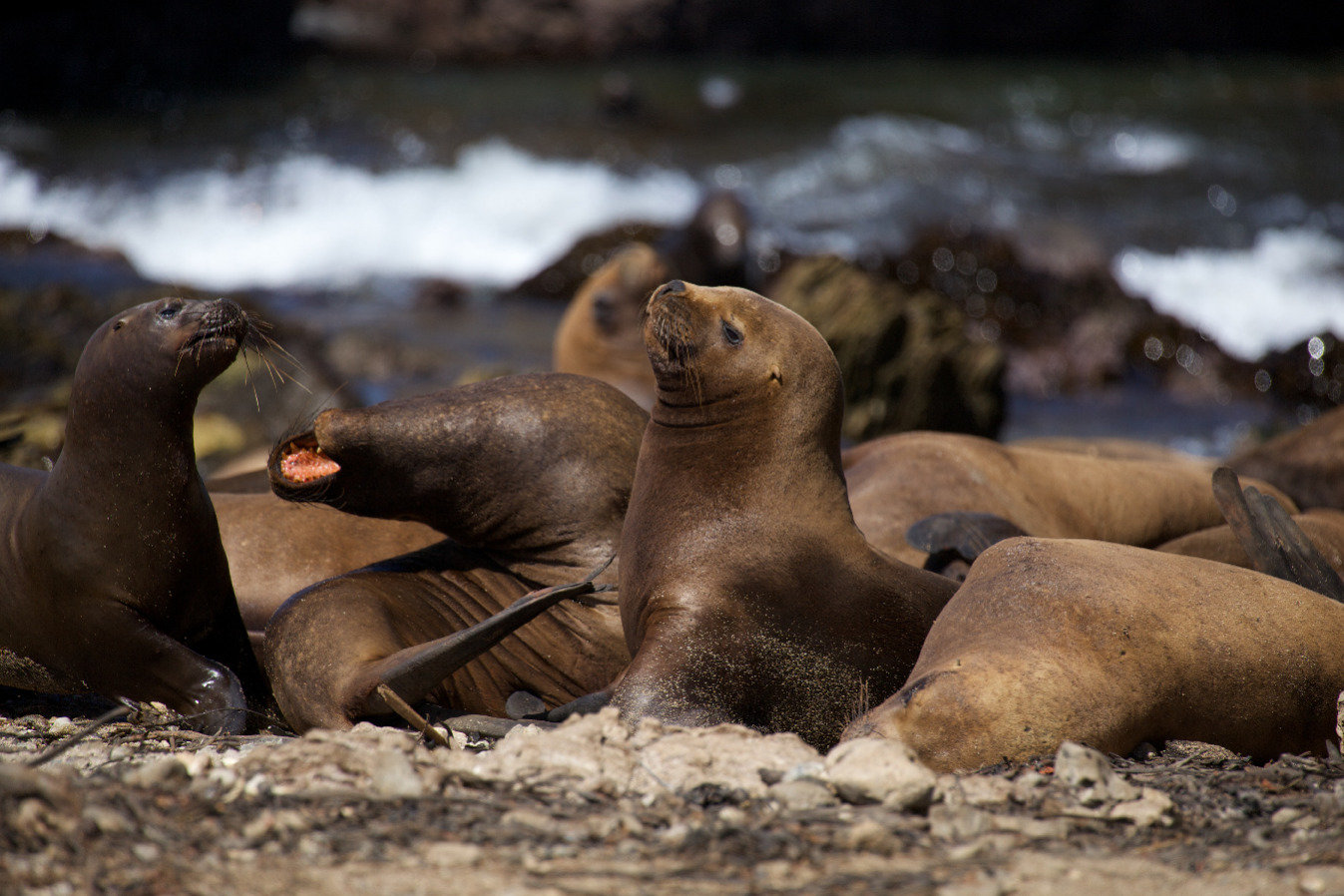
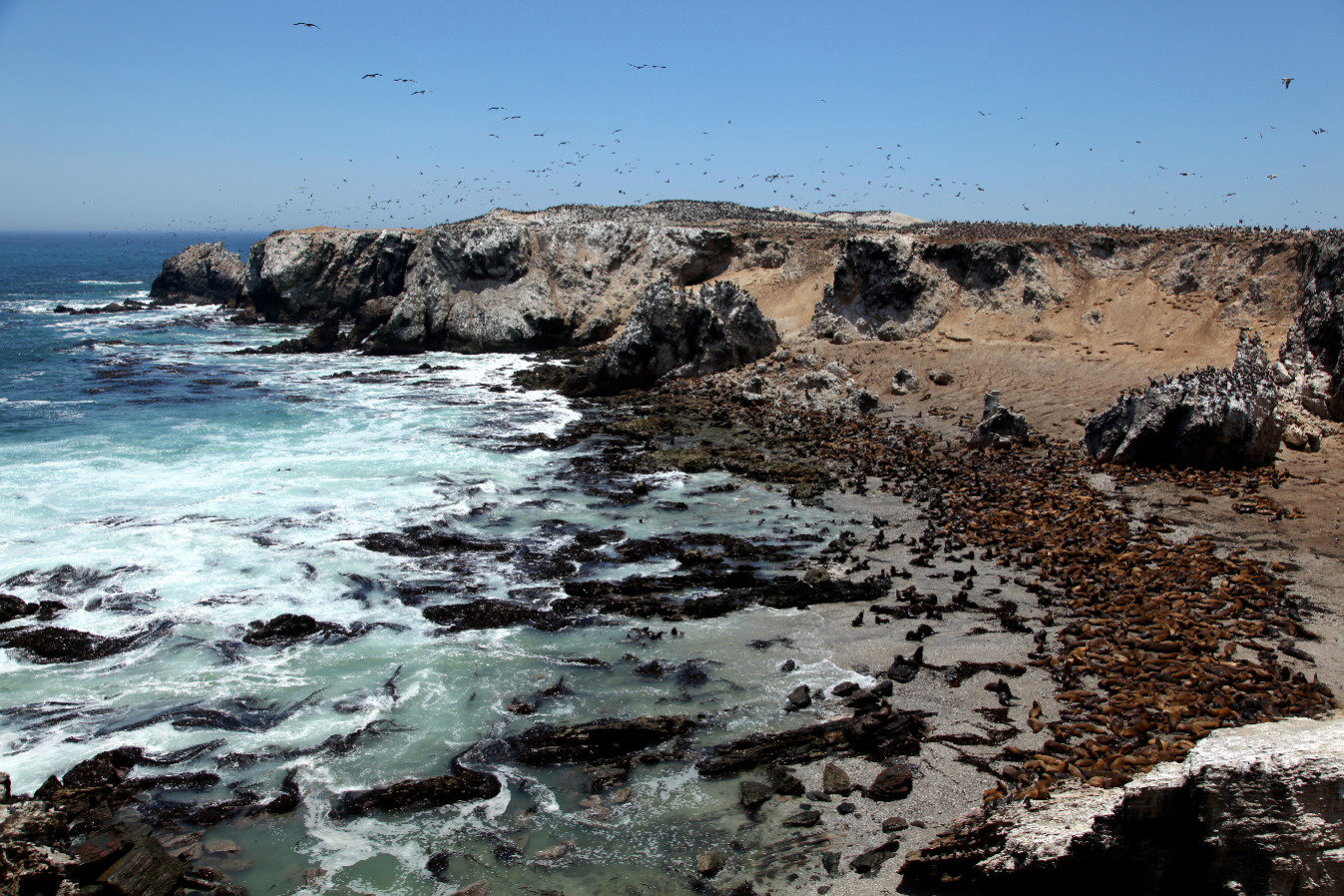
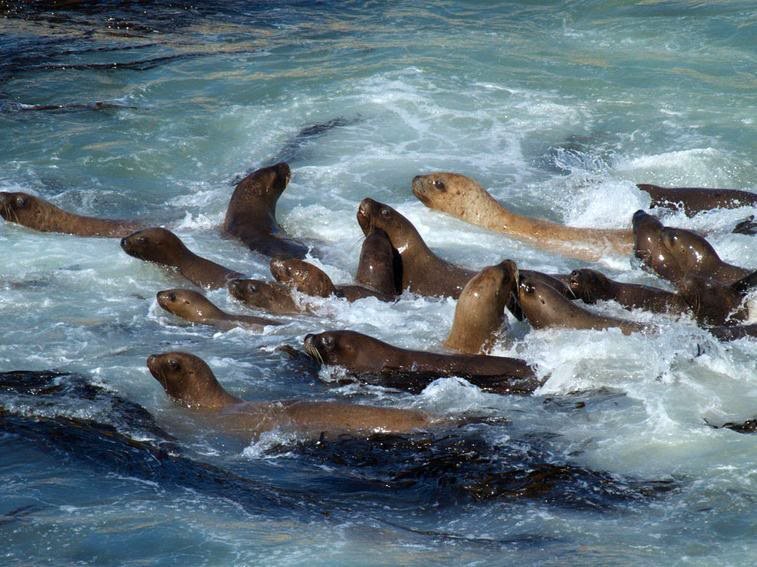
The Peruvian coast of South America is a sea lion paradise. The sea lion's ancient ancestors, like those of whales and dolphins, lived on land. The modern animal is well adapted to an aquatic environment, with its streamlined body and powerful flippers. Sea lions also boast thick layers of blubber to insulate their bodies from the chill of marine waters.
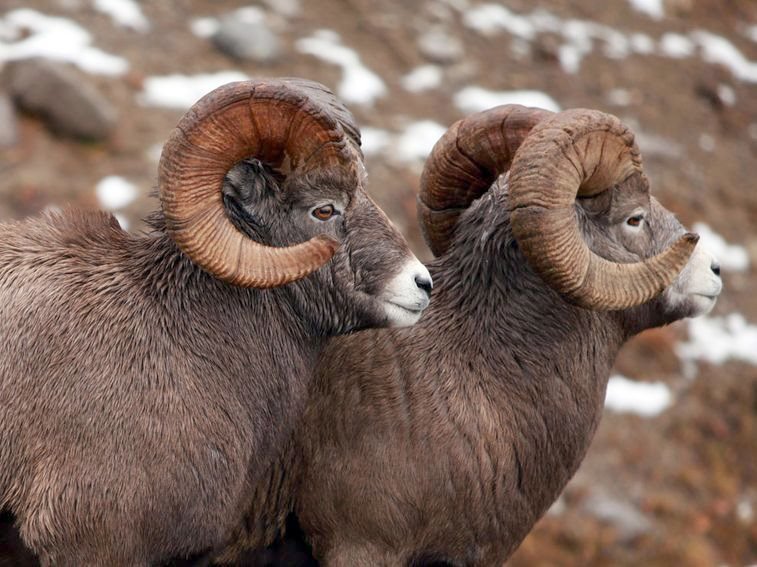
Male bighorn sheep (Ovis canadensis) gather for the annual rut to decide who gets to mate with the ewes and sire next spring's lambs. The fights can last for hours, with rams battering each other at 22mph dozens of times. The force is enough to kill a human instantly.
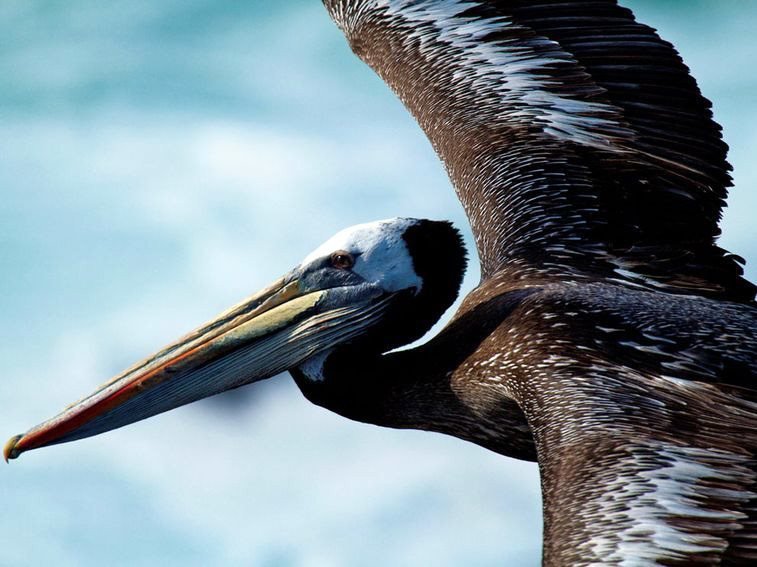
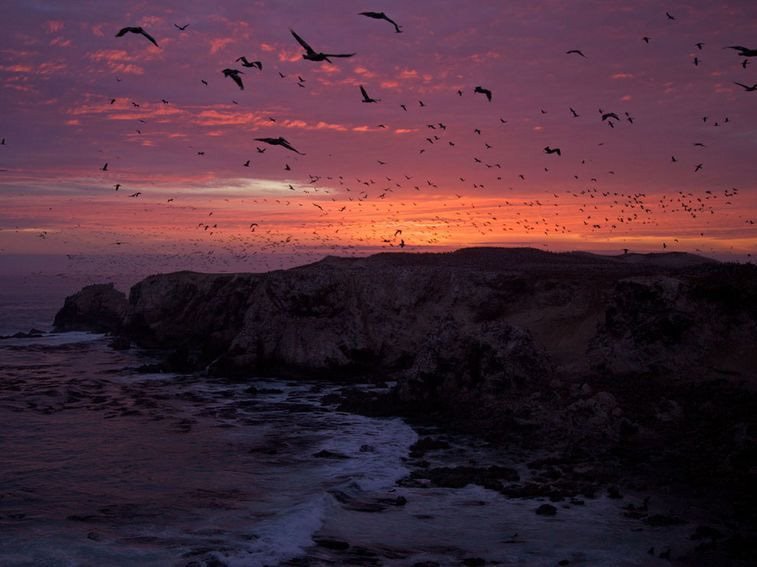
A pelican flies in Punta San Juan, Peru. These large birds use their elastic pouches to catch fish?though different species use it in different ways. Pelicans are found on many of the world's coastlines and also along lakes and rivers. They are social birds and typically travel in flocks, often strung out in a line. They also breed in groups called colonies, which typically gather on islands.
The tube-lipped bat (Anoura fistulata) is a newly identified species found in 2005 by NG Grantee Nathan Muchhala. The tube lipped bat is two-and-a-half-inches long and has a three-and-a-half-inch tongue, boasting the highest tongue-to-body ratio of any mammal in the world. If this bat were human, it would have a 9-foot tongue!
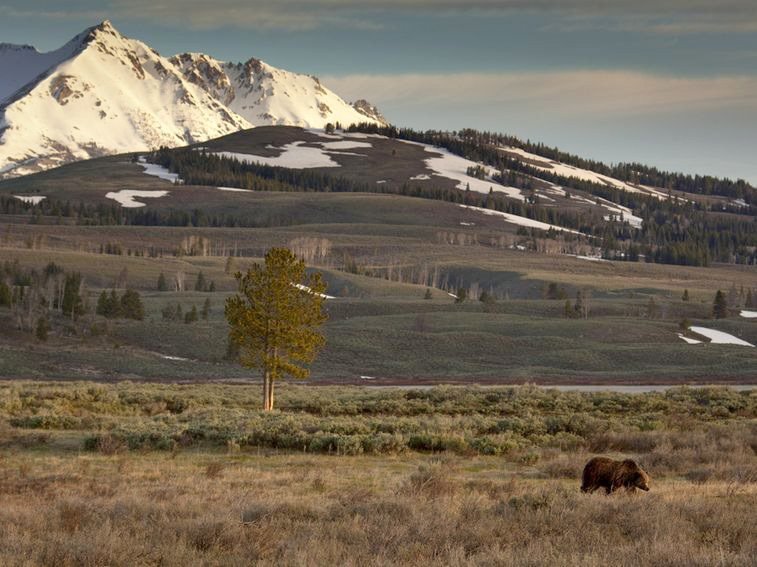
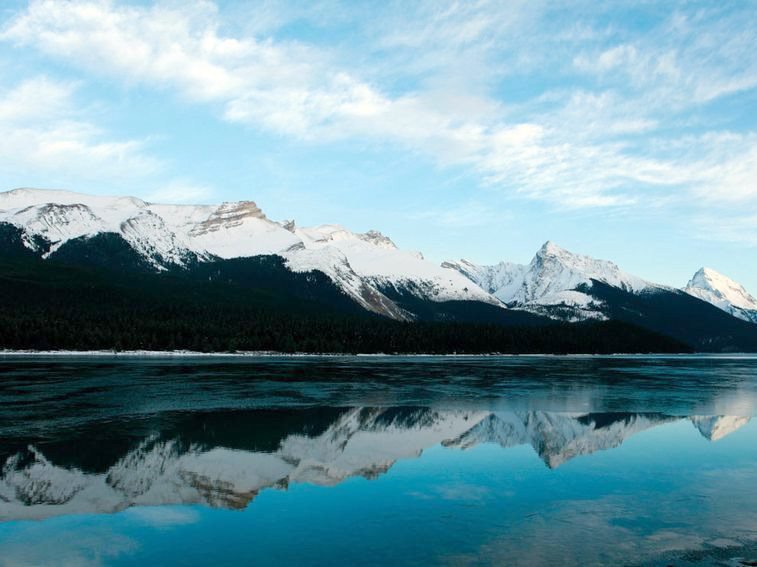
The largest national park in the Canadian Rockies, Jasper is wild in every sense of the word. Its landscape covers an expansive region of rugged backcountry trails and mountainous terrain juxtaposed against fragile protected ecosystems as well as the world-renowned Columbia Icefield. It?s also chock-full of wildlife, home to some of North America?s healthiest populations of grizzly bears, moose, and elk along with thousands of species of plants and insects.
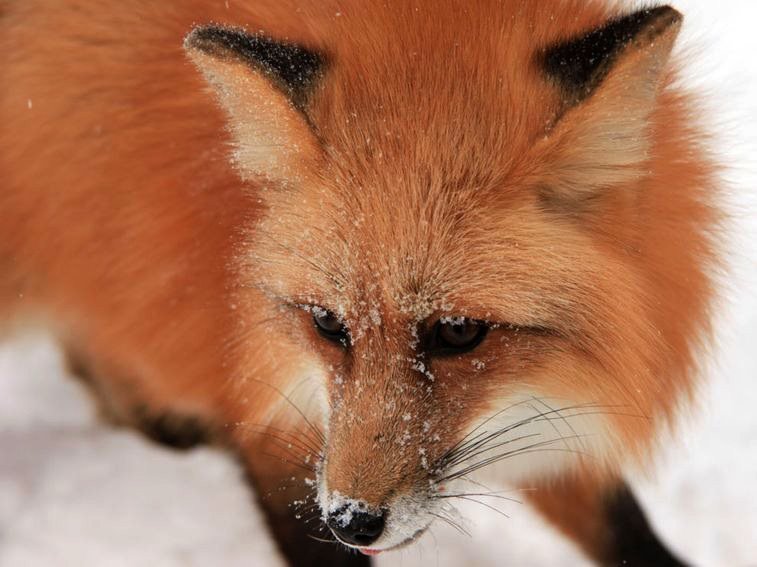
Just below the Arctic Circle, the red fox listens for meadow voles making tunnels under the snow. Red foxes are solitary hunters who feed on rodents, rabbits, birds, and other small game?but their diet can be as flexible as their home habitat. Foxes will eat fruit and vegetables, fish, frogs, and even worms. If living among humans, foxes will opportunistically dine on garbage and pet food.
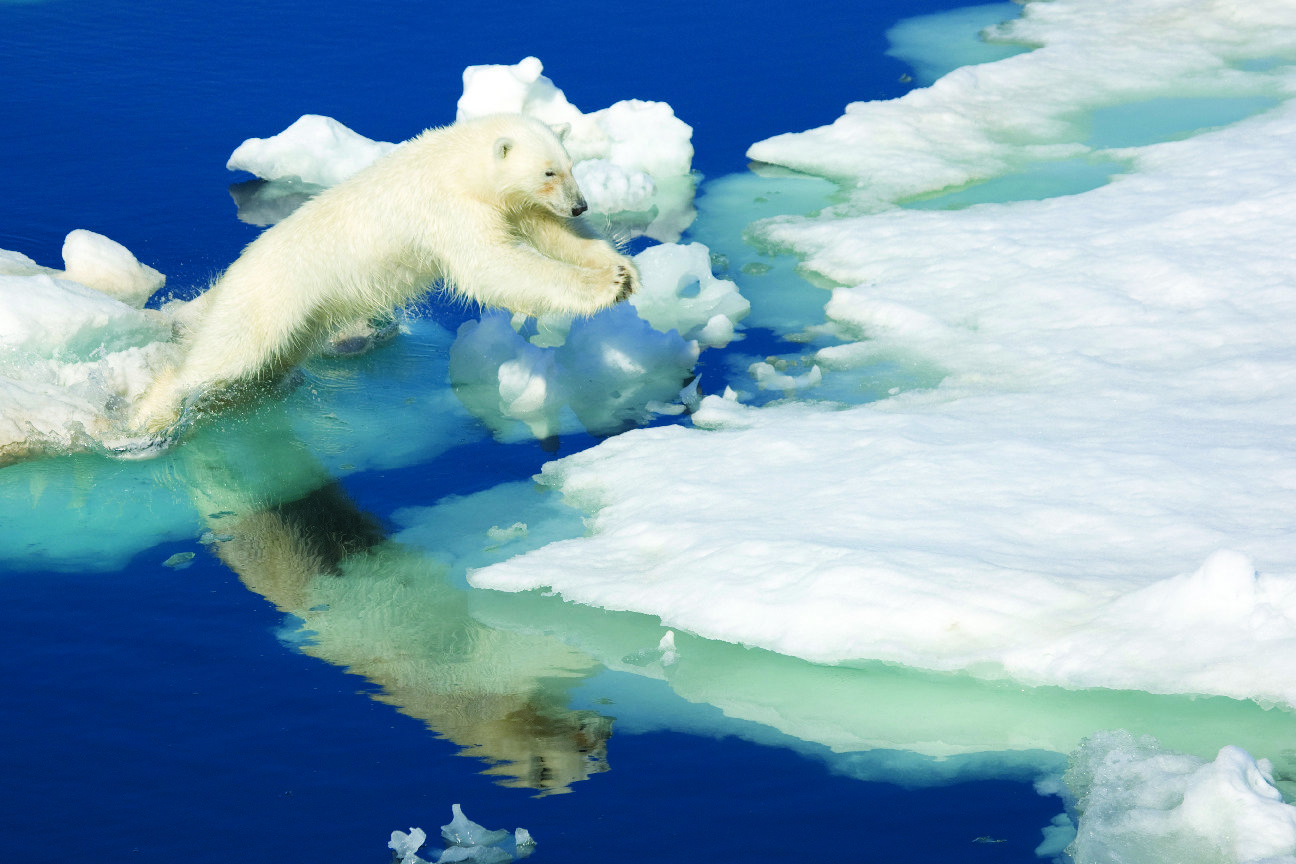
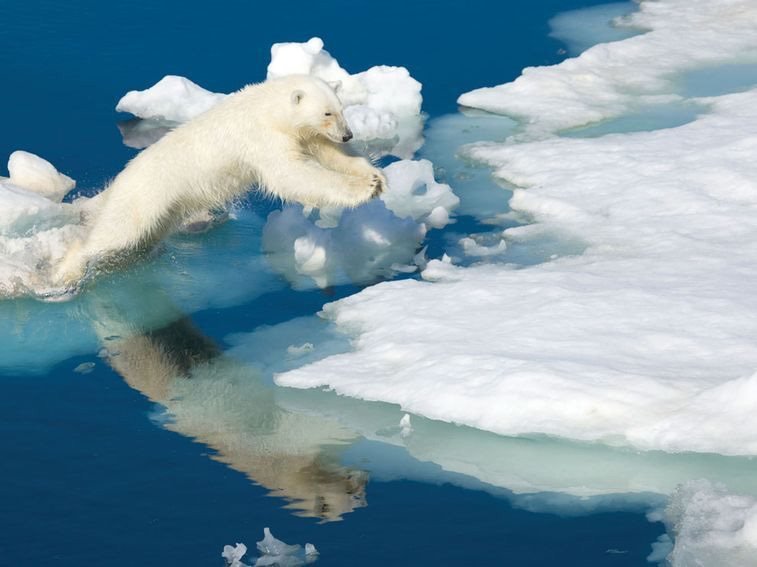
Polar Bears in the Canadian Arctic hunt seals on these waters. They wait for the ice to freeze to hunt - for mother and cubs, it means avoiding testy males.
Like change? Then head down to the coastline, that narrow strip of land that borders the sea along a continent or an island. The nonstop change in tides, the freezing and thawing of ice, and constant wave action there means nothing ever stays the same. Breakers gnaw away at cliffs, shift sand to and fro, breach barriers, build walls, and sculpt bays.

 WüstenBild: © National Geographic Wild
 "House of Villains": Gipfeltreffen der Reality-TV-Bösewichte soll nach Deutschland kommen