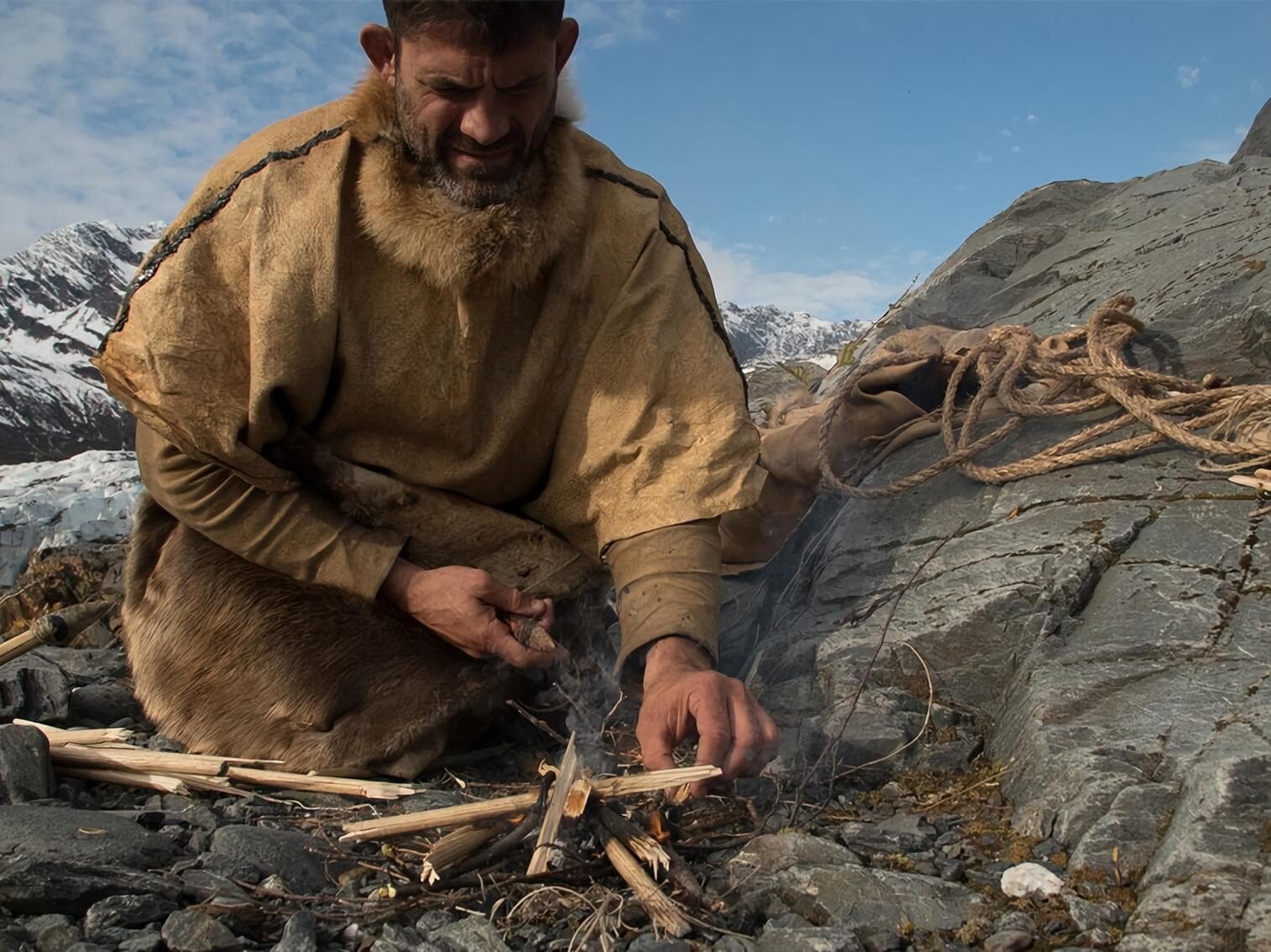
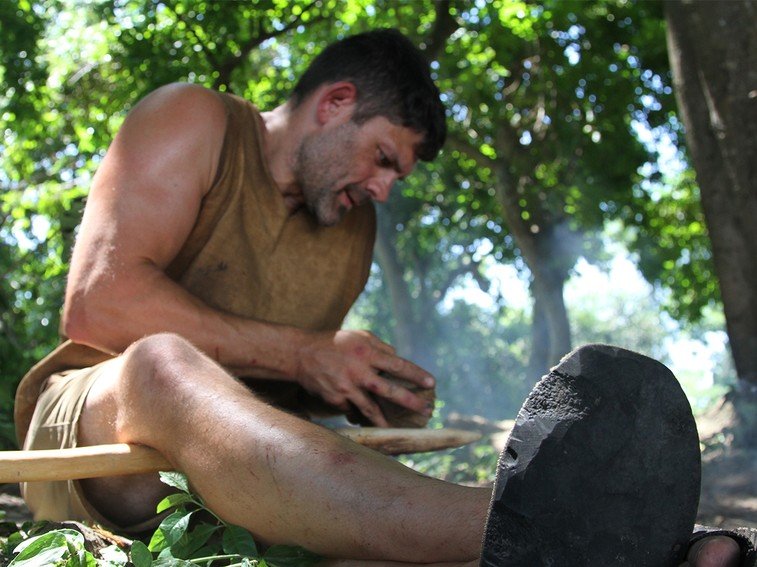
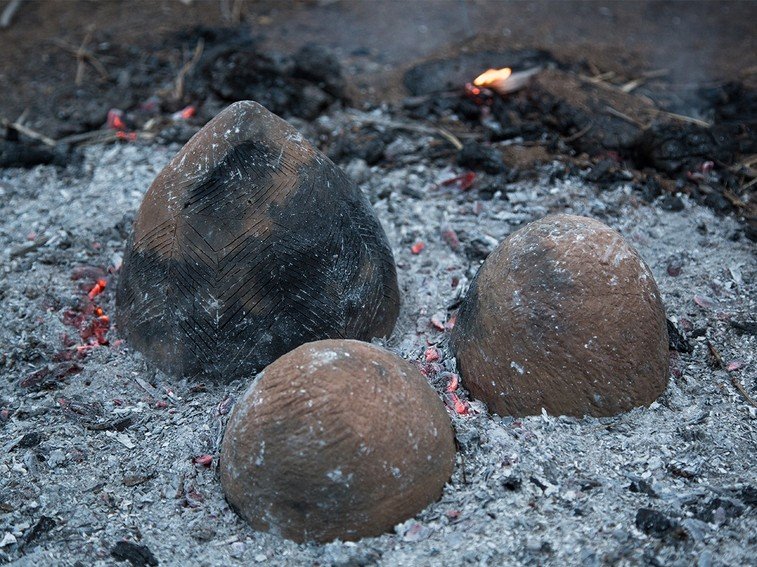
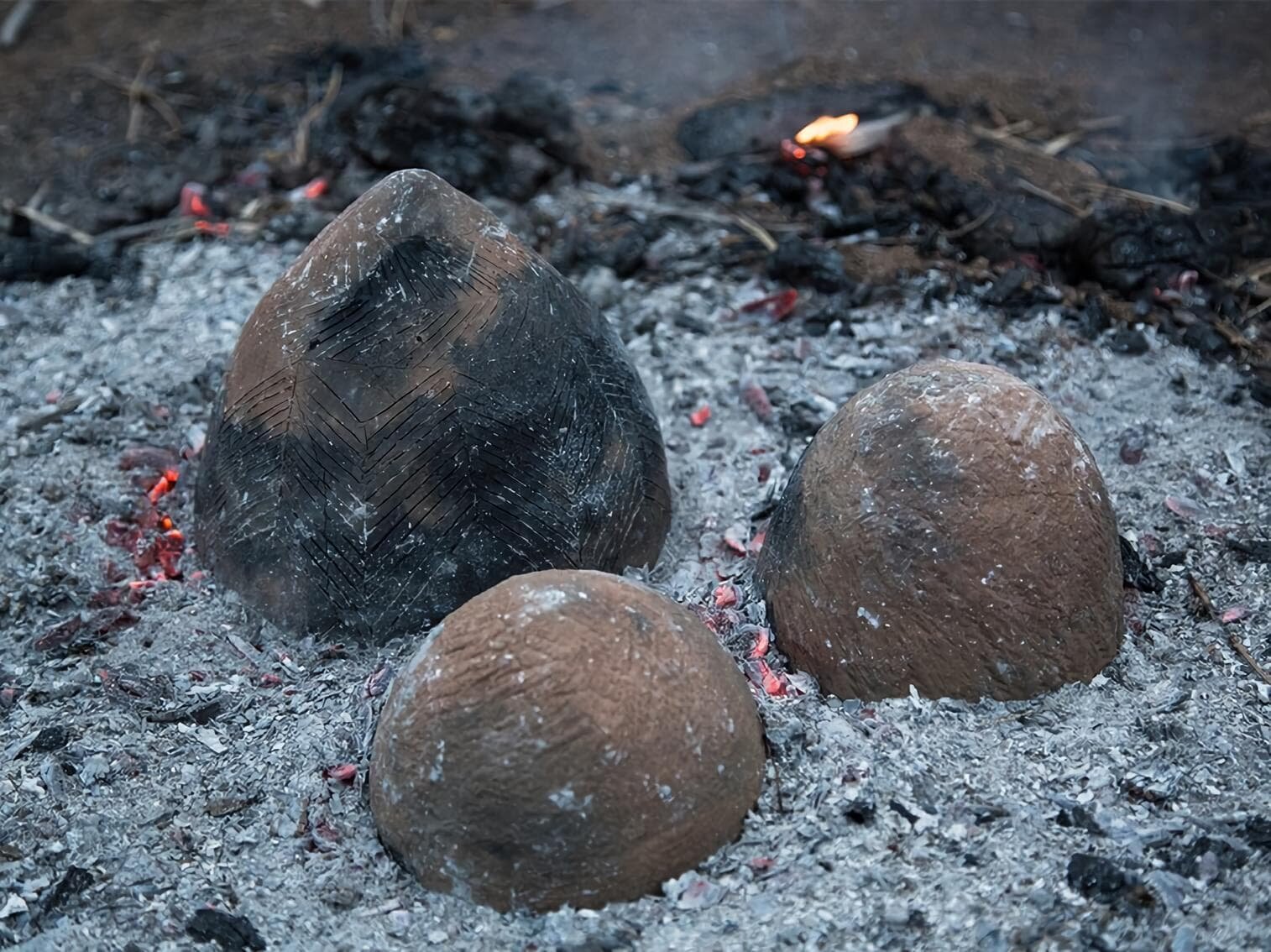
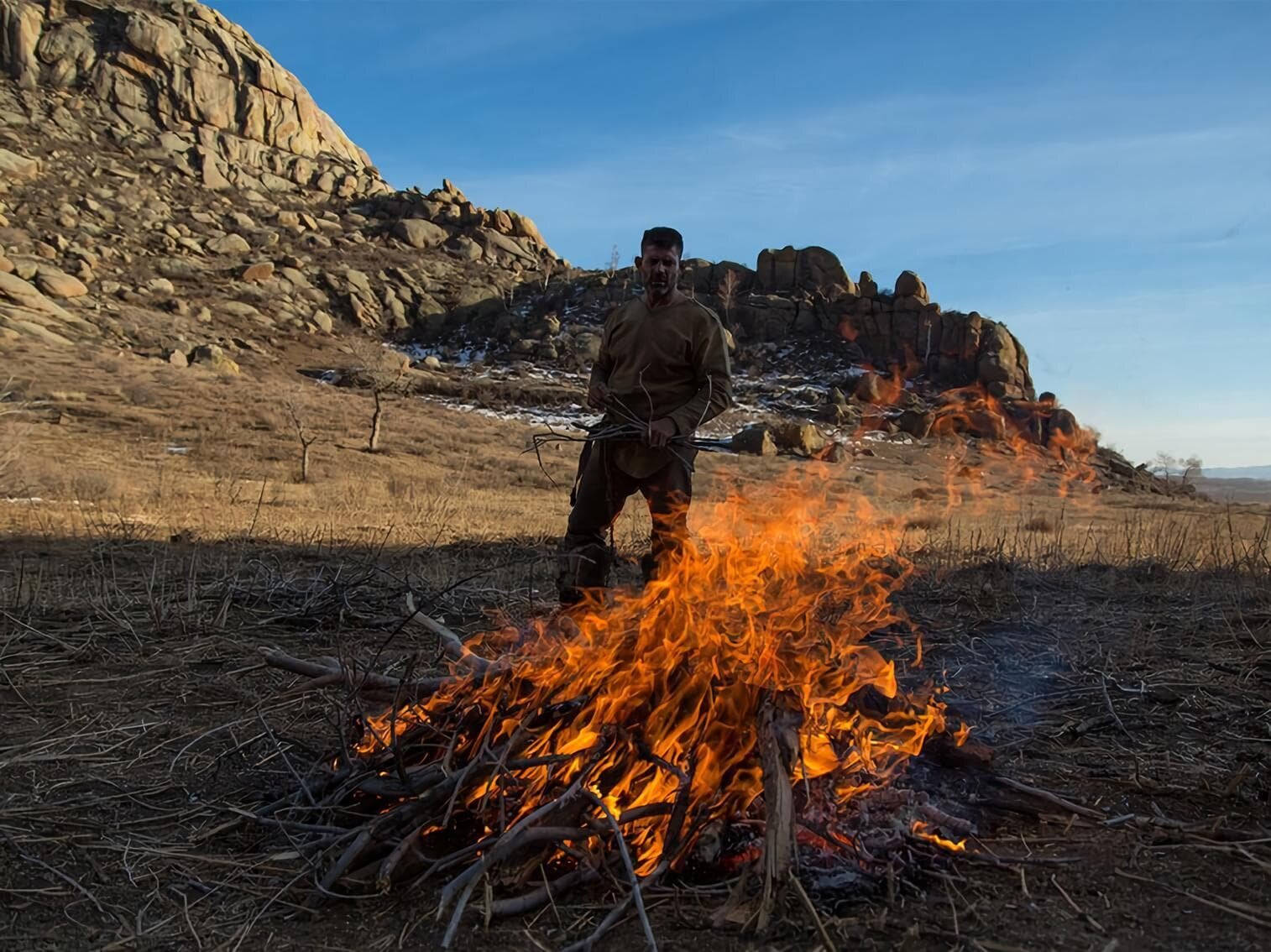
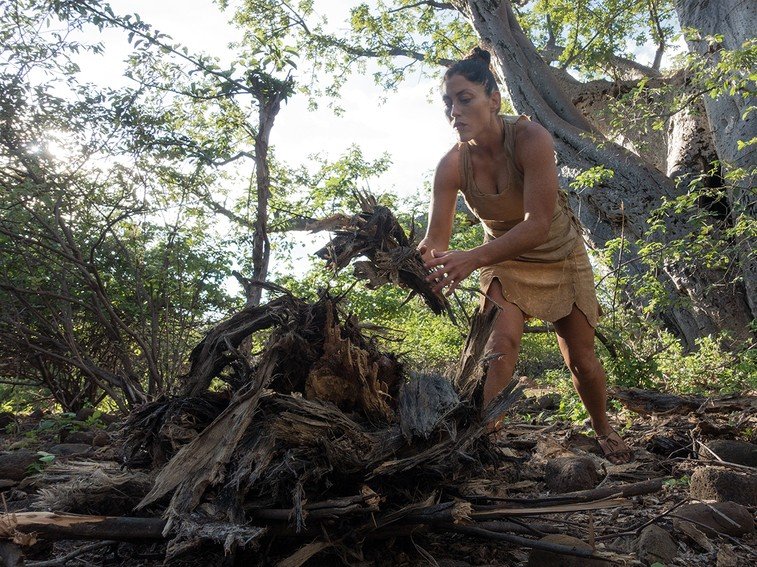
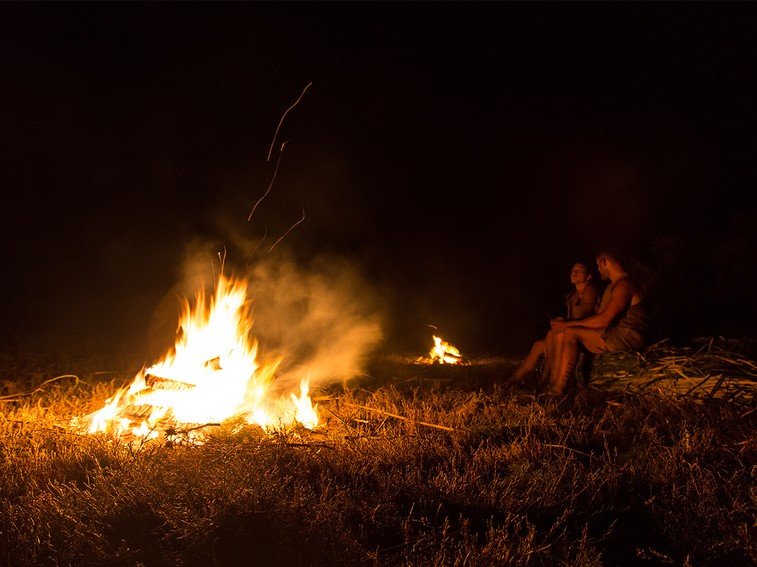
Bill Schindler adds fuel to a bonfire in which his dried pots will fire and undergo the chemical process to turn into ceramic. The pots must be warmed and cooled very slowly otherwise they could explode.
The Caucasus Mountains are home to the worlds deepest known cave: Krubera Cave. It travels over 6,800 feet toward the center of the earth and takes weeks to reach its bottom.
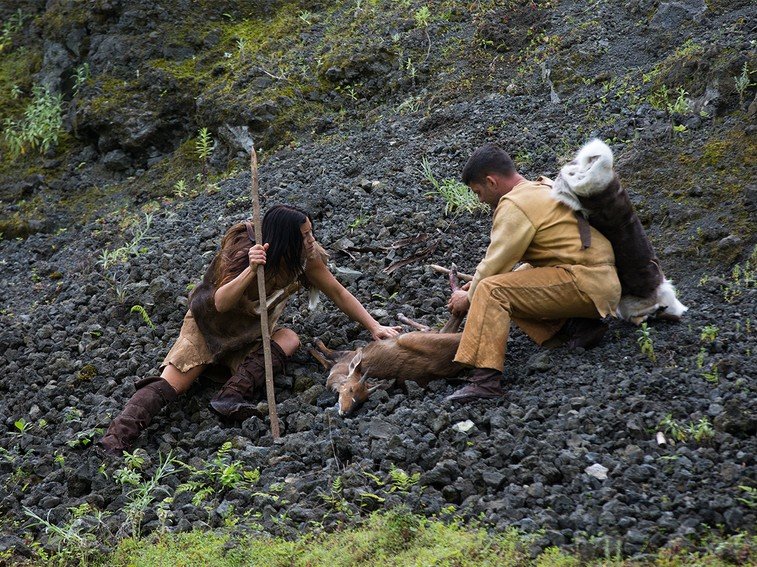
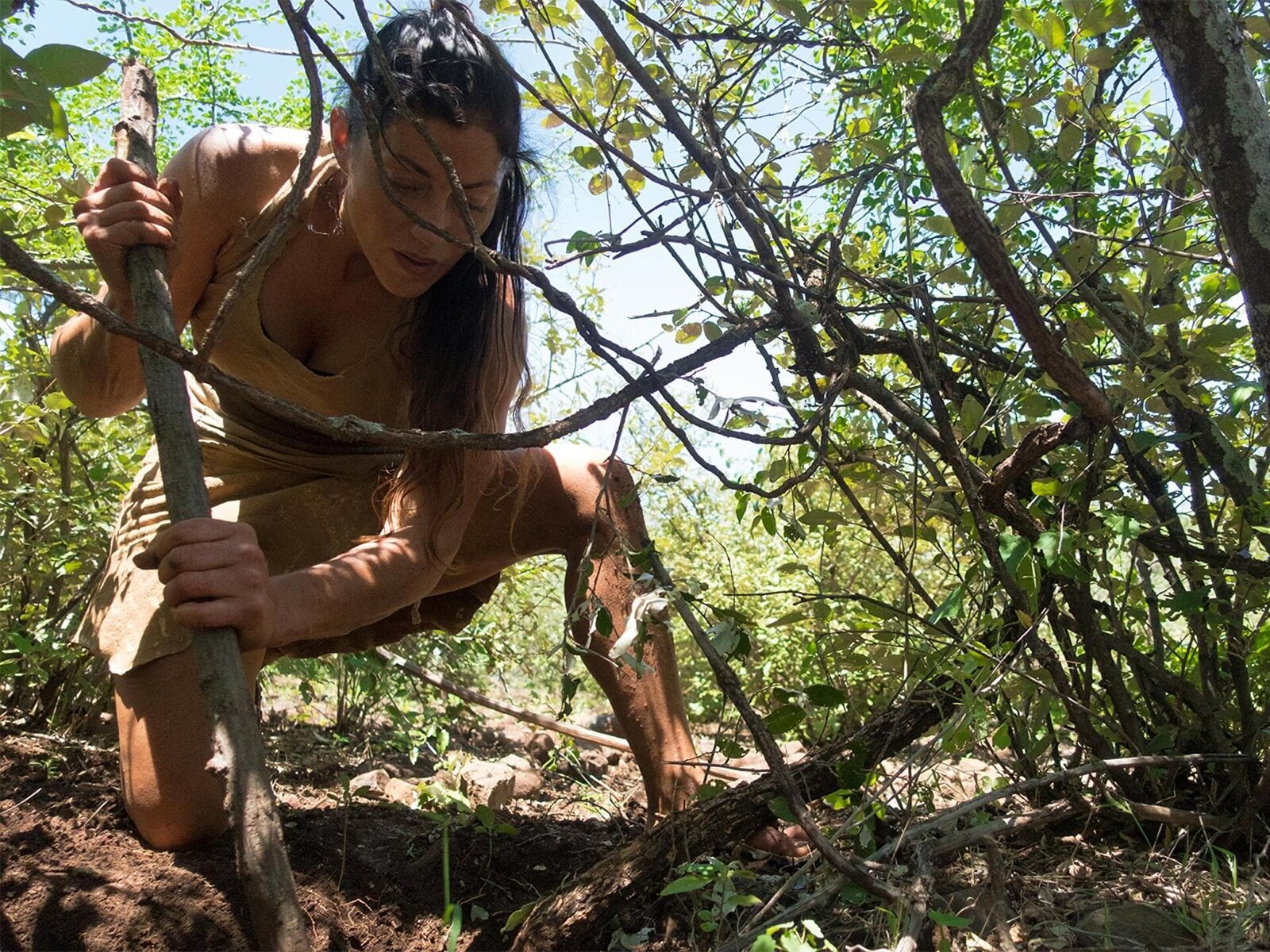
Bale Mountains National Park, Bale, Ethiopia: Bill Schindler and Cat Bigney come across a dead bushbuck in the Bale Mountains and decide to capitalize on the find for resouces. (Photo Credit: NG Studios/ Tahria Sheather)
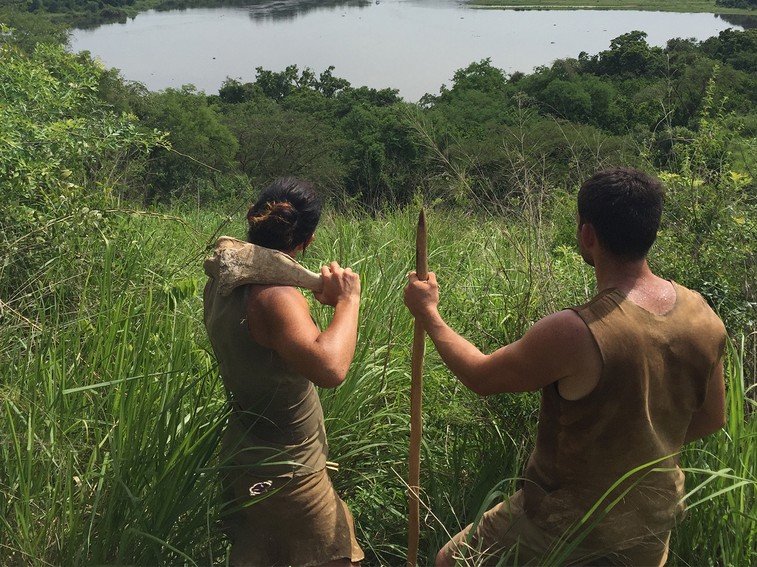
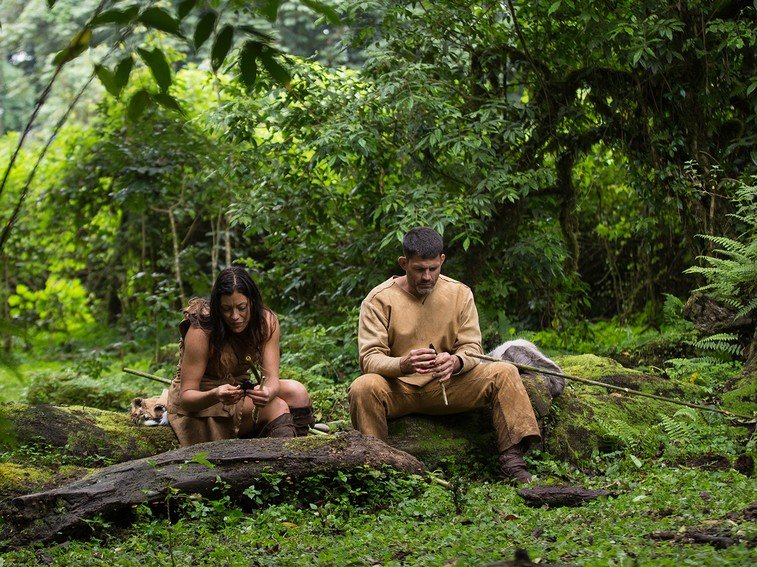
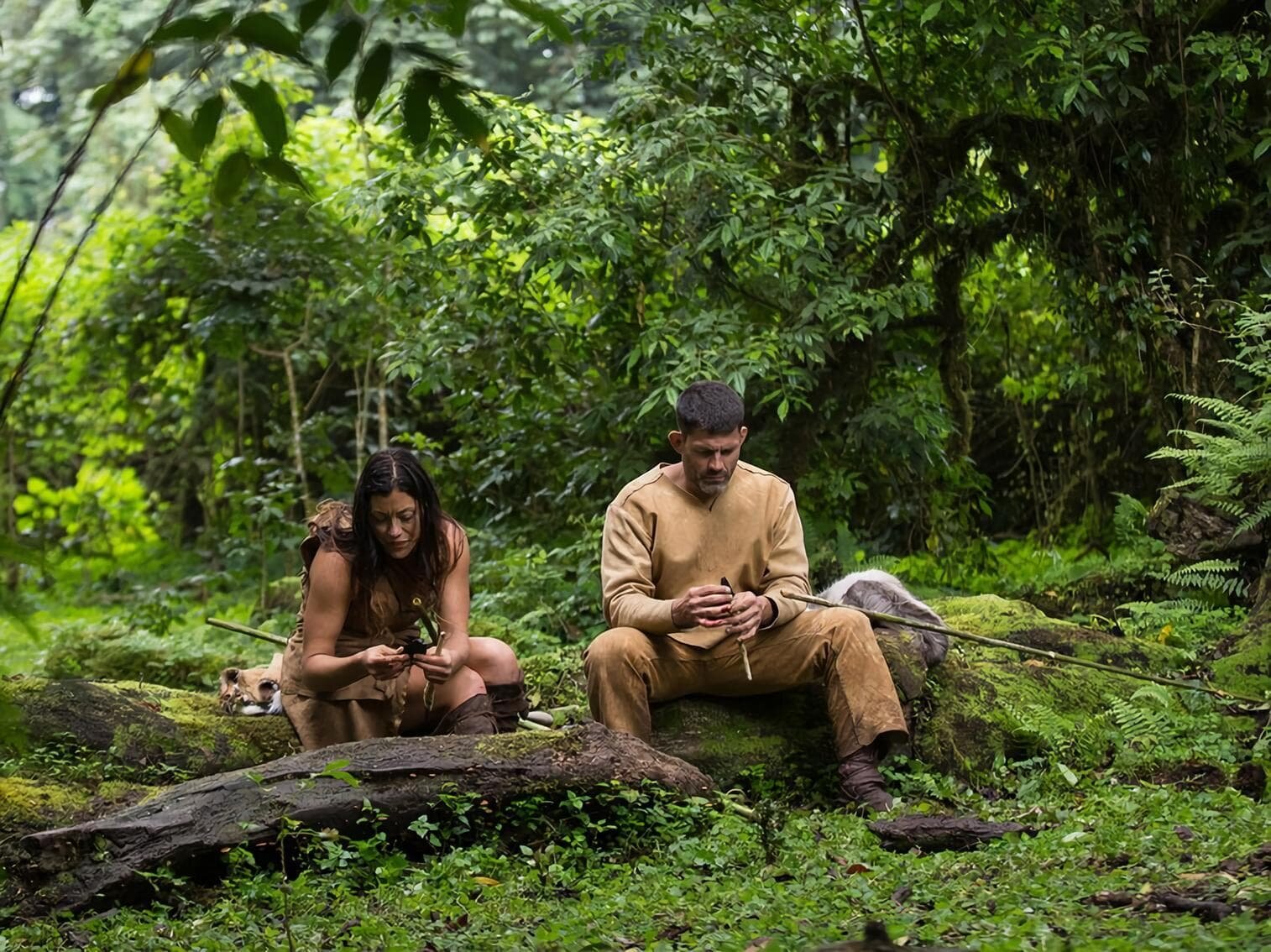
Cat Bigney and Bill Schindler finish off their composite spears - a razor sharp spear point hafted onto a hardwood shaft that is fashioned into a bamboo javelin. With their tools finished, they're ready to hunt.
Cat Bigney and Bill Schindler finish off their composite spears - a razor sharp spear point hafted onto a hardwood shaft that is fashioned into a bamboo javelin. With their tools finished, they're ready to hunt.
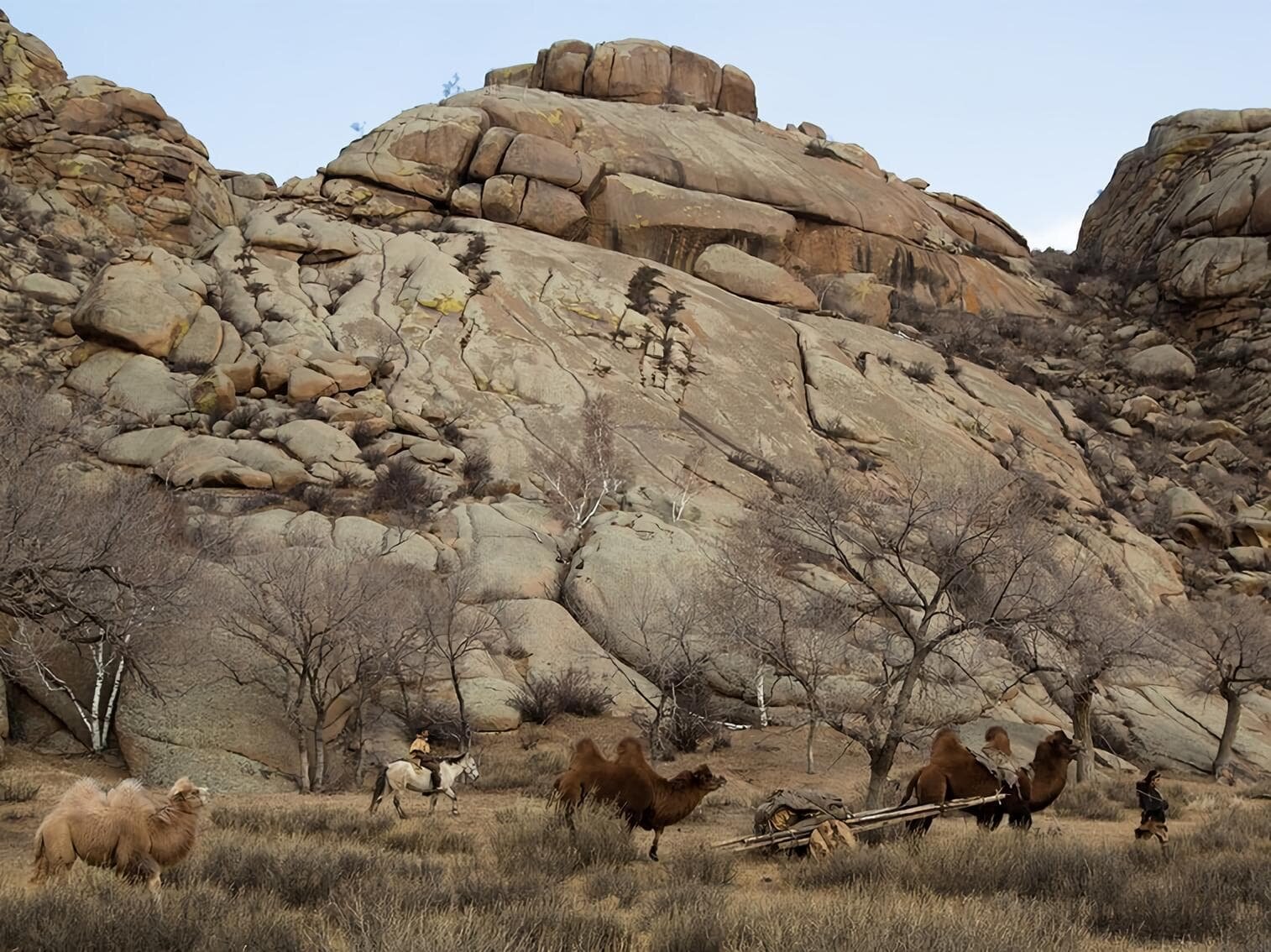
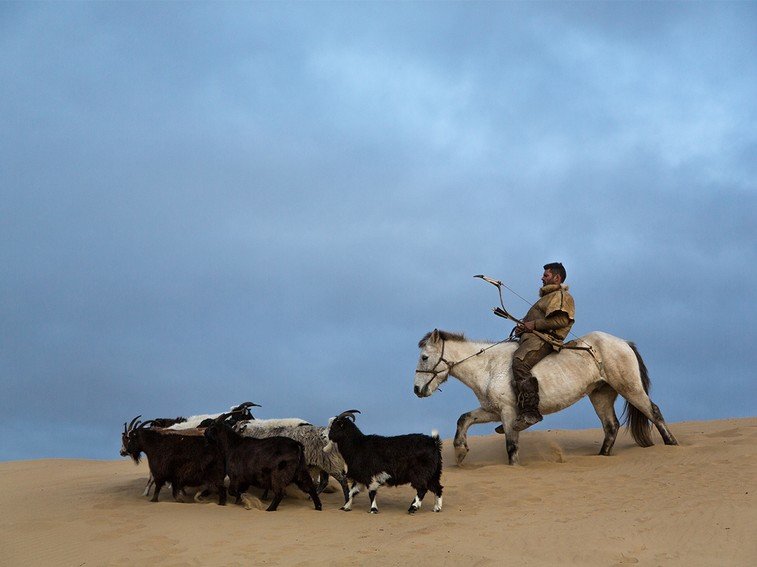
Bill Schindler herds his unruly herd through deep sand in the dunes. Some species of sheep are able to produce up to 30 pounds of wool in a single year.
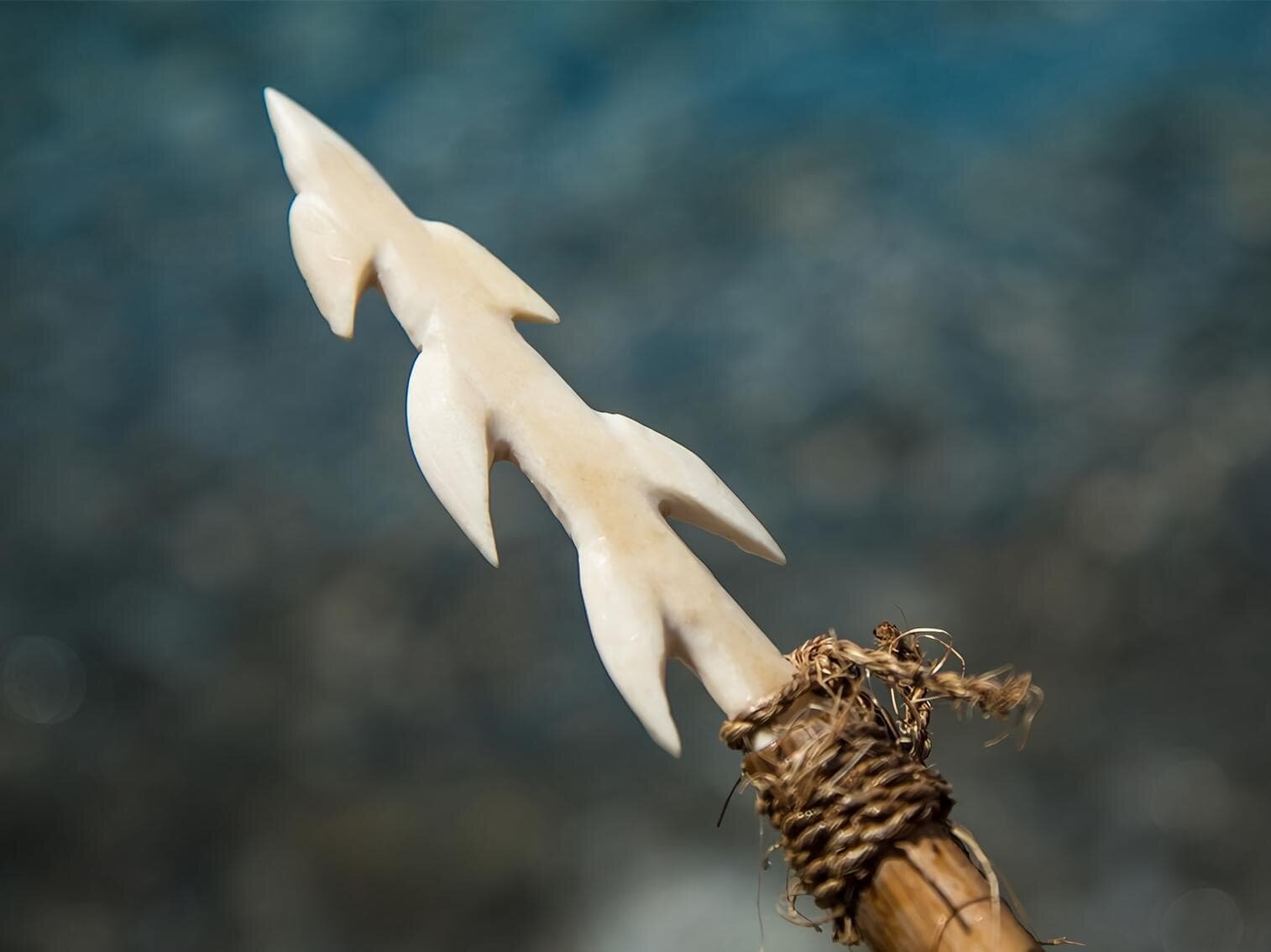
A bone harpoon crafted by Bill Schindler, a key tool found that would have been used to hunt marine species along the coast of the Mediterranean 45,000 years ago.
Cat Bigney and Bill Schindler work into the night bundling reeds for their reed boat, and take a moment by the fire to speculate on whether the boat will float or come apart.
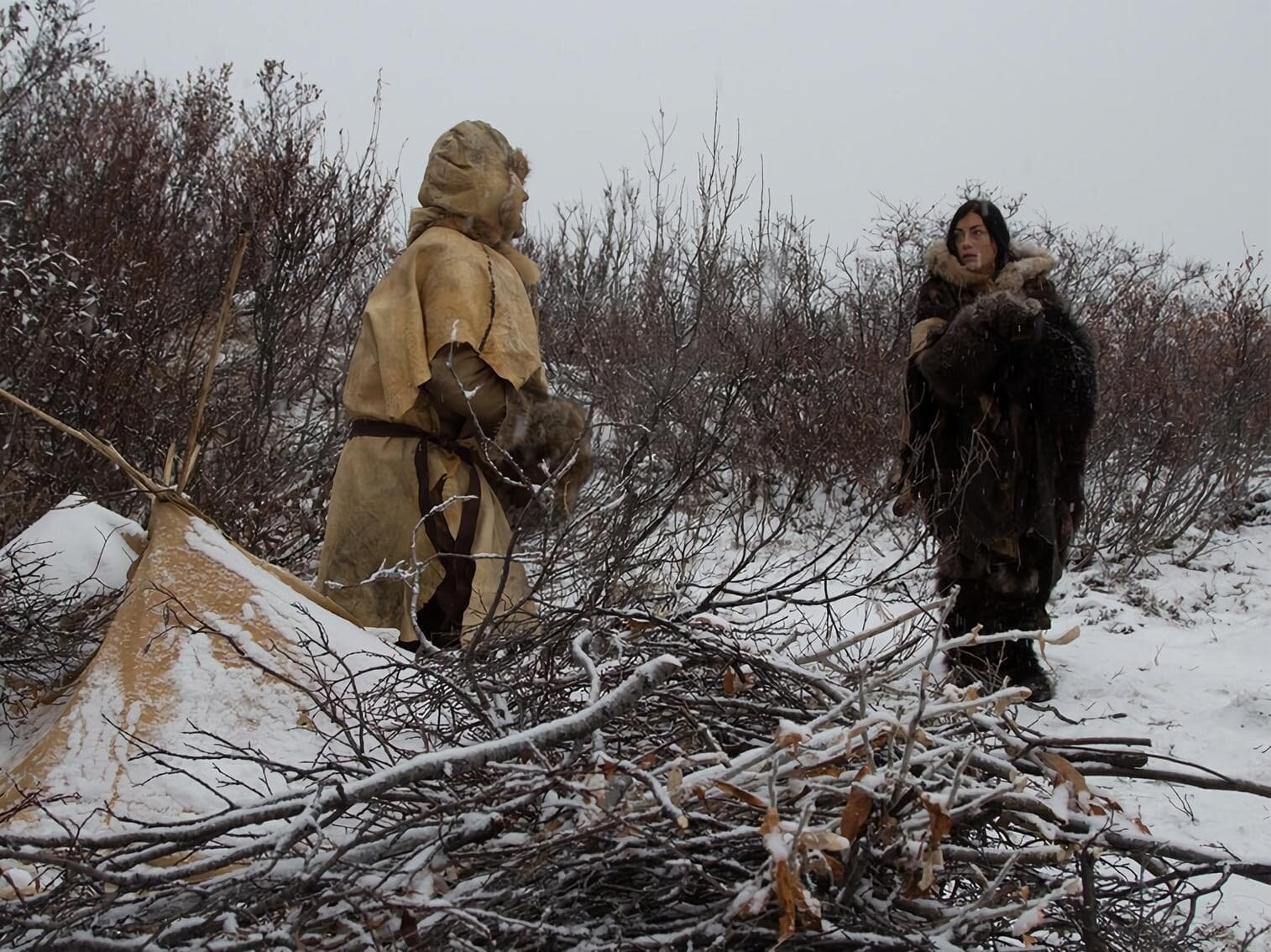
The end of the Ice Age started 18,000 years ago, as the ocean began to release carbon dioxide into the atmosphere, which catalyzed global warming trends that altered the Earths climate, making it hotter.
The end of the Ice Age started 18,000 years ago, as the ocean began to release carbon dioxide into the atmosphere, which catalyzed global warming trends that altered the Earths climate, making it hotter.
Ice Age genetic material from fungi, plants, and various species of megafauna like woolly mammoths and rhinos have been found in Northern Siberia, suggesting that this region may have been a warm oasis for animals as compared with other ice-locked regions of Northern Europe.

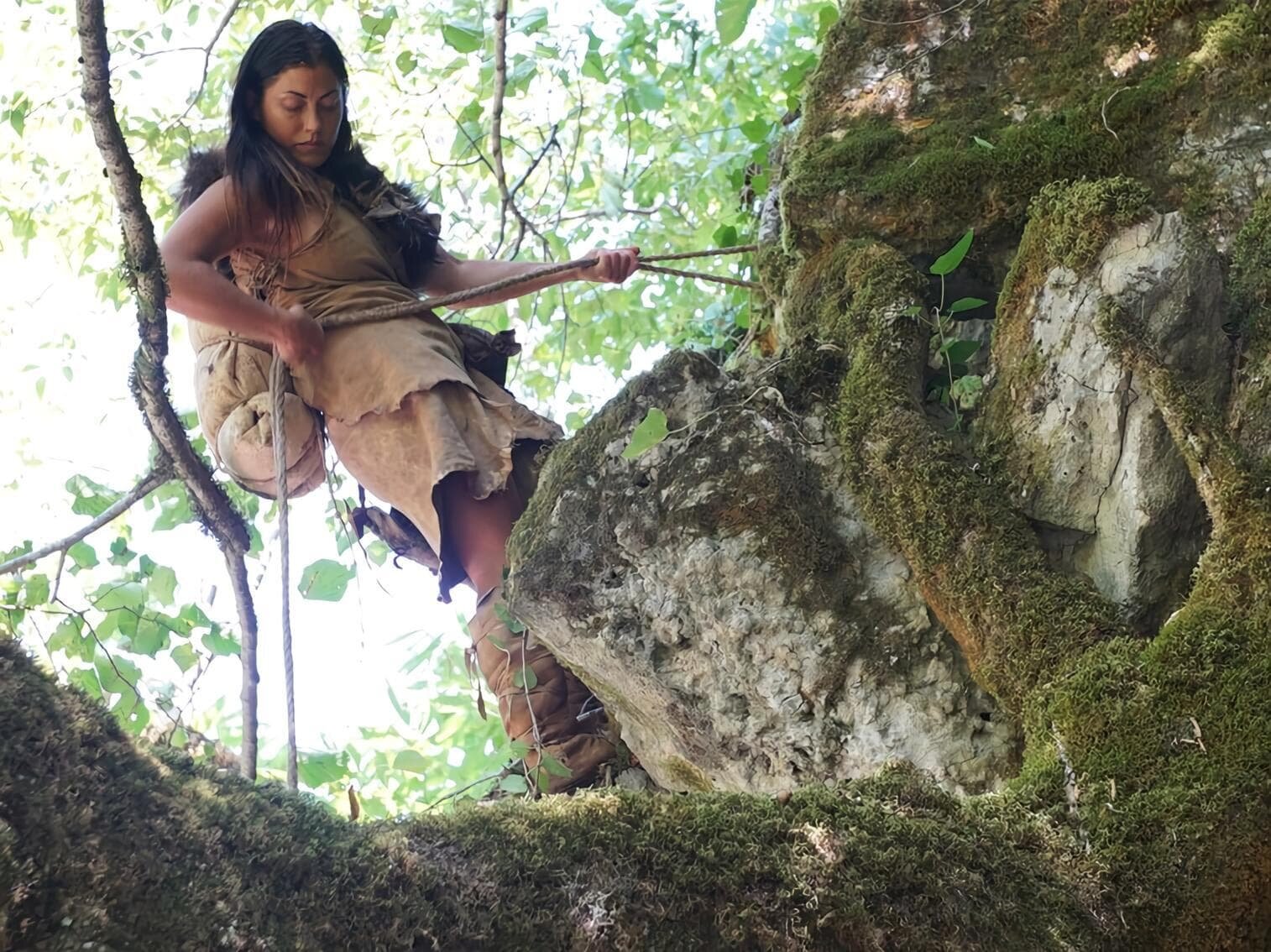
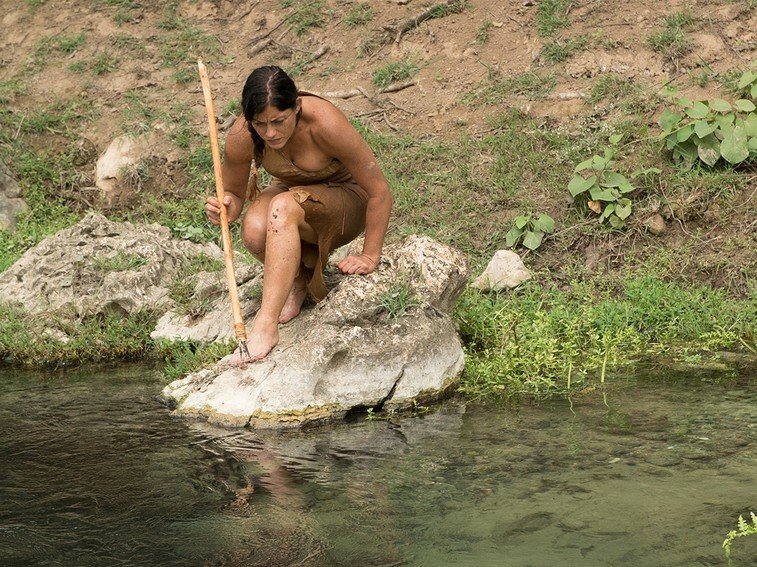
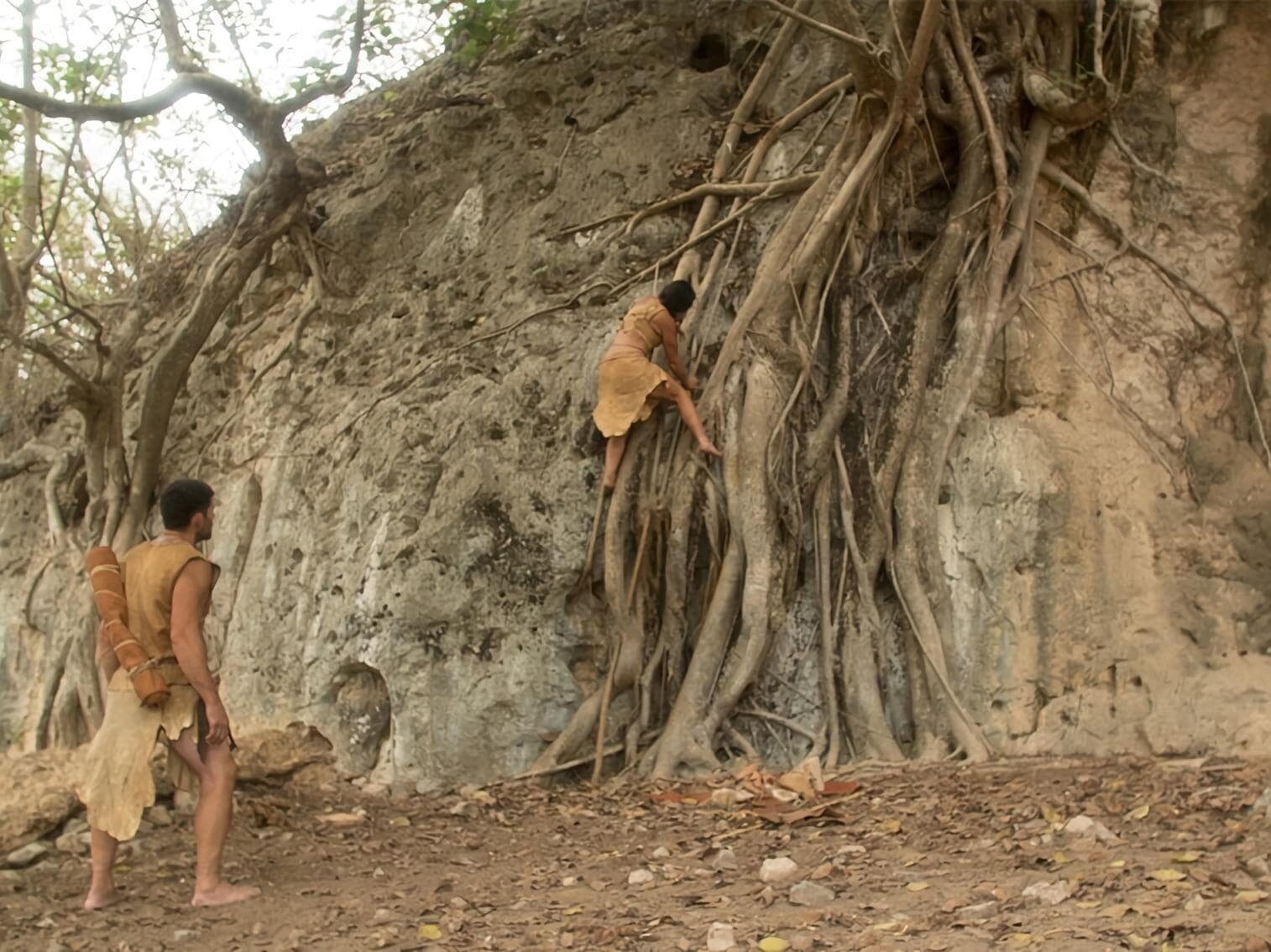
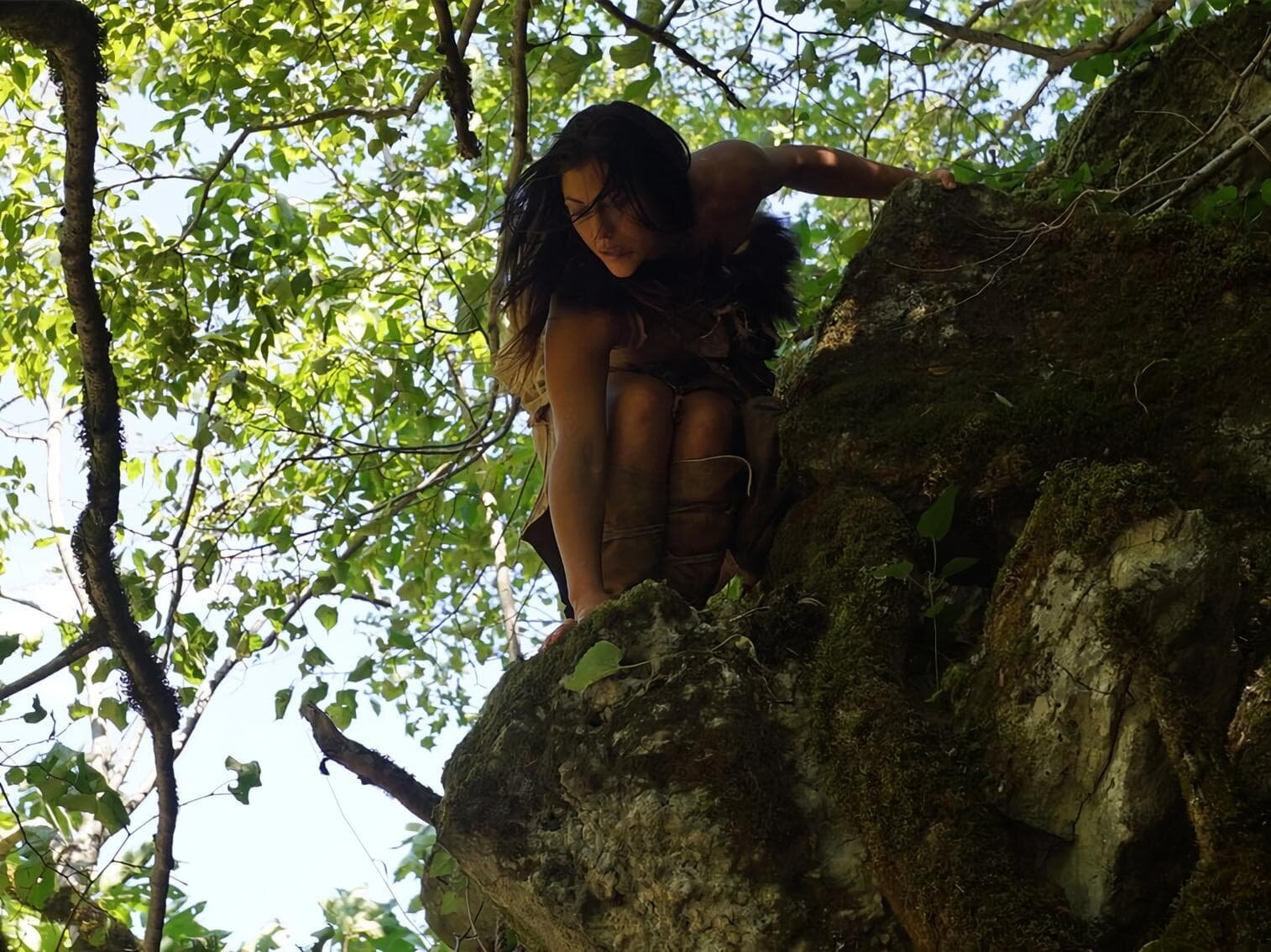
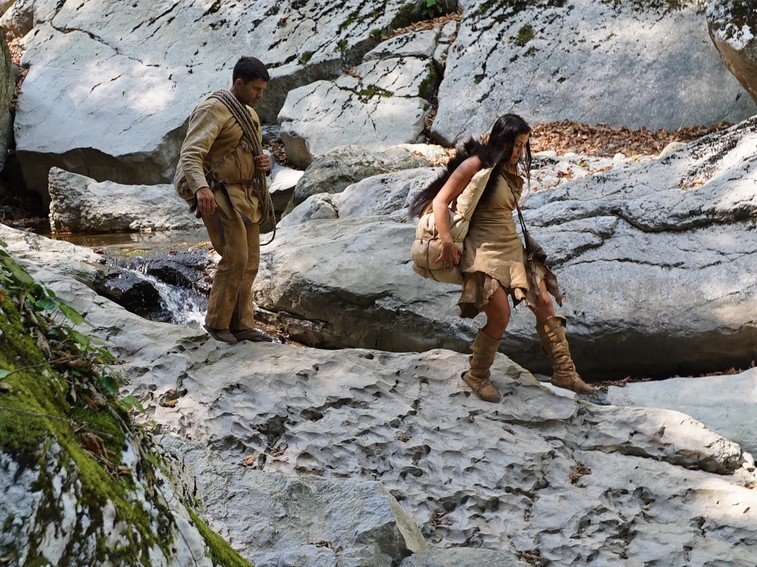
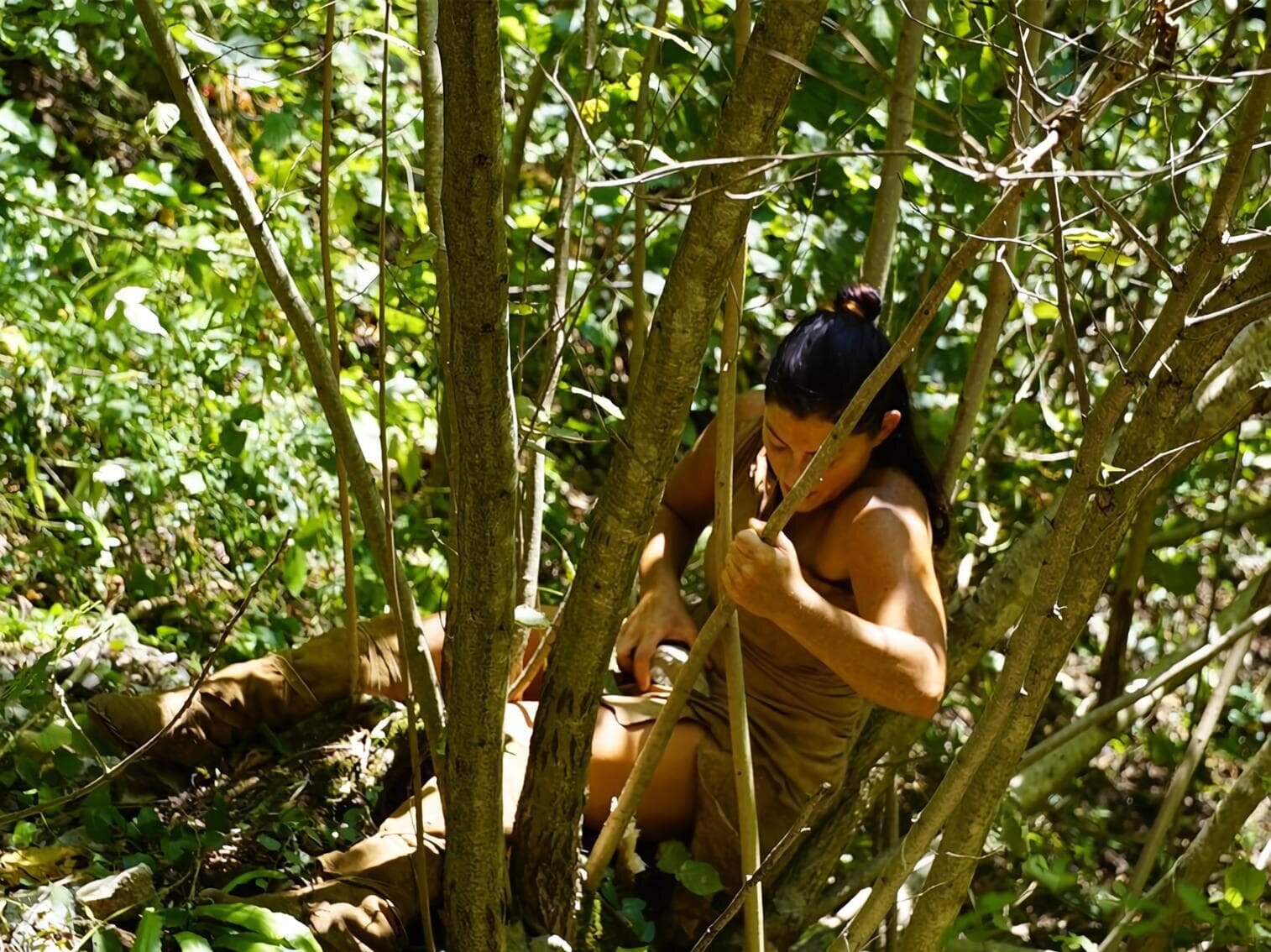
 UnterschlupfCat prepares to repel down a steep and slippery slope in order to reach the stream system below.Bild: © National Geographic
 "Kaulitz & Kaulitz": Termin für Staffel 3 der Netflix-Doku verkündet