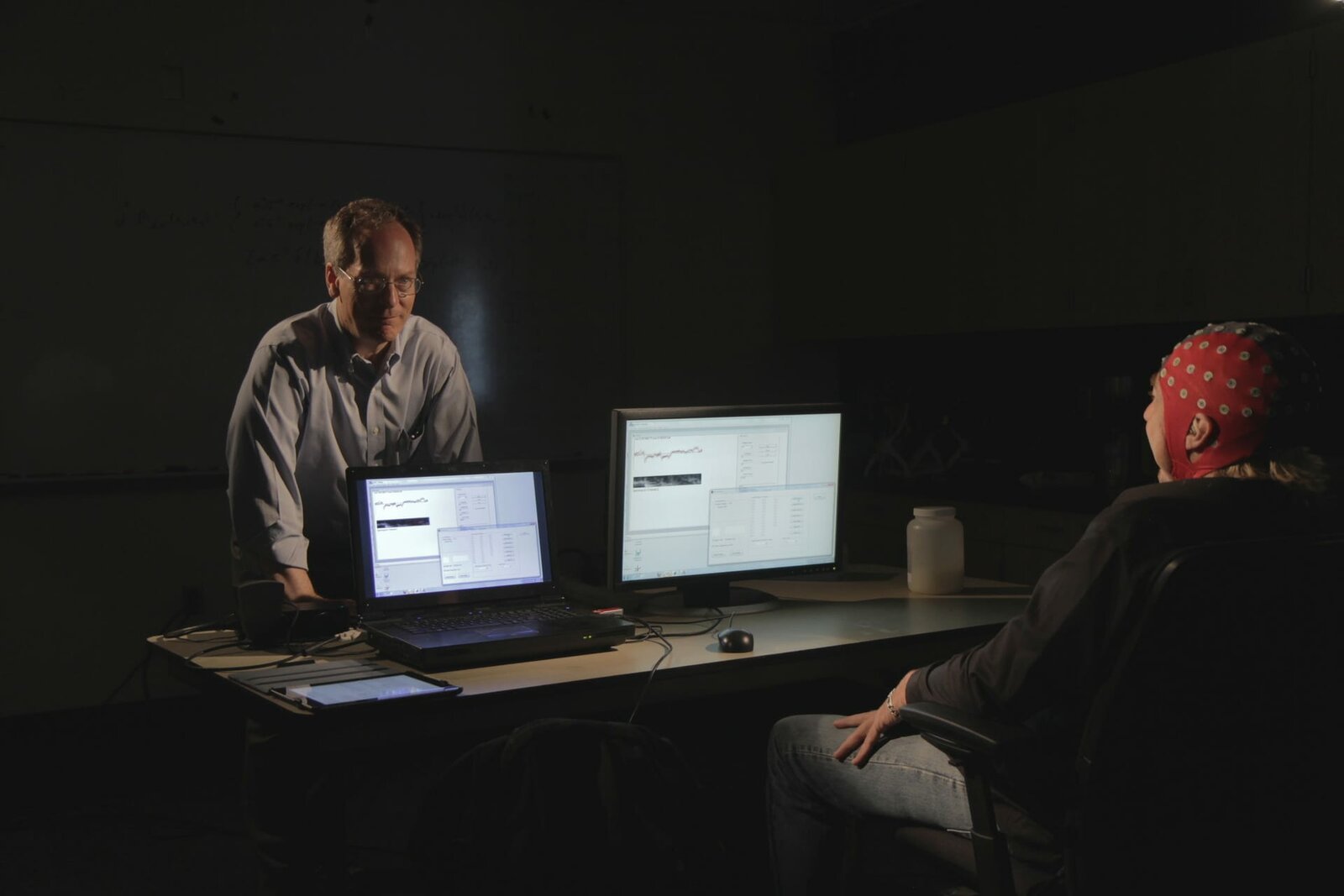
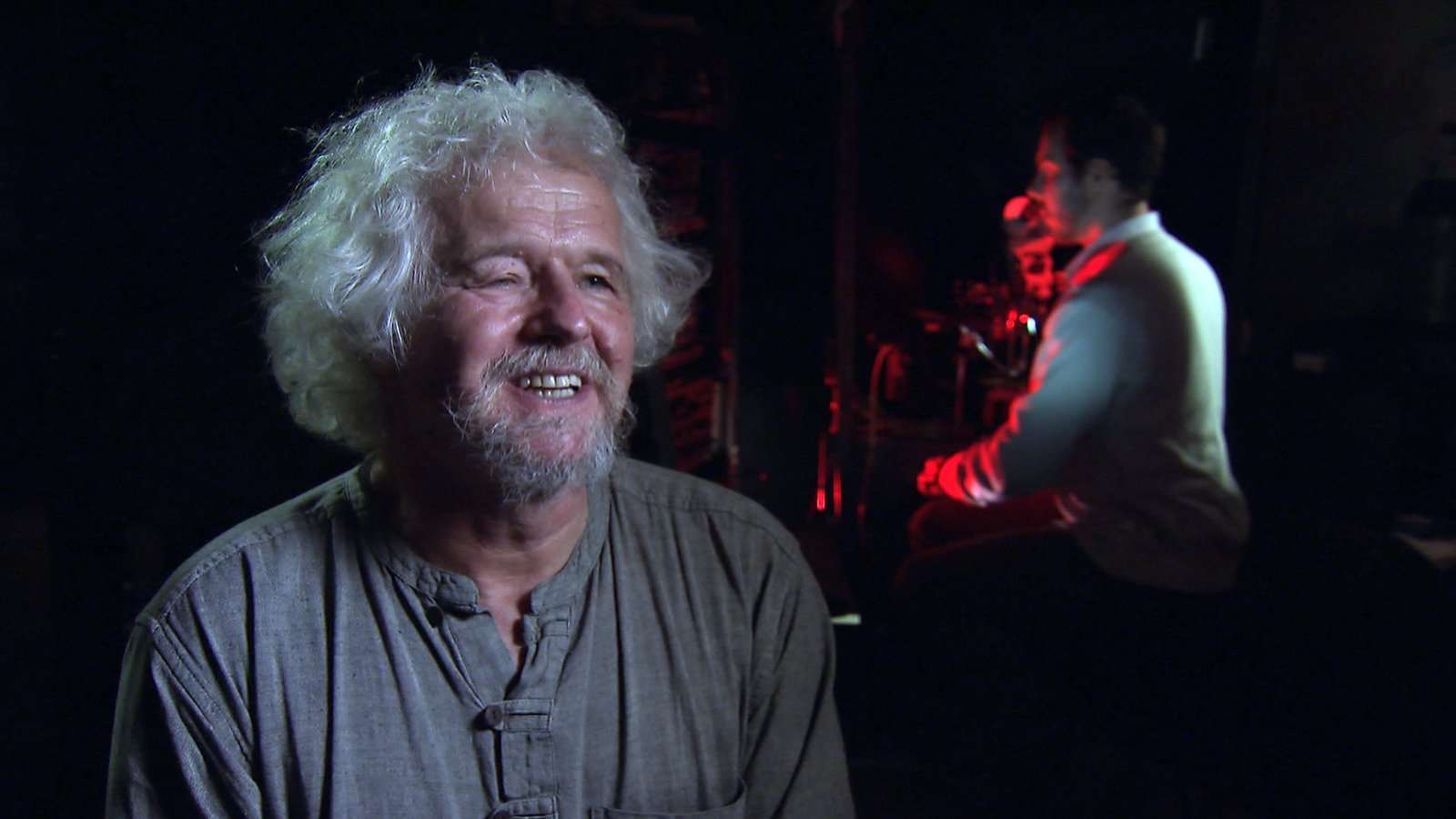
Dr. Mike D'Zmura, Neuro-Wissenschaftler an der University of California in Irvine, zeigt, wie man mit Hilfe des EEG Gehirnaktivitäten und Gedanken interpretieren kann.
Neurowissenschaftler Paul Zak sucht nach dem "Moral-Molekül" Oxytozin. Vermutlich ist es für Gefühle wie Mitgefühl, Liebe oder Vertrauen verantwortlich.
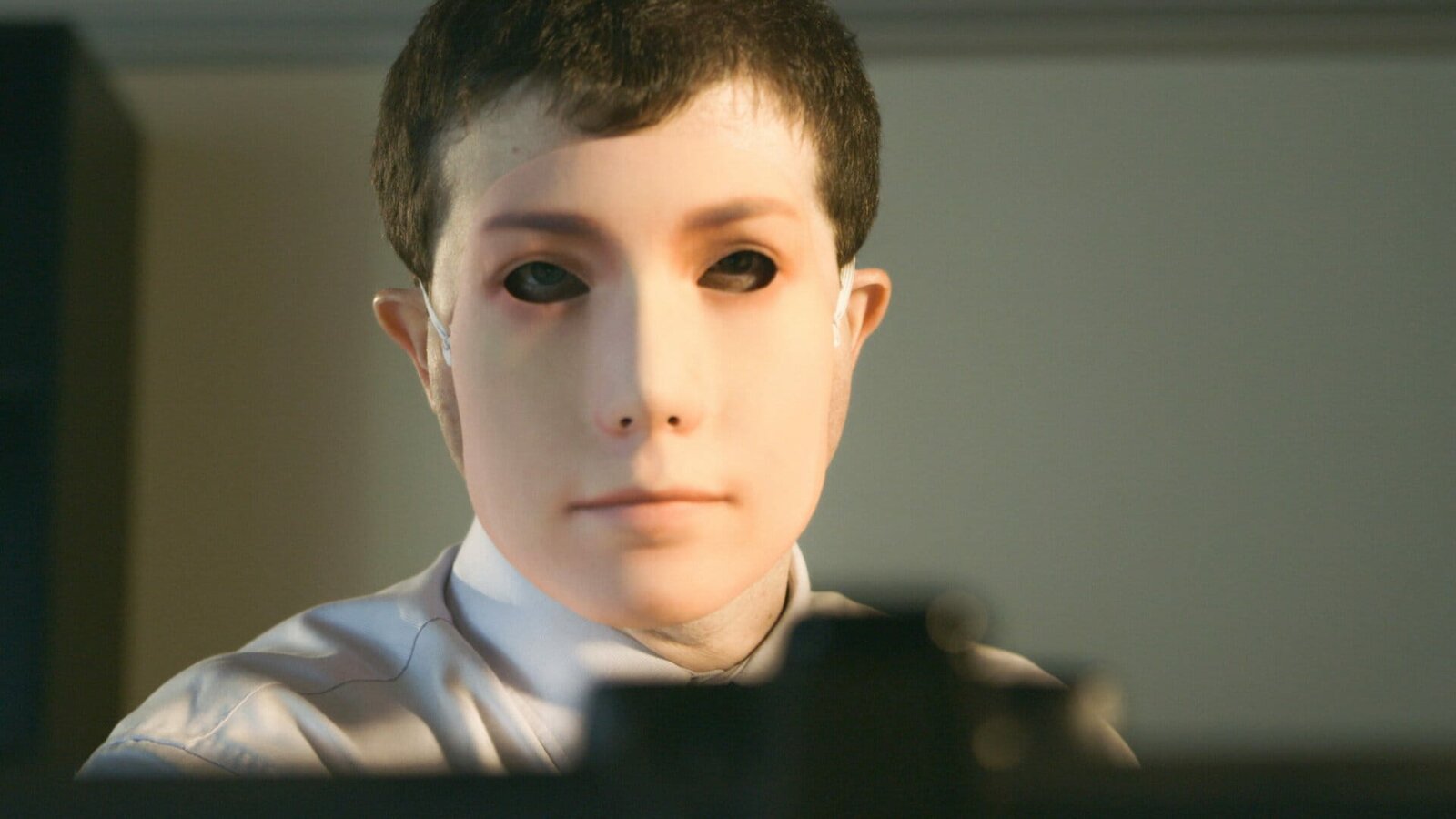
Sébastien Marcel vom Idiap Research Institute in der Schweiz trägt eine Maske, um zu demonstrieren, wie man biometrisch geschützte Systeme überwinden kann.
Alejandro Jenkins, Professor at the University of Costa Rica's School of Physics, believes our universe may be similar to rainforest ecosystems, surrounded by an incredible variety of alien life -- not in nearby star systems but right under our noses.
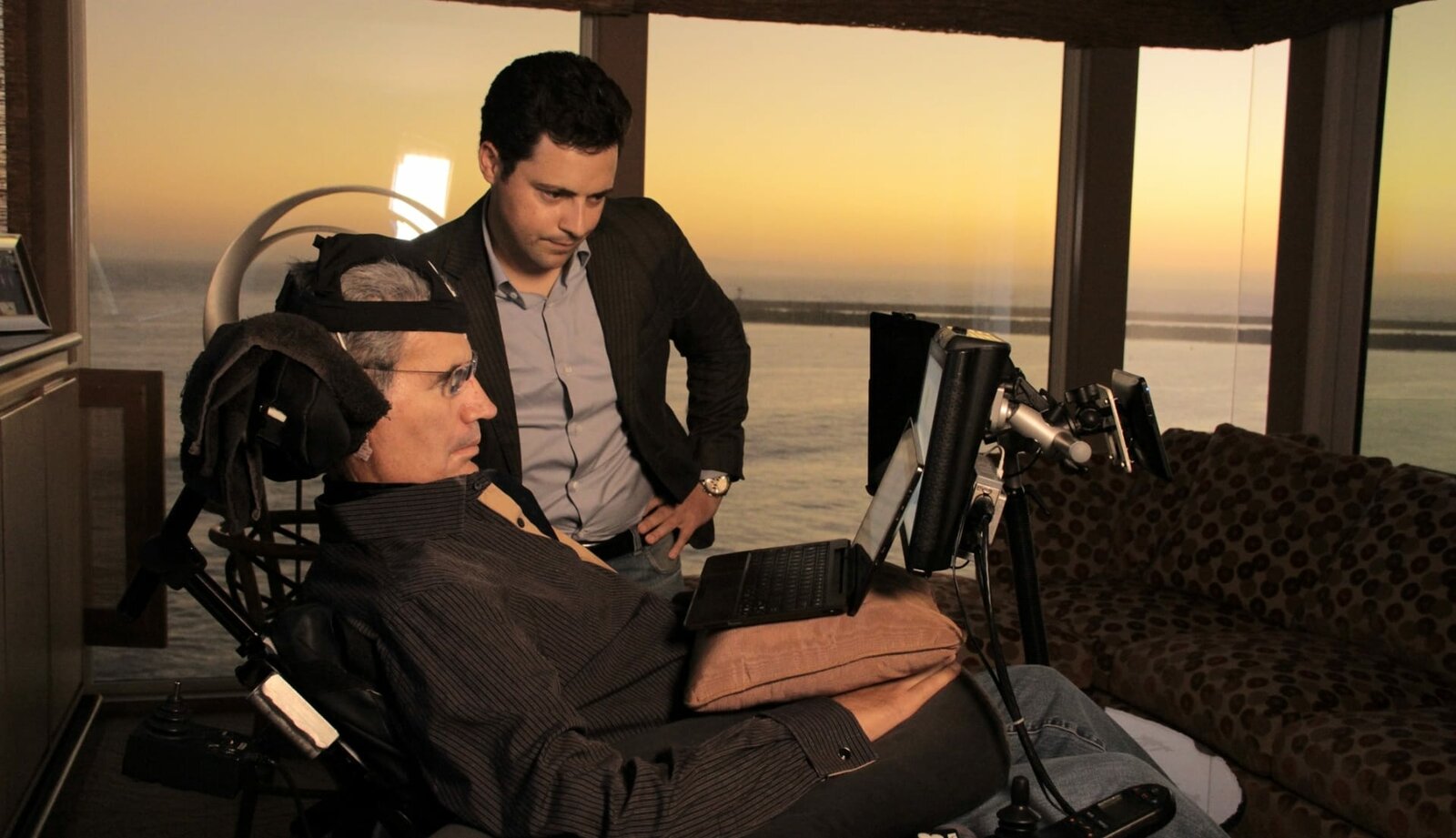
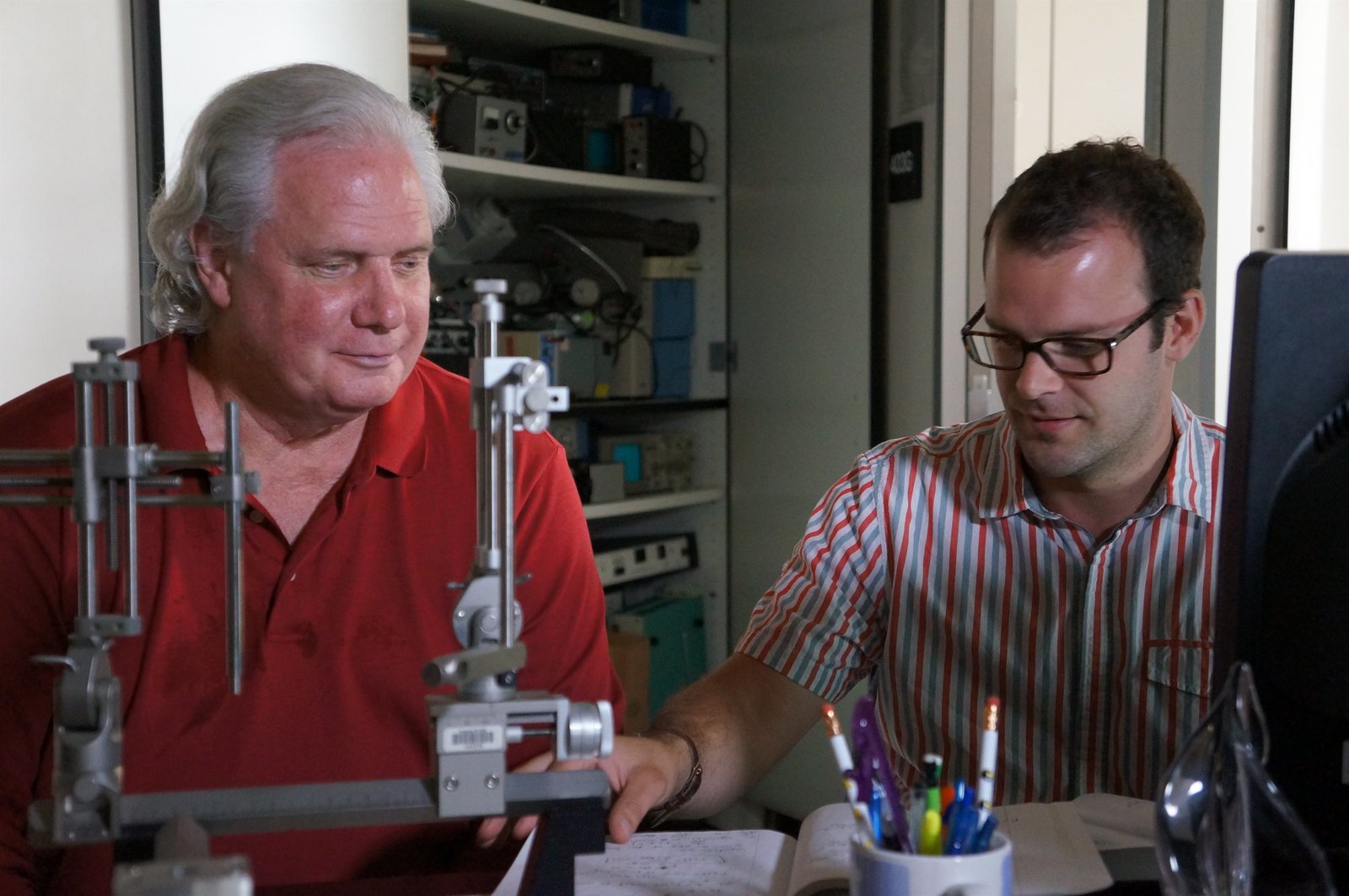
Dr. Theodore Berger, Ph.D., David Packard Chair of Engineering and Director of the Center for Neural Engineering and Neuroscience at the University of Southern California examines data with a lab assistant.
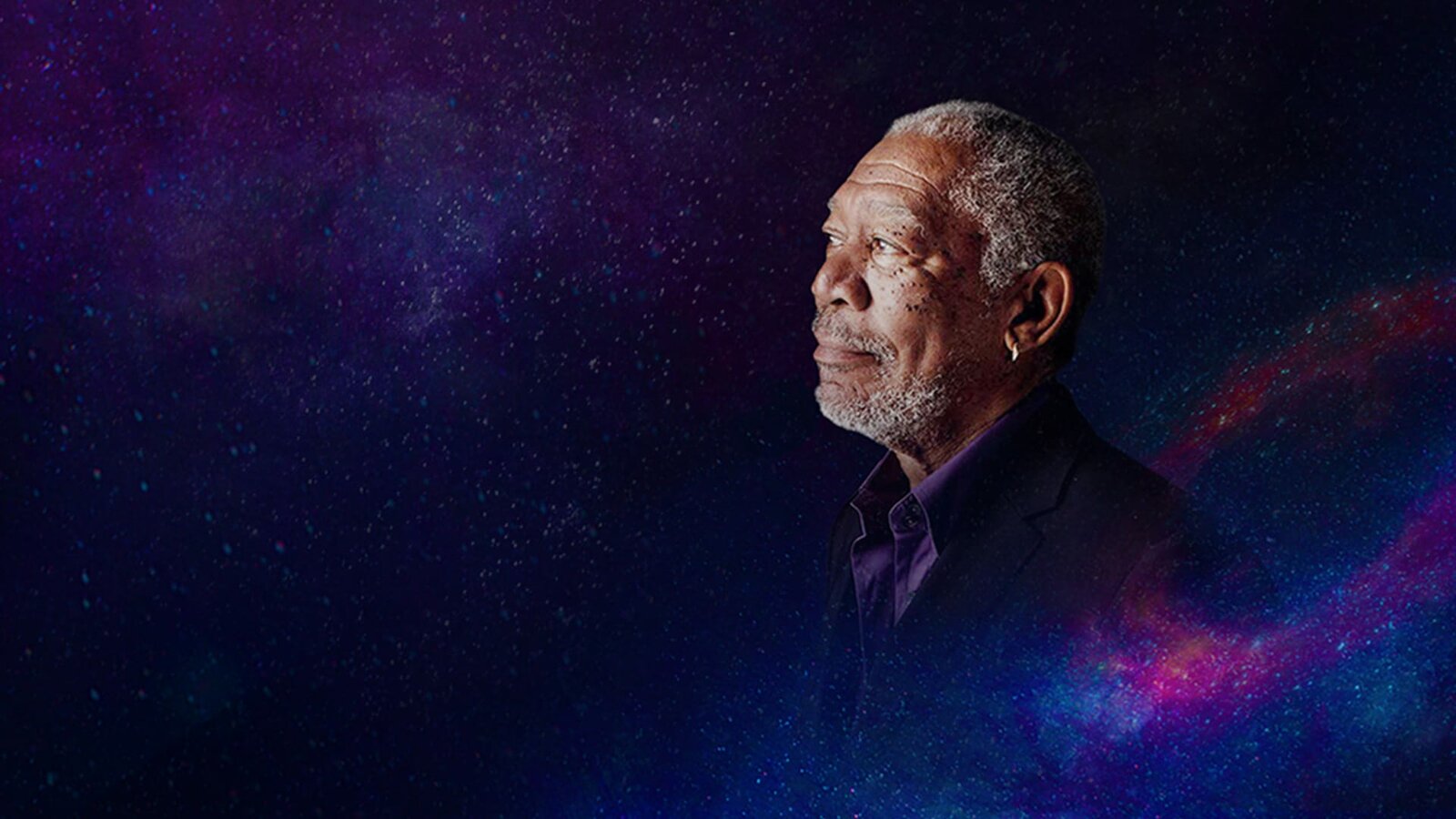
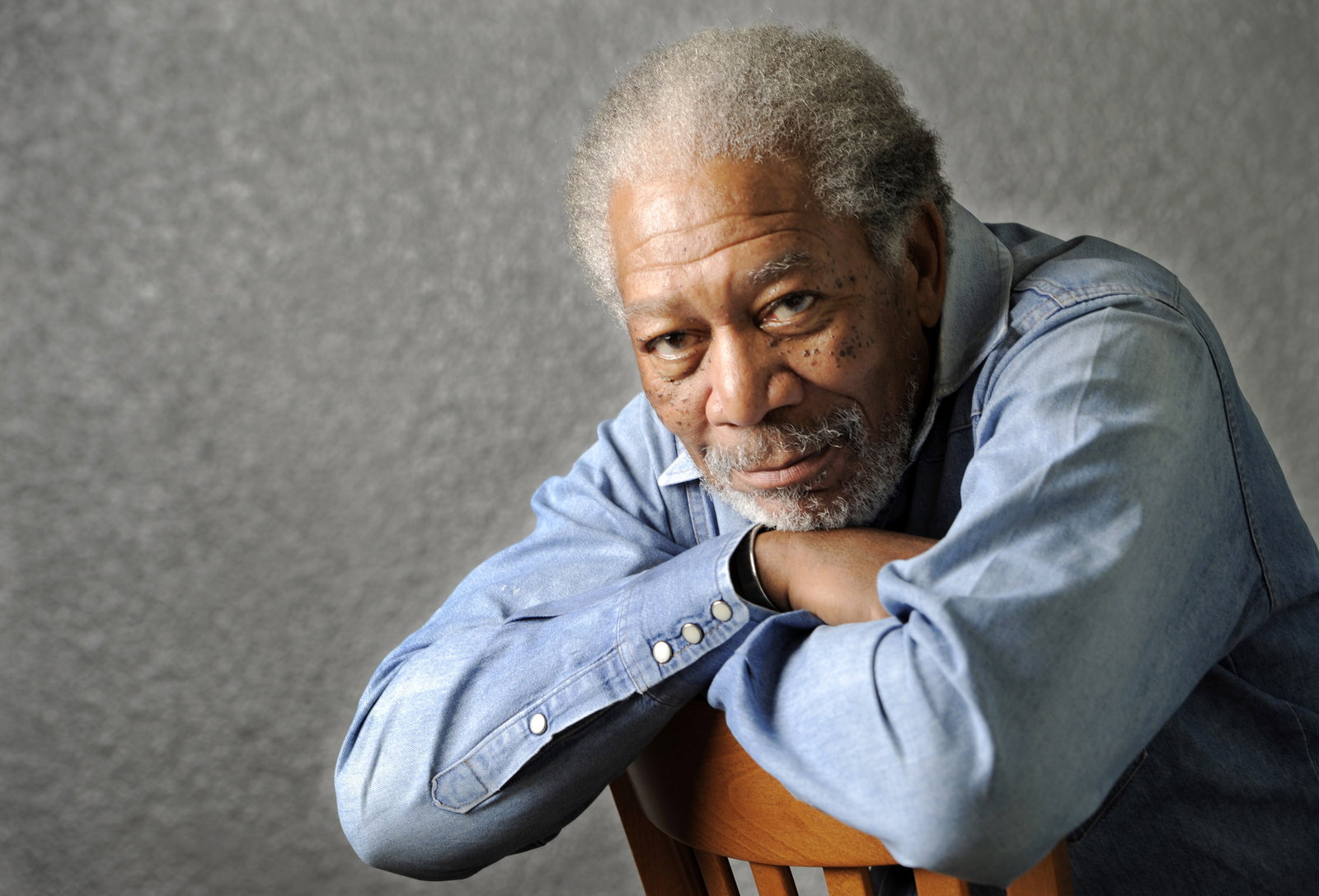
Was steckt hinter unglaublichen Zufällen und Wendungen des Schicksals? Oscar-Preisträger Morgan Freeman fragt, ob Zufall oder physikalische Gesetze am Werk sind - spannend auch für Forscher.
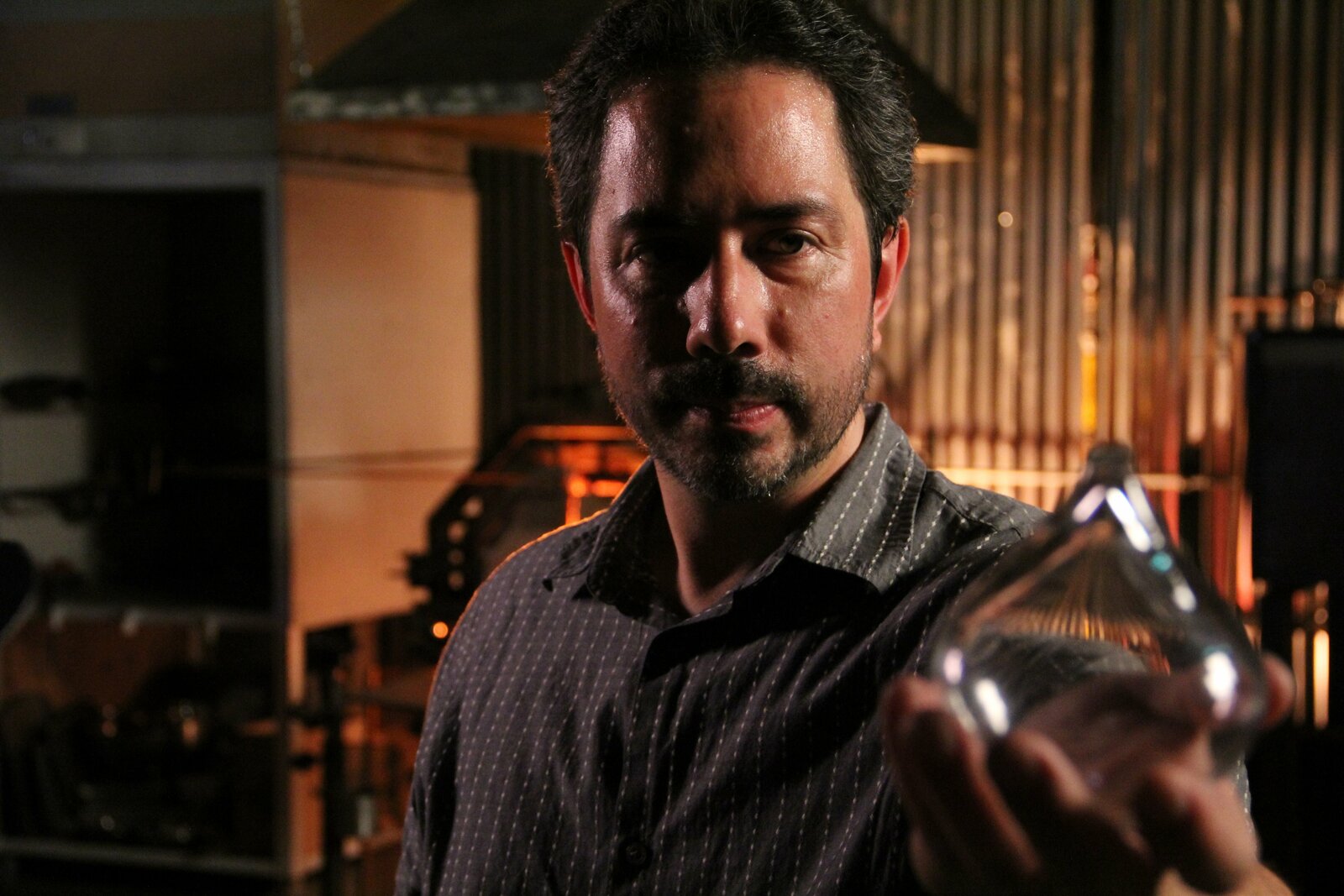
John Learned, ein Physiker an der University of Hawaii, denkt, dass wir die Nachrichten von Aliens nicht empfangen können. Er vergleicht das mit Musik, die auf ein Weinglas trifft.
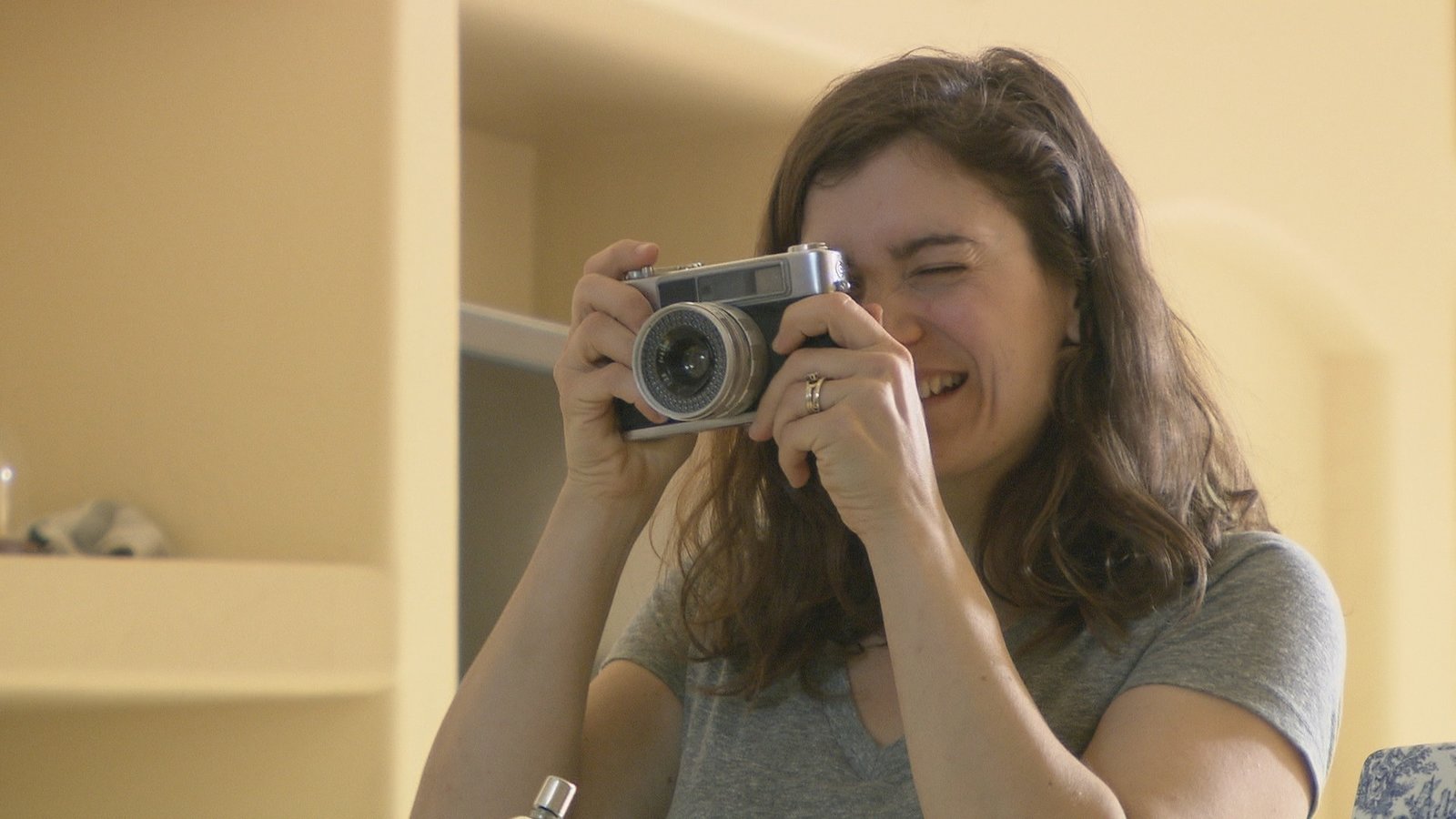
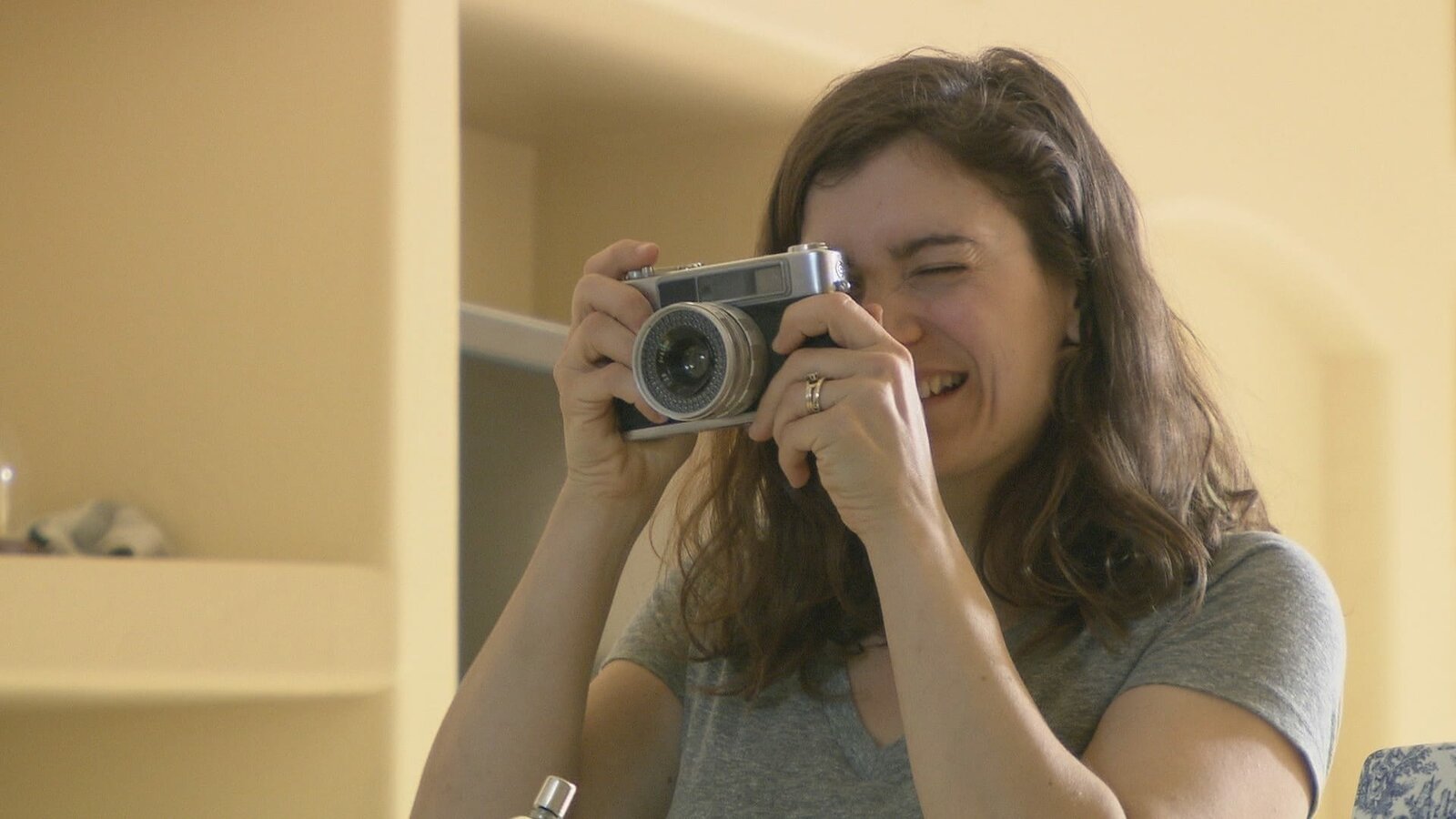
Physicist Sara Walker, Ph.D., University of Arizona, taking a picture at her home, demonstrating the evolutionary drive to gather and decode more and more information.
Physicist Sara Walker, Ph.D., University of Arizona, taking a picture at her home, demonstrating the evolutionary drive to gather and decode more and more information.

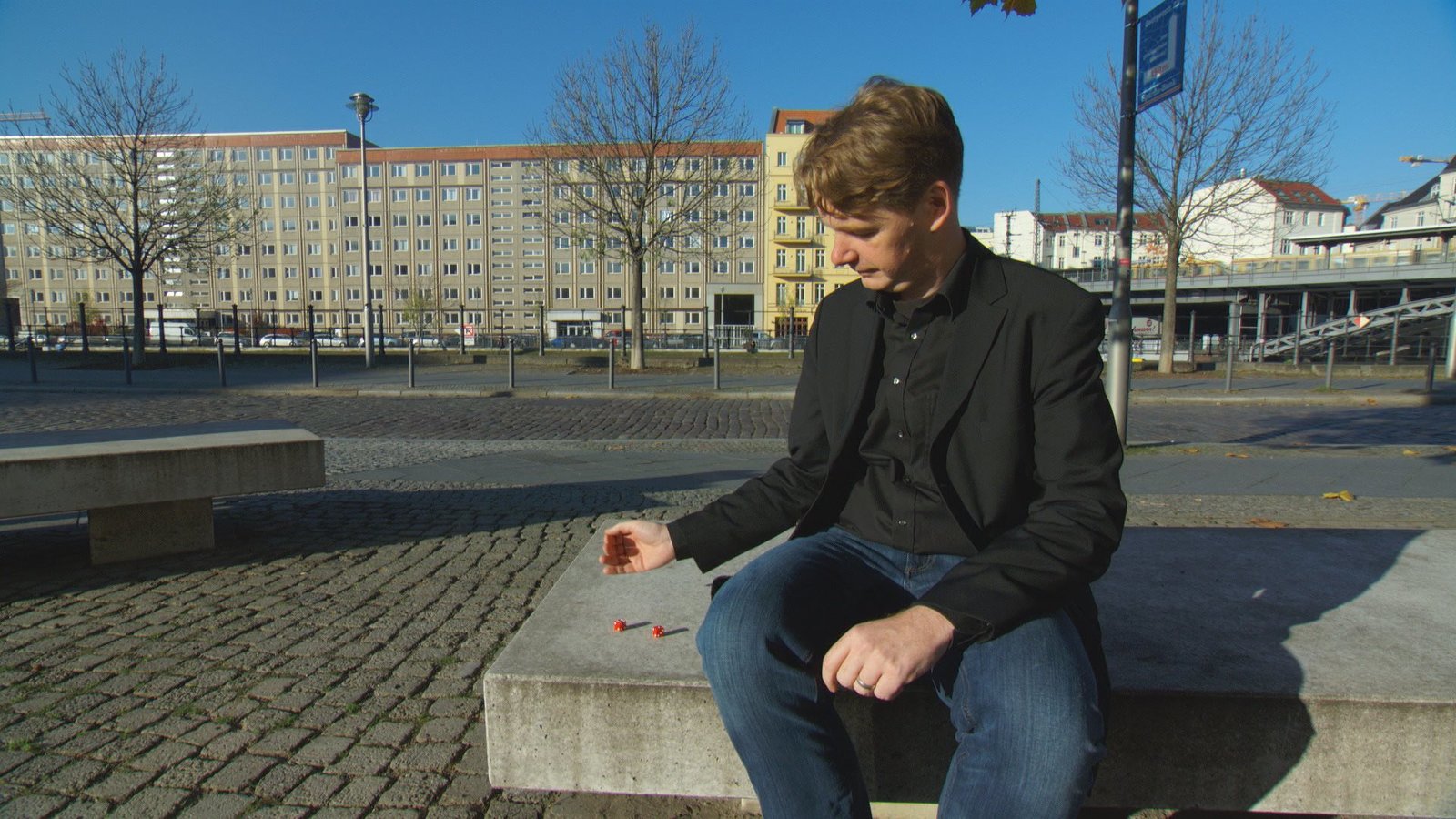
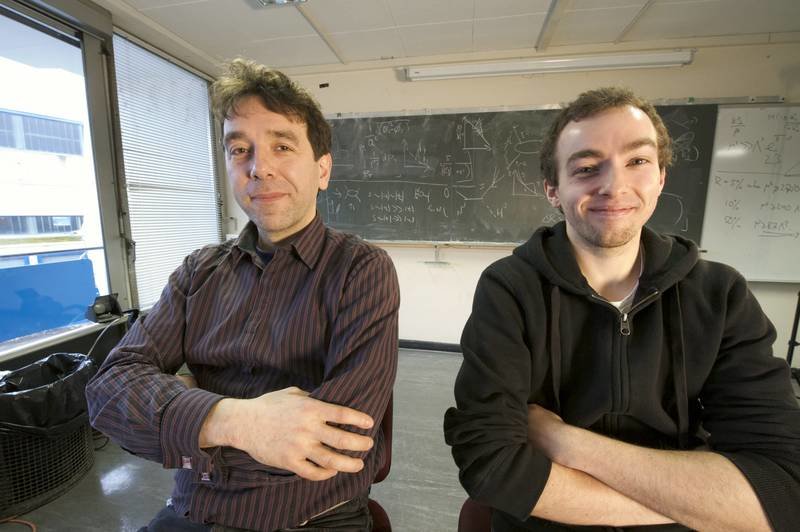
 Das GottesteilchenFrancesco Sannino, Physicist from the University of Southern Denmark on the streets of Odense.Bild: © Science Channel / Discovery Communications, Inc
 "A Different World": Netflix-Reboot der Kultsitcom startet mit Luft nach oben