Sind Roboter unsere Zukunft?
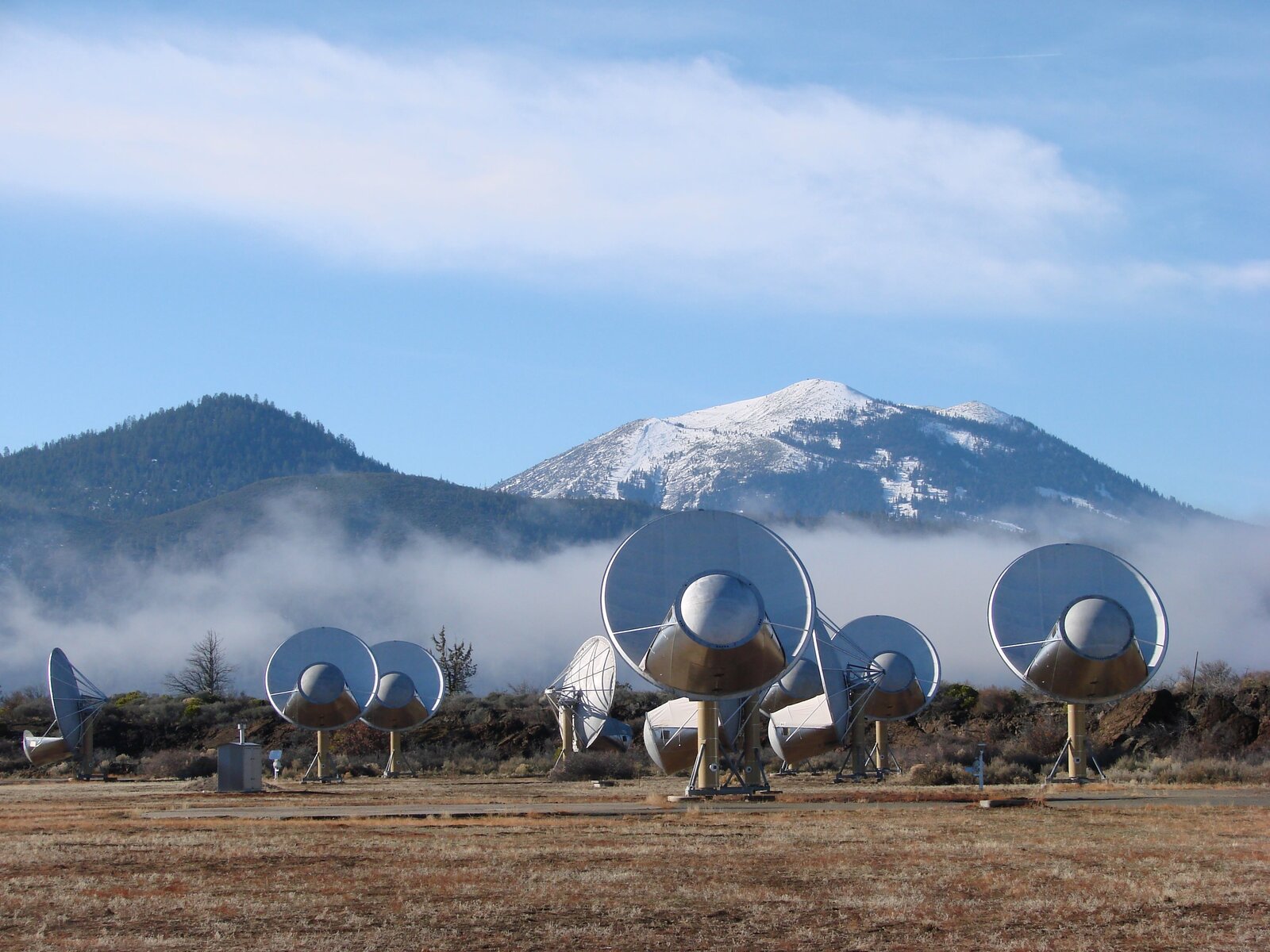
Allen Telescope Array, Hat Creek Radio Observatory, Hat Creek, California as seen on the 'Are We Alone?' episode of Through The Wormhole.
Bild: © Rhys Thomas / The Science Channel / Discovery Communications
Wann begann die Zeit?
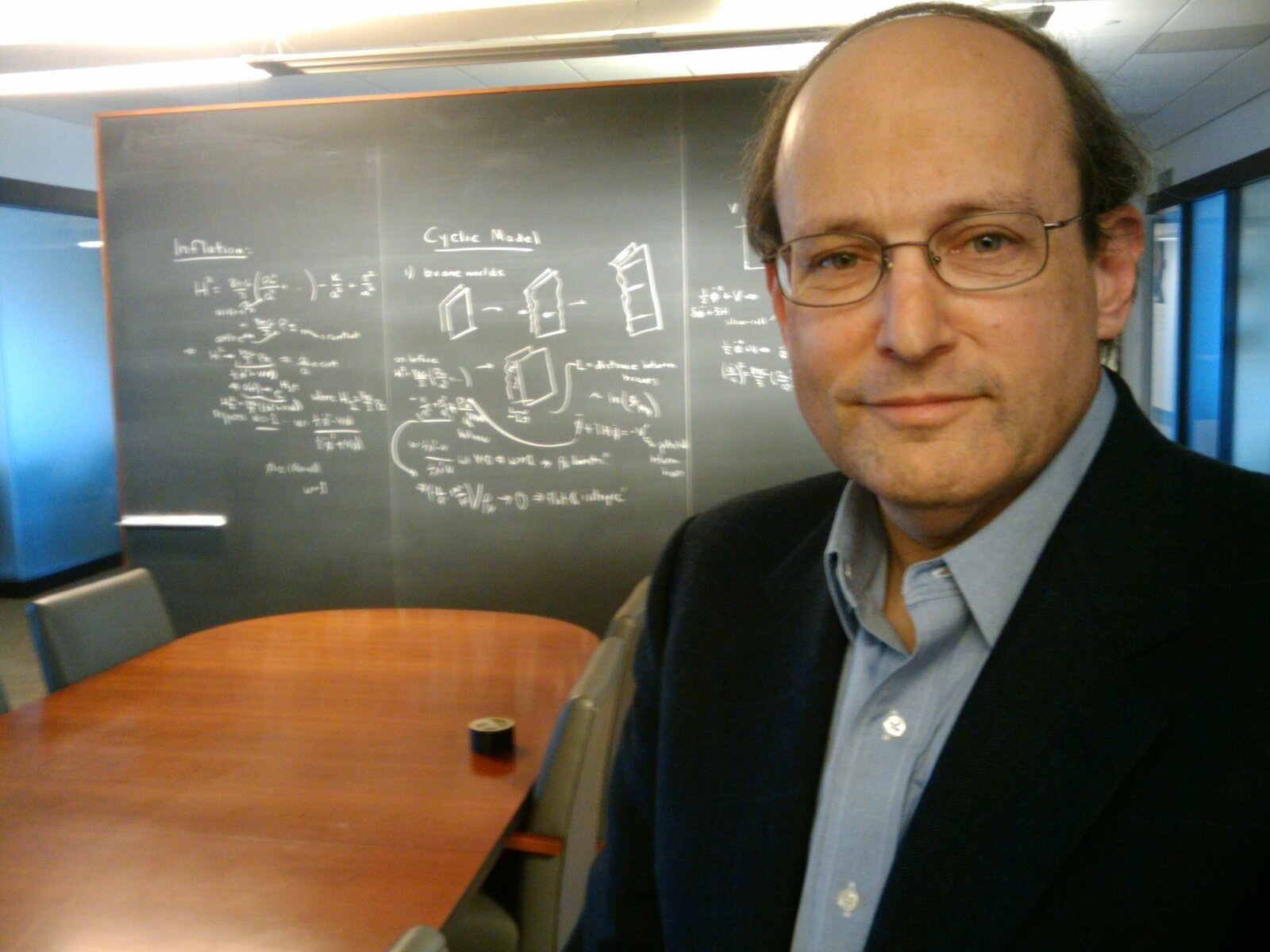
Princeton Prof. Paul Steinhardt, co-author of ŇEndless UniverseÓ as seen on the 'What Happened Before The Beginning?' episode of Through The Wormhole.
Bild: © Copyright: Discovery Communications, Inc. For Show Promotion Only
Das Spiel mit der Zeit
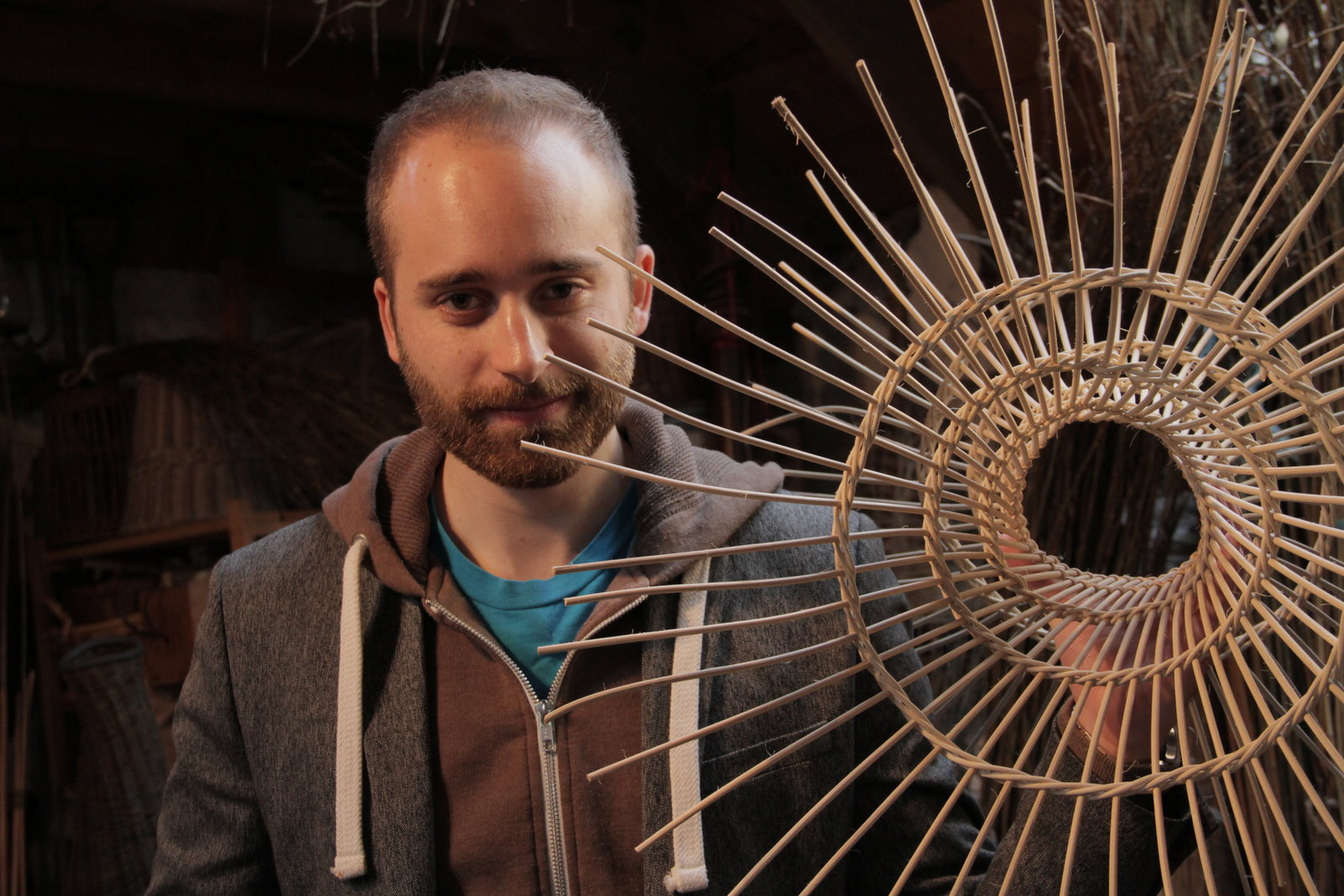
"Mysterien des Weltalls: Das Spiel mit der Zeit": Luke Butcher, theoretischer Physiker an der University of Bristol, veranschaulicht mit einem Modell Raum und Zeit.
Bild: © ZDF und Savas Georgalis
Der sechste Sinn
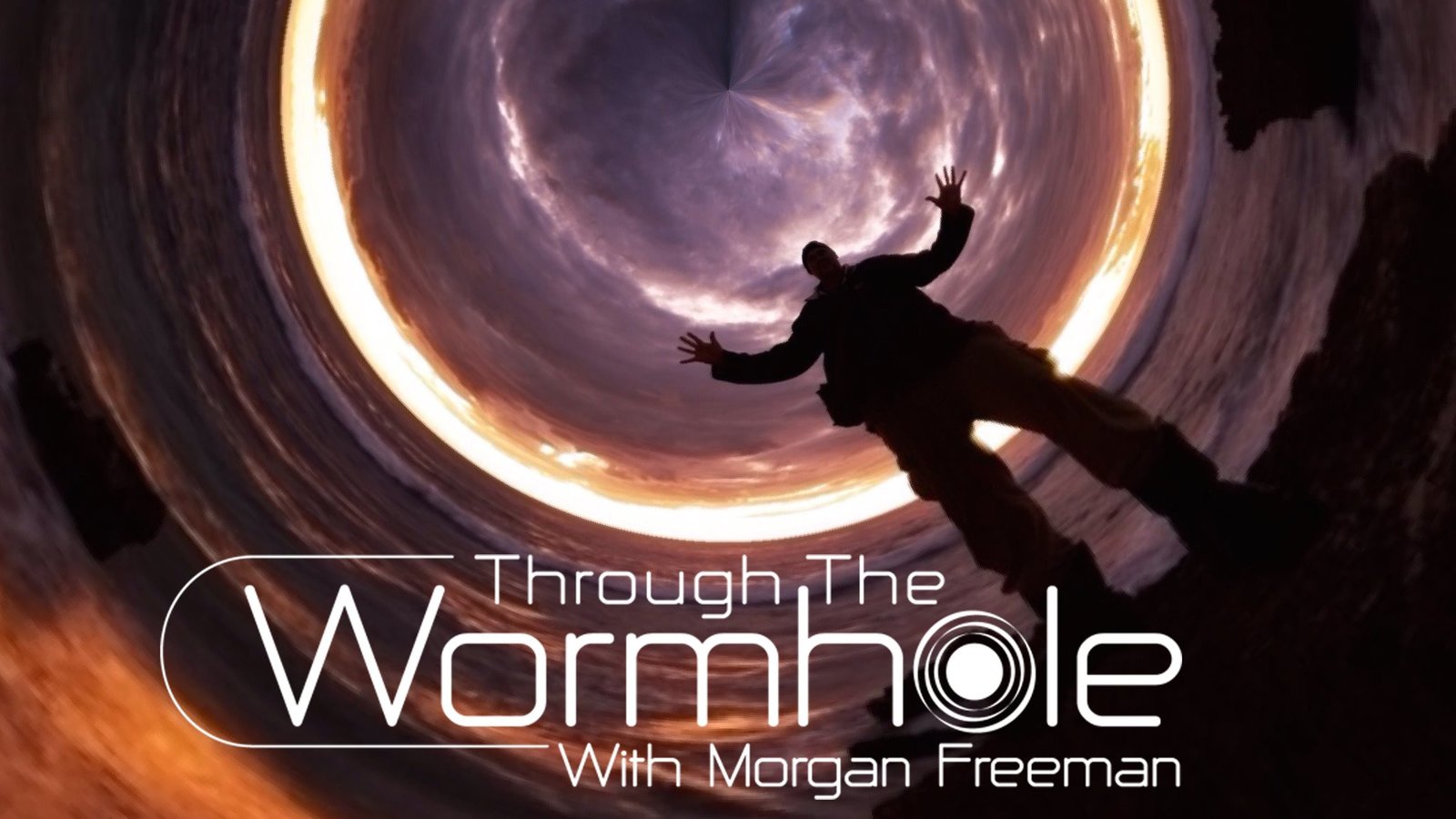
big round sunset man
Bild: © Discovery Communications
Wann beginnt das Leben?
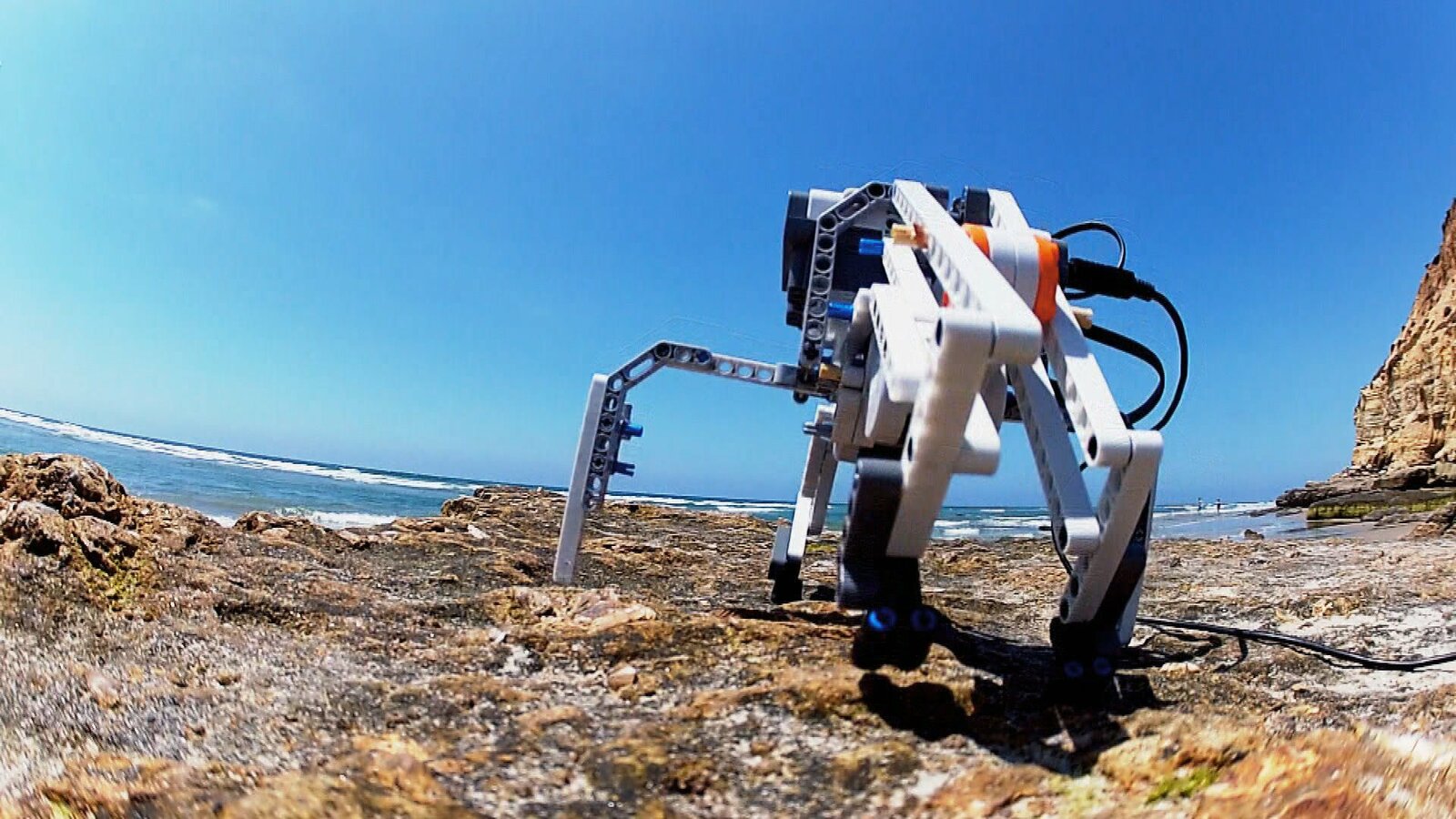
Dieser Roboter erkundet eigenständig seine Umwelt und erweitert so sein elektronisches Gehirn – so wie es auch bei biologischen Gehirnen funktioniert.
Bild: © ZDF und Discovery Communications
Sind Zeitreisen möglich?
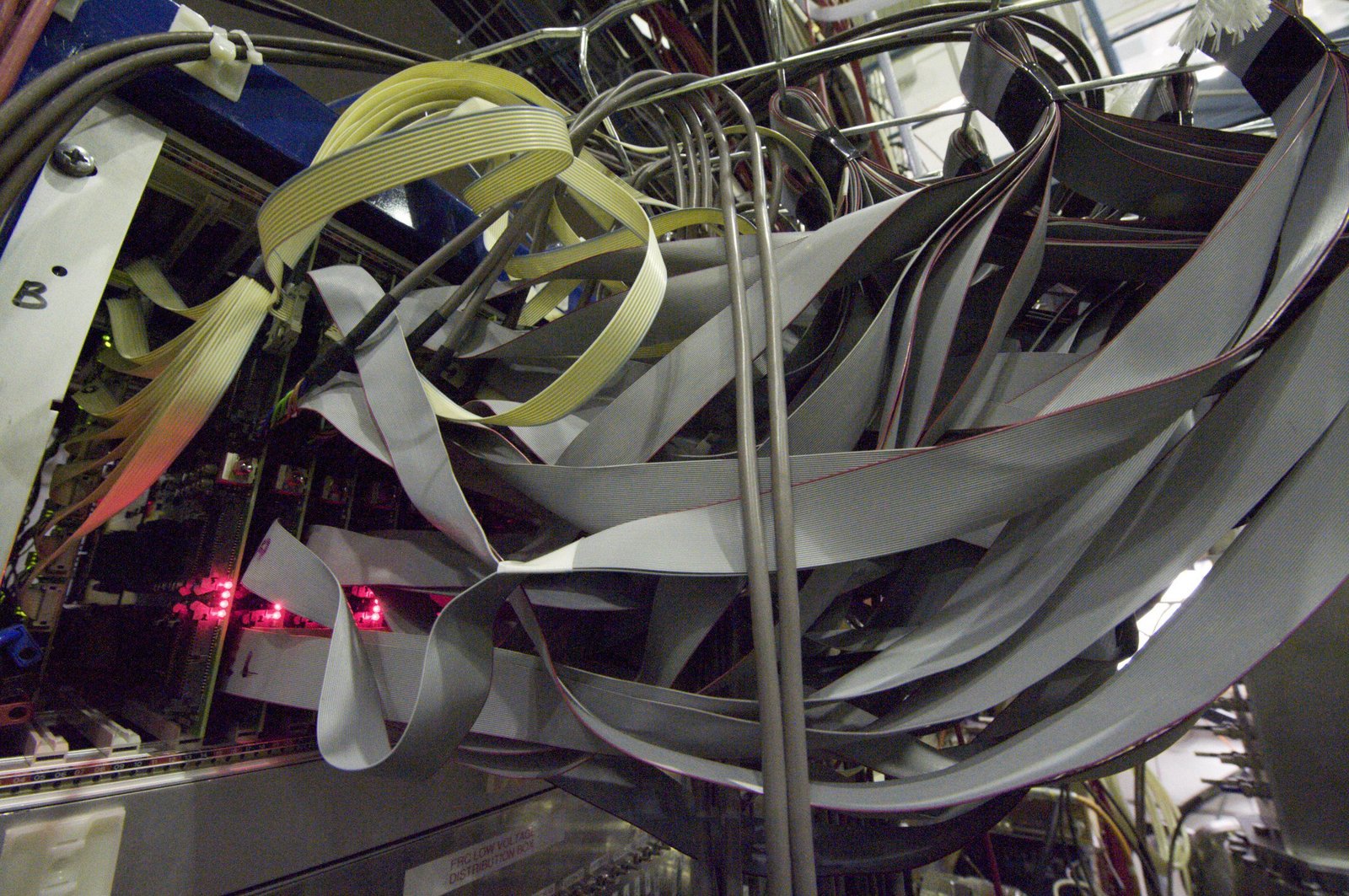
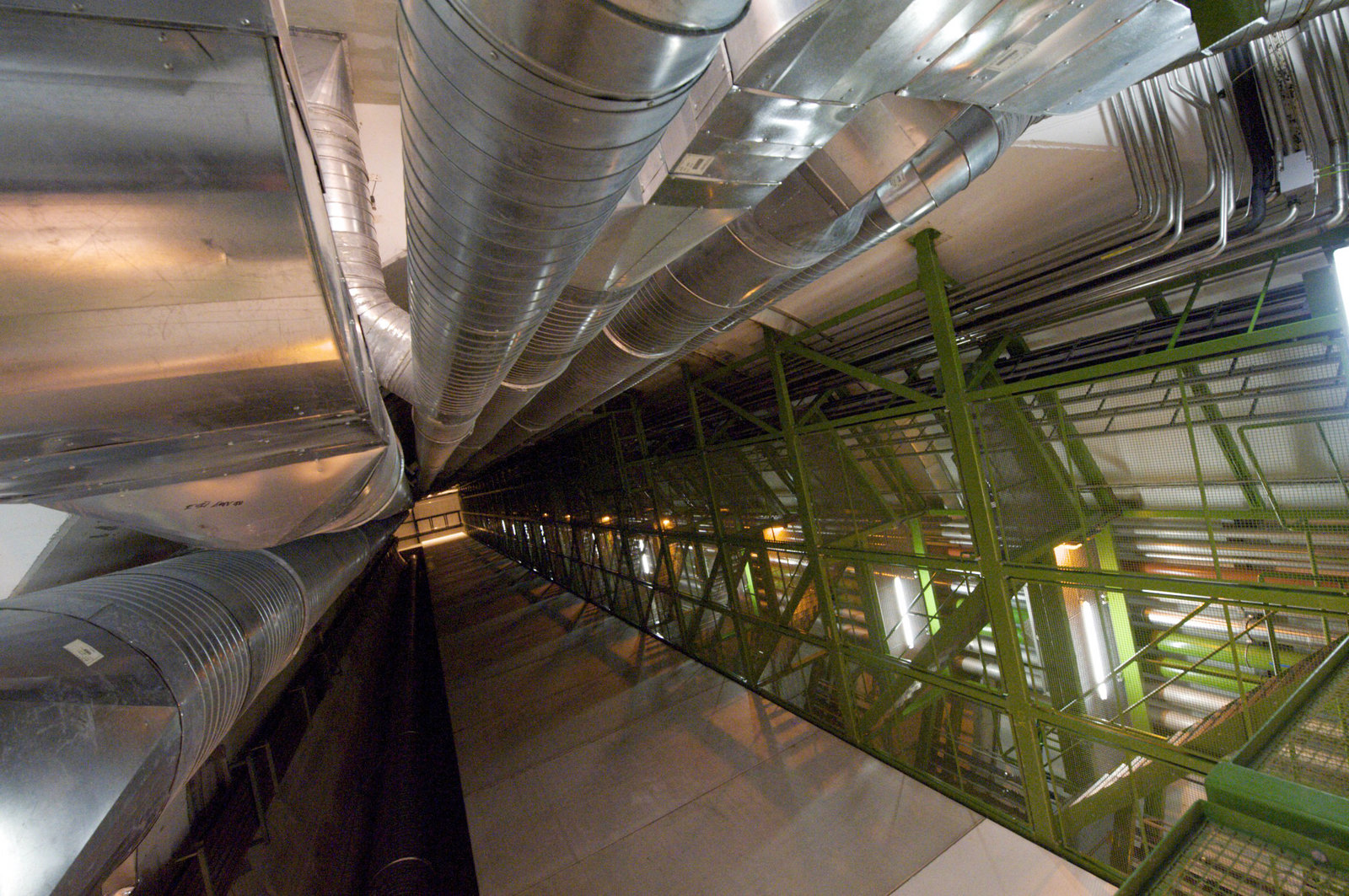
Cables inside the LHC at CERN in Geneva as seen on the 'Is Time Travel Possible?' episode of Through The Wormhole.
Bild: © Copyright: Discovery Communications, Inc. For Show Promotion Only
Der Große Bruder
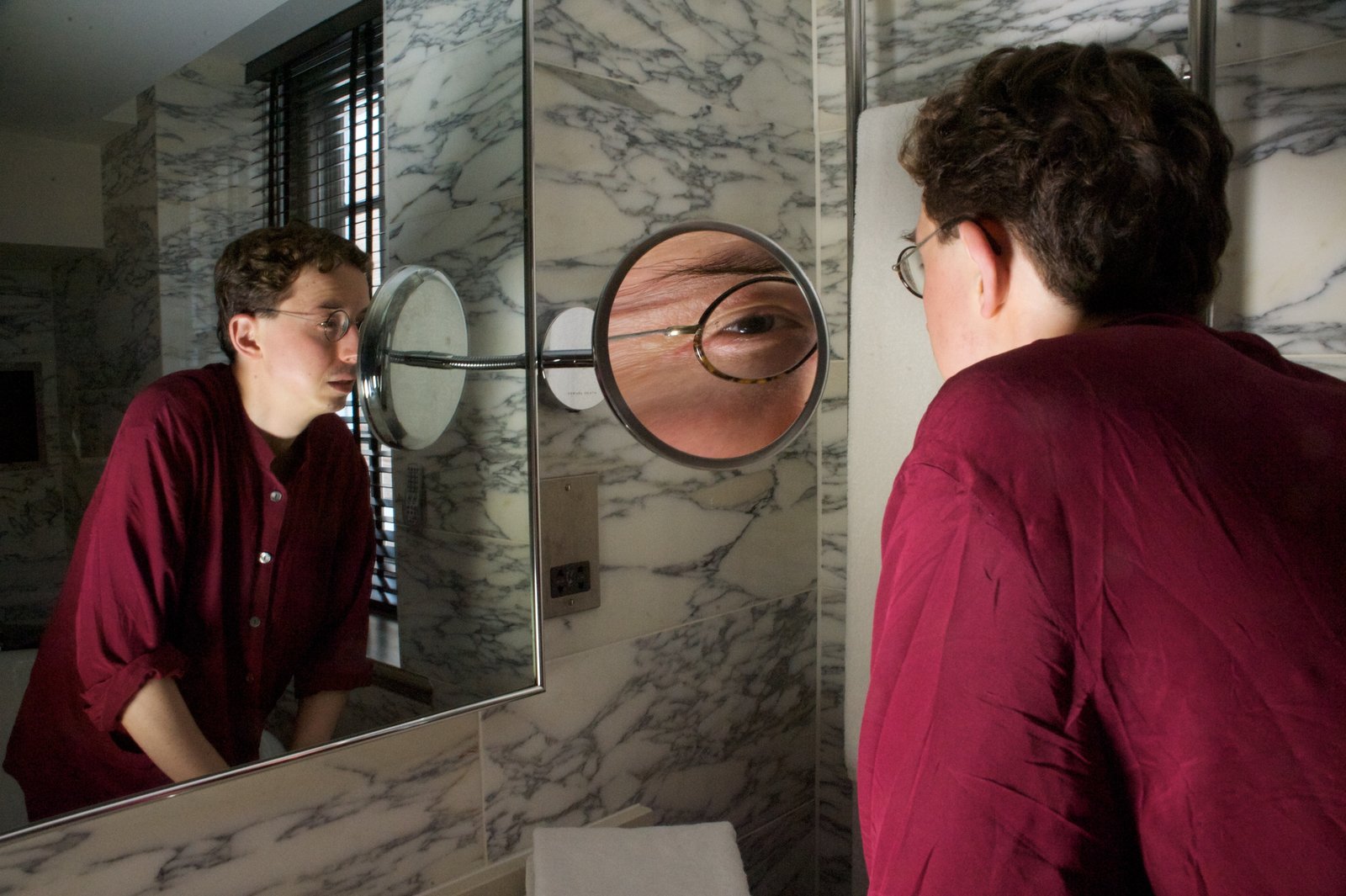
Der perfekte Ort für einen DNA-Diebstahl: ein Friseursalon. Eine Rasur - und schon ist die DNA auf der Klinge.
Bild: © ZDF und Robin Acutt./Robin Acutt
Kommt der große Zombieangriff?
Bild: © ZDF und Discovery Communications
Am Anbeginn der Zeit
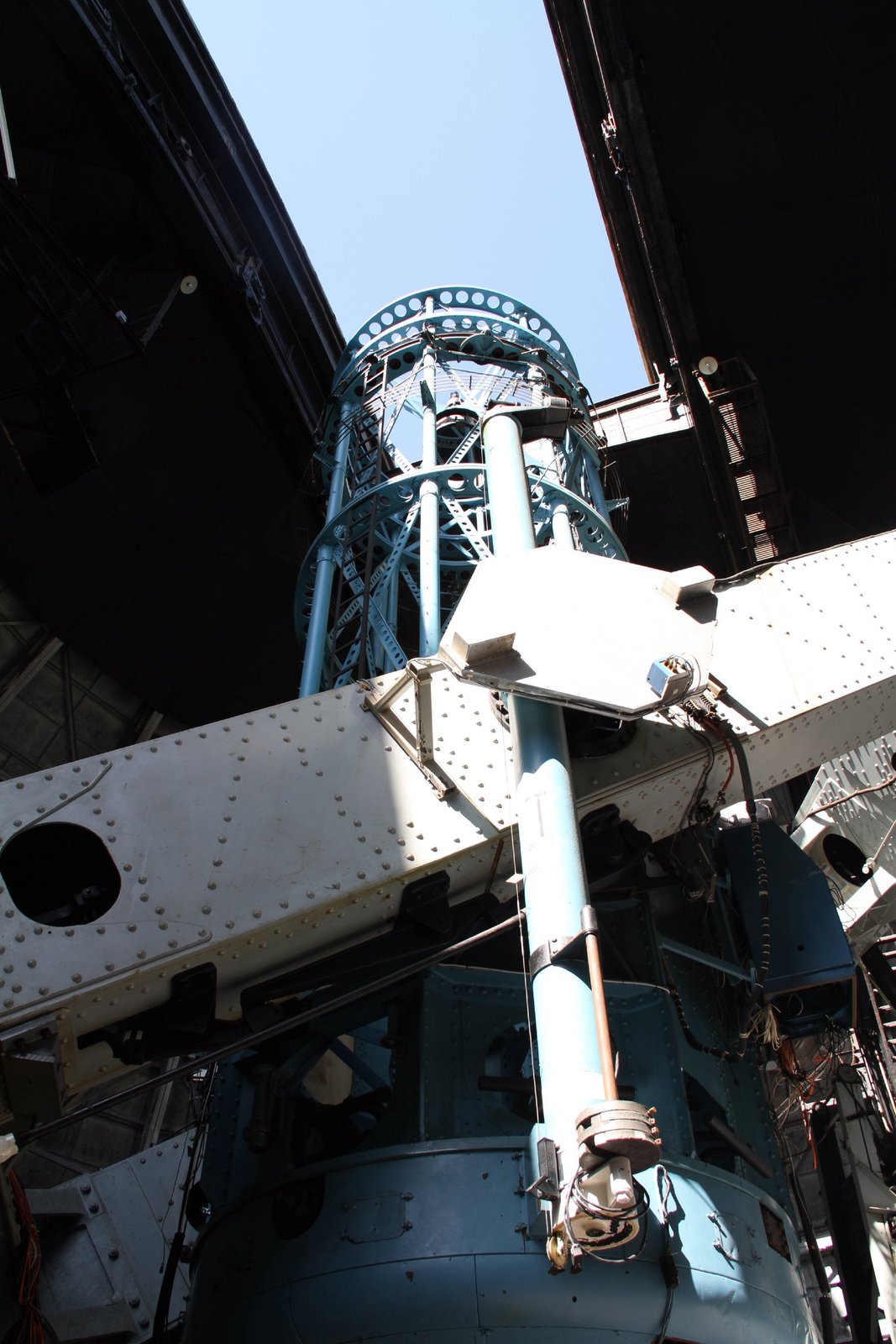
Hooker 101inch Telescope, Mt. Wilson, CA as seen on the 'What Happened Before The Beginning?' episode of Through The Wormhole.
Bild: © Copyright: Discovery Communications, Inc. For Show Promotion Only
Warum lügen wir?
Bild: © Discovery Channel
Ist Armut genetisch bedingt?
Mikrobiologe Tracy Mincer erforscht das Verhalten von Einzellern.
Bild: © ZDF und Discovery Communications
Warum sind wir hier?
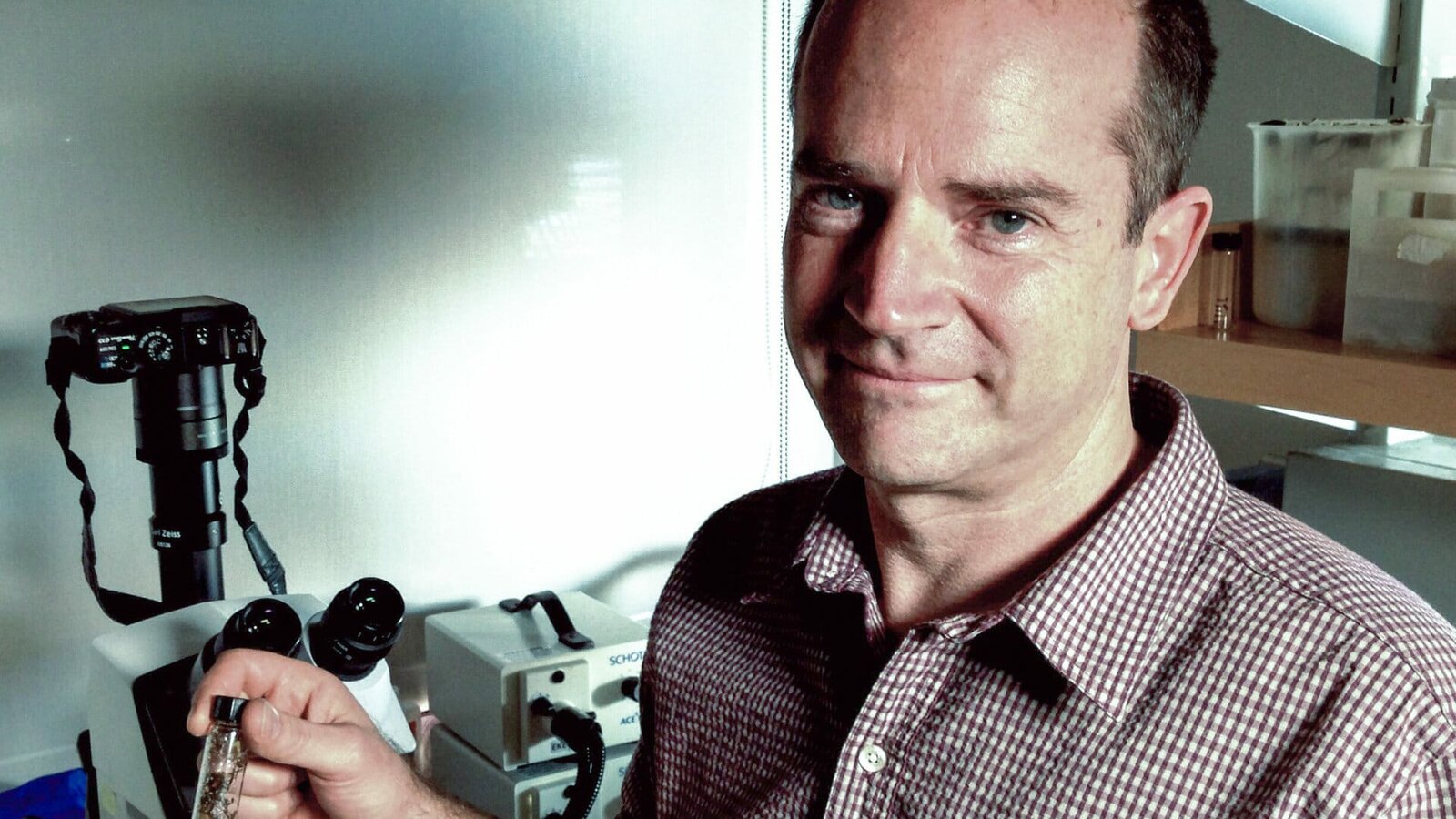
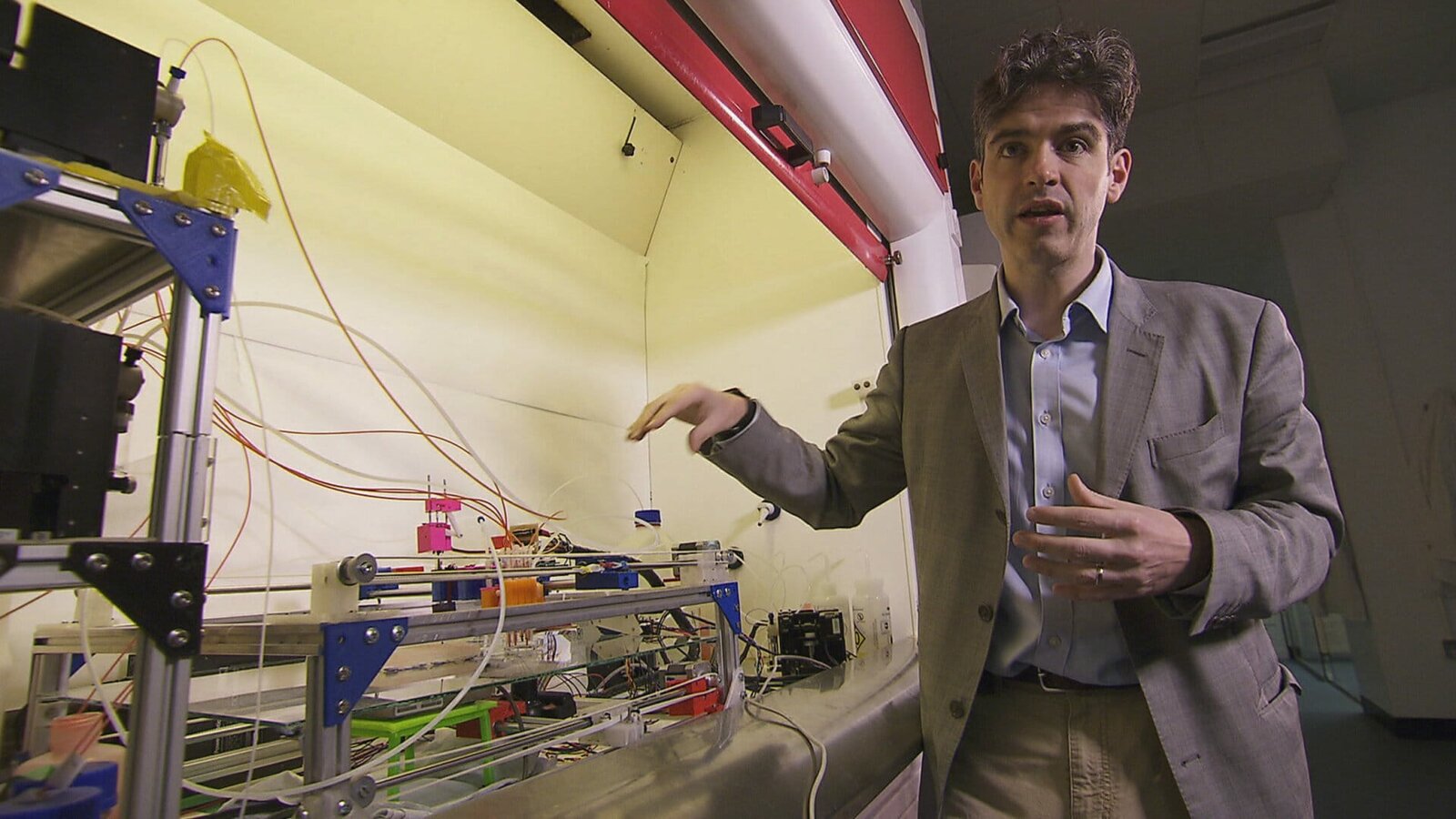
Biochemiker Lee Cronin von der University of Glasgow mit seiner selbstkreierten Maschine, die Millionen von Jahren chemische Evolution innerhalb weniger Wochen simuliert.
Bild: © ZDF und Tony Lund/Tony Lund
Sind Roboter unsere Zukunft?
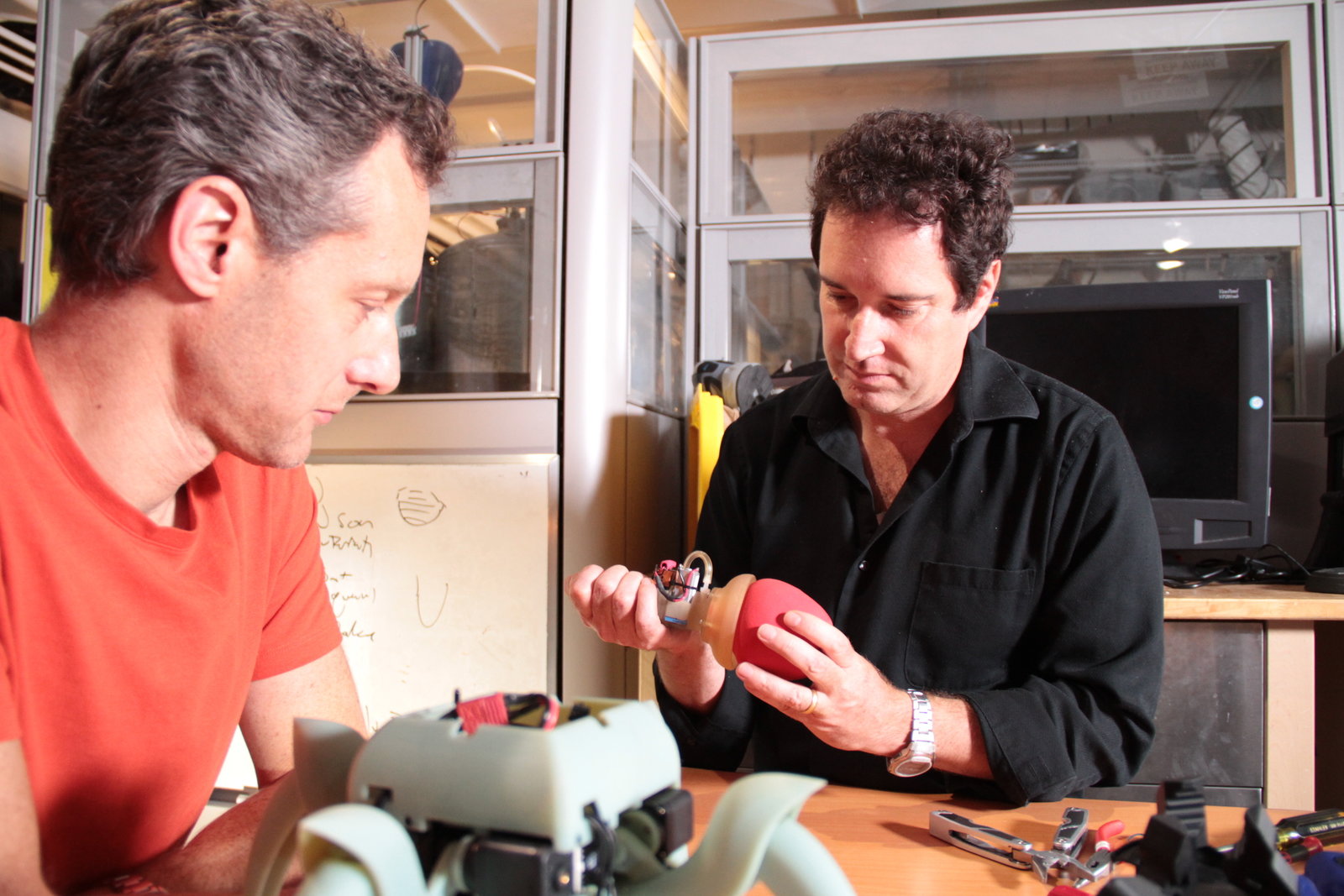
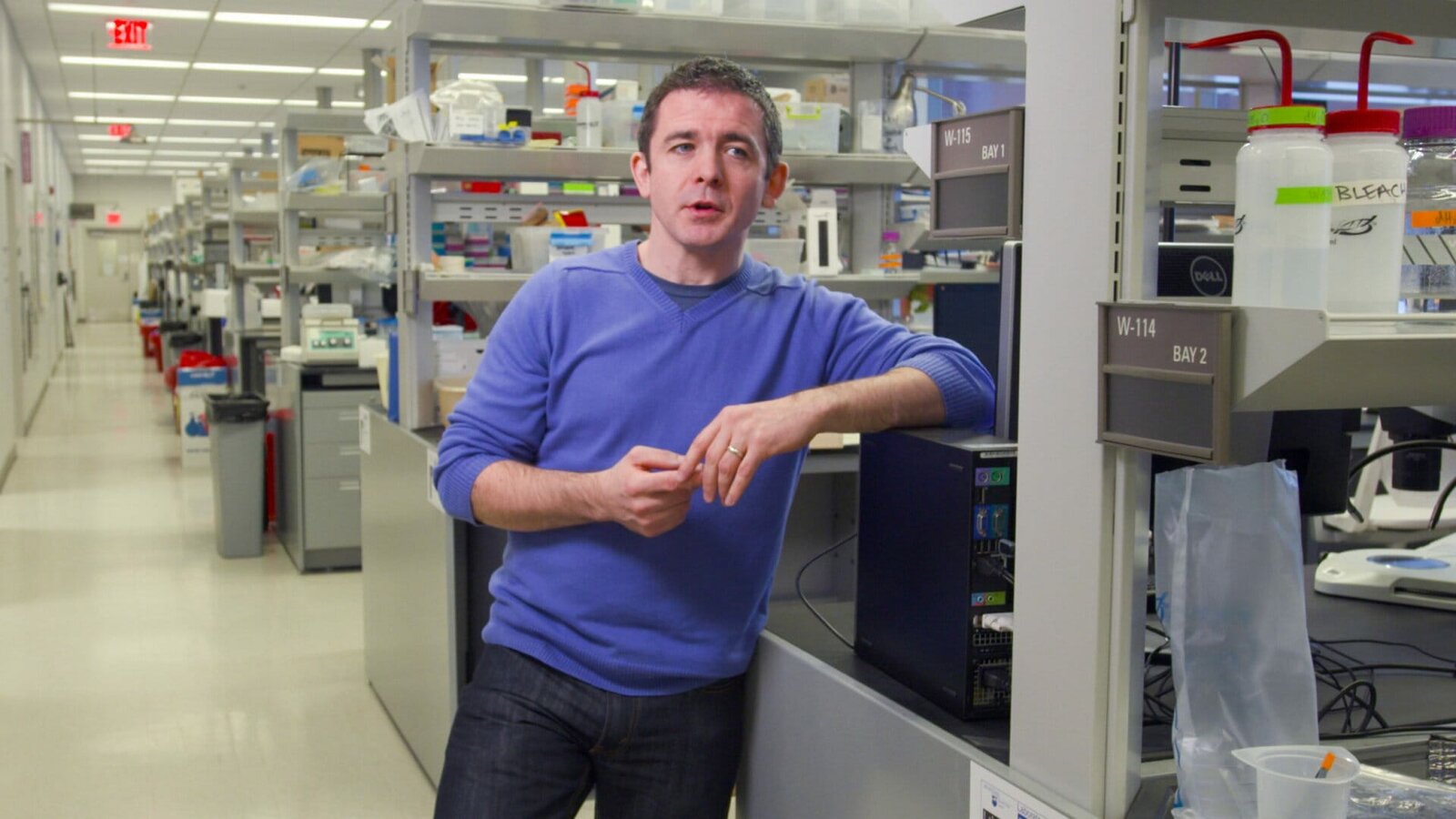
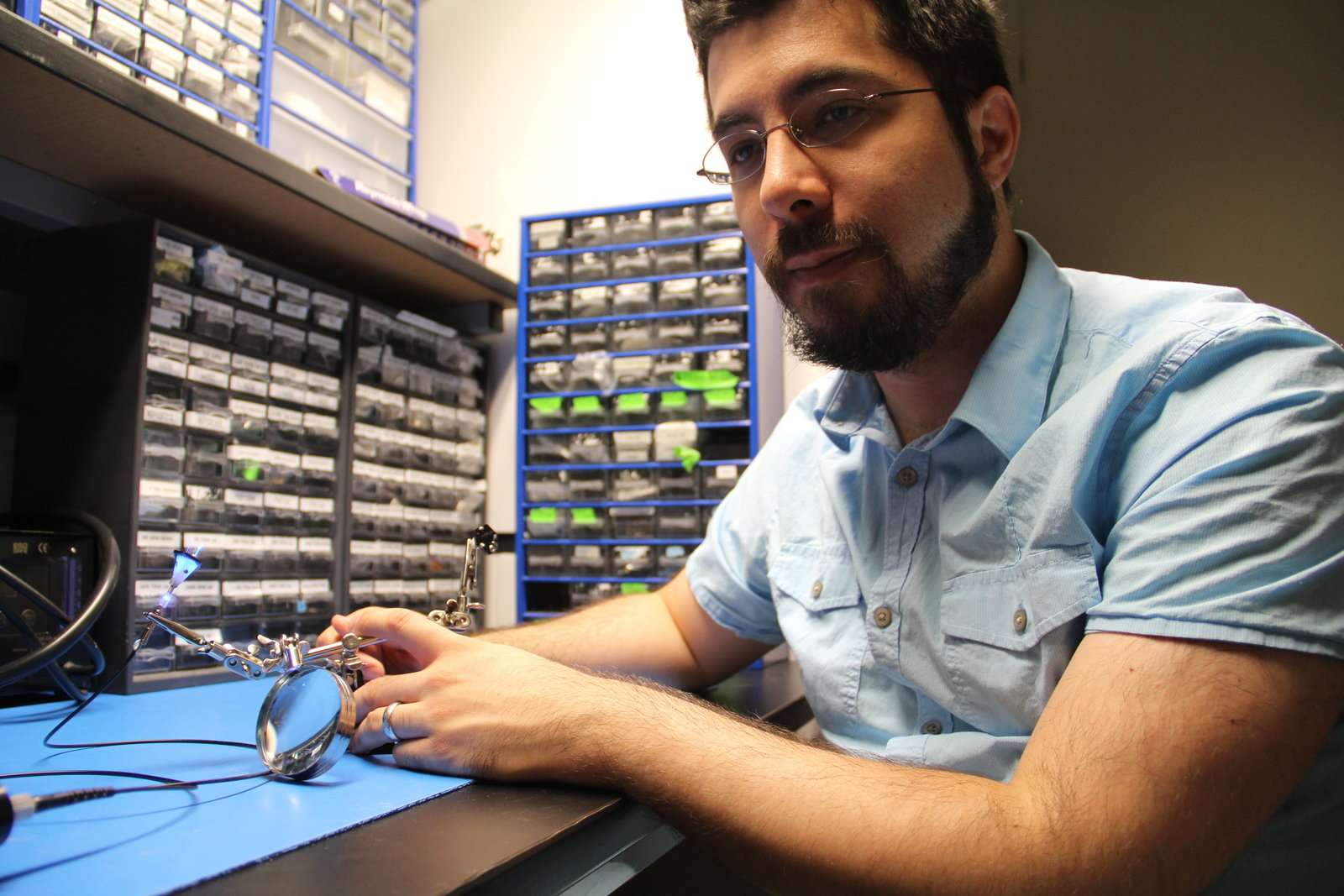
Josh Bongard und Hod Lipson zeigen den Greifarm eines Roboters im Cornell Creative Machines Labor.
Bild: © ZDF und Discovery Communications
Das ewige Leben
Bild: © PLURIMEDIA (Discovery Science)
Glauben Außerirdische an Gott?
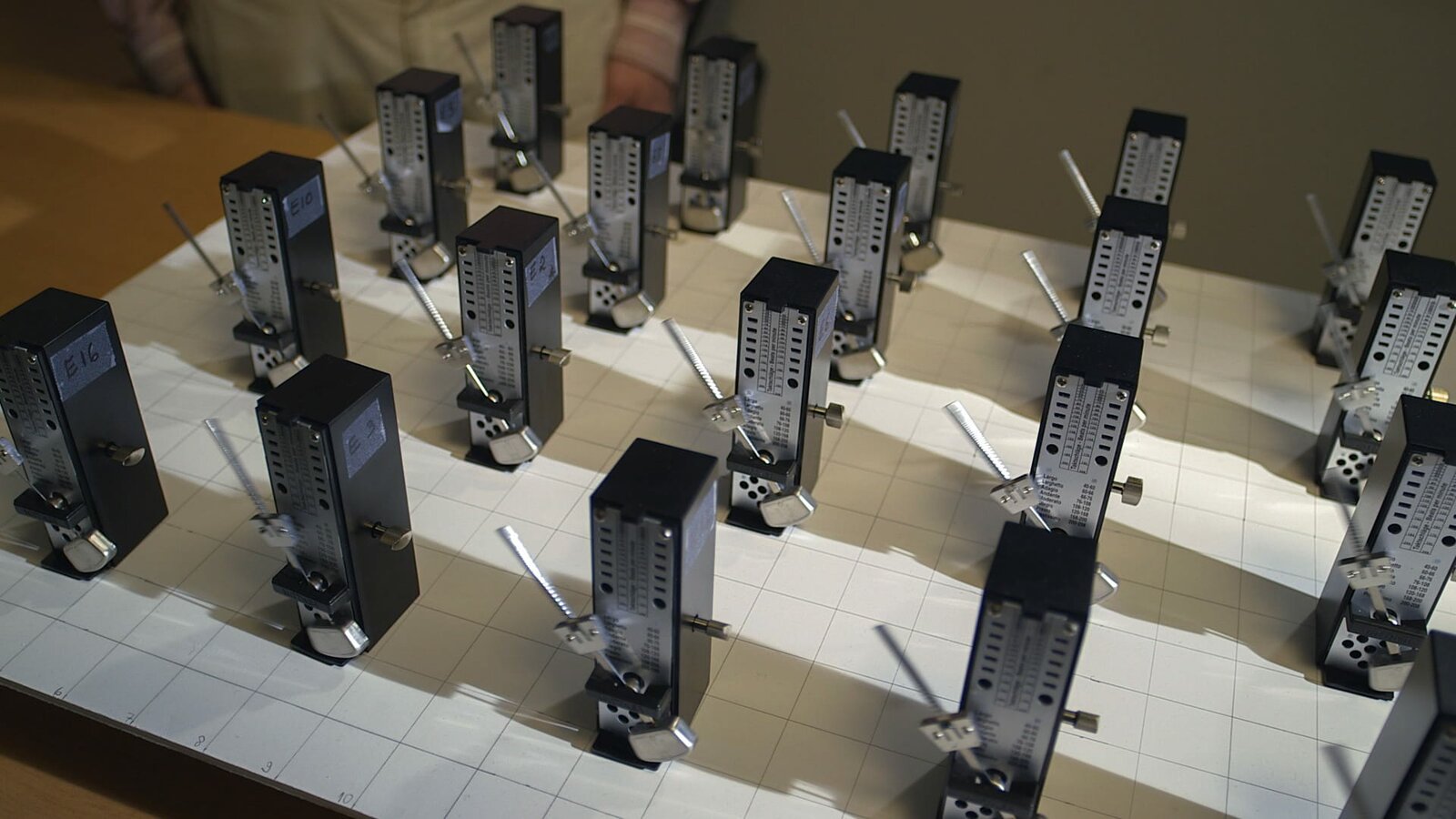
Metronome sollen religiöse Phänomene illustrieren.
Bild: © ZDF und Discovery Communications./Discovery Communications
Ist Armut genetisch bedingt?
Bild: © ZDF und Discovery Communications
Was ist Realität?
Jan Westerhoff, der Profesor von Filozofie an der Universität in Durham
Bild: © ZDF und Discovery Communications
Müssen wir in Stereotypen denken?
Sozial-Psychologe Darren Schreiber von der University of Exeter führt ein Experiment zur Risikobereitschaft von Liberalen und Konservativen durch.
Bild: © ZDF und Tony Lund
Gibt es ein Leben nach dem Tod?
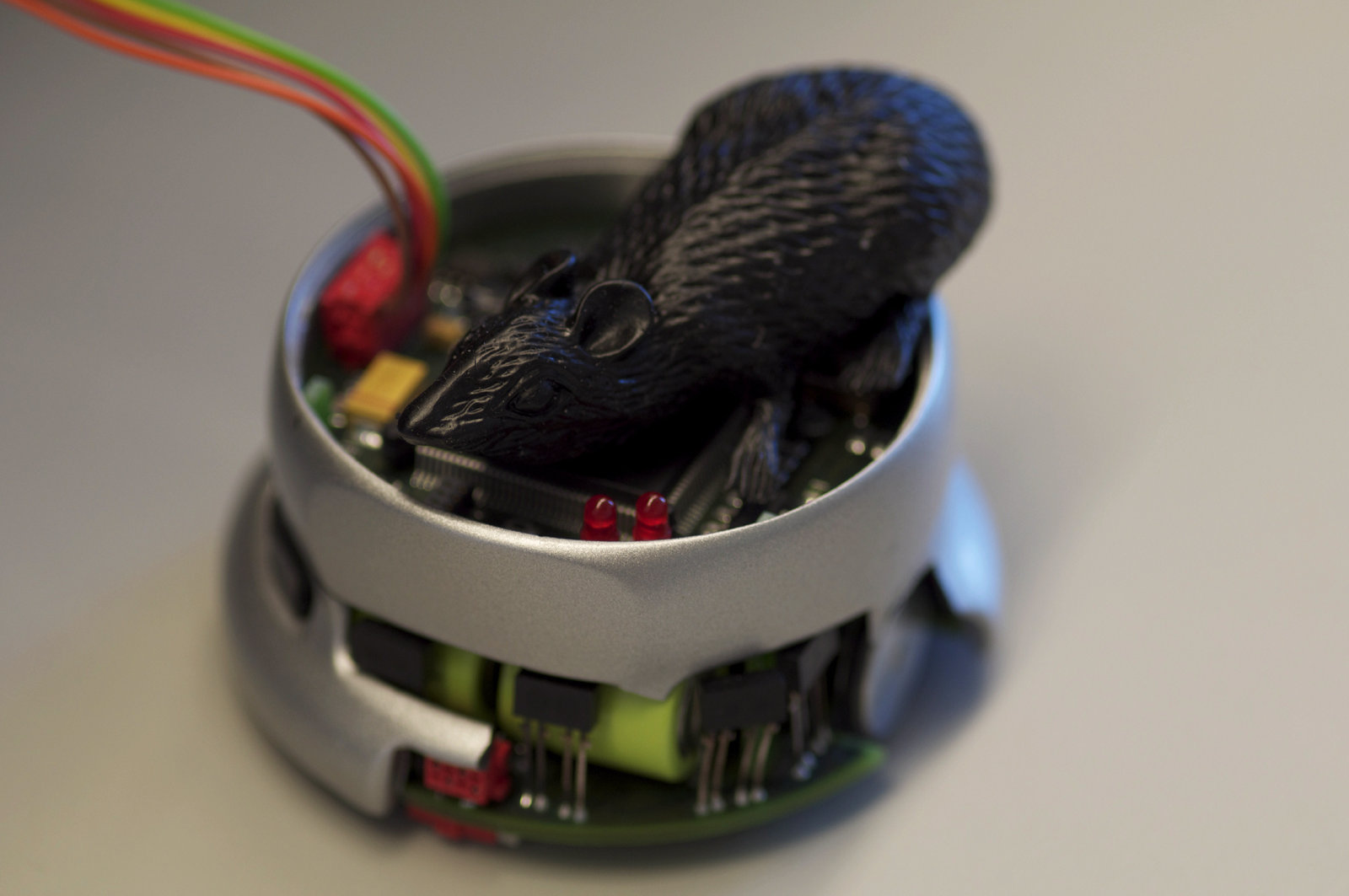
Mouse powered by live neurons hooked through a computer.
Bild: © Copyright: Discovery Communications, Inc. EMEA/UK Editorial Use - Discovery Networks Picture Publicity. This picture may be used solely for Discovery Networks programme publicity purposes. May be repr
Kommt der große Zombieangriff?
Biologieprofessor David Hughes.
Bild: © ZDF und Discovery Communications
Ist Gehirnspionage möglich?
Ed Boyden, vom Institut für Gehirnforschung, in seinem Labor am MIT.
Bild: © ZDF und Discovery Communications
Gibt es ein Leben nach dem Tod?
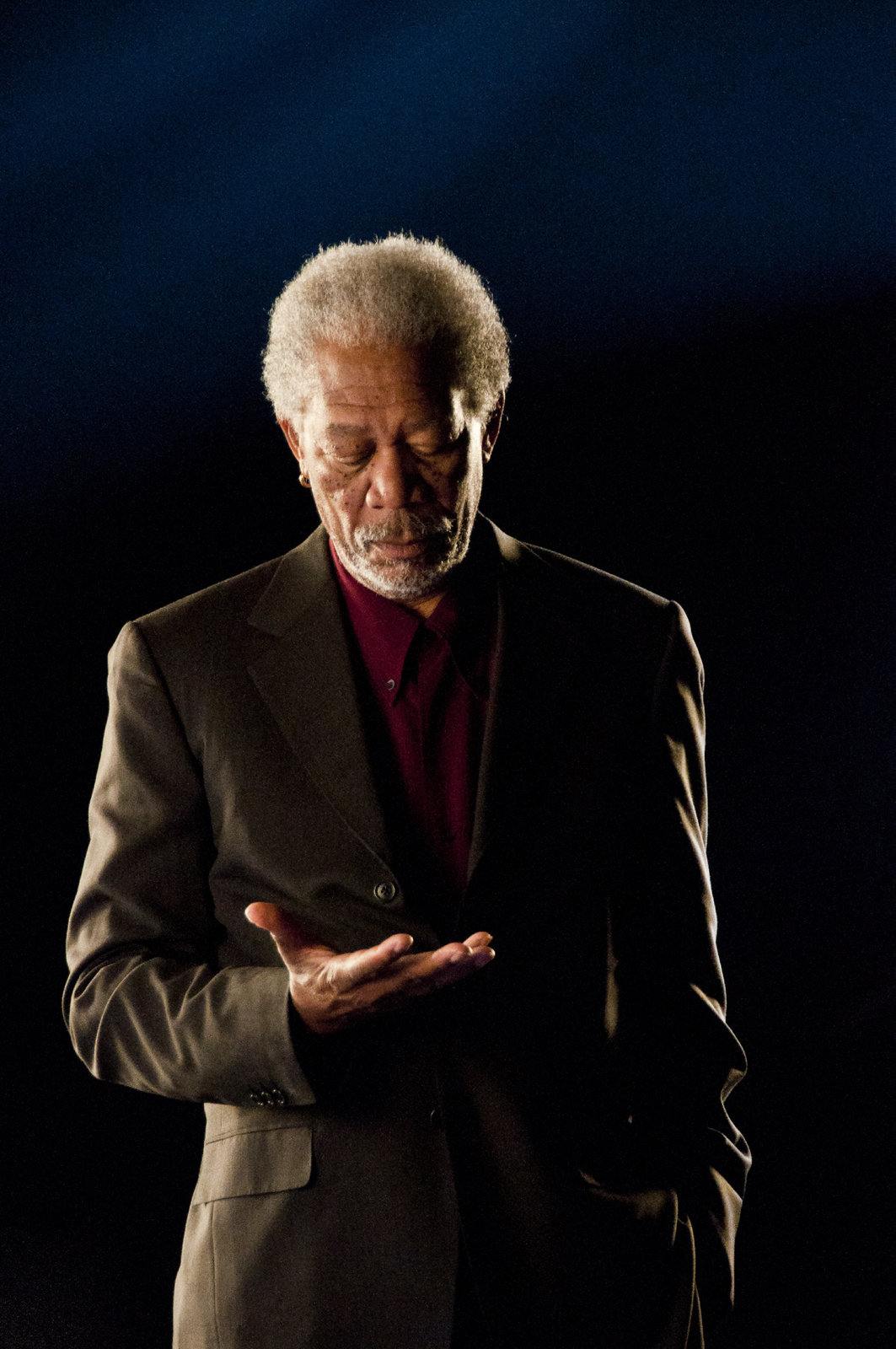
Actor and host Morgan Freeman
Bild: © Discovery Communications, Inc. EMEA/UK Editorial Use Only
Sind wir alle Aliens?
Alejandro Jenkins, Professor at the University of Costa Rica's School of Physics, thinks our universe could be just one slice in a multi-layered extra dimensional space. Just like a single playing card in a deck.
Bild: © ZDF und Savas Georgalis/Savas Georgalis
Sind Zeitreisen möglich?
Inside the LHC at CERN in Geneva as seen on the 'Is Time Travel Possible?' episode of Through The Wormhole.
Bild: © Copyright: Discovery Communications, Inc. For Show Promotion Only
Glauben Außerirdische an Gott?
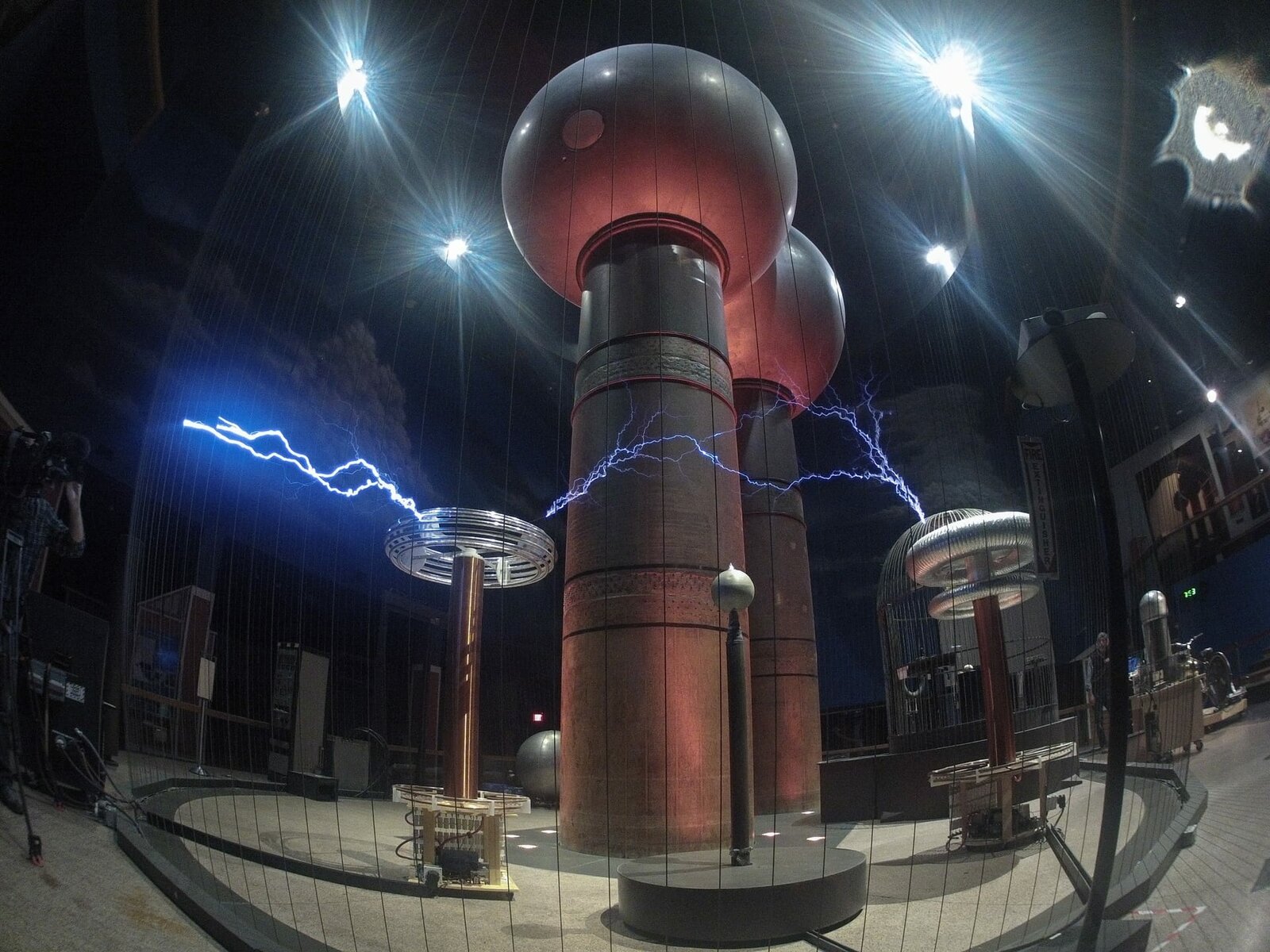
Eine Tesla-Spule
Bild: © ZDF und Discovery Communications./Discovery Communications
Was ist Zeit?
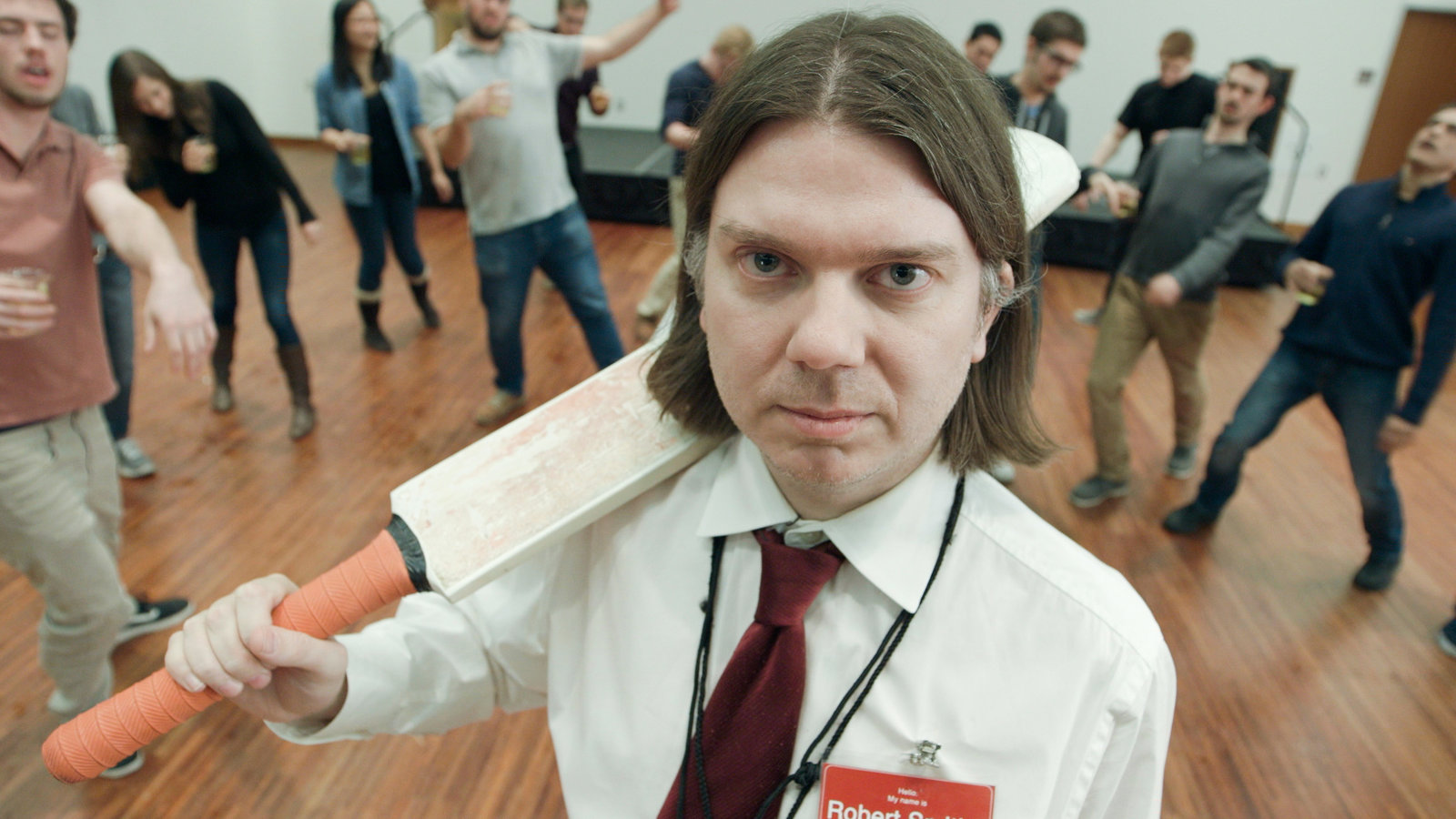
Roger Smith, watchmaker at Roger Smith Watches.
Bild: © Copyright: Discovery Communications, Inc. EMEA/UK Editorial Use Only
Warum lügen wir?
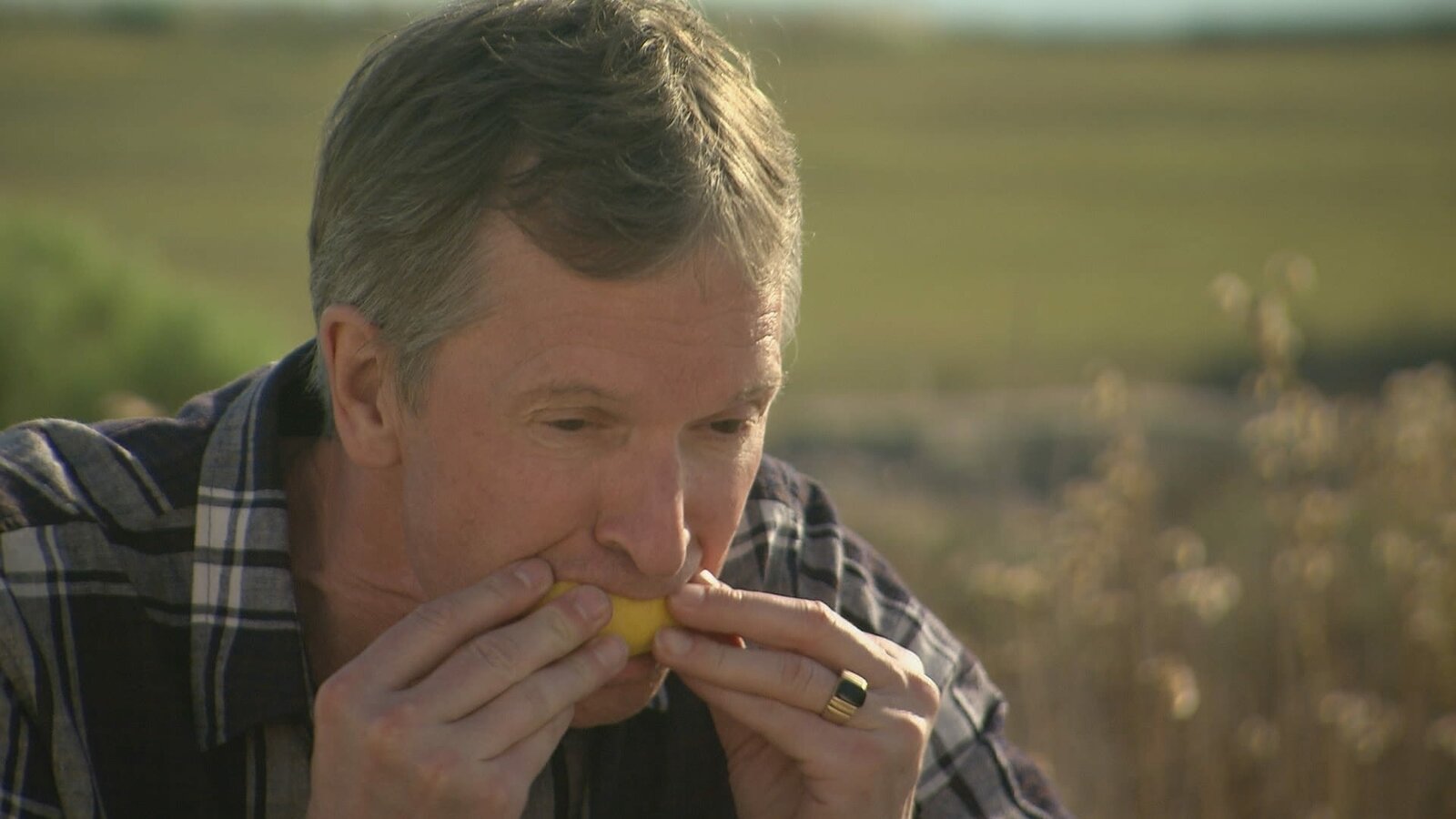
Prof. Donald Hoffman von der University of California beißt in eine Zitrone, hat aber keinen sauren, sondern einen süßen Geschmack im Mund. Das liegt daran, dass er vorher eine Wunderbeere gegessen hat, die das Geschmacksempfinden verändert.
Bild: © Discovery Channel
Wann begann die Zeit?
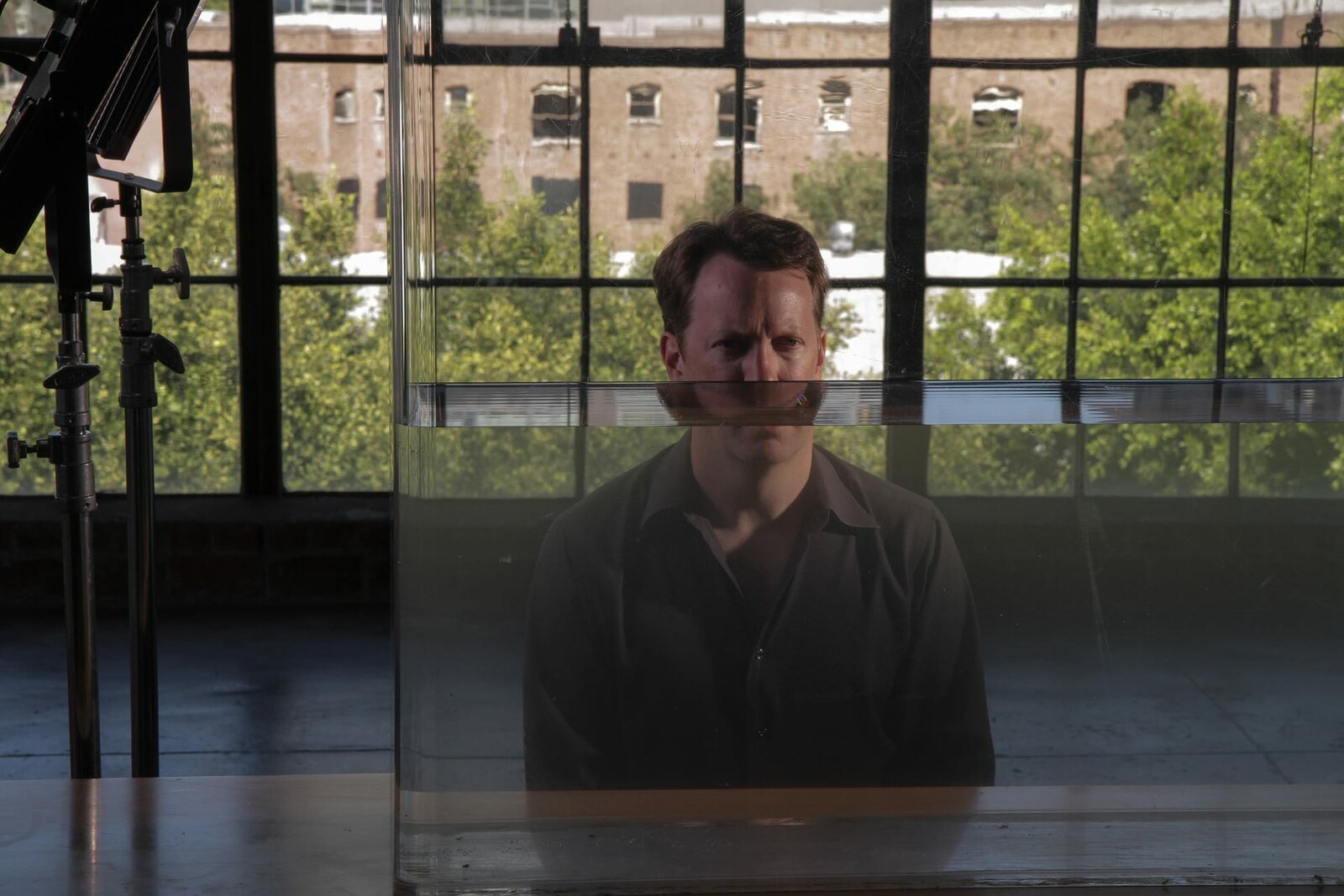
Kosmologe Sean Carroll, California Institute of Technology (Caltech).
Bild: © ZDF und David LaMattina/David LaMattina
Was ist Zeit?
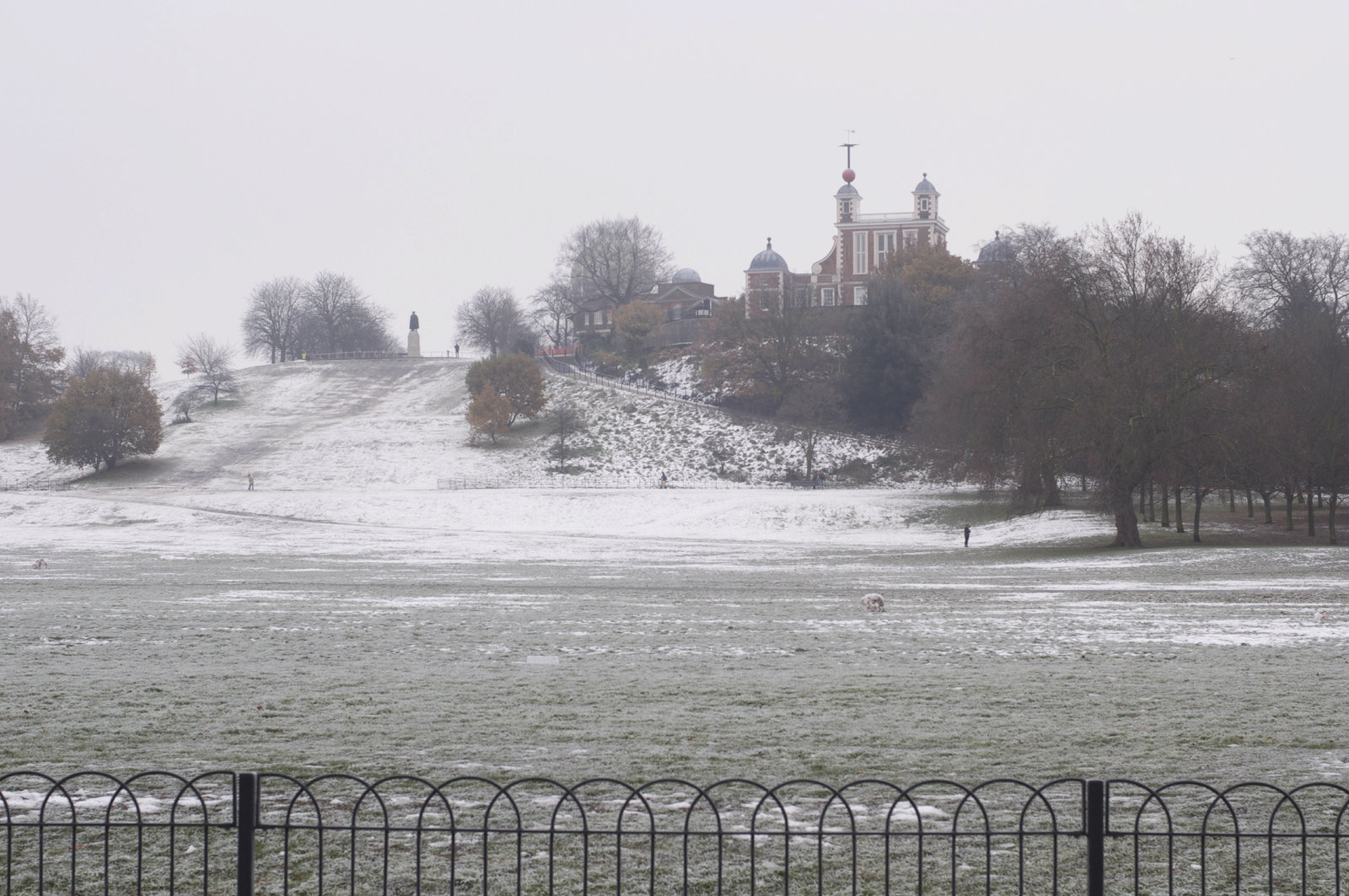
Greenwich Royal Observatory, Greenwich England.
Bild: © Copyright: Discovery Communications, Inc. EMEA/UK Editorial Use Only
Unendliches Universum
Laura Mersini-Houghton visits an alien Universe.
Bild: © Copyright: Discovery Communications, Inc. EMEA/UK Editorial Use Only. - Discovery Networks Picture Publicity. This picture may be used solely for Discovery Networks programme publicity purposes. May b
Werden wir allmächtig?
A performer from the Capacitor dance group demonstrates how bio-engineering cells works.
Bild: © ZDF und Discovery Communications./Discovery Communications
Sind wir allein?
Bill Borucki, Space Scientist and Principal Investigator, Kepler Mission, NASA AMES, Mountain View, CA as seen on the 'Are We Alone?' episode of Through The Wormhole.
Bild: © Copyright: Discovery Communications, Inc. For Show Promotion Only
Das ewige Leben
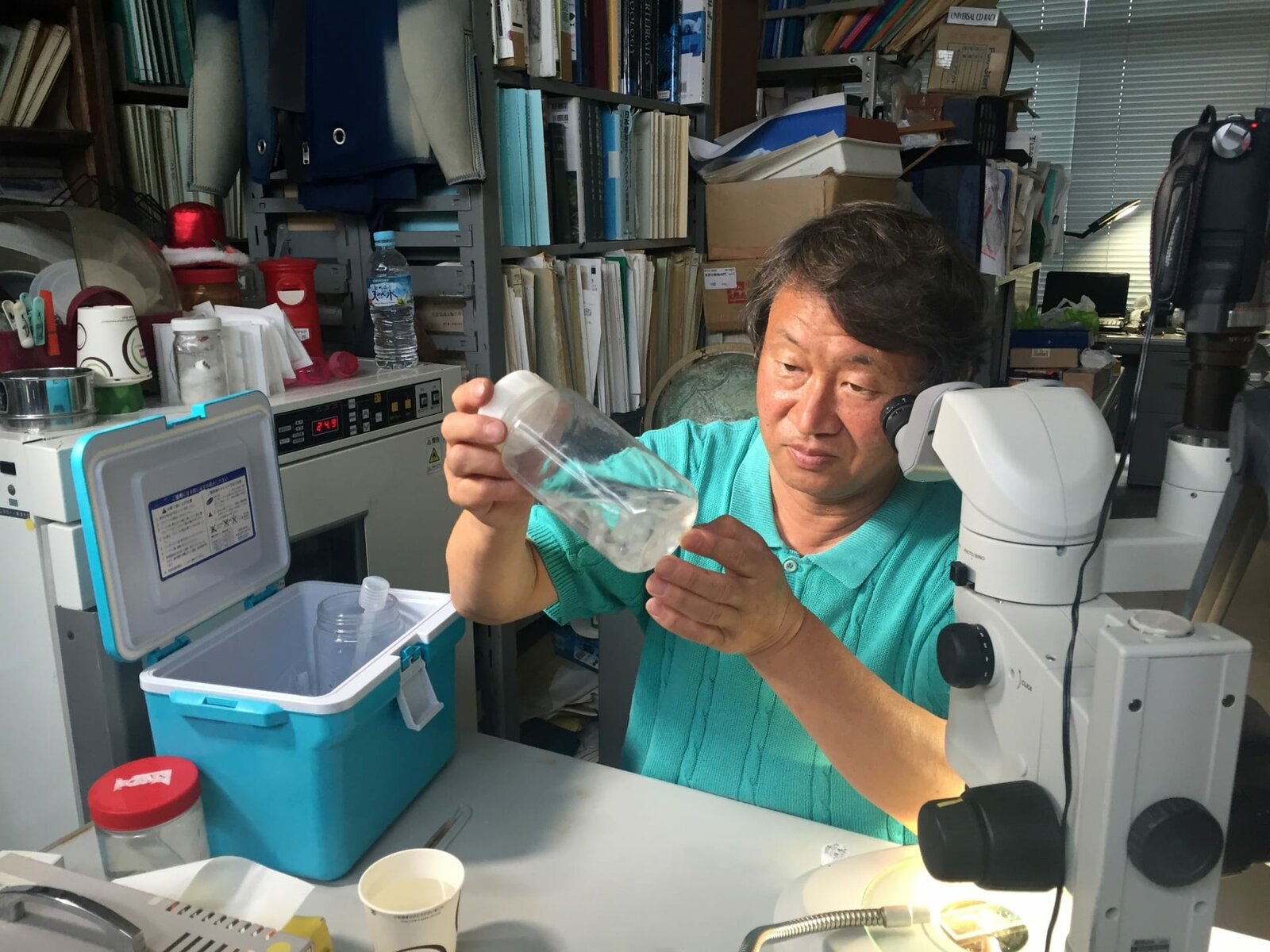
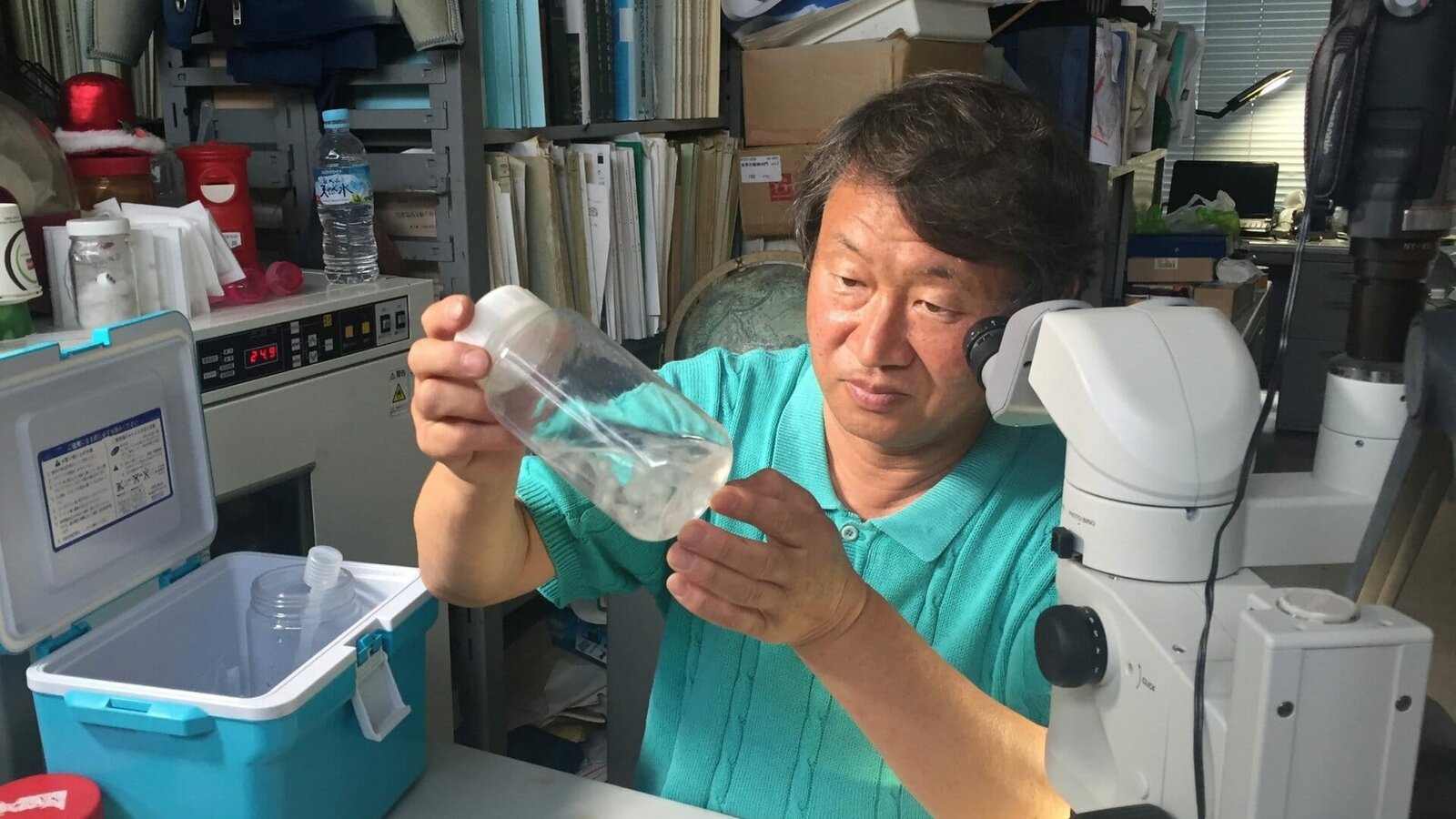
Shin Kubotas Labor in Shirahama ist der einzige Ort auf der Welt, wo unsterbliche Lebewesen gehalten werden: kleine Quallen, die ihren eigenen Tod überleben.
Bild: © ZDF und Tony Lee./Tony Lee
Das Gottesteilchen
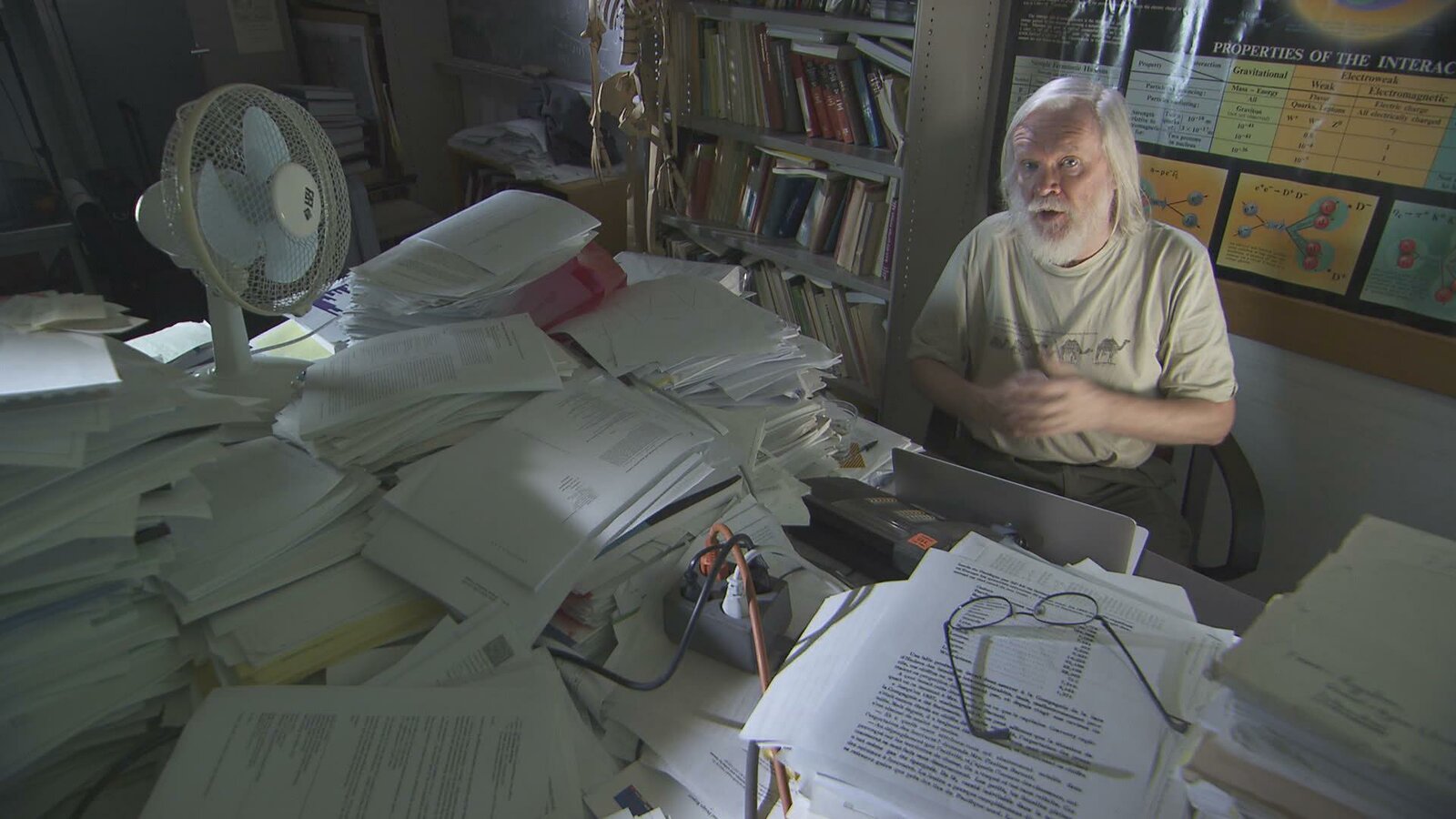
Forscher John Ellis in seinem Büro.
Bild: © Copyright: Discovery Communications, Inc. For Show Promotion Only
Das Spiel mit der Zeit
Luke Butcher, theoretischer Physiker an der University of Bristol, veranschaulicht mit einem Modell Raum und Zeit.
Bild: © ZDF und Savas Georgalis/Savas Georgalis
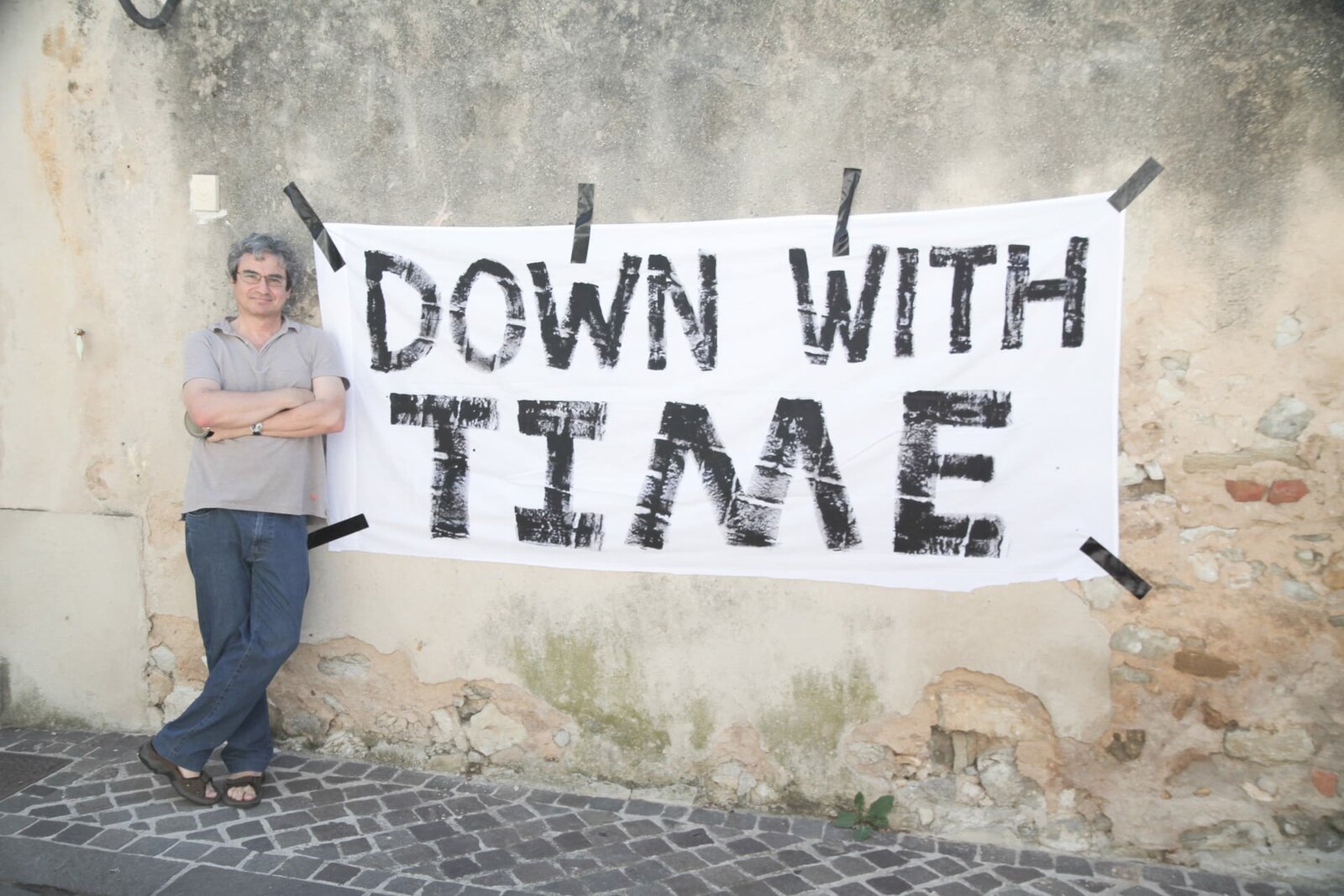
Wann begann die Zeit?
Carlo Rovelli, theoretischer Physiker am Centre de Physique Théorique de Luminy, sagt, Zeit sei eine Illusion, die vom Menschen erschaffen wurde.
Bild: © ZDF und David LaMattina/David LaMattina

 Sind Roboter unsere Zukunft?Allen Telescope Array, Hat Creek Radio Observatory, Hat Creek, California as seen on the 'Are We Alone?' episode of Through The Wormhole.Bild: © Rhys Thomas / The Science Channel / Discovery Communications
 "A Different World": Netflix-Reboot der Kultsitcom startet mit Luft nach oben