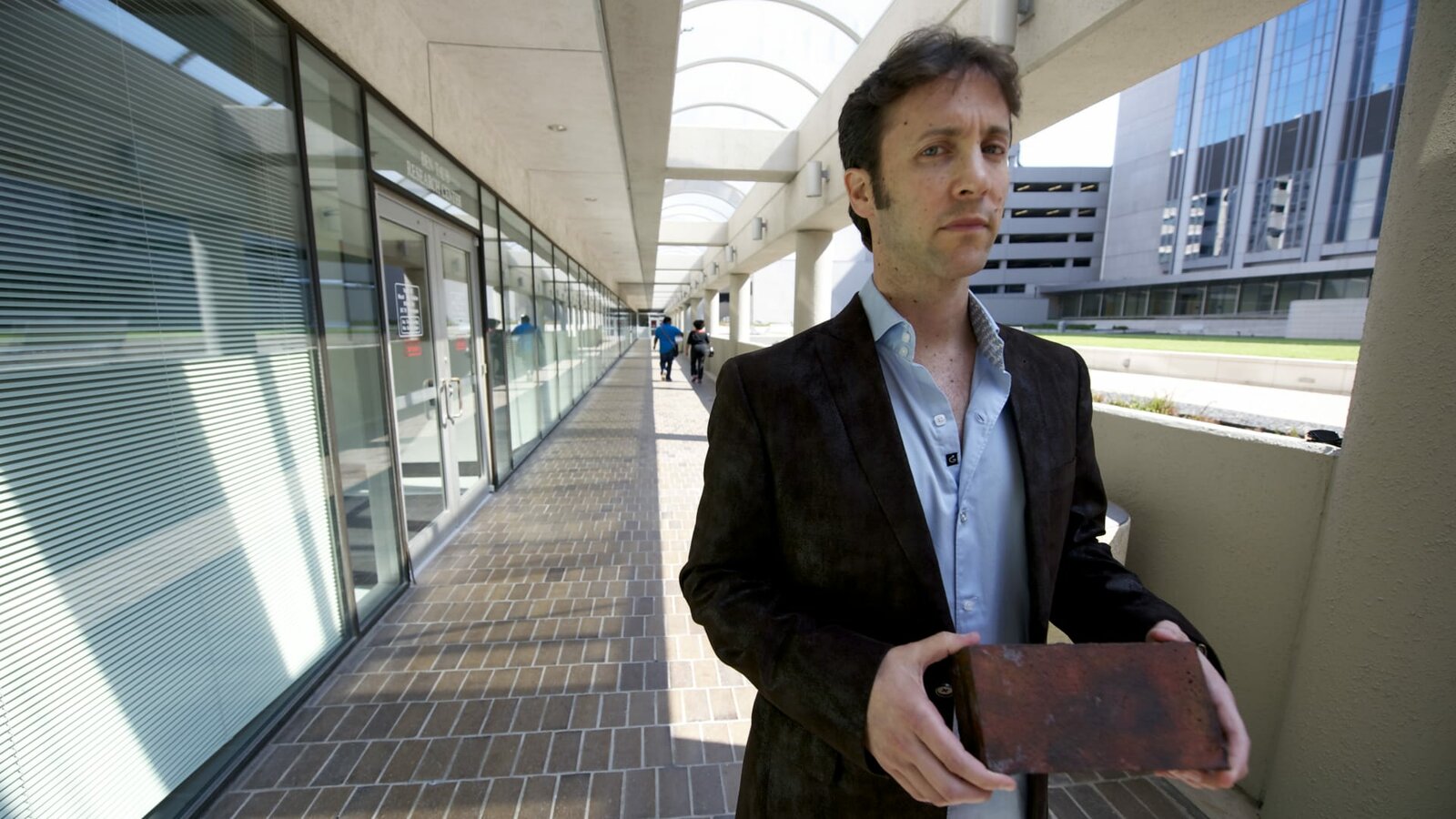
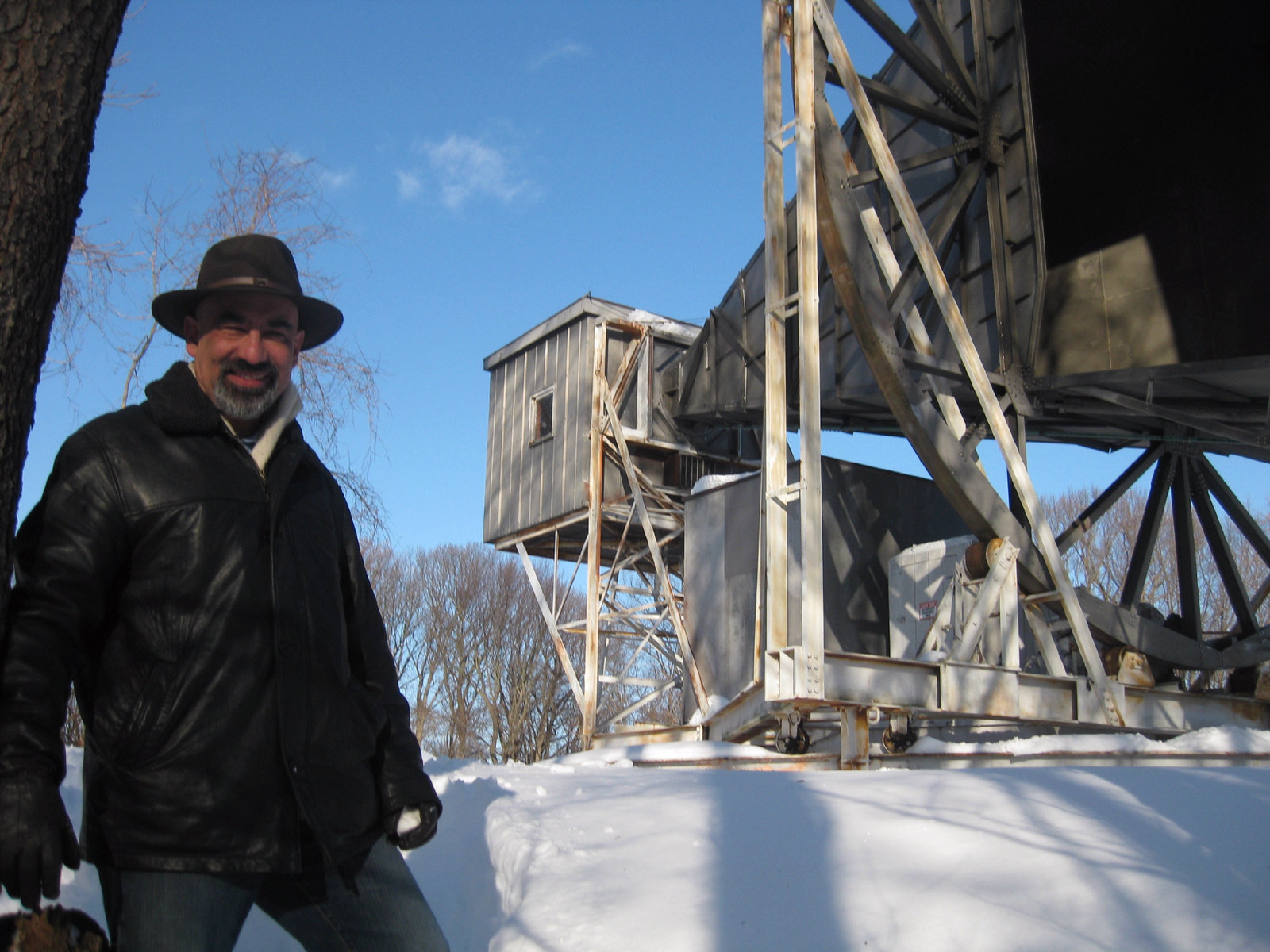
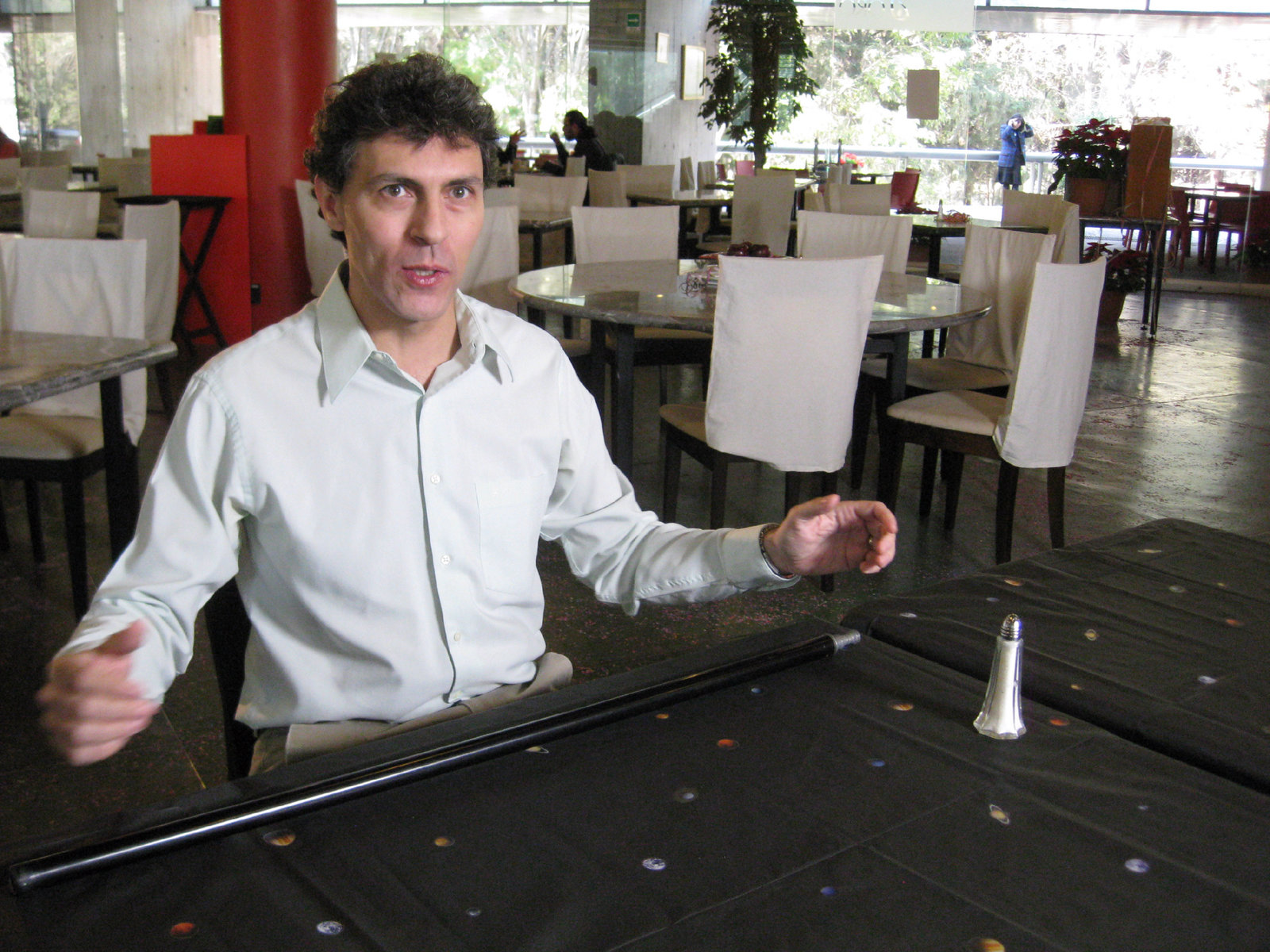
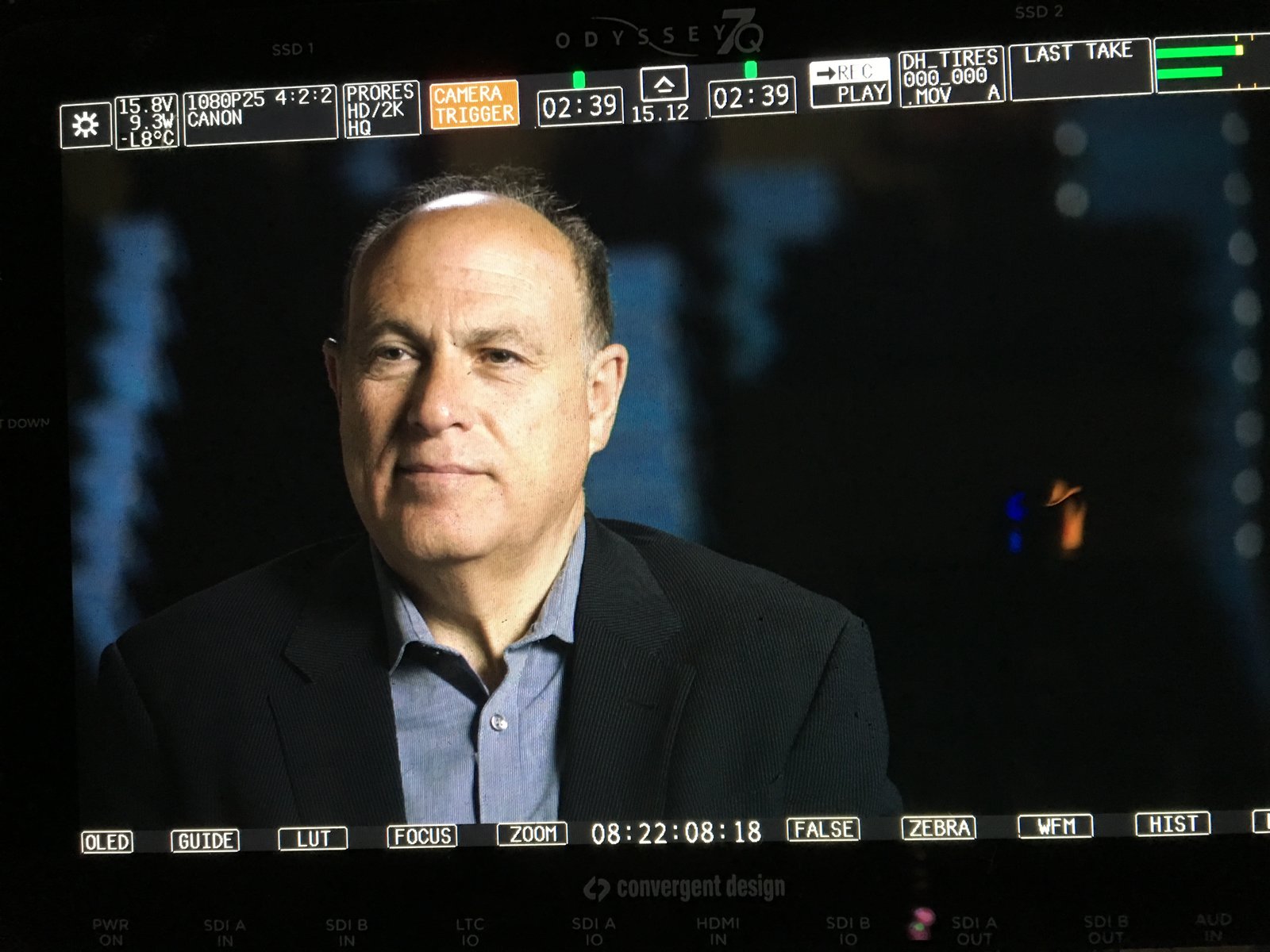
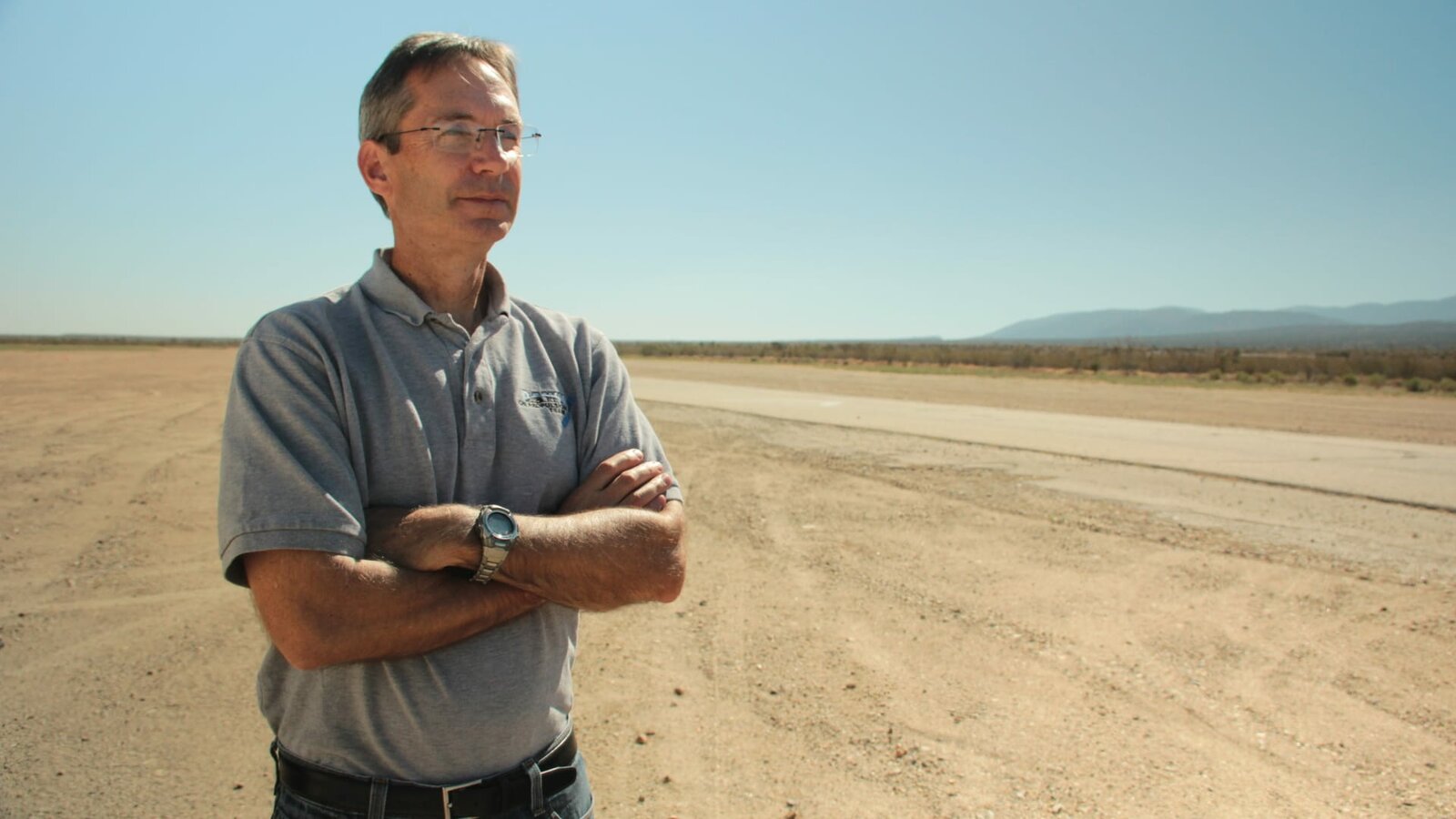
Princeton Prof. David Spergel at the Horn Antenna in Holmdell, New Jersey as seen on the 'What Happened Before The Beginning?' episode of Through The Wormhole.
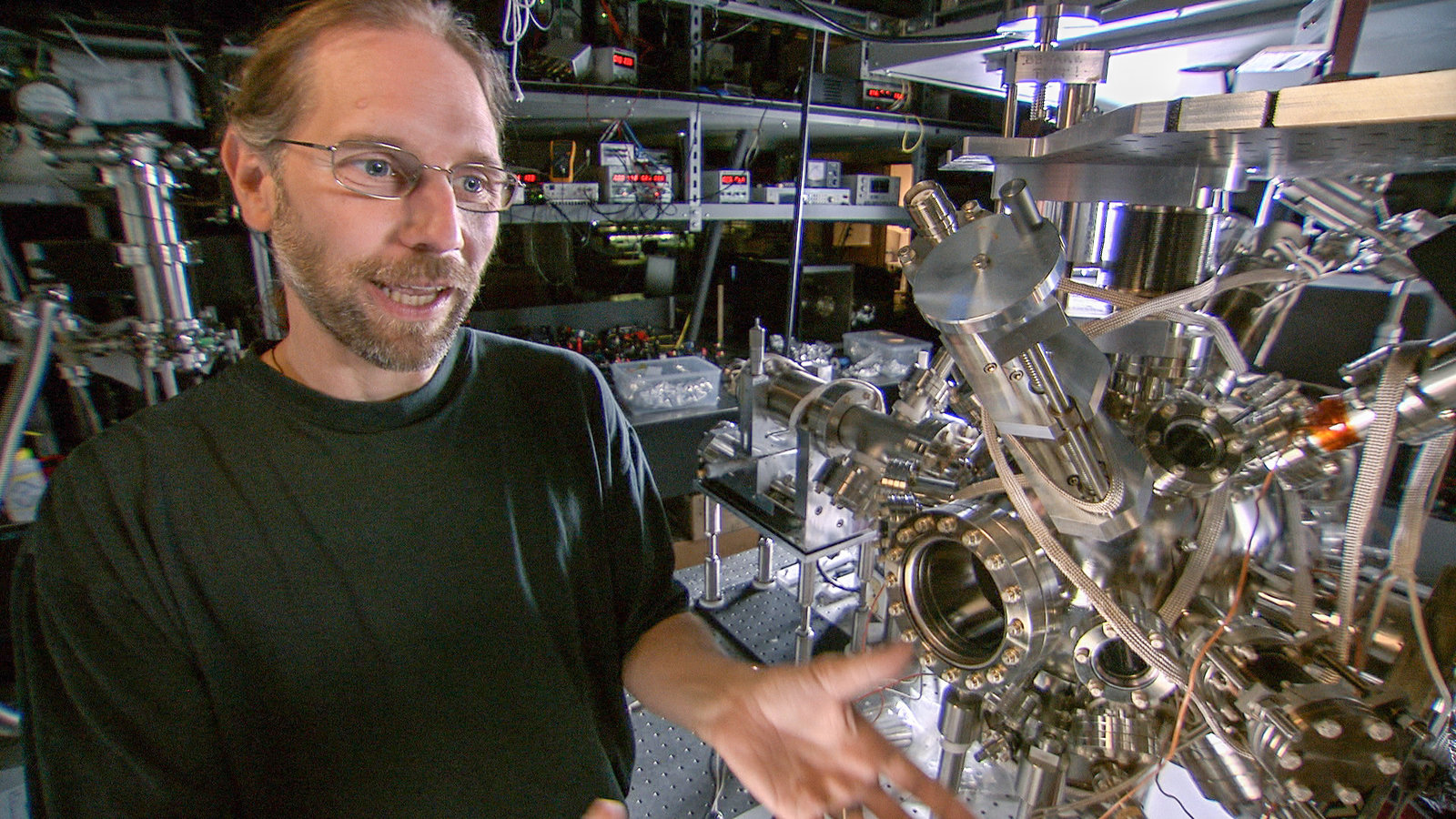
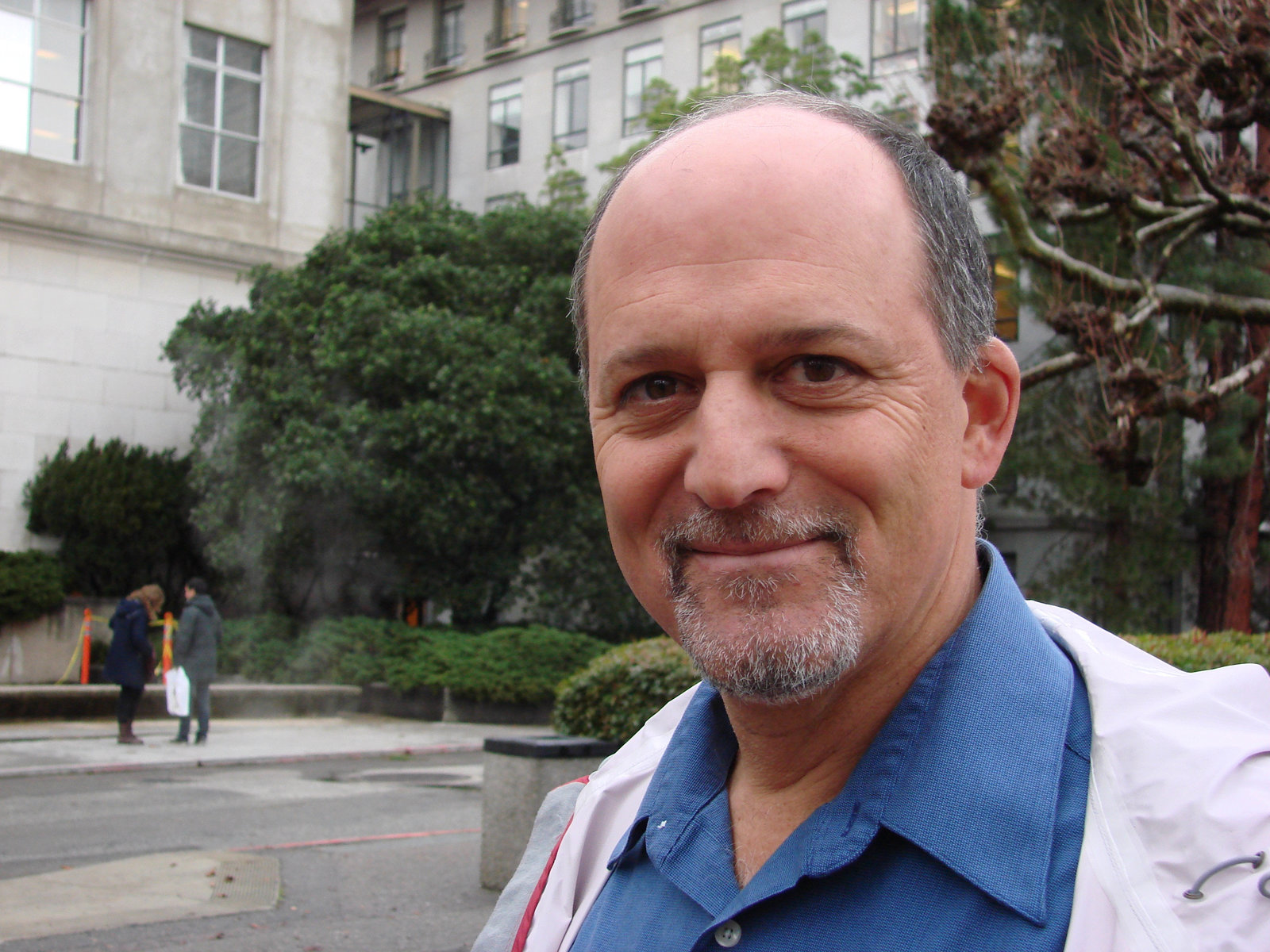
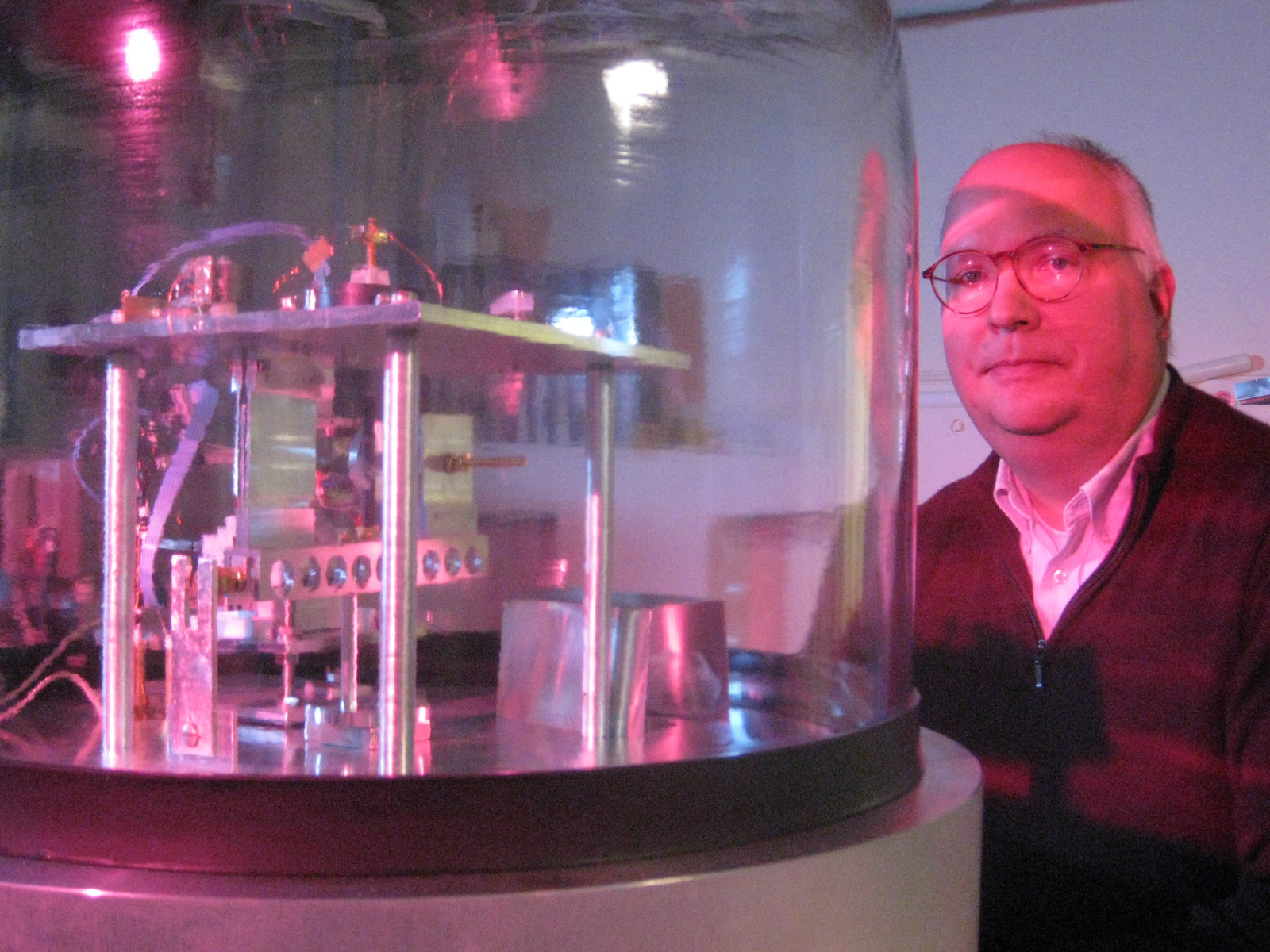
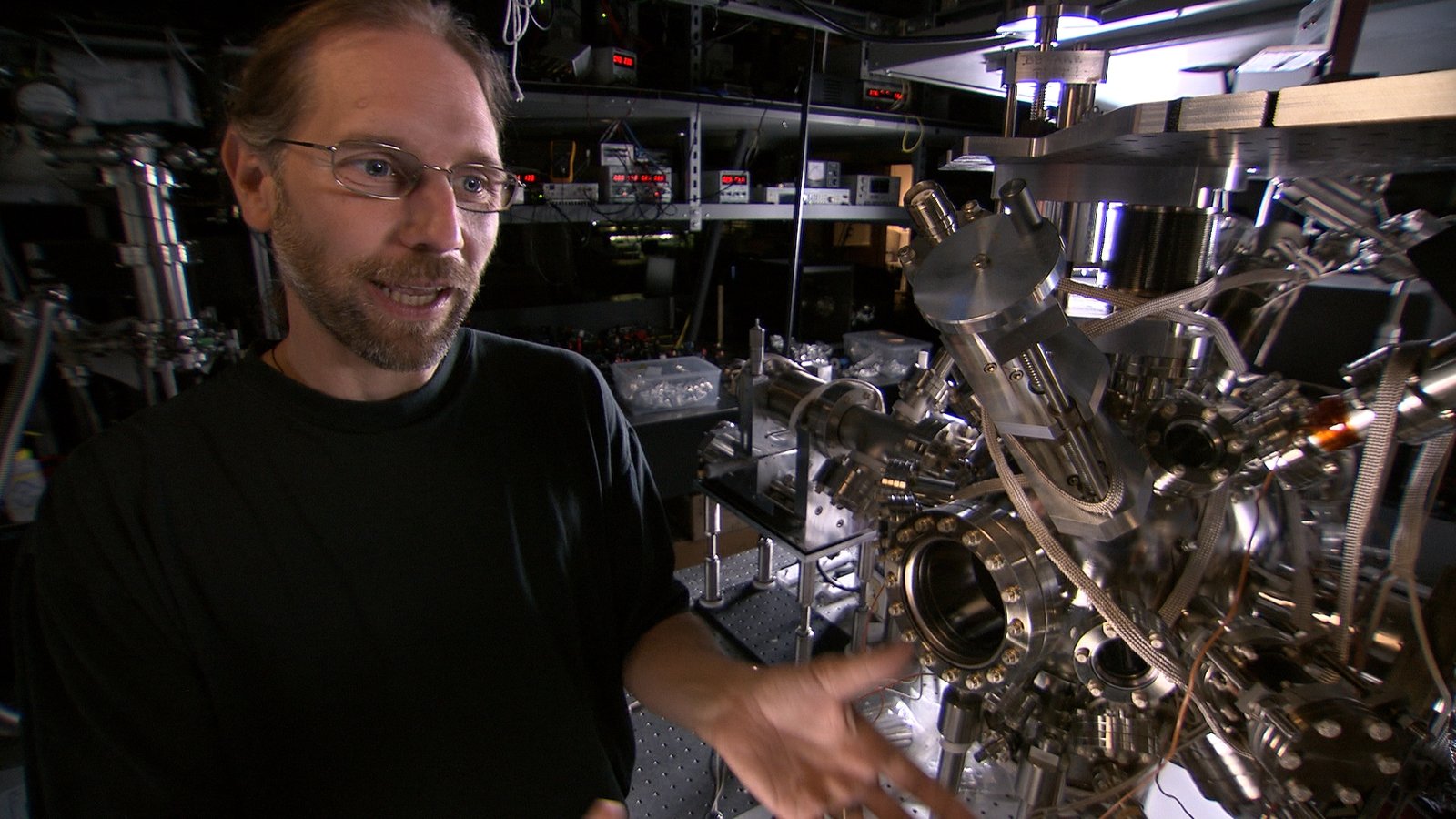
Hartmut Haeffner, University of California, Berkeley physics professor, is cooling atoms almost to absolute zero to test the revolutionary idea that the symmetry of time can be broken.
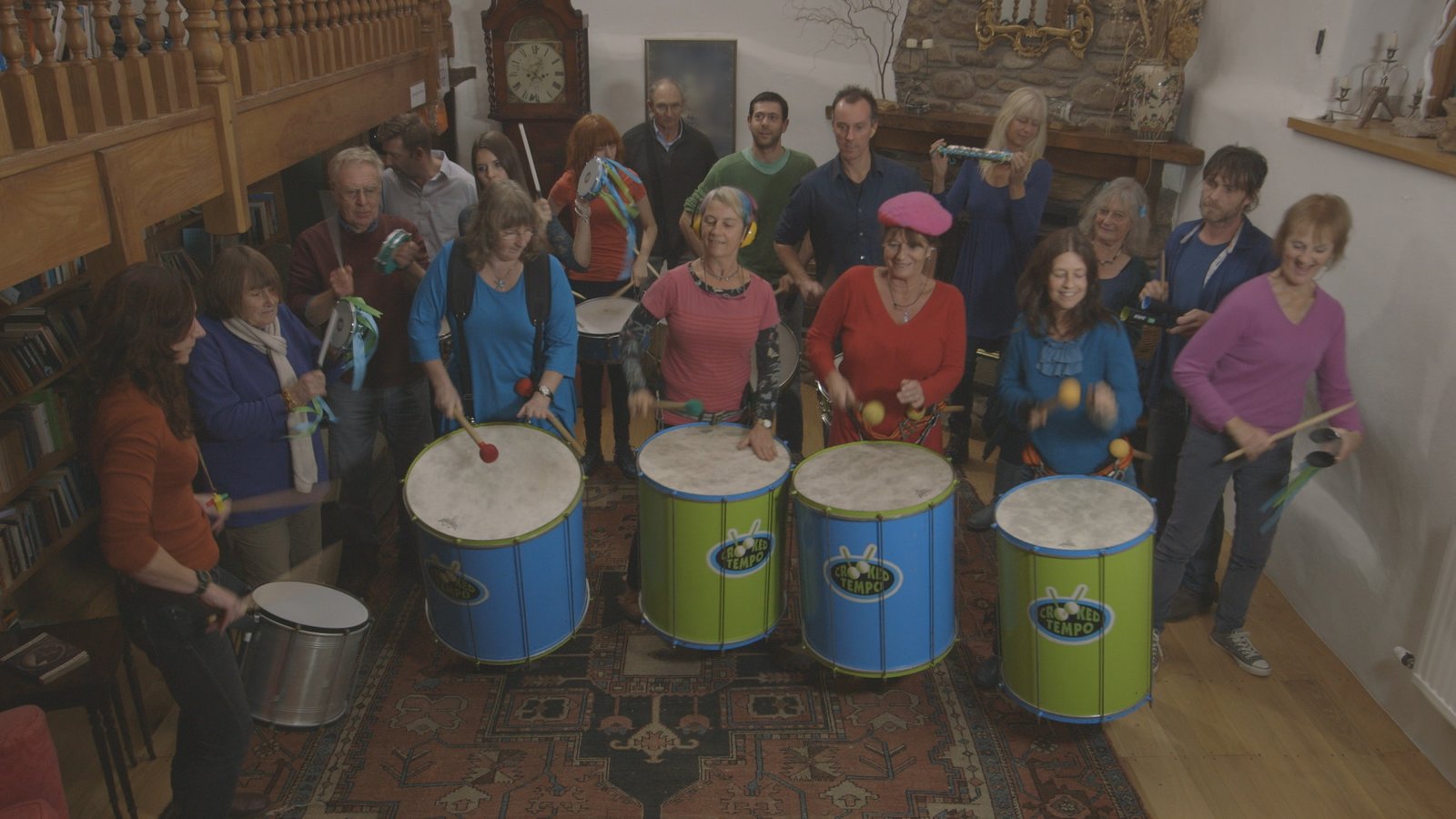
Evolutionary Theorist, Sue Blackmore and her samba band, rehearsing a piece. Sue sees the spread of samba music from South America to the UK as an example of ?memes,? which she defines as the cultural equivalent of genes, whose purpose is to replicate themselves as information that is passed from one person to the next.
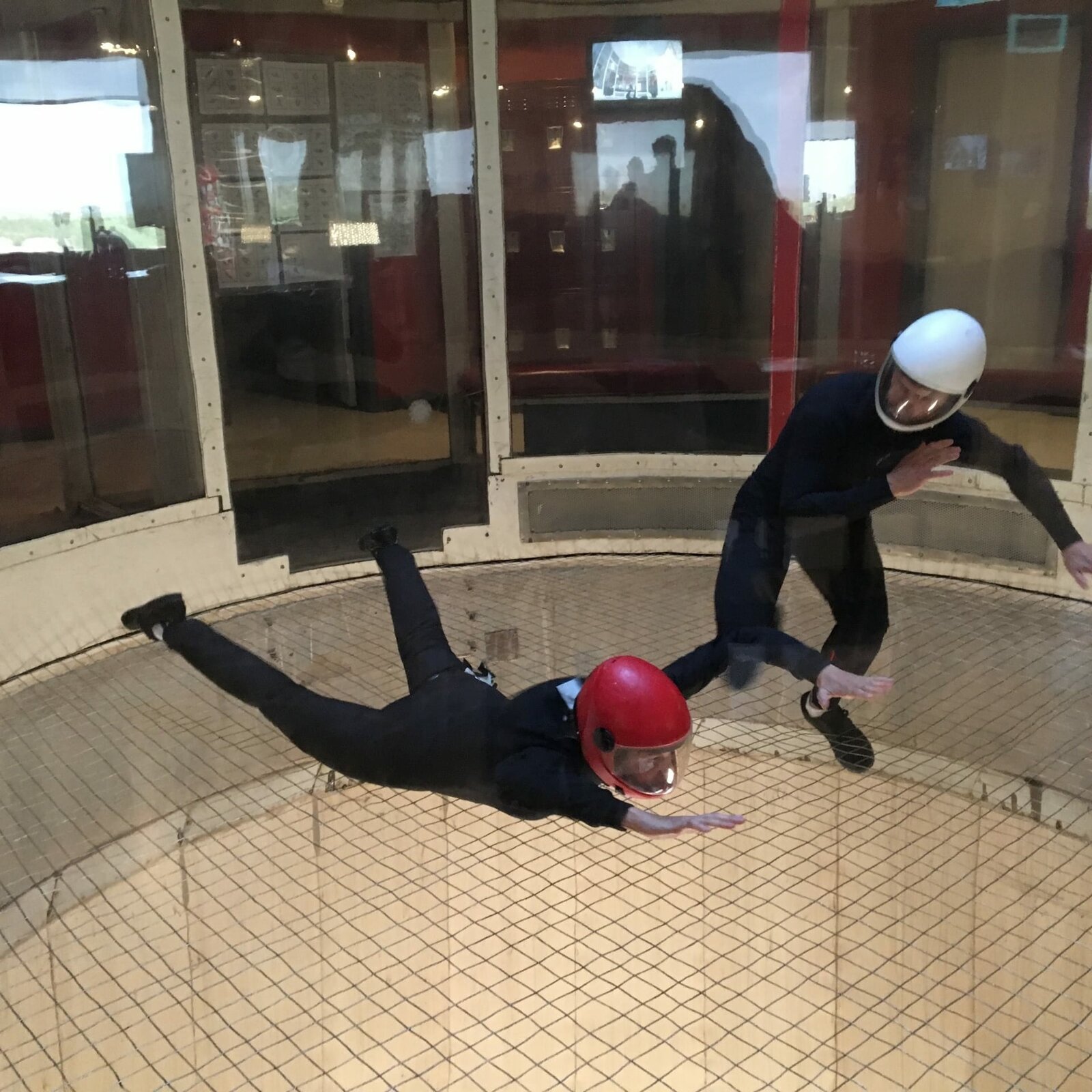
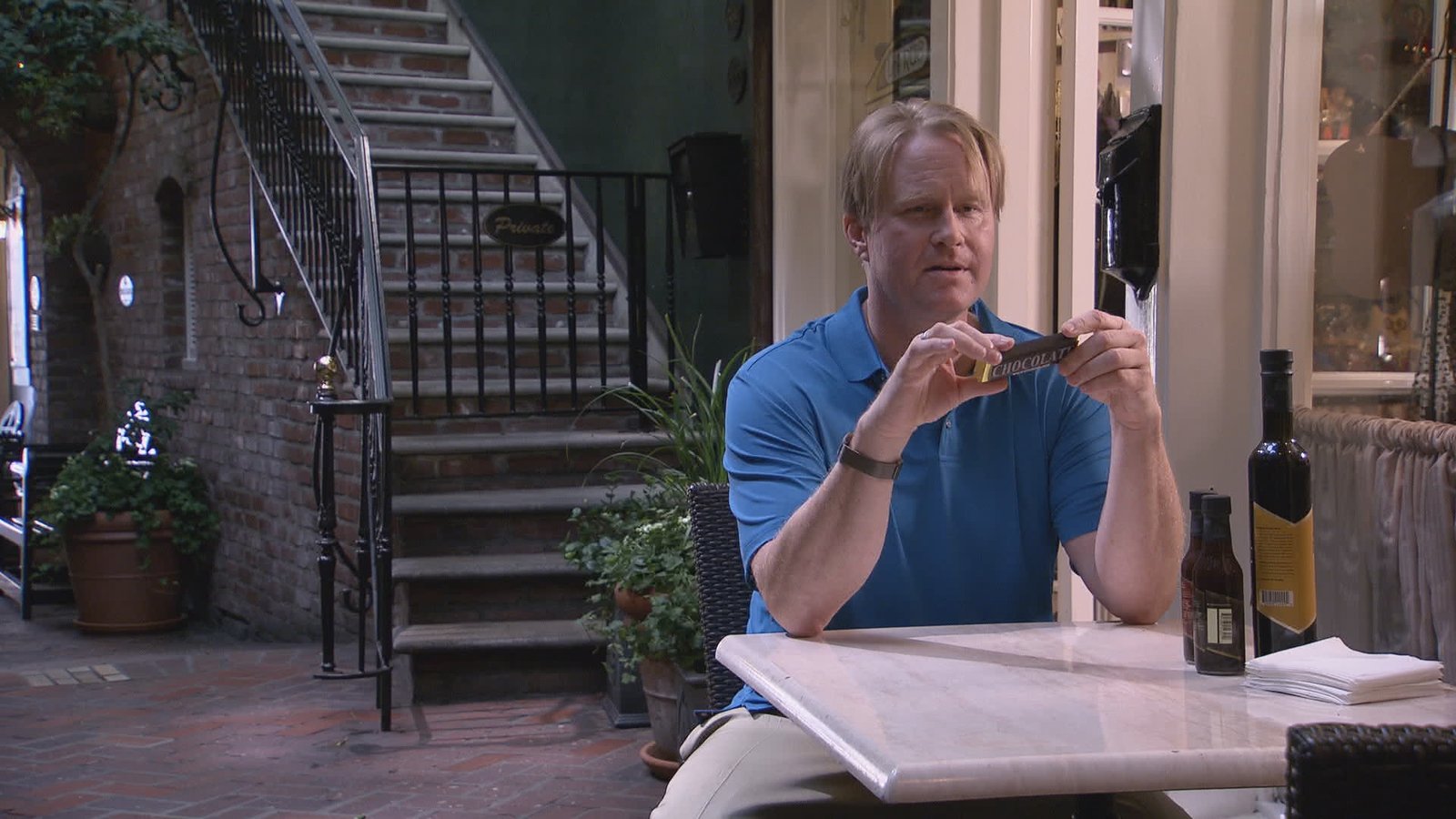
Truth is elusive says Jeff Tollaksen, Director of the Institute of Quantum Studies at Chapman University. He demonstrates how it is possible to separate a property from its matter, like removing the chocolate taste from a bar of chocolate.
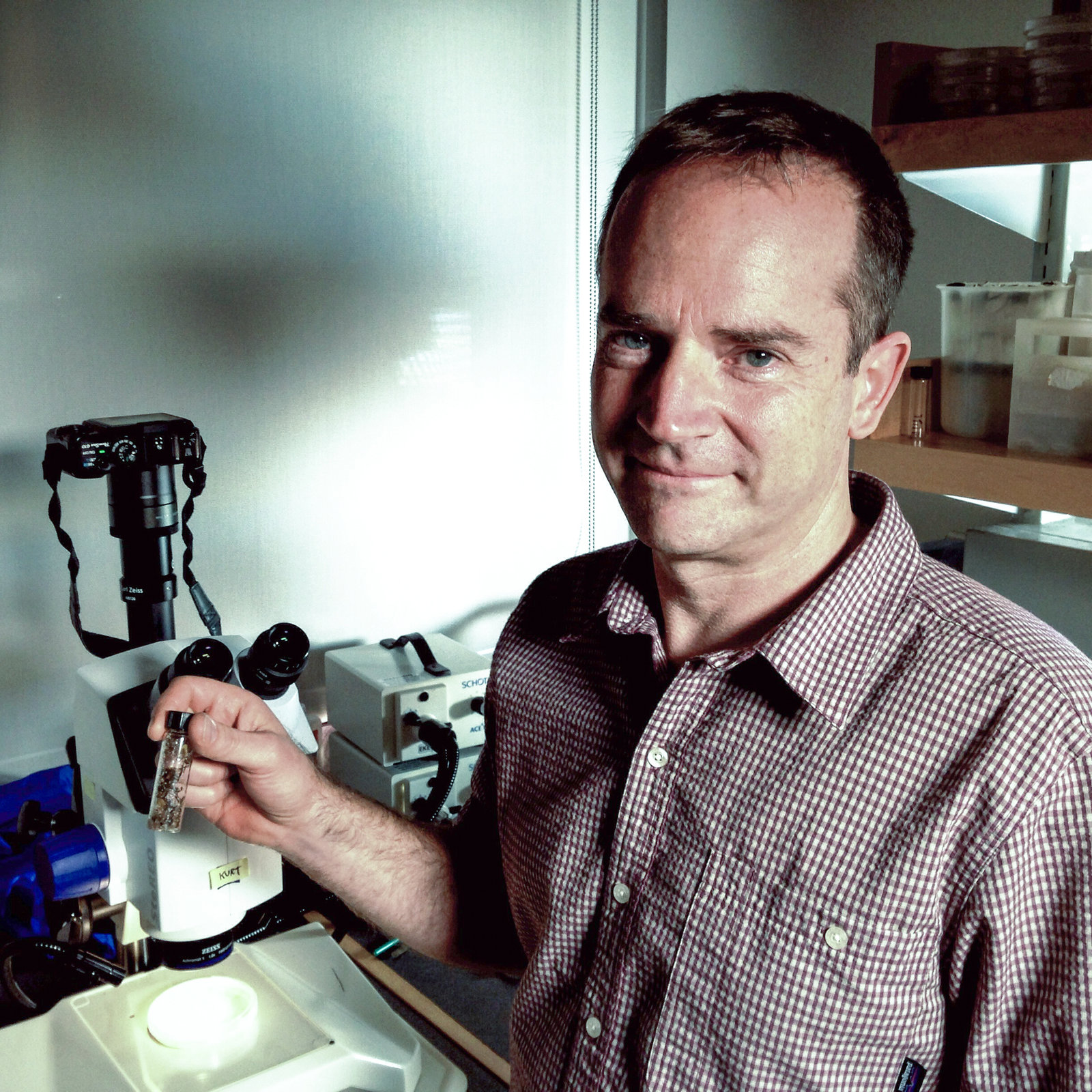
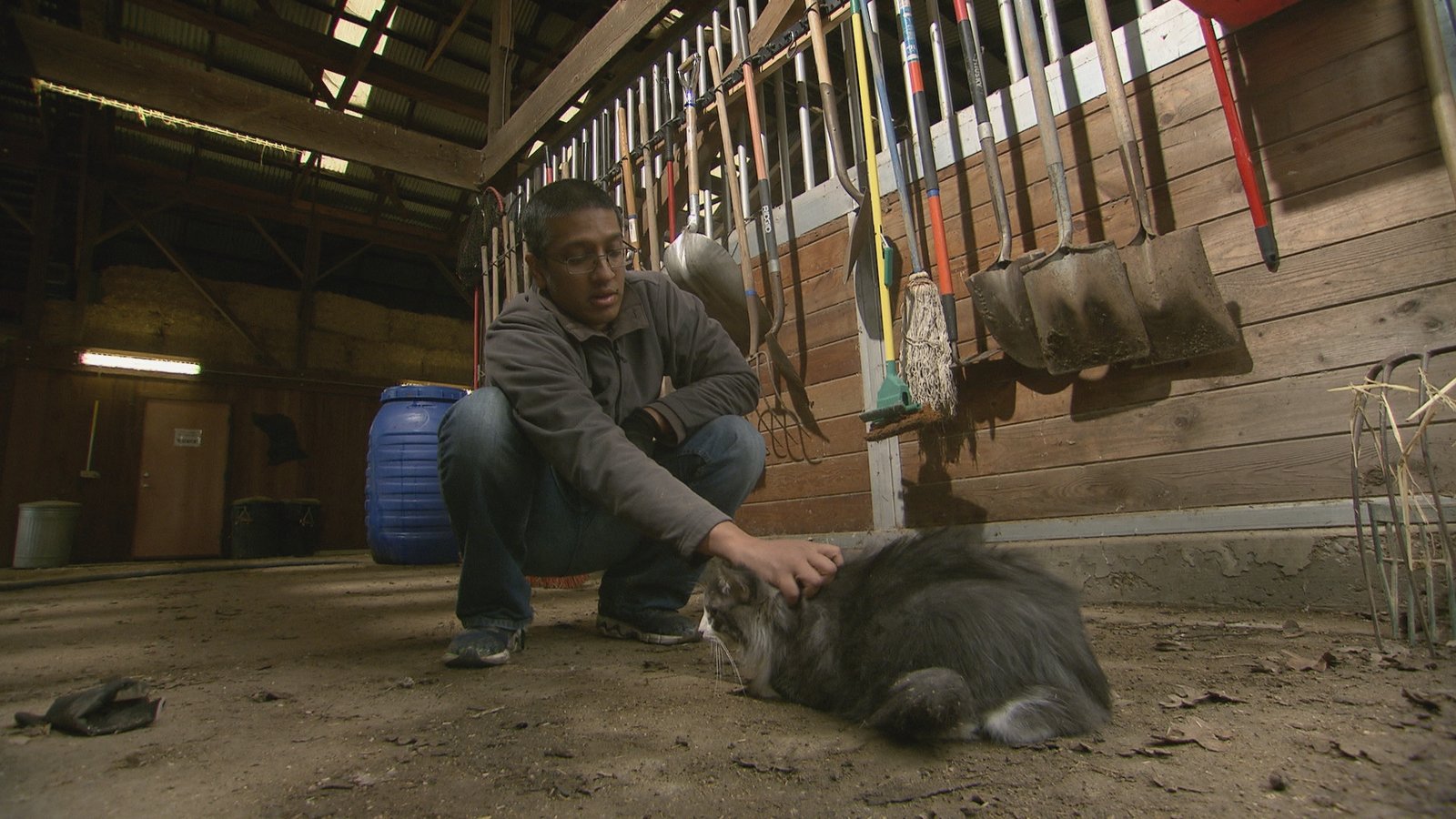
Geneticist Razib Khan, University of California, Davis, with a cat at a farm, which he is studying as part of his research on how changes in genomes indicate that nature uses essentially the same genetic recipe to turn any wild animal into a domestic one.
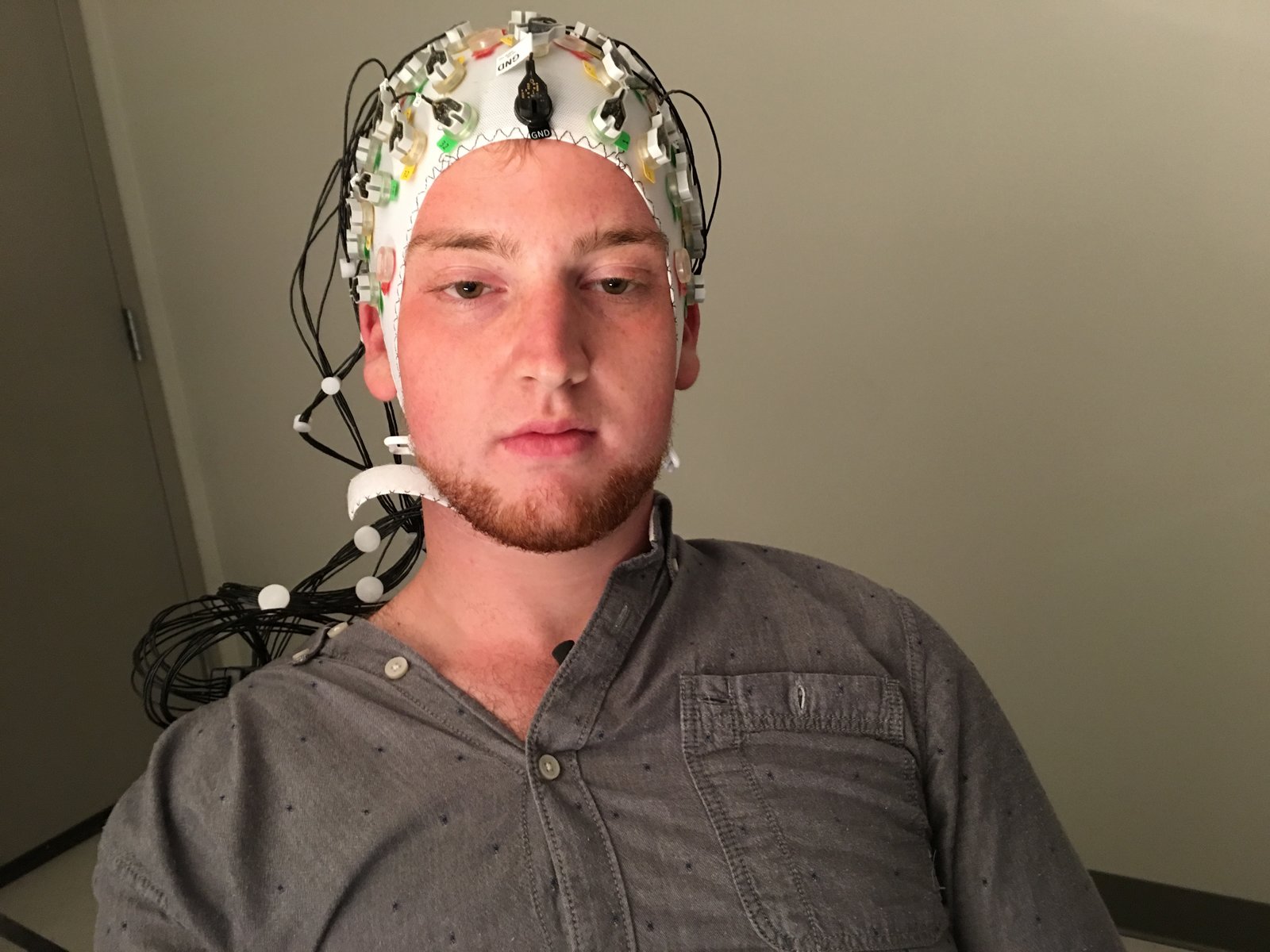
A student of Dr. John Kounios, Ph.D., Director of the Ph.D. Program in Applied Cognitive & Brain Sciences & Professor in the Department of Psychology at Drexel University, participates in a scientific experiment.
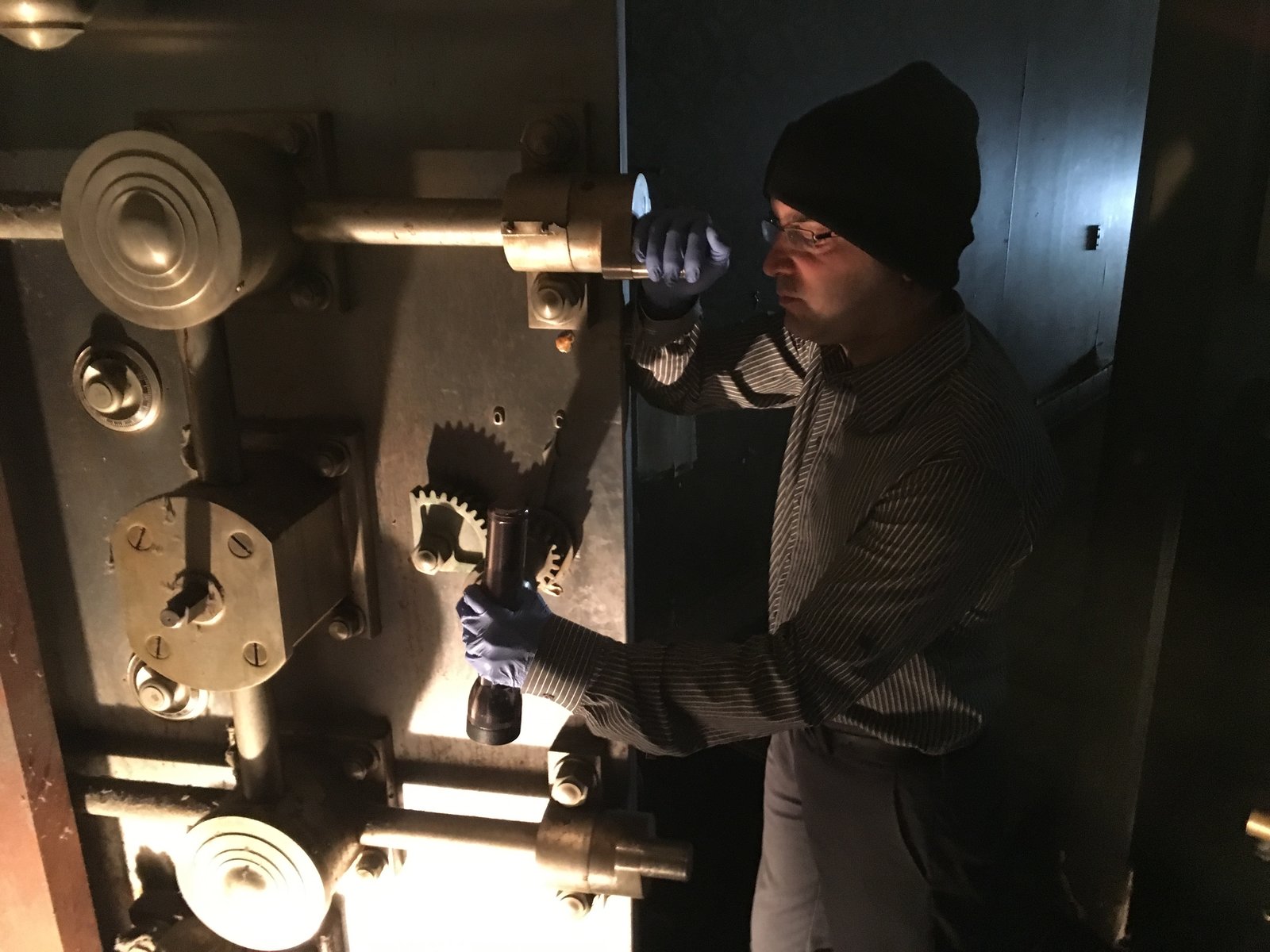
Yaniv Erlich, Ph.D., Assistant Professor of Computer Science and Core Member of the NY Genome Center shines a flashlight downwards on a bank vault door.
Hartmut Haeffner, University of California, Berkeley physics professor, is cooling atoms almost to absolute zero to test the revolutionary idea that the symmetry of time can be broken.
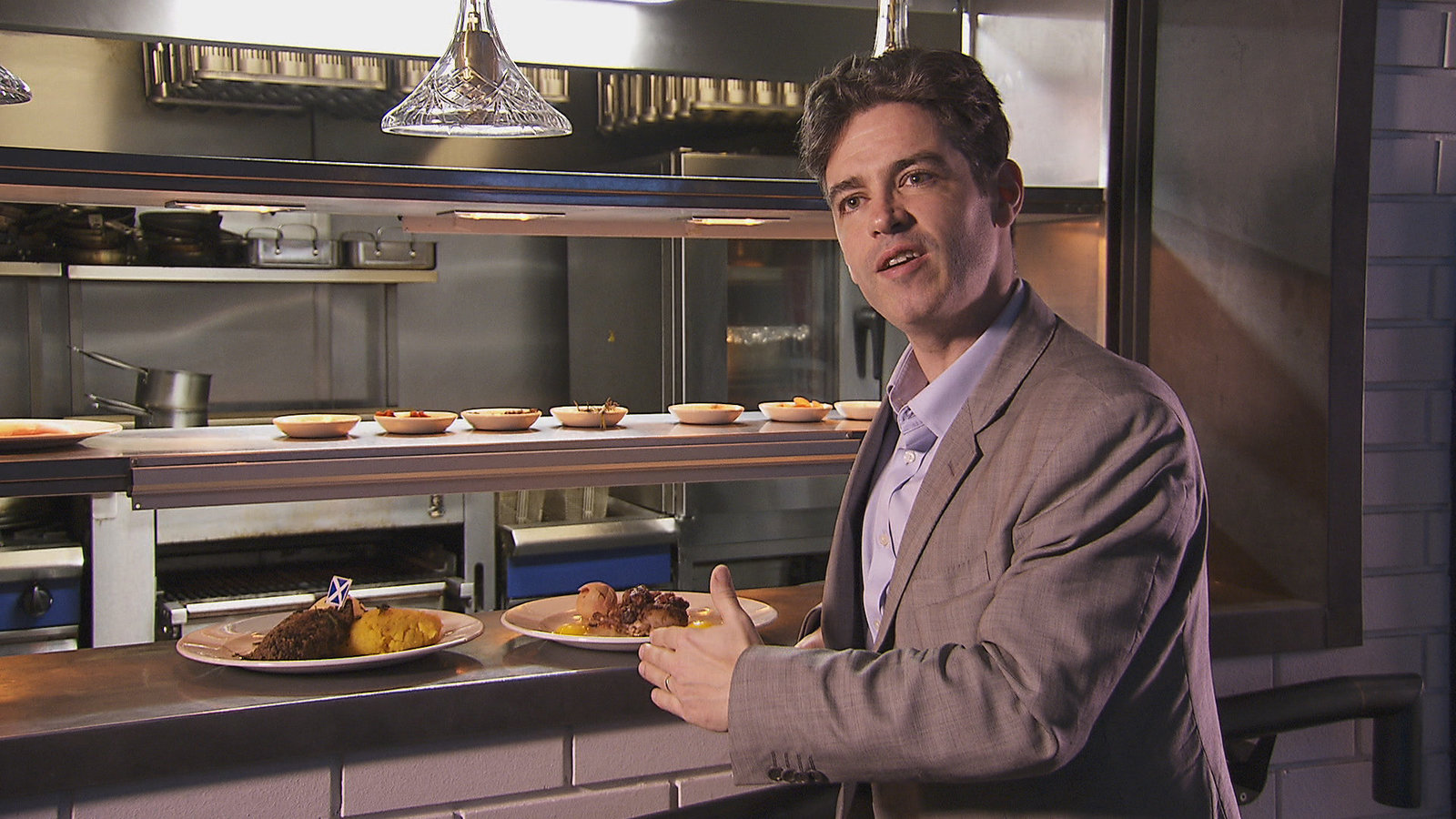
Biochemist, Lee Cronin, Ph.D, University of Glasgow, with a plate of the traditional Scottish dish haggis. Cronin discusses the creation of the recipe for haggis as a metaphor for the natural law of evolution that refines chemicals, in steps, over time, to create living things.

 Am Anbeginn der ZeitProf. David Spergel at work, Princeton University as seen on the 'What Happened Before The Beginning?' episode of Through The Wormhole.Bild: © Copyright: Discovery Communications, Inc. For Show Promotion Only
 "A Different World": Netflix-Reboot der Kultsitcom startet mit Luft nach oben