Das Film- und Fernsehserien-Infoportal

Log-In für "Meine Wunschliste"

Passwort vergessen

  • Bitte trage Deine E-Mail-Adresse ein, damit wir Dir ein neues Passwort zuschicken können:
  • Log-In | Neu registrieren

Registrierung zur E-Mail-Benachrichtigung

  • Anmeldung zur kostenlosen Serienstart-Benachrichtigung für

  • E-Mail-Adresse
  • Für eine vollständige und rechtzeitige Benachrichtigung übernehmen wir keine Garantie.
  • Fragen & Antworten
347

Morgan Freeman: Mysterien des Weltalls

(Through the Wormhole / Through the Wormhole with Morgan Freeman) 
USA, 2010–2017

Morgan Freeman: Mysterien des Weltalls
  • 347 Fans
  • Serienwertung4 176144.33von 18 Stimmeneigene: –

Bildergalerie zu "Morgan Freeman: Mysterien des Weltalls"

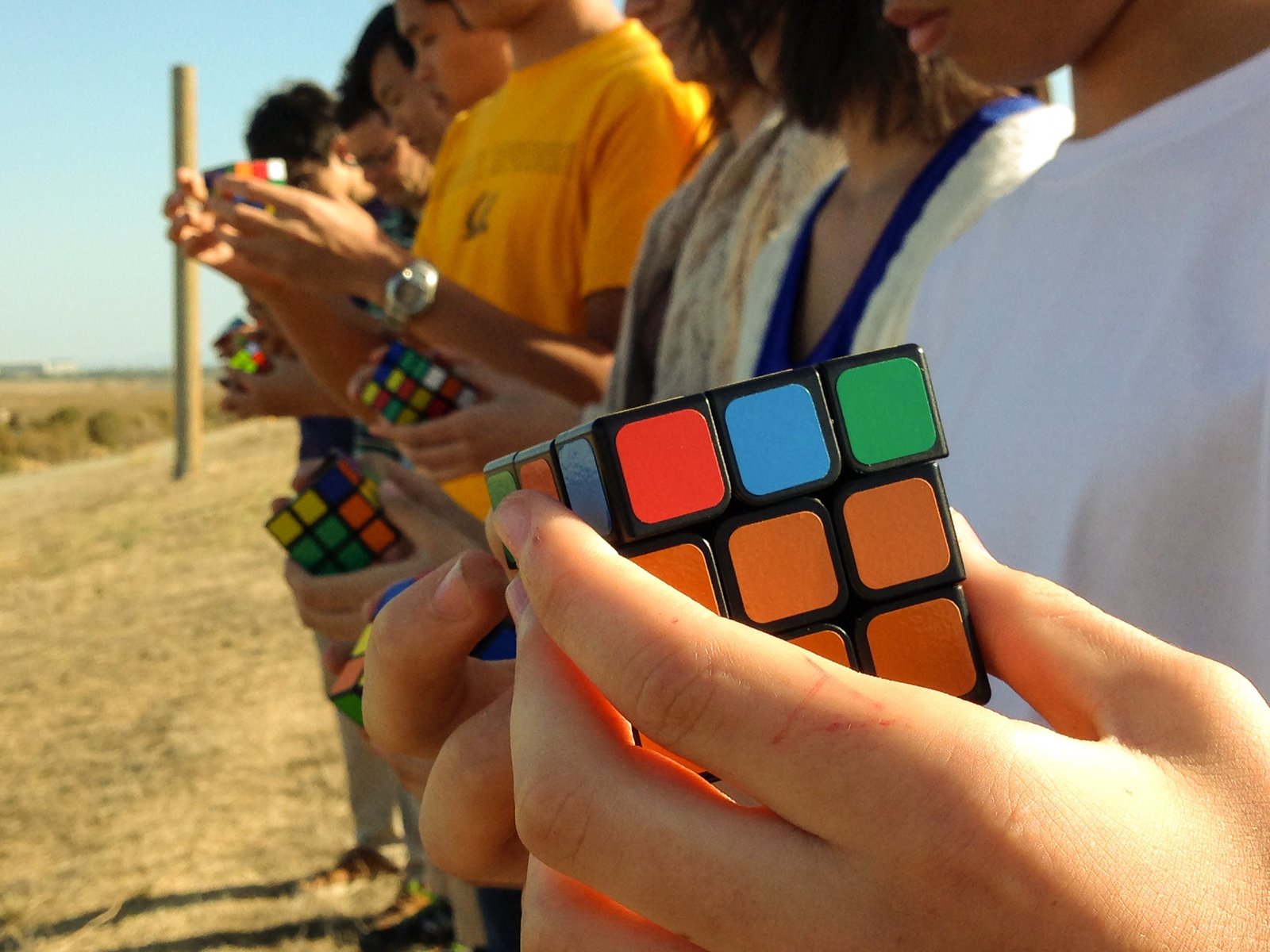
  • Werden wir allmächtig?
    Schüler versuchen, den Zauberwürfel zu lösen.
    Bild: © ZDF und Discovery Communications.
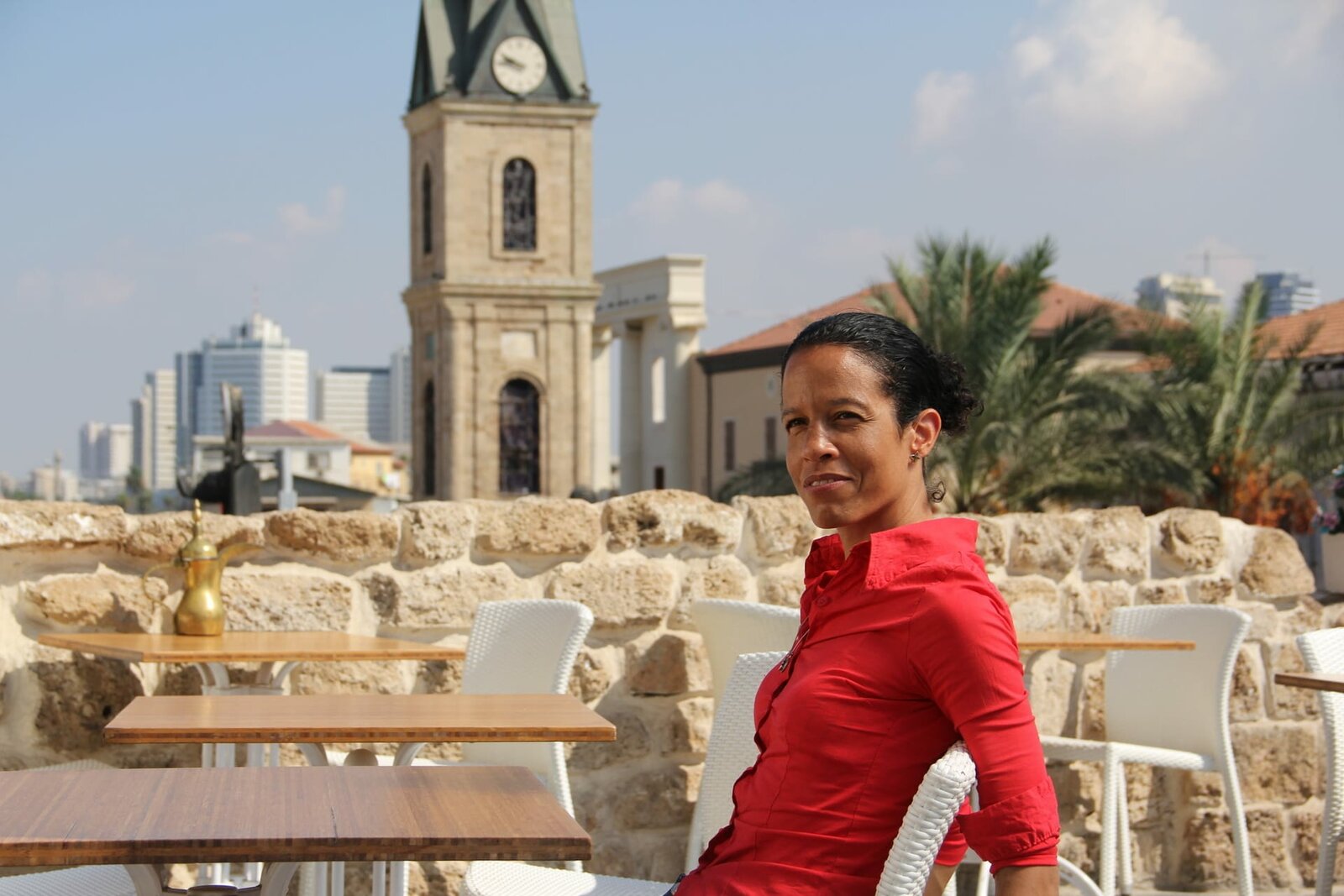
  • Ist Gehirnspionage möglich?
    Schlafpsychologin Ilana Hairston in Tel Aviv.
    Bild: © ZDF und Discovery Communications
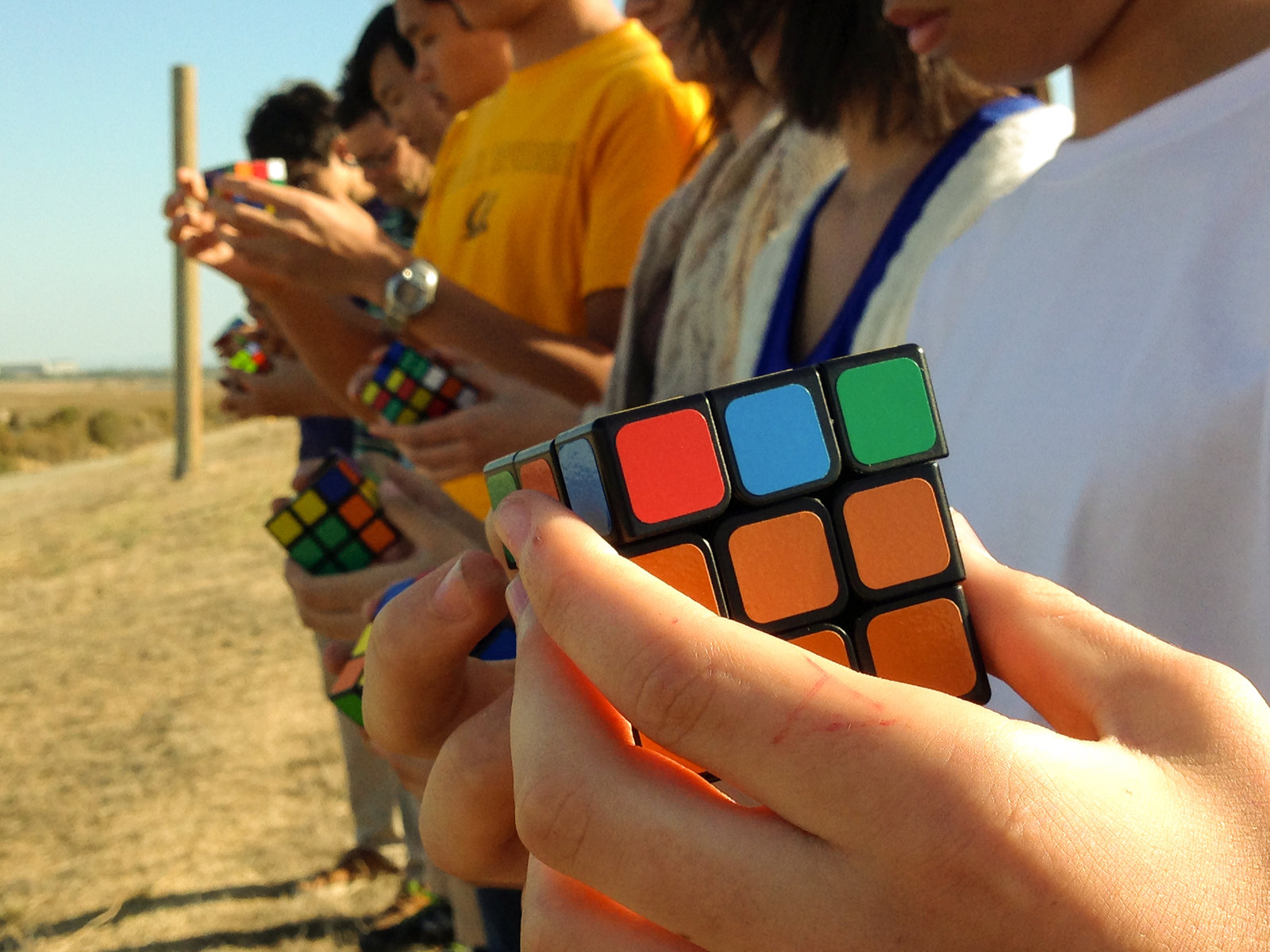
  • Werden wir allmächtig?
    Bild: © ZDF und Discovery Communications
  • Das Spiel mit der Zeit
    Craig Callender, a philosopher who studies physics and cognitive science at the University California San Diego, believes that every point in the Universe has an equal claim to here, every moment in time has an equal claim to now. In Einstein?s description of time, Craig?s actions of getting into the water, paddling over it and getting out all happen alongside one another.Craig Callender, a philosopher who studies physics and cognitive science at the University California San Diego, believes that every point in the Universe has an equal claim to here, every moment in time has an equal claim to now. In EinsteinÂ’s description of time, CraigÂ’s actions of getting into the water, paddling over it and getting out all happen alongside one another.
    Bild: © ZDF und Savas Georgalis./Savas Georgalis
  • Wann begann die Zeit?
    Penn State Professor Martin Bojowald at a ÒTime FarmÓ as seen on the 'What Happened Before The Beginning?' episode of Through The Wormhole.
    Bild: © Discovery Channel
  • Sind wir alle Aliens?
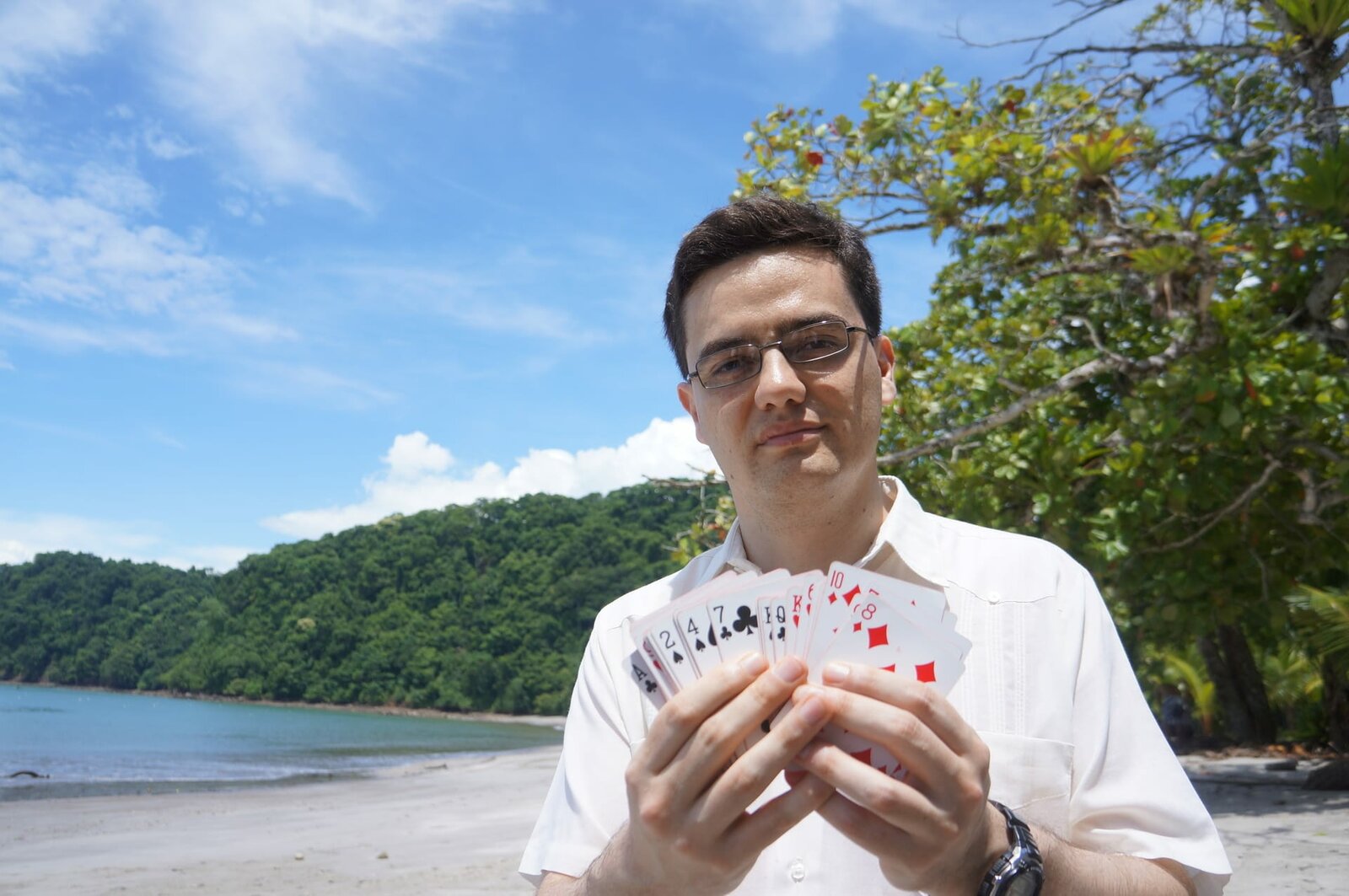
    Alejandro Jenkins, Professor at the University of Costa Rica's School of Physics, thinks our universe could be just one slice in a multi-layered extra dimensional space. Just like a single playing card in a deck.
    Bild: © ZDF und Savas Georgalis/Savas Georgalis
  • Sind Zeitreisen möglich?
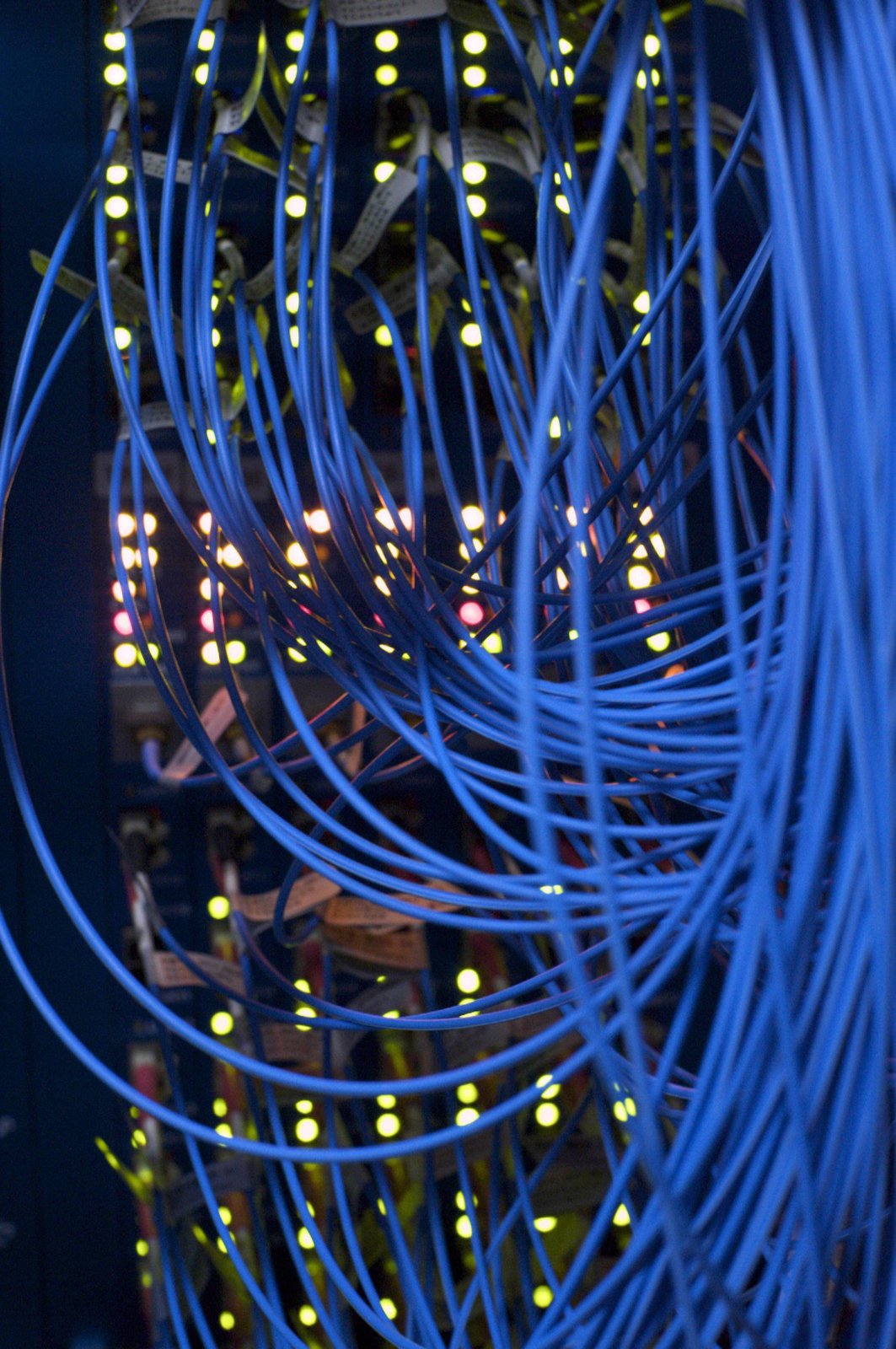
    Fiber Optic Cables at the LHC at CERN in Geneva as seen on the 'Is Time Travel Possible?' episode of Through The Wormhole.
    Bild: © Copyright: Discovery Communications, Inc. For Show Promotion Only
  • Ist Armut genetisch bedingt?
    Bild: © PLURIMEDIA (Science Channel)
  • Unendliches Universum
    Physicist Andy Albrecht believes the edge of the Universe is only 20% further than the space between us and the furthest galaxy we can ever see.
    Bild: © Discovery Channel
  • Gibt es ein Leben nach dem Tod?
    Morgan Freeman
    Bild: © Science Channel
  • Leben wir in der Matrix?
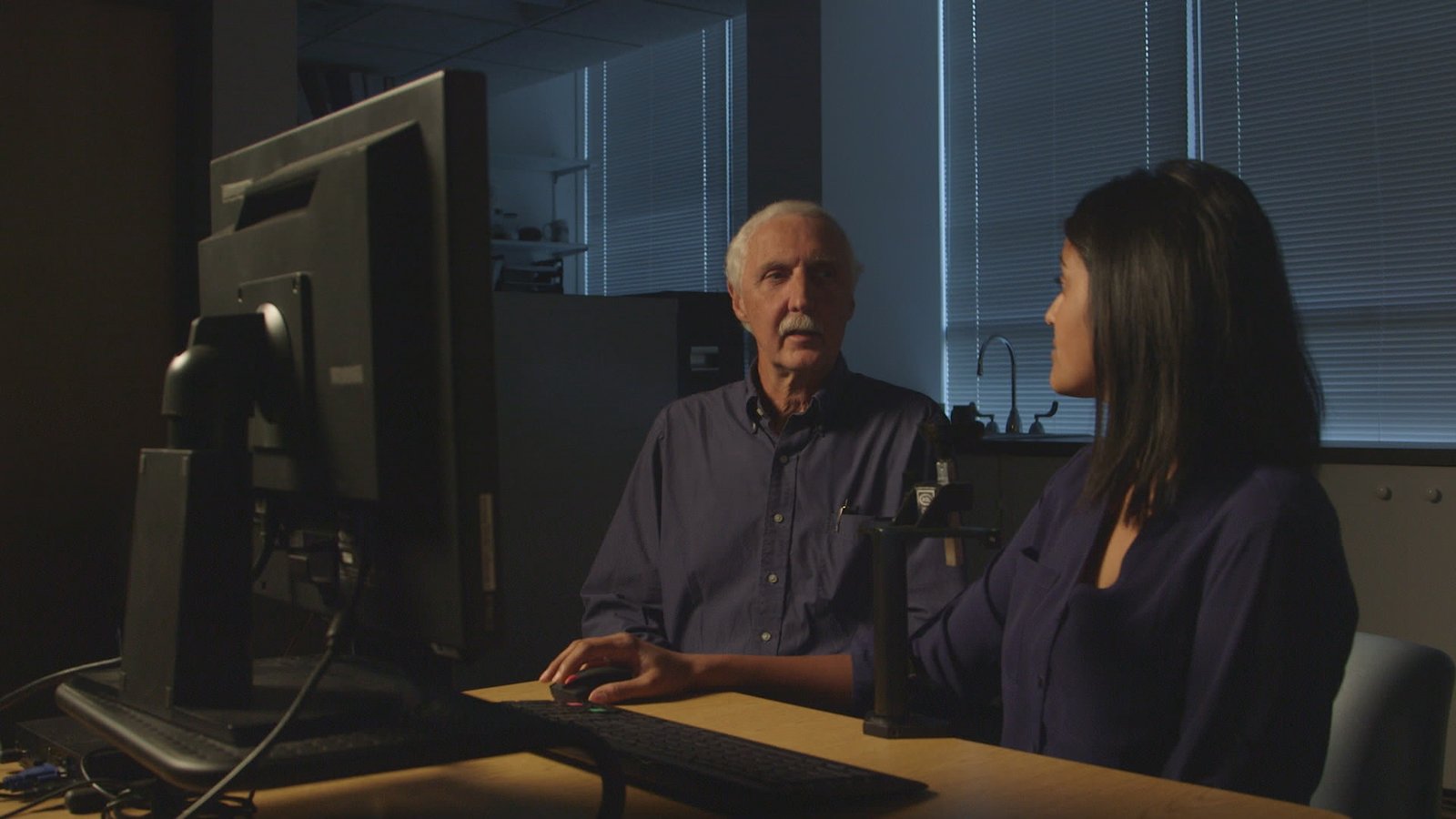
    John Kircher, Professor at University of Utah, and a colleague discuss the results of his lie detector that measures involuntary pupil dilations, making it virtually impossible to trick.
    Bild: © Copyright: Discovery Communications, Inc. For Show Promotion Only
  • Warum sind wir hier?
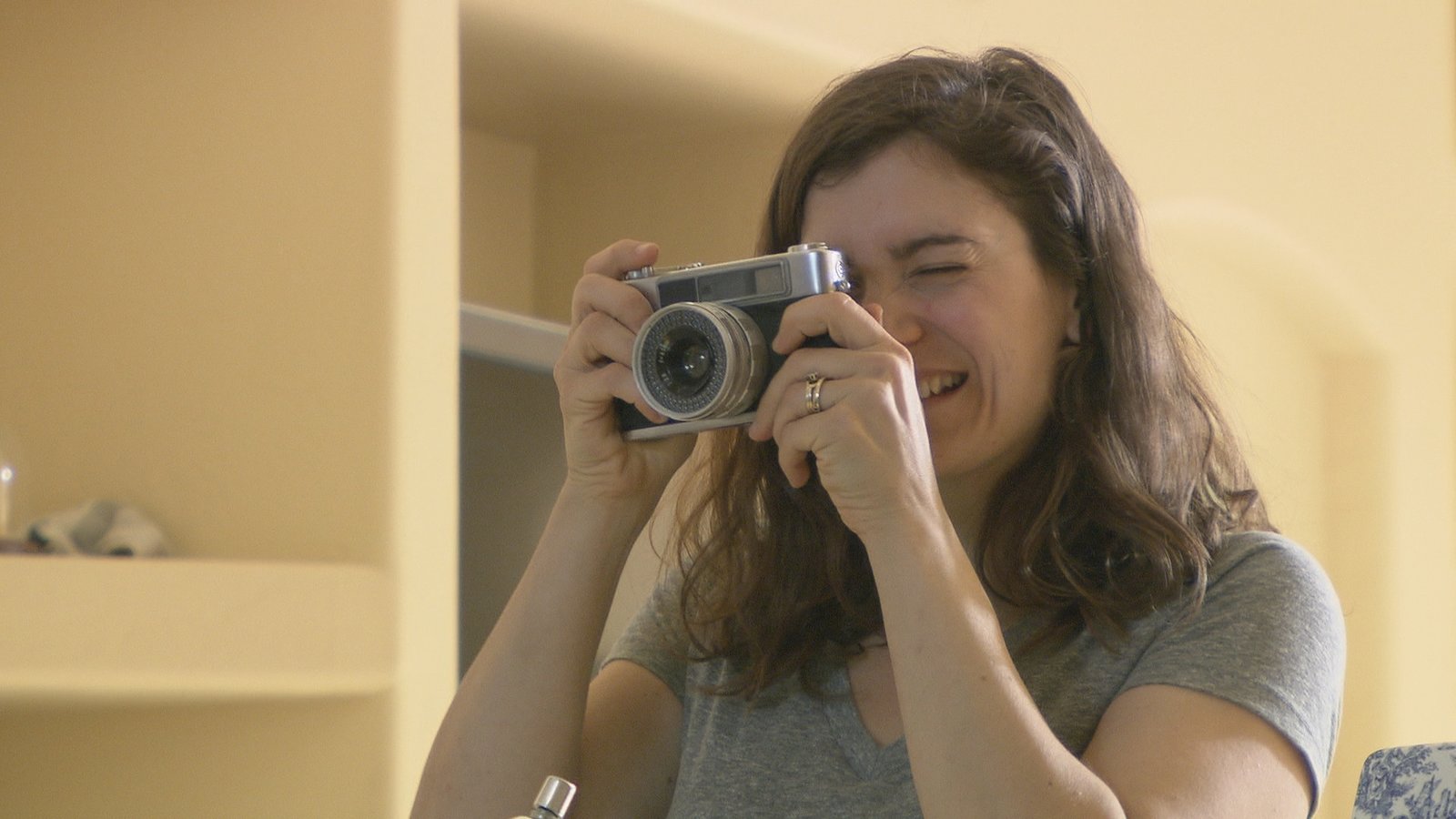
    Physicist Sara Walker, Ph.D., University of Arizona, taking a picture at her home, demonstrating the evolutionary drive to gather and decode more and more information.
    Bild: © Science Channel
  • Homo sapiens 2.0
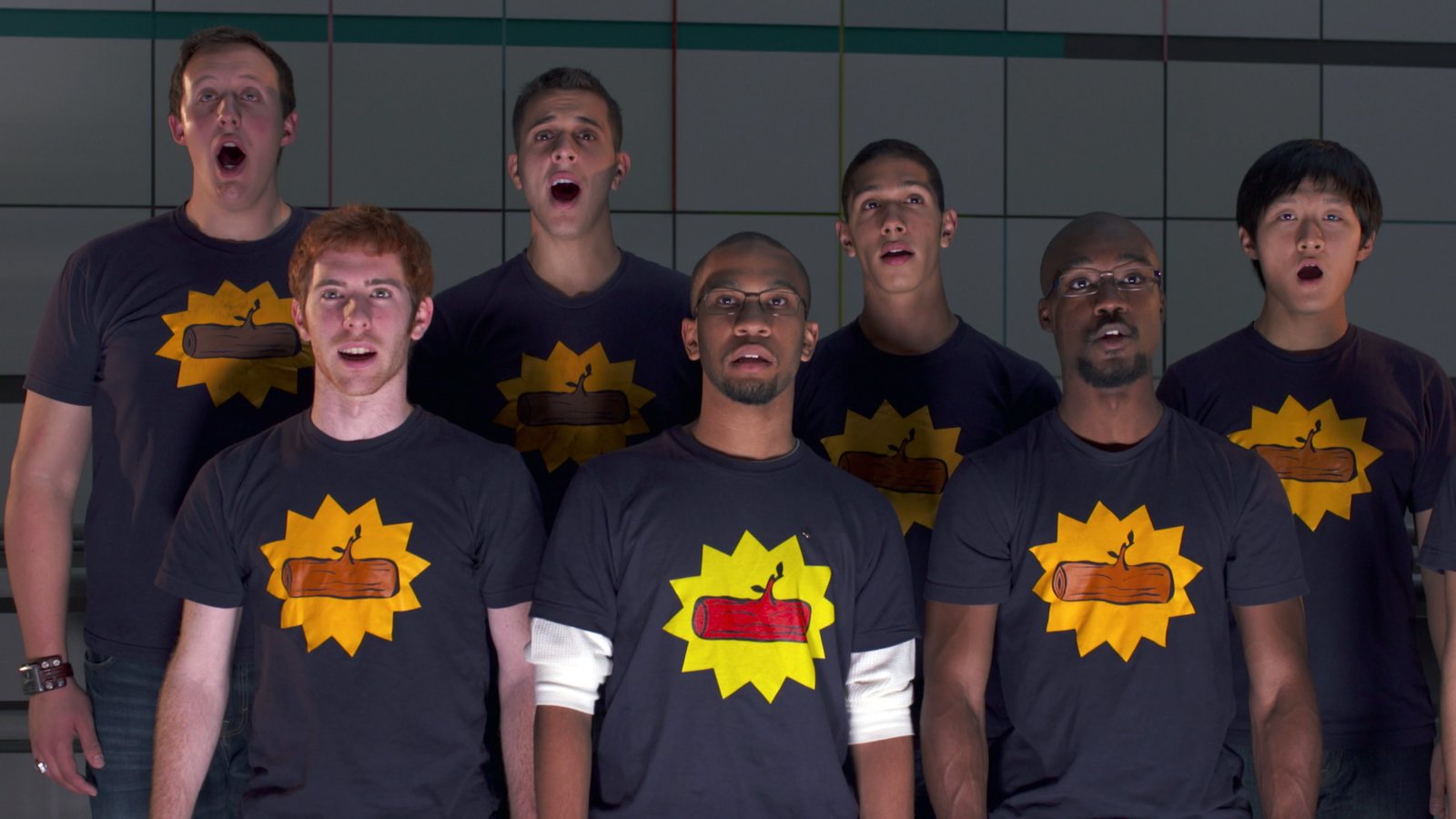
    MIT Logarhythms.MIT, an cappella singing group.
    Bild: © Science Channel
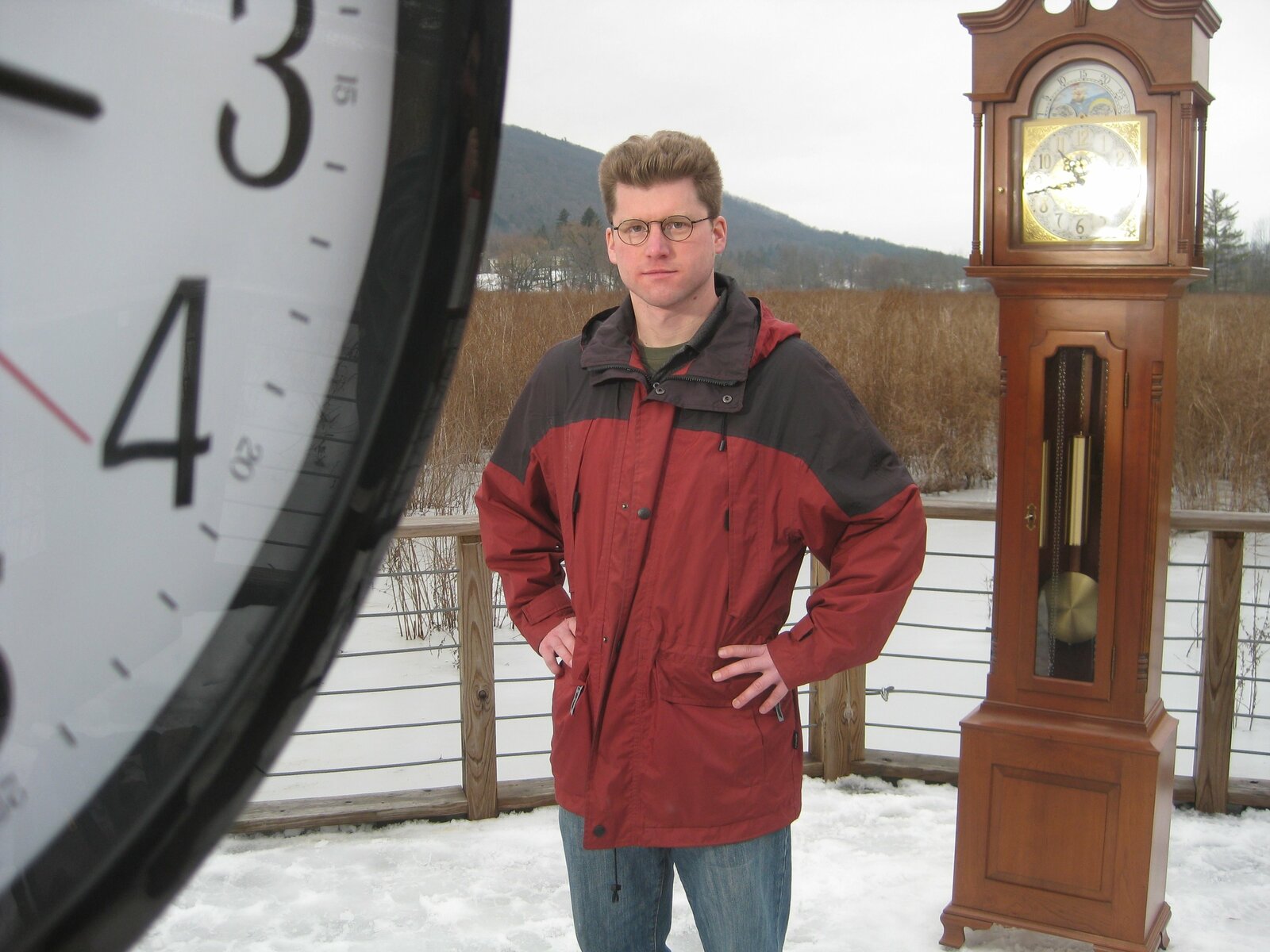
  • Was ist Zeit?
    Tim Maudlin, Rutgers University Professor of Philosophy.
    Bild: © Copyright: Discovery Communications, Inc. EMEA/UK Editorial Use Only
  • Wie denken Außerirdische?
    James Marshall, Computer-Wissenschaftler an der University of Sheffield, und Prof. Nigel Franks, Ökologe an der University of Bristol, untersuchen das Gruppenverhalten von Ameisen.
    Bild: © ZDF und Discovery Communications
  • Gibt es Glück?
    Sally Linkenauger, lecturer in Psychology at Lancaster University, says people suing objects they deem to be lucky, say a putter used by a British Open champion, elevates their performance.
    Bild: © Discovery Communications
  • Jeder Mensch ist ein Genie
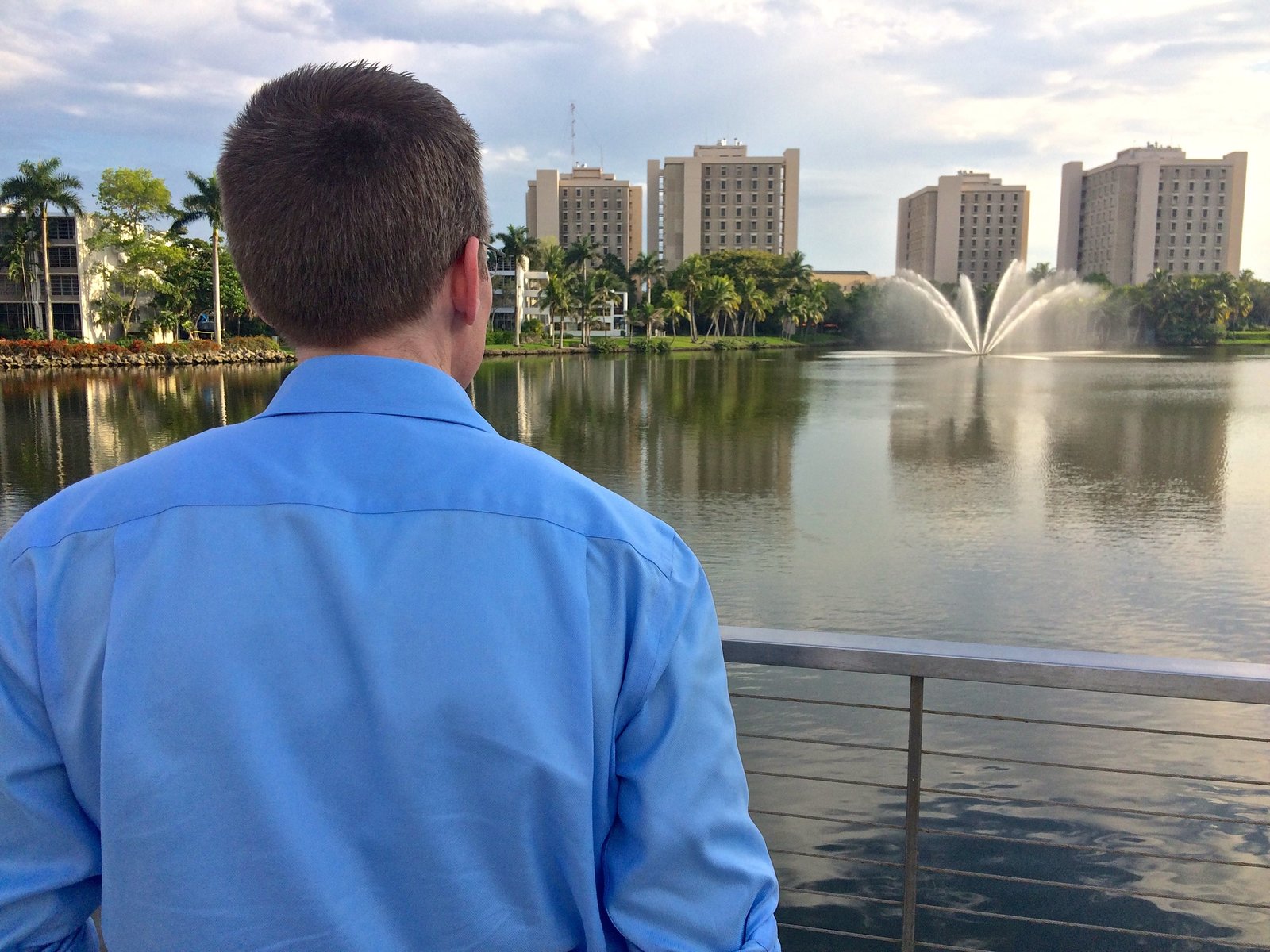
    Jason Padgett, mathematical genius and the author of "Struck by Genius," stands looking at a fountain at the University of Miami.
    Bild: © Discovery Communications
  • Wann begann die Zeit?
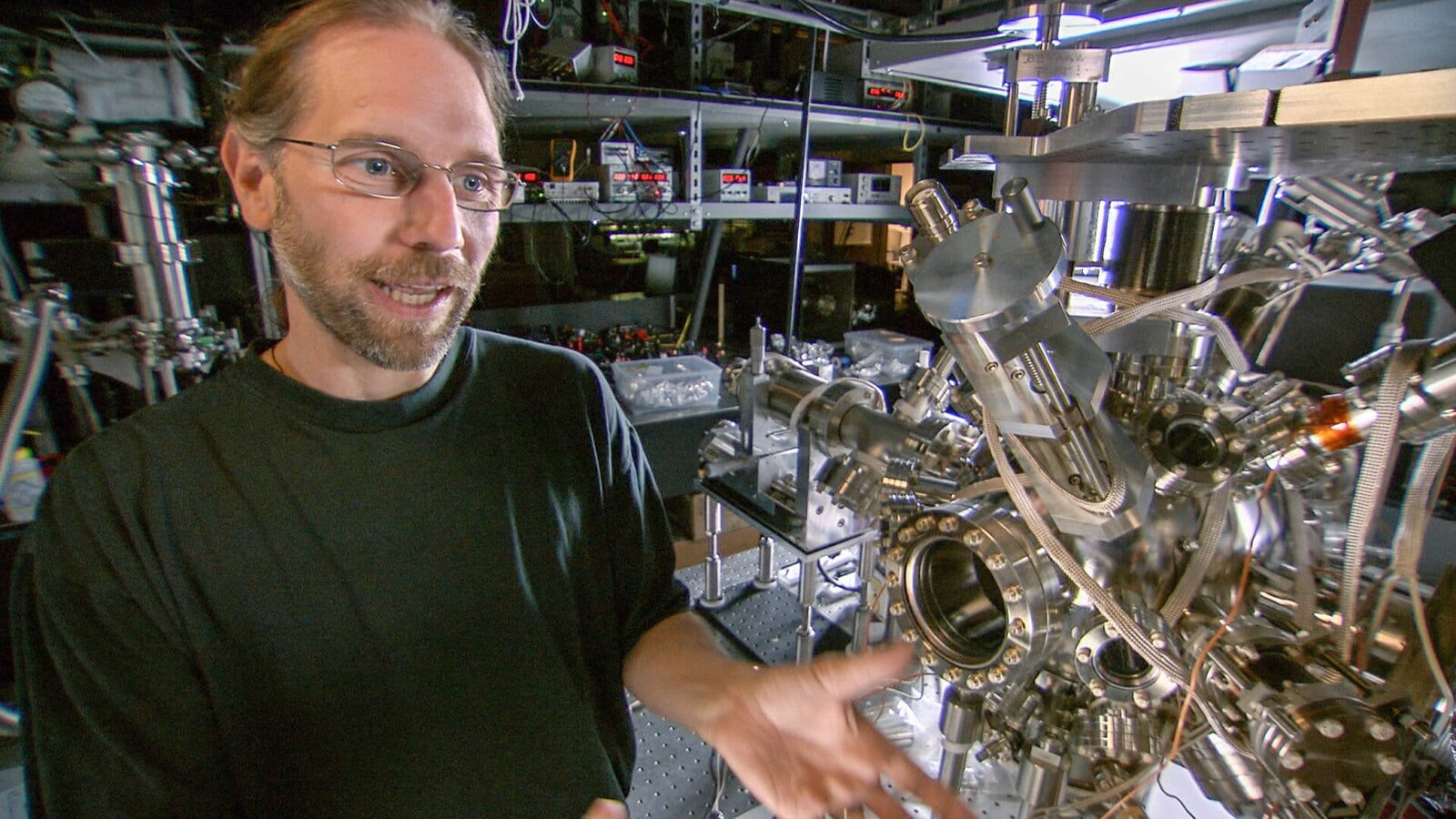
    Hartmut Haeffner, Physikprofessor an der Berkeley University, kühlt Atome fast bis zum absoluten Nullpunkt, um zu testen, ob die Zeitsymmetrie durchbrochen werden kann.
    Bild: © ZDF und David LaMattina/David LaMattina
  • Leben wir in der Matrix?
    Futuristic black hole. Abstract space background. Digital 3d rendering backdrop
    Bild: © Discovery Communications
  • Sind Zeitreisen möglich?
    Inside the LHC at CERN in Geneva as seen on the 'Is Time Travel Possible?' episode of Through The Wormhole.
    Bild: © Copyright: Discovery Communications, Inc. For Show Promotion Only
  • Das Spiel mit der Zeit
    Luke Butcher, theoretischer Physiker an der University of Bristol, veranschaulicht mit einem Modell Raum und Zeit.
    Bild: © ZDF und Savas Georgalis/Savas Georgalis
  • Wann begann die Zeit?
    University of California, Berkeley physics professor Hartmut Haeffner demonstrates the time ring he is working on which could break a symmetry in time causing us to rethink how time works.
    Bild: © - Discovery Networks Picture Publicity. This picture may be used solely for Discovery Networks programme publicity purposes. May be reproduced in editorial press & listings in connection with the curr
  • Leben wir in der Matrix?
    University of California-Irvine professor Donald Hoffman says that we only see the truth of what we need to survive and evolve. For instance, butterflies see more colors than humans do because it assists in propagating their species.
    Bild: © Copyright: Discovery Communications, Inc. For Show Promotion Only
  • Hat der Ozean ein Bewusstsein?
    Bild: © ZDF und Discovery Communications
  • Ist Gehirnspionage möglich?
    Neurowissenschaftler Ed Boyden in seinem Labor am Massachusetts Institute of Technology (MIT).
    Bild: © ZDF und Discovery Communications
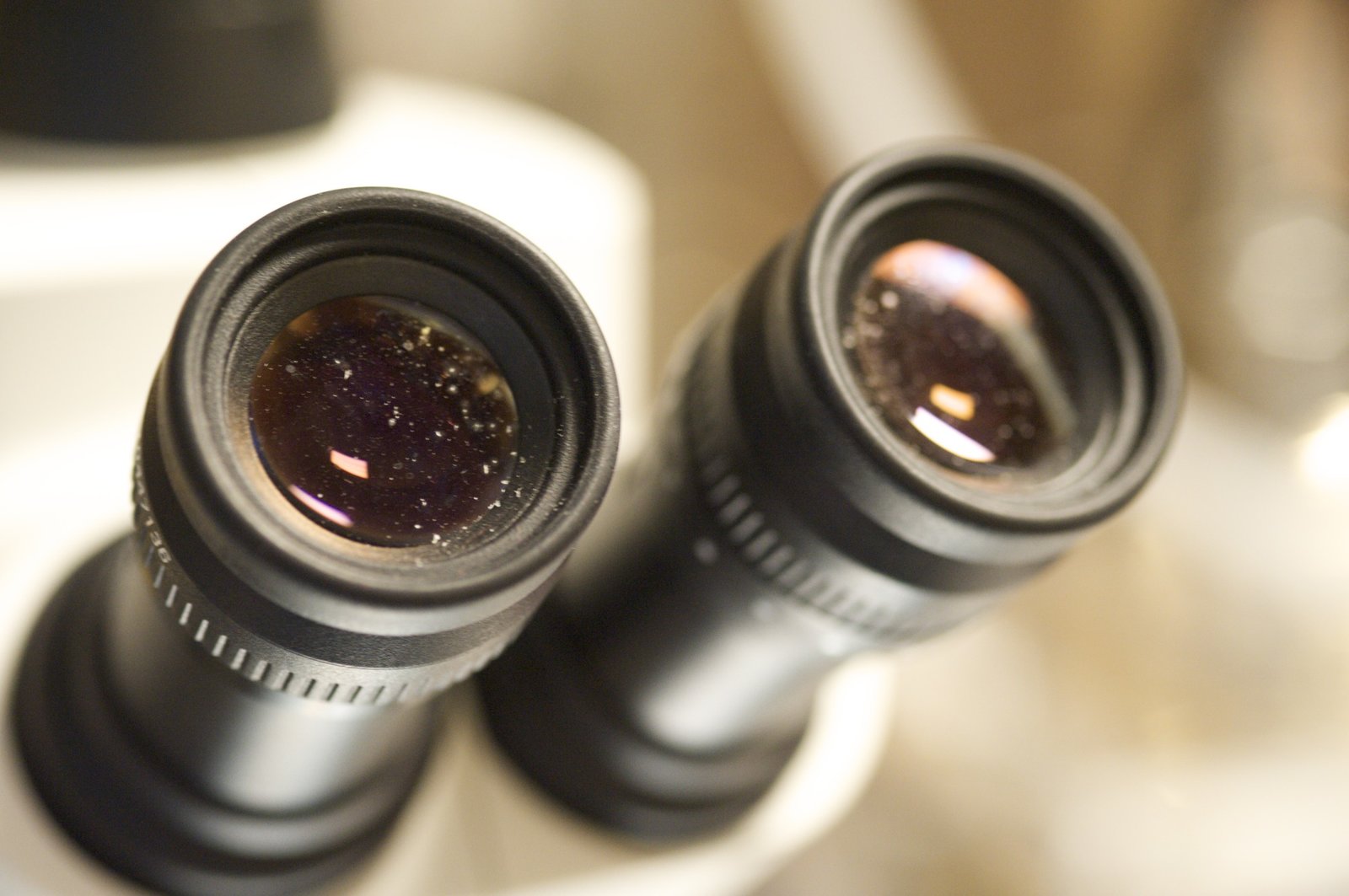
  • Bausteine des Lebens
    A microscope at the Argonne National Laboratory as seen on the 'What Are We Made Of?' episode of Through The Wormhole.
    Bild: © Kurt Sayenga / The Science Channel / Discovery Communications
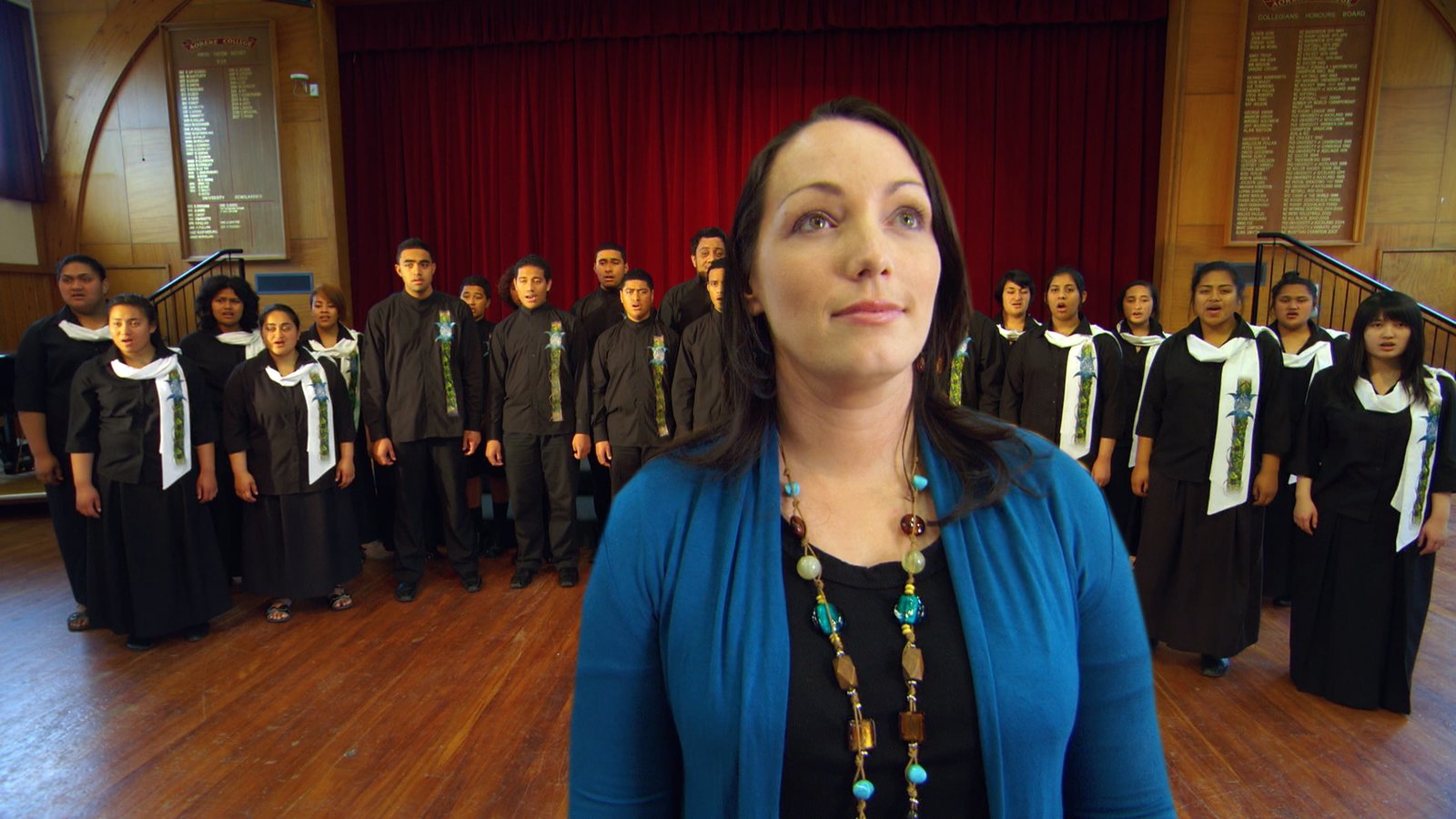
  • Wer sind wir wirklich?
    Donna Addis and Sweet Sixteen Choir.Aorere College New Zealand.
    Bild: © Science Channel / Science Channel
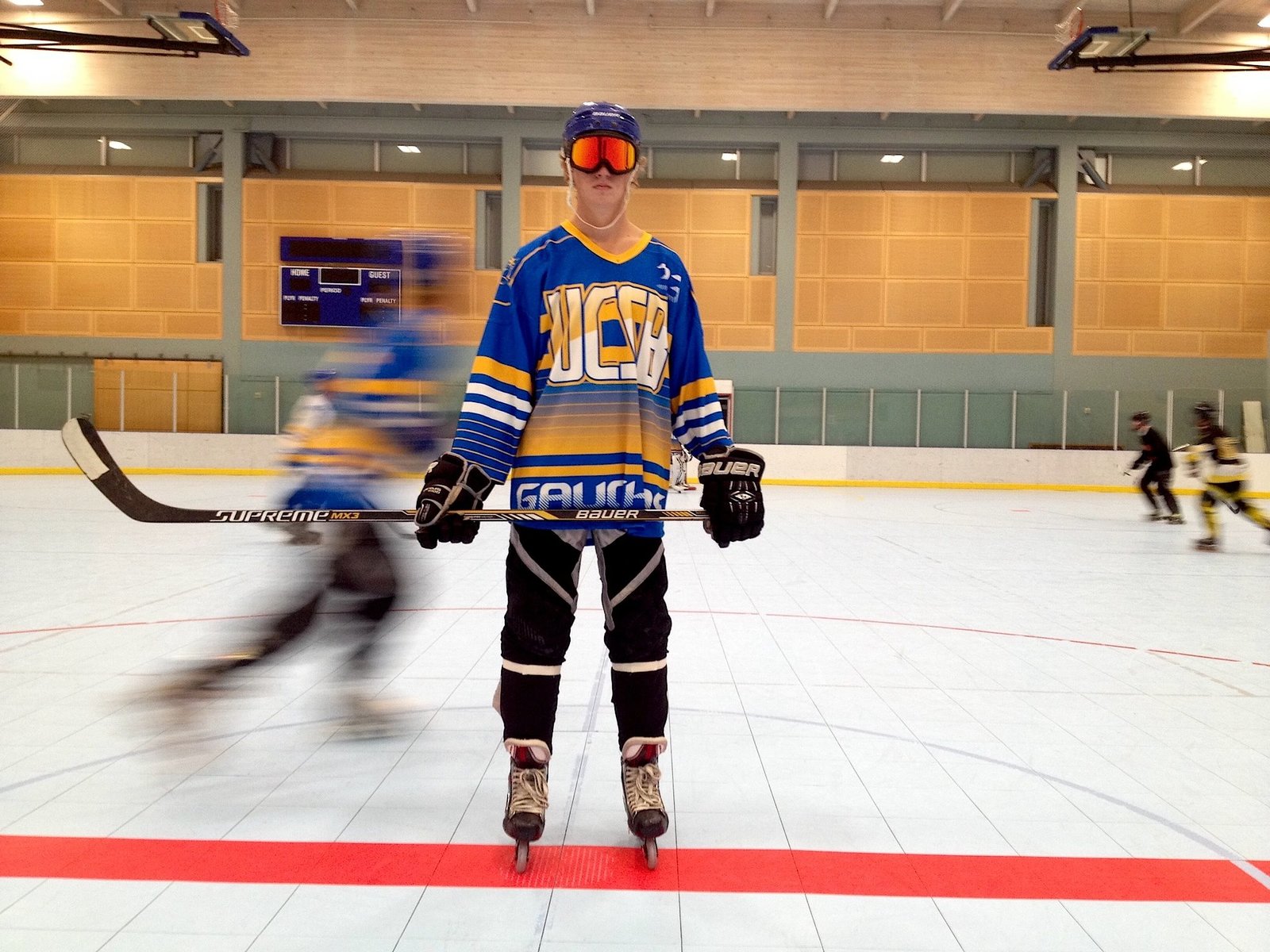
  • Das Spiel mit der Zeit
    In the James Hartle segment, a Roller Hockey player from the University of California Santa Barbara demonstrates how humans’ impressions of past, present and future has to come from the way we’re constructed, since there isn’t a notion of past, present and future in special relativity.
    Bild: © Science Channel
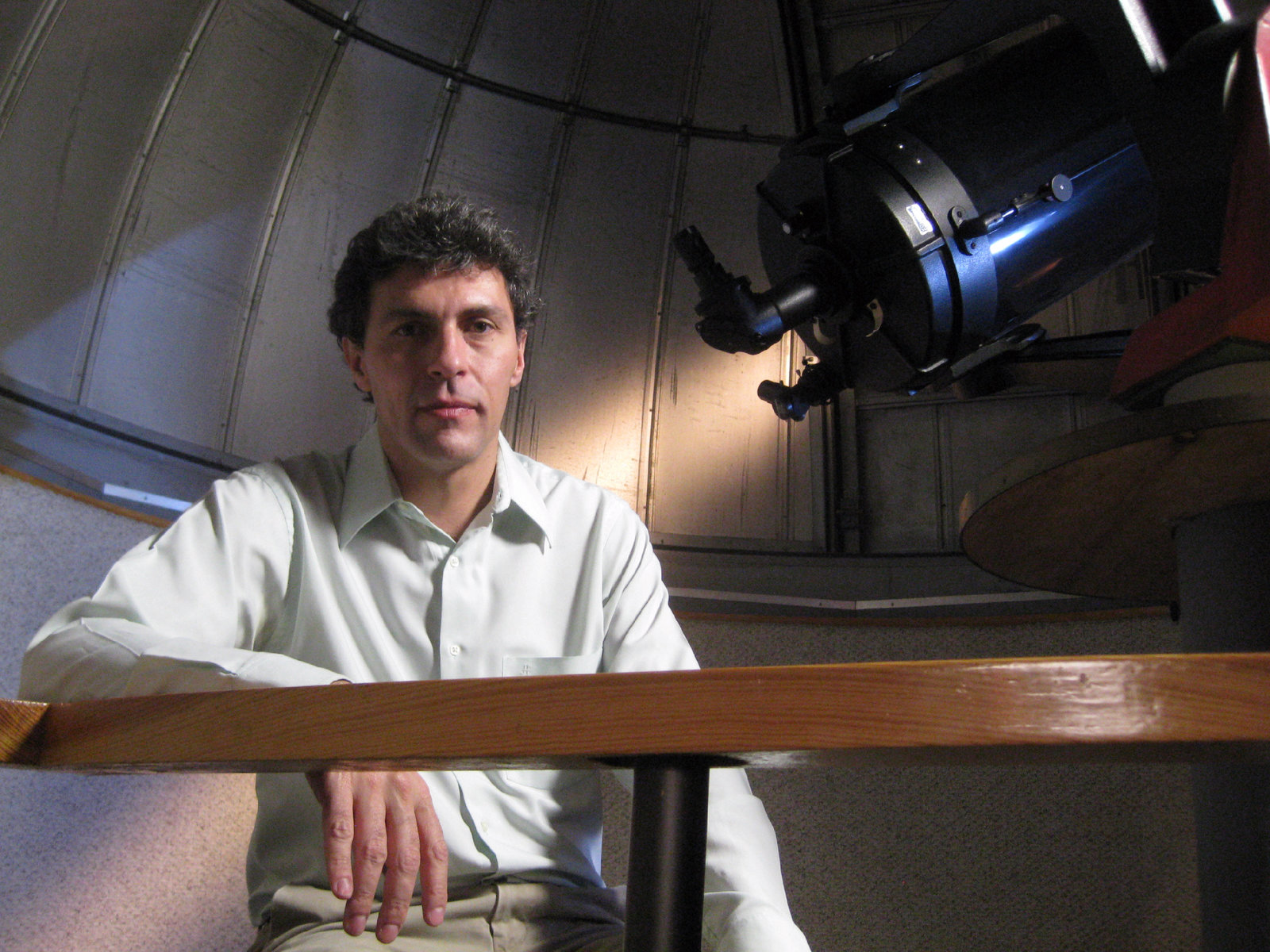
  • Schneller als das Licht
    Miguel Alcubierre standing by telescope, UNAM.
    Bild: © Copyright: Discovery Communications, Inc. EMEA/UK Editorial Use Only
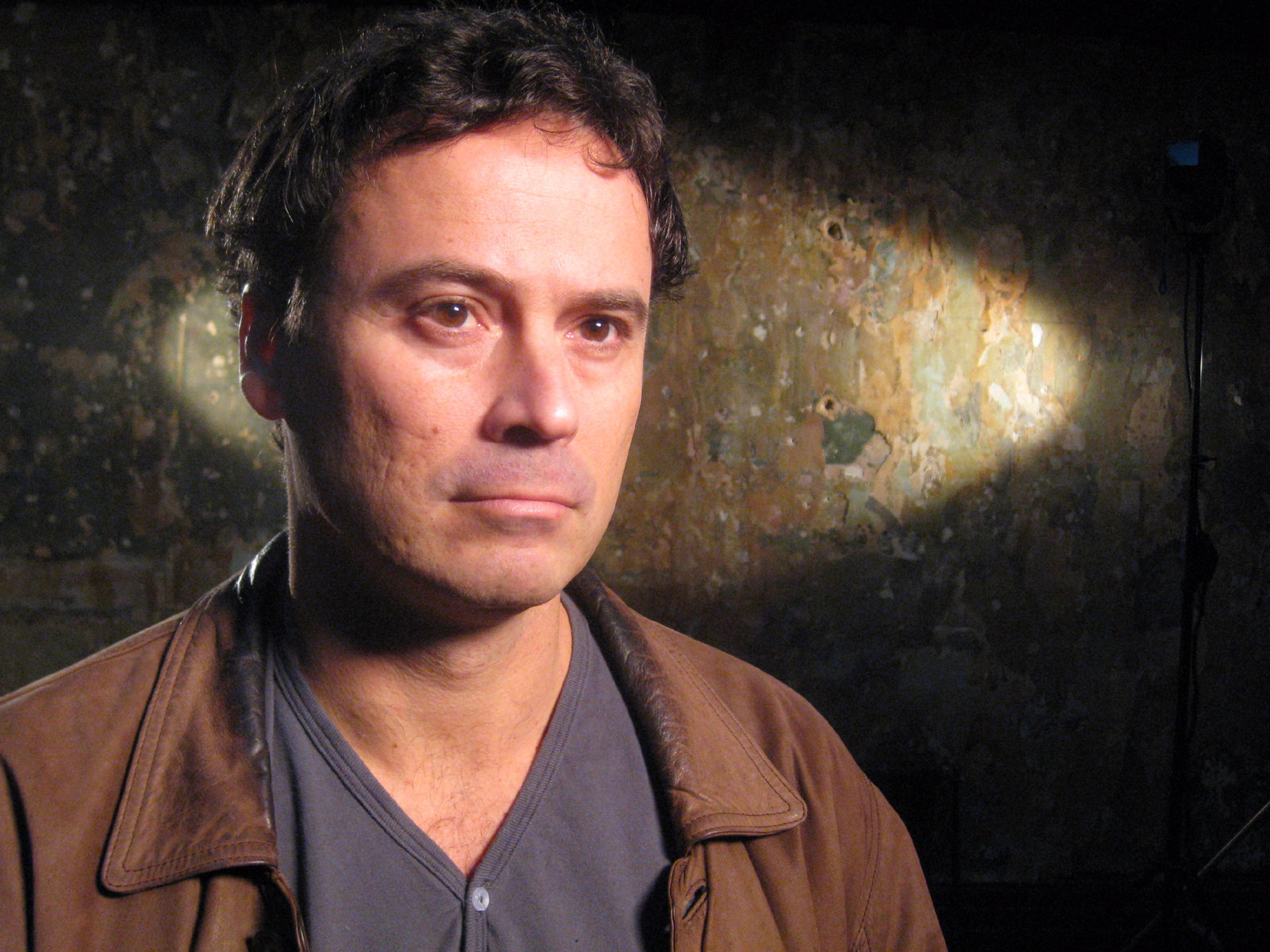
  • Schneller als das Licht
    Joao Magueijo headshot, 33 Portland Place.
    Bild: © Copyright: Discovery Communications, Inc. EMEA/UK Editorial Use Only
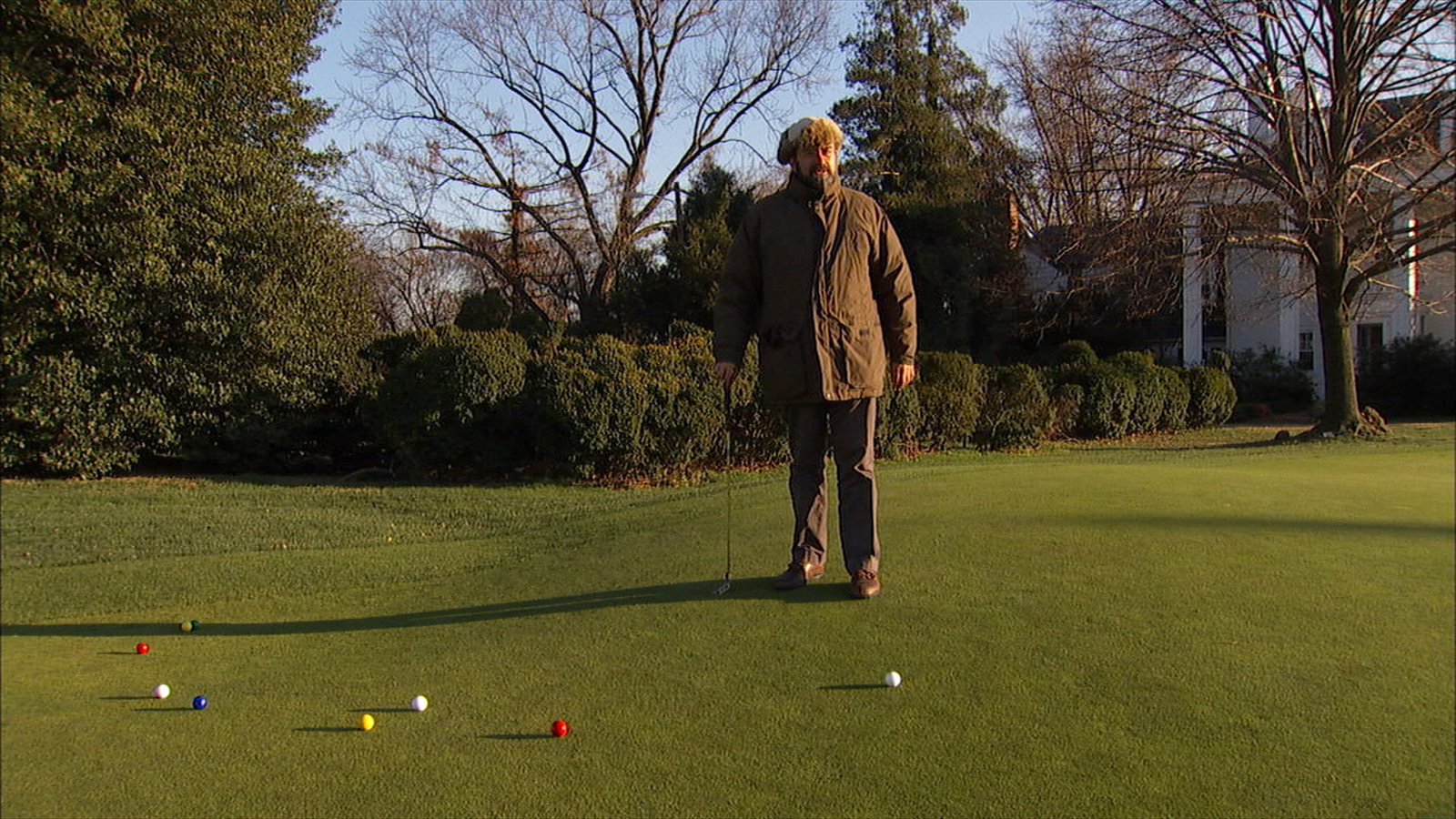
  • Unendliches Universum
    NASA astronomer Sasha Kashlinsky demonstrates how rolling golf balls determines if space is flat or tilted. Sasha recently found evidence that suggests our Universe is tilted. Could another Universe be causing this tilt?
    Bild: © Copyright: Discovery Communications, Inc. EMEA/UK Editorial Use Only. - Discovery Networks Picture Publicity. This picture may be used solely for Discovery Networks programme publicity purposes. May b
  • Wer sind wir wirklich?
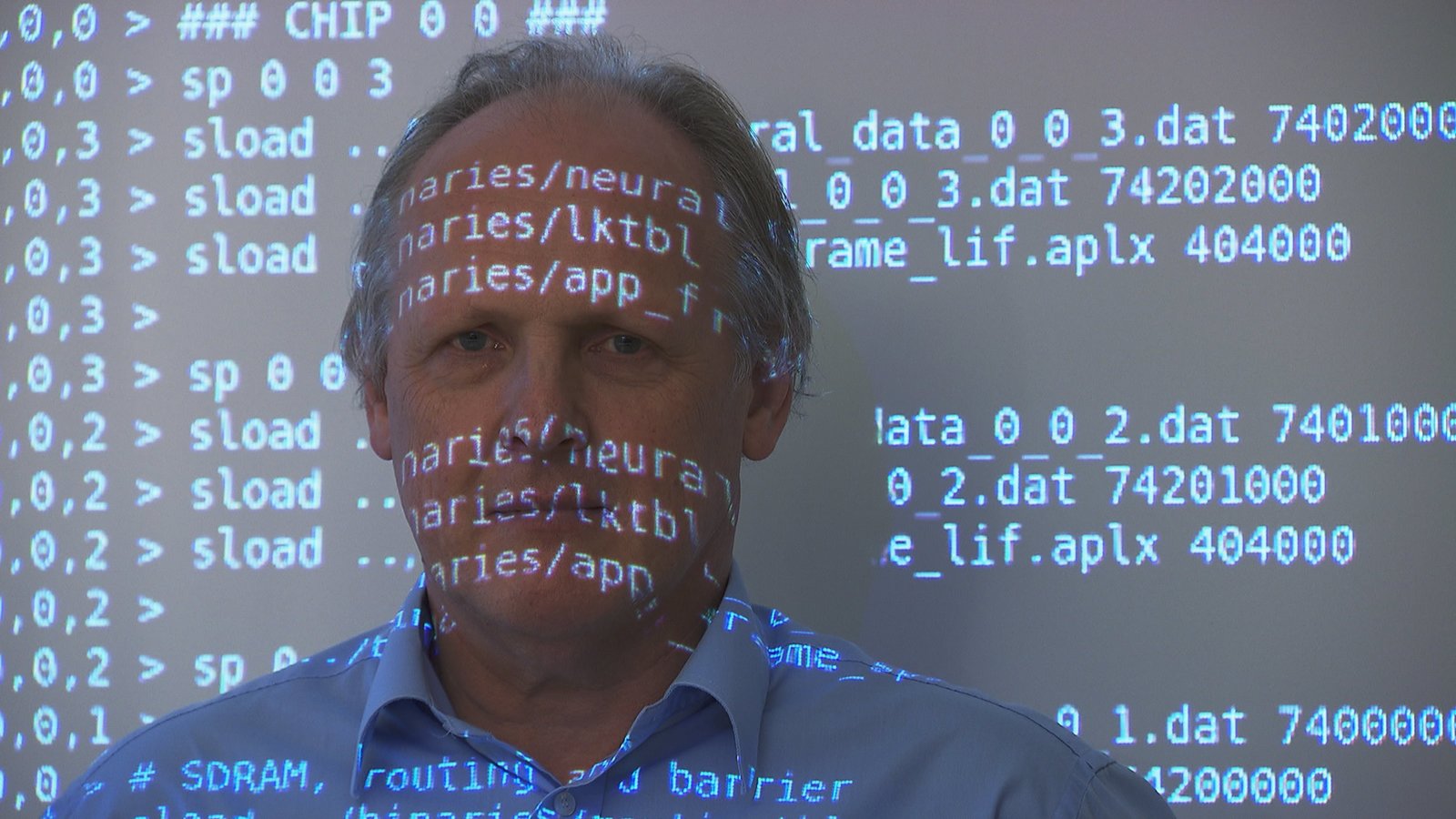
    Steve Furber, Professor.Manchester University ? Code projected on his face.
    Bild: © Science Channel / Science Channel
  • Was ist Zeit?
    Sean Carroll, a Caltech physicist, playing pool.
    Bild: © Copyright: Discovery Communications, Inc. EMEA/UK Editorial Use Only
  • Warum sind wir hier?
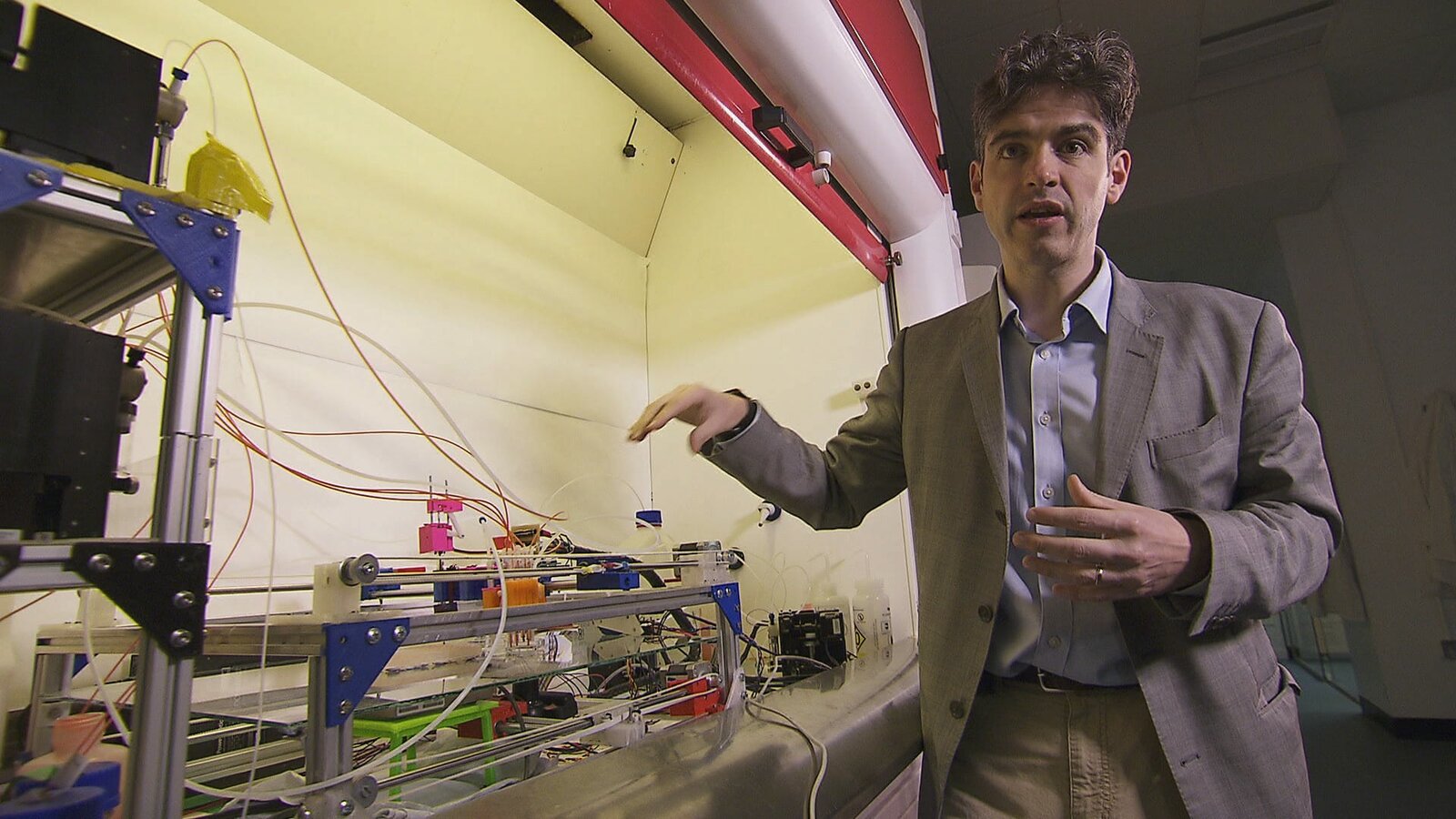
    Biochemiker Lee Cronin von der University of Glasgow mit seiner selbstkreierten Maschine, die Millionen von Jahren chemische Evolution innerhalb weniger Wochen simuliert.

    Bild: © Discovery Channel
  • Schneller als das Licht
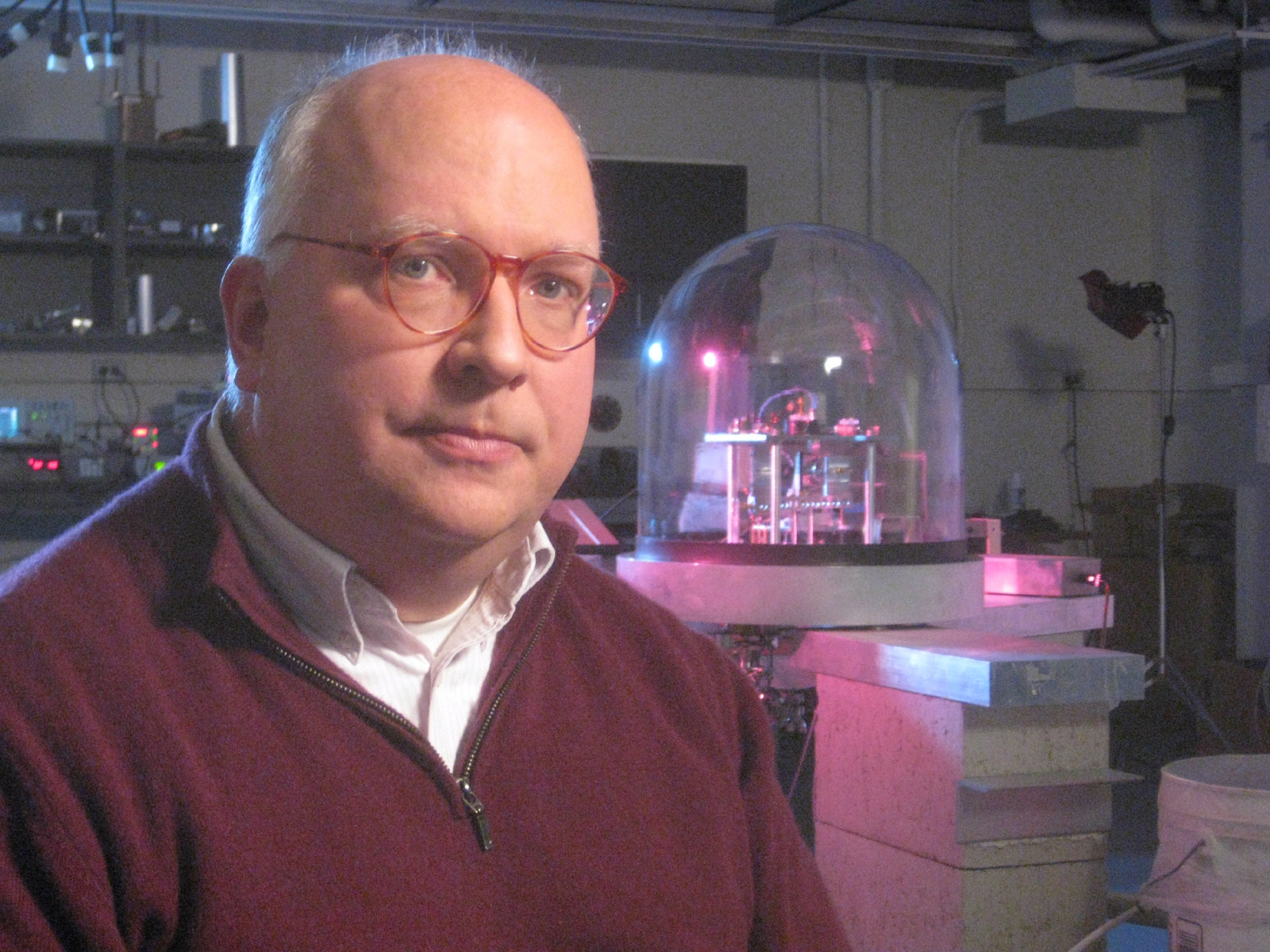
    Steve Lamoreaux headshot, Yale University.
    Bild: © Copyright: Discovery Communications, Inc. EMEA/UK Editorial Use Only
  • Was ist Zeit?
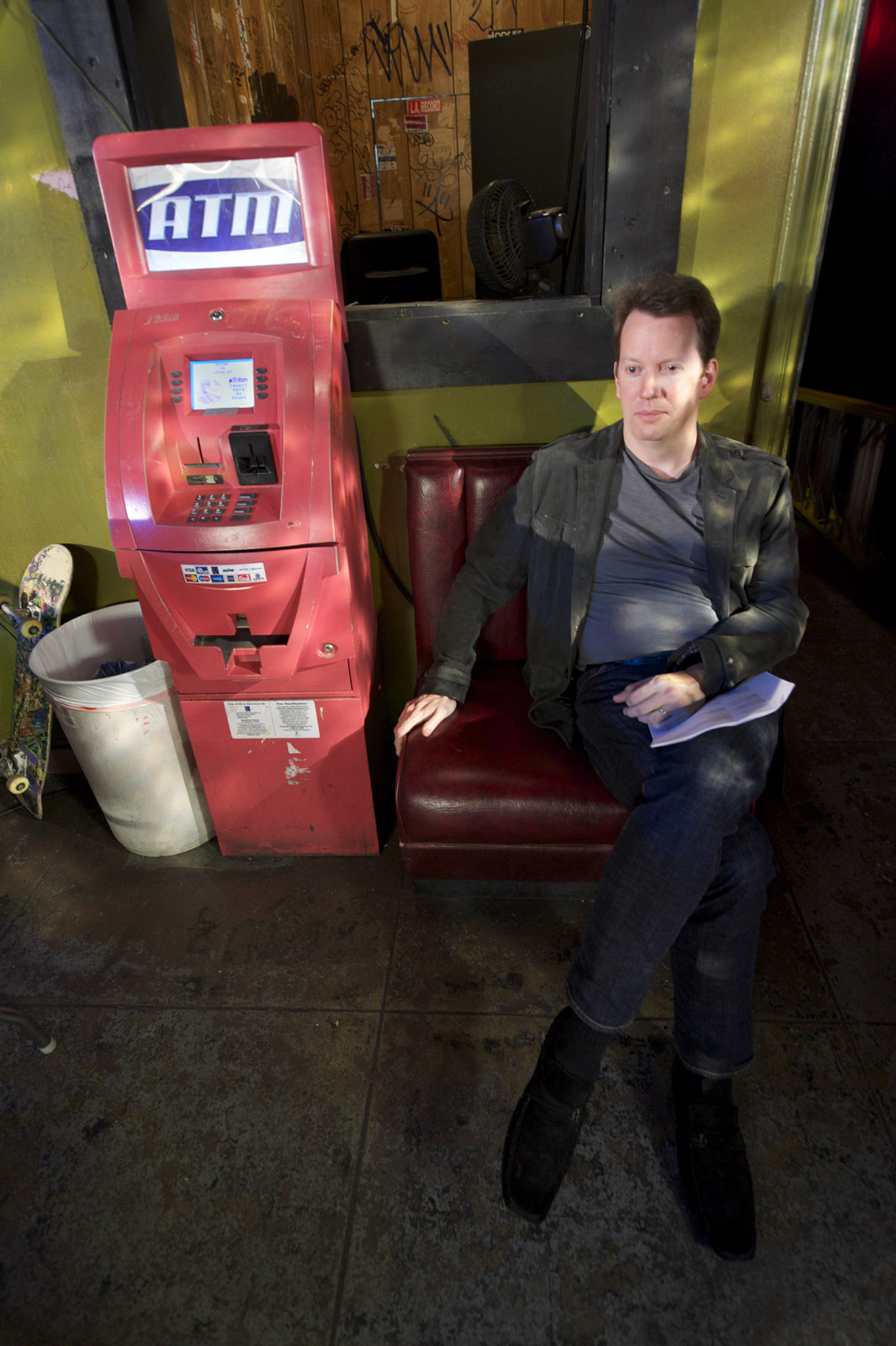
    Sean Carroll, Caltech physicist.
    Bild: © Copyright: Discovery Communications, Inc. EMEA/UK Editorial Use Only